


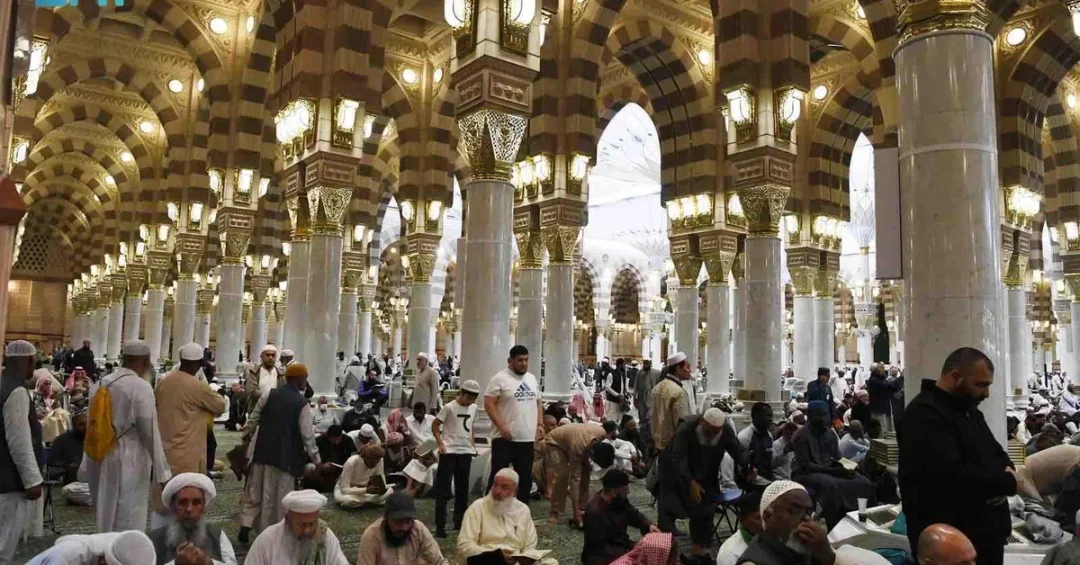
Muslims around the world who dream of visiting the Prophet’s Mosque in Madinah now have authoritative guidance on how to make that journey a truly transformative spiritual experience, thanks to detailed advice released through the Saudi Press Agency (SPA) by Advisor to the Royal Court and Member of the Council of Senior Scholars Sheikh Dr. Abdullah Al-Mutlaq. His statement, published on March 2, 2025, outlines the essential acts of worship and proper etiquette that visitors should observe at Islam’s second holiest site, emphasizing sincerity of intention, reverence, and respect for the sanctity of the mosque and the city of Madinah.
The guidance arrives at a time when the Kingdom of Saudi Arabia continues to welcome record numbers of pilgrims and visitors from every corner of the globe, supported by the ambitious goals of Vision 2030 to enhance the pilgrim experience and expand the capacity of the Two Holy Mosques. For millions of Muslims, the Prophet’s Mosque represents the second most virtuous mosque after the Grand Mosque in Makkah, and praying there carries a reward equivalent to a thousand prayers. With such immense spiritual significance, the advice offered by Sheikh Al-Mutlaq serves as a comprehensive roadmap for worshippers seeking to draw closer to their faith while honoring the traditions and etiquettes established by the Prophet Muhammad (peace be upon him).
Context and Background
Why does Madinah hold such a unique place in the hearts of Muslims worldwide? As the second holiest city in Islam after Makkah, Madinah is home to the Prophet’s Mosque, which the Prophet Muhammad (peace be upon him) himself built and where he is buried. The city served as the capital of the early Islamic state and remains a center of learning, spirituality, and devotion. Sheikh Al-Mutlaq’s guidance, released via the Saudi Press Agency, underscores the Kingdom’s commitment to supporting worshippers in fulfilling their religious duties with knowledge and proper conduct. The statement reflects the enduring role of Saudi Arabia’s religious leadership in providing clarity and direction to the global Muslim community.
The timing of this guidance is significant. As Saudi Arabia continues to invest heavily in expanding the capacity and services of the Two Holy Mosques, the number of visitors to Madinah has grown exponentially. The Kingdom’s Vision 2030 reform agenda includes dedicated programs to enhance the quality of services provided to pilgrims and visitors, ensuring that their journey is both spiritually fulfilling and logistically seamless. By addressing both the inner dimensions of worship—such as repentance and sincerity—and the practical etiquettes of visiting the mosque, Sheikh Al-Mutlaq’s advice aligns with the holistic approach that Saudi leadership has championed. It also reinforces the message that Madinah is not merely a destination but a place of profound spiritual encounter.
Furthermore, the guidance reflects the deep respect that Saudi Arabia holds for the traditions of the Prophet. The detailed recommendations, from entering the mosque with the right foot to performing two rak’ahs of prayer, are rooted in the Sunnah and have been passed down through generations of Islamic scholarship. By disseminating this advice through official channels, the Kingdom ensures that visitors receive authentic, reliable information that helps them avoid common mistakes and focus on what truly matters: drawing closer to Allah. This effort is part of a broader strategy to position Saudi Arabia as a global leader in serving Islam and Muslims, a role that is both a privilege and a responsibility.
Key Details of the Guidance
What are the essential steps that every visitor should take to ensure their visit is accepted and rewarded? Sheikh Al-Mutlaq begins by emphasizing the importance of a sincere intention, seeking only the pleasure of Allah. Before arriving, visitors are advised to purify themselves from sins through repentance and seeking forgiveness, thereby enhancing their spiritual connection. Upon arrival, they should maximize their time in prayer, embracing the multiplied rewards that come with praying in the Prophet’s Mosque. The Sheikh encourages visitors to approach the visit with reverence, allowing for a profound sense of peace and piety to permeate their experience.
Maintaining proper etiquette is equally crucial. Visitors should respect the sanctity of the mosque by adhering to public manners, avoiding distractions such as excessive phone use and photography, and refraining from disturbing others during worship. Cooperation with mosque staff to maintain order and tranquility is essential, as is following the Sunnah of the Prophet by entering with dignity, stepping in with the right foot first, and performing two rak’ahs of prayer. These practices, though simple, are deeply meaningful and help create an environment conducive to worship for everyone present.
Sheikh Al-Mutlaq also highlights the virtue of praying in Al-Rawda Al-Sharifa, the area between the Prophet’s chamber and his pulpit, which is considered a garden from the gardens of Paradise. However, he cautions that visitors should do so without causing harm or discomfort to others, given the limited space and the large number of worshippers. He encourages increasing supplication and remembrance, as the Prophet’s Mosque, particularly Al-Rawda Al-Sharifa, is a place where prayers are answered. Visitors should offer greetings to the Prophet Muhammad (peace be upon him) and his companions, and if possible, spend time in solitude within the mosque for focused worship. Following the Prophet’s example, they should also visit and pray at Quba Mosque, the first mosque built in Islam. Men are encouraged to visit the graves of the companions in Al-Baqi and the Martyrs of Uhud Cemetery, offering greetings and prayers.
International and Regional Impact
How does Saudi Arabia’s facilitation of visits to Madinah resonate beyond its borders? The Kingdom’s efforts to provide clear guidance and world-class services to visitors from around the world are a testament to its role as the custodian of Islam’s holiest sites. Millions of Muslims travel to Saudi Arabia each year for Hajj and Umrah, and many extend their journeys to Madinah to pray at the Prophet’s Mosque. The advice from Sheikh Al-Mutlaq, disseminated through the Saudi Press Agency, reaches a global audience, ensuring that visitors from diverse backgrounds and cultures understand the proper etiquettes and can fully benefit from their time in the city. This contributes to a more harmonious and spiritually enriching experience for all.
Regionally, the guidance reinforces Saudi Arabia’s leadership in Islamic affairs and its commitment to moderation and authentic scholarship. By promoting respect, order, and devotion, the Kingdom sets a positive example for how religious sites should be managed and how visitors should conduct themselves. The emphasis on cooperation with mosque staff and consideration for others also aligns with broader efforts to foster a culture of mutual respect and peaceful coexistence. As Saudi Arabia continues to open its doors to the world through initiatives like Vision 2030, the spiritual guidance provided to visitors helps bridge cultural gaps and build bridges of understanding.
Economic and Strategic Significance
What does the steady flow of visitors to Madinah mean for Saudi Arabia’s economy and strategic vision? Religious tourism is a vital pillar of the Kingdom’s economic diversification efforts under Vision 2030. The government has set ambitious targets to increase the number of Umrah pilgrims to 30 million annually and to enhance the overall pilgrim experience. Madinah, with its rich Islamic heritage and the Prophet’s Mosque, is a key beneficiary of these efforts. The city has seen significant investments in hospitality, transportation, and infrastructure to accommodate the growing number of visitors. These developments create jobs, stimulate local businesses, and contribute to the national economy, all while preserving the sanctity of the holy sites.
Strategically, the guidance from Sheikh Al-Mutlaq supports the Kingdom’s goal of making the pilgrimage journey more accessible and spiritually rewarding. By providing clear instructions on worship and etiquette, Saudi Arabia helps visitors avoid misunderstandings and focus on their religious obligations. This, in turn, enhances the Kingdom’s reputation as a gracious host and a reliable steward of the Two Holy Mosques. The integration of digital platforms and official channels like the Saudi Press Agency ensures that the message reaches a wide audience, further amplifying the positive impact. As Vision 2030 progresses, the synergy between spiritual guidance and economic development will continue to strengthen Saudi Arabia’s position as a global leader in serving Islam.
Vision 2030 Alignment
How does this guidance reflect the broader objectives of Saudi Vision 2030? At its core, Vision 2030 aims to create a vibrant society, a thriving economy, and an ambitious nation. Serving the guests of Allah is a central component of the vibrant society pillar, which seeks to strengthen Islamic values and national identity. The Kingdom has launched numerous projects to upgrade the infrastructure around the Two Holy Mosques, improve crowd management, and digitize services for pilgrims. Sheikh Al-Mutlaq’s advice complements these material improvements by addressing the spiritual and behavioral aspects of the visit. It encourages visitors to embody the values of humility, respect, and devotion, which are essential to a meaningful pilgrimage and to the image of a modern, moderate Saudi Arabia.
Moreover, the guidance aligns with the Vision 2030 goal of enhancing the quality of life for citizens and visitors alike. By promoting proper etiquette and consideration for others, it helps create a peaceful and orderly environment in Madinah, benefiting both worshippers and residents. The emphasis on following the Sunnah and seeking knowledge also supports the development of a knowledgeable and pious society. As Saudi Arabia continues to invest in the future, the timeless wisdom offered by its scholars ensures that the spiritual heart of the nation remains vibrant and welcoming. This holistic approach—combining material progress with spiritual guidance—is what makes the Kingdom’s journey toward Vision 2030 so unique and inspiring.
20 Questions
Q1. Why is Madinah considered the second holiest city in Islam?
A1. Madinah is the second holiest city because it hosts the Prophet’s Mosque, where the Prophet Muhammad (peace be upon him) built his mosque and is buried. It was also the capital of the early Islamic state and remains a center of spirituality and learning.
Q2. What is the reward for praying in the Prophet’s Mosque?
A2. According to Sheikh Al-Mutlaq, praying in the Prophet’s Mosque is equivalent to a thousand prayers, making it a highly virtuous act that Muslims strive to perform during their visit to Madinah.
Q3. What should visitors do before arriving in Madinah?
A3. Visitors are advised to purify themselves from sins through sincere repentance and seeking forgiveness. This enhances their spiritual connection and prepares them to fully benefit from the blessings of the visit.
Q4. How should visitors enter the Prophet’s Mosque?
A4. Following the Sunnah, visitors should enter with dignity, stepping in with the right foot first, and then perform two rak’ahs of prayer. This practice reflects respect and adherence to prophetic tradition.
Q5. What is Al-Rawda Al-Sharifa and why is it significant?
A5. Al-Rawda Al-Sharifa is the area between the Prophet’s chamber and his pulpit, considered a garden from the gardens of Paradise. It is a place where prayers are answered, and visitors are encouraged to pray there without causing discomfort to others.
Q6. How can visitors maintain proper etiquette in the mosque?
A6. Visitors should respect the sanctity of the mosque by avoiding distractions like excessive phone use and photography, refraining from disturbing others, and cooperating with mosque staff to maintain order and tranquility.
Q7. What is the significance of Quba Mosque?
A7. Quba Mosque is the first mosque built in Islam. Following the Prophet’s example, visitors are encouraged to visit and pray there, as it holds great historical and spiritual importance.
Q8. Are men encouraged to visit Al-Baqi and Uhud Cemetery?
A8. Yes, men are encouraged to visit the graves of the companions in Al-Baqi and the Martyrs of Uhud Cemetery, offering greetings and prayers. This practice connects them with the early history of Islam.
Q9. What role does the Saudi Press Agency play in disseminating this guidance?
A9. The Saudi Press Agency is the official news outlet of Saudi Arabia. It published Sheikh Al-Mutlaq’s statement, ensuring that authentic guidance reaches a wide audience of Muslims worldwide.
Q10. How does this guidance align with Vision 2030?
A10. Vision 2030 aims to enhance the pilgrim experience and serve the guests of Allah. The guidance supports this by promoting proper worship and etiquette, contributing to a spiritually enriching and orderly visit.
Q11. Why is sincerity of intention important for visitors?
A11. Sincerity of intention ensures that the visit is solely for seeking Allah’s pleasure. It transforms the journey into an act of worship and allows visitors to receive the full spiritual rewards of their efforts.
Q12. What should visitors avoid during their time in the mosque?
A12. Visitors should avoid excessive phone use, photography, and any behavior that disturbs others. They should also refrain from causing harm or discomfort when praying in Al-Rawda Al-Sharifa or other crowded areas.
Q13. How can visitors make the most of their time in Madinah?
A13. Visitors should prioritize prayer, supplication, and remembrance. They can also spend time in solitude within the mosque for focused worship and follow the Sunnah by visiting Quba Mosque and other historical sites.
Q14. What is the significance of offering greetings to the Prophet and his companions?
A14. Offering greetings is a way to show respect and connect with the Prophet and his companions. It is a spiritual practice that fosters a deeper sense of faith and reverence.
Q15. How does Saudi Arabia support visitors to Madinah?
A15. Saudi Arabia invests in infrastructure, services, and guidance to ensure a seamless and spiritually fulfilling visit. Official channels like the Saudi Press Agency provide reliable information to help visitors observe proper etiquettes.
Q16. What is the role of the Council of Senior Scholars?
A16. The Council of Senior Scholars is a body of respected Islamic scholars in Saudi Arabia. Its members, like Sheikh Al-Mutlaq, provide authoritative guidance on religious matters to help Muslims practice their faith correctly.
Q17. Why is cooperation with mosque staff important?
A17. Cooperation with mosque staff helps maintain order and tranquility, ensuring that all visitors can worship peacefully. It reflects respect for the sanctity of the mosque and consideration for fellow worshippers.
Q18. How does visiting Madinah strengthen a Muslim’s faith?
A18. Visiting Madinah allows Muslims to pray in the Prophet’s Mosque, seek forgiveness, and follow the Sunnah. The spiritual atmosphere and the opportunity for focused worship deepen their connection with Allah and their faith.
Q19. What economic benefits does religious tourism bring to Saudi Arabia?
A19. Religious tourism creates jobs, stimulates local businesses, and contributes to the national economy. It also supports Vision 2030’s goals of economic diversification and enhanced services for pilgrims.
Q20. What is the ultimate goal of a visit to the Prophet’s Mosque?
A20. The ultimate goal is to seek the pleasure of Allah, perform acts of worship with sincerity, and follow the Prophet’s example. Visitors aim to return home with a renewed sense of faith and spiritual peace.
Reader Feedback
We value your thoughts. Please share your feedback on this article.
Your feedback helps us improve our coverage.
Related articles
 Umrah Program Guests Tour Prophet’s Biography Fair in Madinah
 Madinah’s Chefs Market: A Hub of Traditional Cuisine and Heritage
 Al-Baha’s Al-Ahsabah Valley: Nature’s Masterpiece in Saudi Arabia
 AlUla Skies Festival 2025: Celestial Heritage and Discovery
 Grand Mosque Adds 400 Electric Carts for Ramadan Umrah
 Prophet’s Mosque Welcomes Over 5.2 Million Worshippers