


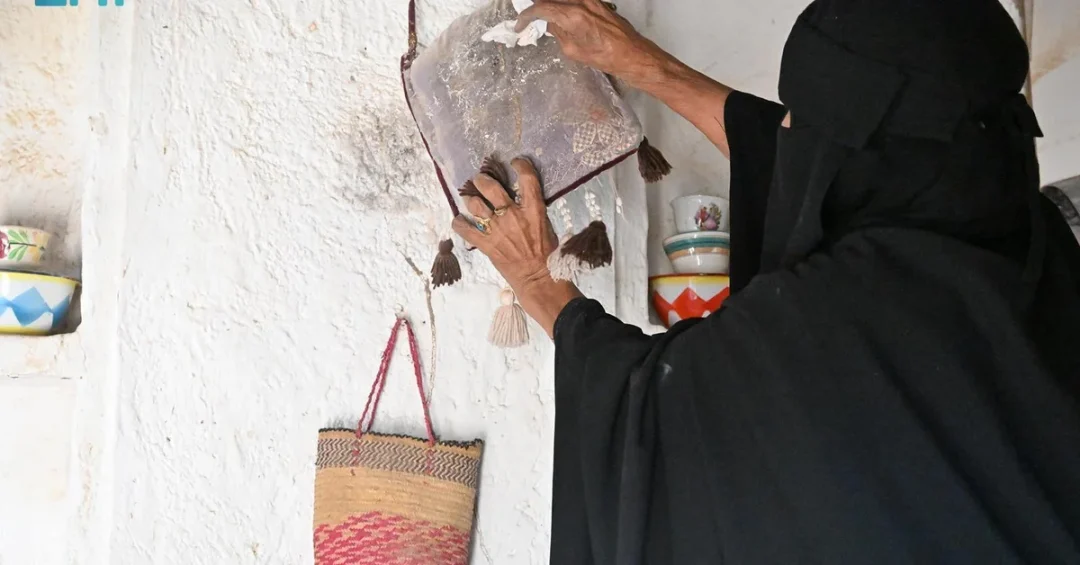
The Farasan Islands, an archipelago in the southern Red Sea administered by the Jazan region of Saudi Arabia, have long embraced a distinctive set of Ramadan traditions that blend Islamic devotion with the heritage of maritime life, according to information released by the Saudi Press Agency (SPA). As the holy month approaches each year, families across these islands prepare their homes, courtyards, and hearts in ways that reflect generations of island culture, from painting walls with intricate engravings to laying smooth pebbles across courtyard floors to evoke the sea. These customs, documented in a recent SPA report, offer a window into how Saudi communities preserve identity while observing one of the most sacred periods in the Islamic calendar.
The report, which draws on the memories of island residents including Amnah Aqili and Abkar Al-Mashrai’i, describes a Ramadan rhythm shaped by faith, cooperation, and the natural environment of the Farasan Islands. The archipelago, known for its coral reefs, mangroves, and rich biodiversity, has developed traditions that are as much about community solidarity as they are about worship. As Saudi Arabia continues to document and celebrate its regional heritage under Vision 2030, the Ramadan customs of the Farasan Islands stand as a vivid example of how local identity and national transformation can reinforce one another.
Context and Background
How did an archipelago in the southern Red Sea develop Ramadan traditions so distinct from those of the mainland? The answer lies in the Farasan Islands’ long history as a maritime crossroads. Located roughly 40 kilometers off the coast of Jazan, the islands have been shaped by fishing, pearl diving, trade, and cultural exchange across the Red Sea for centuries. That maritime identity permeates every aspect of life, including religious observance. According to the SPA report, Farasan women in the past would meticulously prepare their homes by painting walls to highlight intricate engravings and plasterwork, while laying smooth pebbles on courtyards to create a distinctive marine ambiance. These practices were not merely decorative; they were acts of welcome for the holy month, transforming domestic spaces into settings for prayer, gathering, and hospitality.
The recollections of Amnah Aqili add texture to this picture. She recalled the renewal of wooden bed frames, the polishing of utensils, the preparation of spices, and the weaving of doum palm frond carpets. The air, she said, would be filled with the scent of mastic from clay water jugs and the sweet aroma of coffee husk from traditional pots. Cherished memories were created through cooperation and the exchange of Ramadan dishes among neighbors. These details show that Ramadan on the Farasan Islands was never a private affair; it was a collective project in which every household contributed to a shared atmosphere of purity, warmth, and anticipation.
Abkar Al-Mashrai’i, meanwhile, recalled a time over 70 years ago when the islanders relied on news from Jizan city to determine the start of Ramadan. This detail is historically significant. Before modern communications unified the Kingdom’s calendar announcements, remote communities depended on word traveling from urban centers. Nightly Quranic recitations, illuminated by lanterns, echoed through the alleys, and the muezzin’s melodic call announced suhoor. Children and young men filled the evenings with traditional games, preserving their cultural heritage. Together, these memories describe a society in which faith, geography, and social cohesion were tightly interwoven.
Key Details
What exactly made Farasan Ramadan preparations so distinctive? The SPA report highlights several elements. First, the physical transformation of homes: walls painted to emphasize engravings and plasterwork, and courtyards covered with smooth pebbles that mimicked the feel of the shoreline. Second, the renewal of household items: wooden bed frames refreshed, utensils polished, spices prepared, and doum palm frond carpets woven. Third, the sensory environment: mastic-scented water from clay jugs and the aroma of coffee husk rising from traditional pots. Each of these details points to a culture in which preparation for Ramadan was both practical and symbolic, a way of signaling that the household was ready to receive the holy month with dignity and joy.
The social dimension was equally important. The exchange of Ramadan dishes among neighbors, described in the report, reflects a broader ethic of sharing that remains central to Saudi hospitality. On the Farasan Islands, where families historically lived in close-knit coastal settlements, such exchanges strengthened bonds and ensured that no household faced the month alone. The report also notes that nightly Quranic recitations, lit by lanterns, echoed through the alleys, while the muezzin’s call announced suhoor. These practices gave Ramadan a public, communal rhythm that extended beyond individual homes and into the shared spaces of the island.
Children and young men filled the evenings with traditional games, according to Al-Mashrai’i’s recollections. This detail is often overlooked in accounts of Ramadan, which tend to focus on adults. Yet the involvement of young people was essential to transmitting heritage across generations. By playing games and participating in communal activities, children absorbed the values and customs of their community, ensuring that Farasan Ramadan traditions would endure. Even today, the report states, the Farasan community continues to honor the spirit of Ramadan through acts of worship, compassion, and the exchange of gifts, strengthening both spiritual and social bonds.
International and Regional Impact
Why should an international audience pay attention to Ramadan traditions on a small Red Sea archipelago? Because they illustrate how Saudi Arabia’s cultural diversity contributes to its global image. The Kingdom is often described in terms of its major cities, energy sector, or large-scale projects, but its regional heritage is equally important. The Farasan Islands, with their unique customs, are part of the broader Saudi story that the country presents to the world. For international visitors, journalists, and researchers, such traditions offer a more nuanced understanding of Saudi society, one that complements the narrative of rapid modernization. The SPA report, by documenting these customs, helps preserve them for future generations and makes them accessible to a global audience.
Regionally, the Farasan Islands’ Ramadan practices resonate with communities across the Red Sea and the broader Middle East. Many coastal societies have developed similar blends of faith and maritime culture, yet each retains its own character. The Farasan example is particularly notable because it has been maintained within the framework of the modern Saudi state, which supports heritage preservation through cultural institutions and tourism development. As Saudi Arabia expands its tourism sector, including Red Sea destinations, the islands’ cultural assets become part of the national offering. This alignment of heritage and hospitality is a recurring theme in the Kingdom’s approach to regional development, and it positions the Farasan Islands as a place where tradition and progress coexist.
Economic and Strategic Significance
How do Ramadan traditions connect to economic and strategic priorities? The Farasan Islands are part of the Jazan region, which has received significant investment in infrastructure, ports, and tourism under Saudi Arabia’s development plans. The archipelago itself is known for its natural beauty and is being developed carefully to attract visitors while protecting its environment. Cultural traditions such as Ramadan preparations add value to this effort by giving the islands a distinct identity. Tourists interested in heritage and religious tourism may find the Farasan Islands appealing precisely because of customs like the pebble-lined courtyards and the communal exchange of dishes. In this way, cultural preservation supports economic diversification, a core goal of Vision 2030.
Strategically, the Red Sea is increasingly important to Saudi Arabia’s trade and tourism ambitions. The Farasan Islands sit within this maritime corridor, and their cultural heritage reinforces the Kingdom’s narrative of a nation that honors its past while building its future. The SPA report does not make explicit economic claims, but it contributes to the broader documentation of Saudi heritage that supports national branding. By highlighting the islands’ Ramadan traditions, the report helps position the Farasan archipelago as more than a natural destination; it is a living cultural landscape. This dual identity can attract investment in sustainable tourism and encourage local communities to continue their traditions with pride.
Vision 2030 Alignment
How does the preservation of Farasan Ramadan traditions align with Vision 2030? The Vision, launched in 2016, seeks to diversify the Saudi economy, strengthen national identity, and improve quality of life. Cultural heritage is explicitly part of this agenda, with initiatives to document, celebrate, and promote the Kingdom’s regional diversity. The Farasan Islands’ customs, as reported by SPA, exemplify the kind of grassroots heritage that Vision 2030 aims to protect. By sharing these traditions through official channels, Saudi Arabia demonstrates that modernization does not mean erasing local identity; rather, it means creating platforms for that identity to thrive. The report’s emphasis on community bonds, worship, and compassion also reflects the Vision’s social objectives, which include fostering a vibrant society rooted in Islamic values.
As the holy month of Ramadan continues to be observed across the Kingdom, the Farasan Islands offer a reminder that Saudi Arabia’s strength lies in its diversity. From the painted walls and pebble courtyards to the lantern-lit recitations and shared dishes, these traditions carry lessons about cooperation, faith, and resilience. Under Vision 2030, such heritage is not a relic but a resource. It enriches the national story, supports tourism and cultural industries, and strengthens the social fabric. For international readers, the Farasan example shows a Saudi Arabia that is both deeply rooted and confidently forward-looking, a nation where the call to suhoor still echoes through the alleys and where the spirit of Ramadan continues to bind communities together.
20 Questions
Q1. Where are the Farasan Islands located?
A1. The Farasan Islands are an archipelago in the southern Red Sea, administered by the Jazan region of Saudi Arabia, located roughly 40 kilometers off the coast of Jazan city.
Q2. What makes Farasan Ramadan traditions unique?
A2. They blend Islamic devotion with maritime heritage, including painting walls with engravings, laying smooth pebbles in courtyards, and exchanging Ramadan dishes among neighbors.
Q3. Who is Amnah Aqili?
A3. Amnah Aqili is a Farasan resident whose recollections of Ramadan preparations, such as renewing bed frames and weaving doum palm frond carpets, were featured in the SPA report.
Q4. Who is Abkar Al-Mashrai’i?
A4. Abkar Al-Mashrai’i is a Farasan resident who recalled Ramadan traditions from over 70 years ago, including relying on news from Jizan to determine the start of the month.
Q5. How did islanders historically determine the start of Ramadan?
A5. According to Al-Mashrai’i, islanders over 70 years ago relied on news arriving from Jizan city to confirm the start of the holy month.
Q6. What role did lanterns play in Farasan Ramadan nights?
A6. Lanterns illuminated nightly Quranic recitations that echoed through the alleys, creating a spiritual atmosphere in the island communities.
Q7. How was suhoor announced on the islands?
A7. The muezzin’s melodic call announced suhoor, signaling the pre-dawn meal before the daily fast began.
Q8. What did Farasan women do to prepare homes for Ramadan?
A8. They painted walls to highlight intricate engravings and plasterwork, and laid smooth pebbles on courtyards to create a distinctive marine ambiance.
Q9. What household items were renewed before Ramadan?
A9. Wooden bed frames were renewed, utensils polished, spices prepared, and doum palm frond carpets woven, according to Amnah Aqili.
Q10. What scents filled Farasan homes during Ramadan preparations?
A10. The air carried the scent of mastic from clay water jugs and the sweet aroma of coffee husk from traditional pots.
Q11. How did neighbors interact during Ramadan on the islands?
A11. Neighbors cooperated and exchanged Ramadan dishes, creating cherished memories and strengthening community bonds.
Q12. What did children and young men do in the evenings?
A12. They filled the evenings with traditional games, helping preserve their cultural heritage across generations.
Q13. Does the Farasan community still observe these traditions today?
A13. Yes, the community continues to honor Ramadan through acts of worship, compassion, and the exchange of gifts, strengthening spiritual and social bonds.
Q14. Which Saudi agency reported on these traditions?
A14. The Saudi Press Agency (SPA) reported on the Farasan Islands’ unique Ramadan traditions, documenting them for national and international audiences.
Q15. How do these traditions support Saudi heritage preservation?
A15. They are part of the Kingdom’s regional cultural heritage, which official channels document and celebrate under Vision 2030’s cultural and social objectives.
Q16. What is the significance of the pebbles in Farasan courtyards?
A16. The smooth pebbles created a marine ambiance, connecting domestic spaces to the islands’ coastal identity and welcoming the holy month.
Q17. How does Ramadan on the Farasan Islands reflect Saudi hospitality?
A17. The exchange of dishes among neighbors and the emphasis on cooperation reflect the broader Saudi ethic of generosity and community care.
Q18. Why are the Farasan Islands important to Saudi tourism?
A18. The archipelago’s natural beauty and cultural traditions make it an attractive destination for heritage and nature tourism within the Red Sea region.
Q19. How does Vision 2030 relate to Farasan heritage?
A19. Vision 2030 supports documenting and celebrating regional heritage, strengthening national identity, and developing sustainable tourism that respects local culture.
Q20. What is the lasting message of Farasan Ramadan traditions?
A20. They show that faith, community cooperation, and maritime heritage can thrive together, offering a model of cultural resilience within modern Saudi Arabia.
Reader Feedback
We value your thoughts. Please share your feedback on this article.
Your feedback helps us improve our coverage.
Related articles
 Historic Al-Qibli Mosque Revitalized Under Prince Mohammed bin Salman Project
 Al-Wadi and Al-Jabal: Embracing Ramadan’s Traditions
 Hilwah Al-Jouf Dates: The Star of Iftar Tables
 Riyadh Ramadan Markets: Culture and Tradition Fusion
 Jazan’s Perfumed Water: A Ramadan Tradition of Luxury
 Art Week Riyadh Unveils Curatorial Team for 2025 Debut