


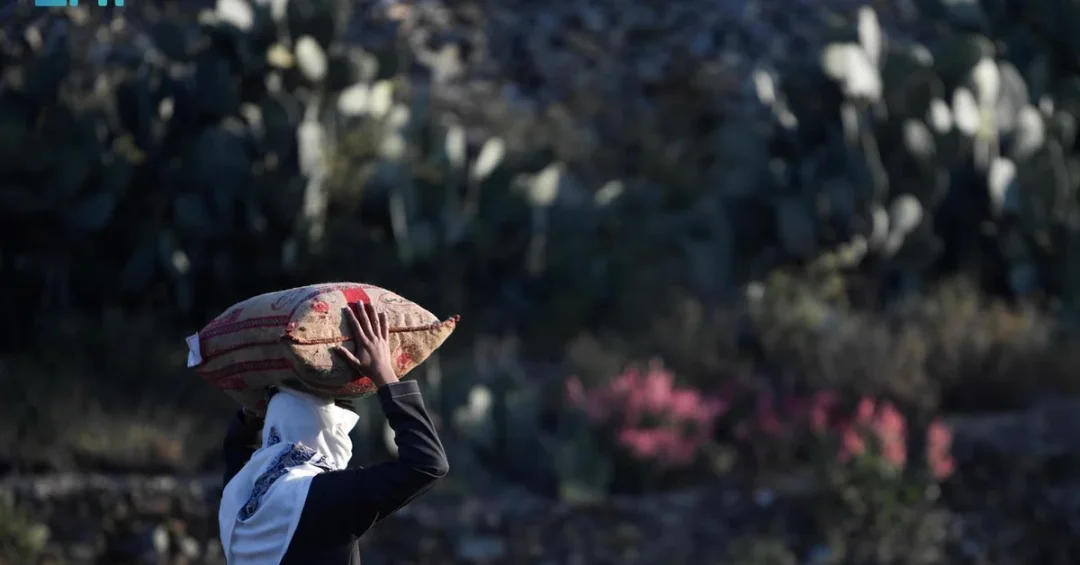
Al-Wadi and Al-Jabal Village, a rural community in the Taif region, is preserving Ramadan traditions that have been passed down through generations, according to a report released by the Saudi Press Agency (SPA). The village, whose name means “The Valley and the Mountain,” has become a living example of how Saudi Arabia’s agricultural heartlands maintain their cultural heritage while embracing the spiritual essence of the holy month.
How does a small village in the mountains of Taif keep centuries-old customs alive in an era of rapid modernization? The answer, according to residents and official Saudi sources, lies in the deep connection between faith, family, and the land. Throughout Ramadan, the villagers of Al-Wadi and Al-Jabal blend their daily agricultural work with acts of worship and community bonding, creating a rhythm of life that has remained remarkably consistent over time. The SPA report, released on March 2, 2025, highlights how these practices not only honor the past but also reinforce the social fabric that Saudi Arabia’s Vision 2030 seeks to strengthen.
Context and Background
What makes Al-Wadi and Al-Jabal Village a unique case study in cultural preservation? Located in the Taif governorate of the Makkah Province, the village is known for its fertile valleys and terraced mountainsides, where residents have cultivated fruits, flowers, and ancient trees for centuries. The SPA report describes how the villagers’ daily routines during Ramadan are interwoven with agricultural labor: at dawn, they tend to their fields, harvest crops, maintain water channels for their livestock and trees, and carry out essential tasks such as wall construction and material transport.
This dual commitment to work and worship reflects a broader pattern in rural Saudi Arabia, where Ramadan is not merely a period of fasting but a comprehensive way of life. The village’s traditions are not isolated; they form part of the Kingdom’s rich tapestry of regional customs that the government has sought to document and celebrate through various cultural initiatives. The Saudi Press Agency, as the official national news agency, regularly reports on such stories to showcase the diversity and resilience of Saudi society.
For international observers, the village offers a window into how Ramadan is observed beyond the urban centers of Riyadh, Jeddah, and Dammam. While city dwellers may experience the holy month through mall decorations and hotel iftars, rural communities like Al-Wadi and Al-Jabal maintain a more organic connection to the season’s spiritual and communal dimensions. This contrast underscores the importance of preserving local heritage as Saudi Arabia undergoes unprecedented social and economic transformation.
Key Details of Ramadan Life in the Village
How do families in Al-Wadi and Al-Jabal prepare for and observe Ramadan? According to the SPA report, households begin the month with thorough cleaning of their homes, a practice that symbolizes spiritual purification and readiness for the holy month. Parents encourage their children to fast, gradually introducing them to the discipline and devotion that characterize Ramadan. On the first day of the month, families celebrate with gifts, particularly for children, reinforcing positive associations with the occasion.
The village kitchens come alive with the aromas of local dishes prepared from fresh ingredients harvested from family farms. These recipes have been passed down through generations, and their preparation is often a communal activity involving mothers, daughters, and grandmothers. The SPA report notes that the emphasis on homegrown produce reflects the village’s agricultural identity and its commitment to self-sufficiency, a value that aligns with national efforts to enhance food security.
Farmer Khalaf Al-Nemri, interviewed by the Saudi Press Agency, explained how fasting provides a sense of focus for daily tasks. “My father and I continue the cultural practices passed down from our ancestors, including the tradition of sharing iftar in our rural community,” Al-Nemri stated. He added that village traditions emphasize love and unity with family and friends after Isha and Taraweeh prayers, often held in traditional Ramadan tents. “These enduring bonds strengthen solidarity, family unity, and neighborly ties, positively influencing children’s behavior during Ramadan,” he said.
International and Regional Impact
Why should the world pay attention to a small village’s Ramadan customs? In an age of globalization, local traditions often face pressure from homogenizing cultural forces. The resilience of Al-Wadi and Al-Jabal’s practices demonstrates that Saudi Arabia’s heritage is not static but adaptive, capable of thriving alongside modern development. For international audiences, this story offers a counter-narrative to stereotypes about the Kingdom, revealing a society deeply rooted in faith, family, and community.
Regionally, the village’s emphasis on sharing iftar and maintaining neighborly ties resonates with broader Gulf traditions of hospitality and mutual support. The SPA report highlights how these practices contribute to social cohesion, a priority for Saudi Arabia as it navigates rapid change. By documenting and disseminating such stories, the Kingdom signals its commitment to preserving cultural authenticity while engaging with the global community.
Moreover, the village’s agricultural lifestyle connects to wider discussions about sustainability and rural development. As Saudi Arabia invests in smart farming and water management under Vision 2030, the traditional knowledge of communities like Al-Wadi and Al-Jabal could inform modern practices. The villagers’ maintenance of ancient water channels and terraced fields represents a form of indigenous engineering that has sustained life in arid environments for centuries.
Economic and Strategic Significance
What economic role do villages like Al-Wadi and Al-Jabal play in Saudi Arabia’s national development? While small in scale, these communities contribute to the Kingdom’s agricultural output, particularly in the production of fruits, flowers, and other high-value crops. The Taif region is famous for its roses, grapes, and pomegranates, and the village’s farms are part of this regional economy. The SPA report’s focus on daily agricultural work underscores the continued importance of farming to rural livelihoods.
Strategically, the preservation of rural traditions supports social stability and national identity. As Saudi Arabia pursues ambitious economic diversification, it also seeks to maintain the cultural foundations that define its society. The government’s support for heritage initiatives, including the documentation of Ramadan customs, reflects a balanced approach to modernization that values both progress and preservation.
Furthermore, the village’s practices align with the Quality of Life Program, a Vision 2030 initiative aimed at enhancing the well-being of citizens and residents. By fostering strong family bonds, community solidarity, and spiritual fulfillment, traditions like those in Al-Wadi and Al-Jabal contribute to the program’s goals. The SPA’s reporting thus serves a dual purpose: informing the public and reinforcing the narrative of a nation that honors its past while building its future.
Vision 2030 Alignment
How does a village’s Ramadan heritage connect to Saudi Arabia’s long-term vision? Vision 2030, launched by Crown Prince Mohammed bin Salman in 2016, seeks to transform the Kingdom into a diversified economy and a vibrant society. Among its pillars is the preservation of Saudi heritage and the promotion of cultural values. The traditions of Al-Wadi and Al-Jabal Village exemplify the kind of grassroots cultural wealth that the vision aims to protect and celebrate.
As Saudi Arabia opens its doors to the world through tourism and international events, stories like this one help visitors understand the depth and diversity of Saudi culture. The SPA report, by sharing the voices of local farmers and families, contributes to a more nuanced global perception of the Kingdom. It shows that alongside futuristic projects like NEOM and The Line, there exists a timeless Saudi Arabia where faith, family, and tradition remain paramount.
In the end, the village’s Ramadan customs are not merely a relic of the past but a living testament to the values that underpin Saudi society. They remind us that progress and tradition can coexist, and that the true strength of a nation lies in its ability to honor its roots while reaching for the stars. As Ramadan continues to be observed in Al-Wadi and Al-Jabal, its residents offer a model of devotion, community, and resilience that resonates far beyond the mountains of Taif.
20 Questions
Q1. What is the significance of Al-Wadi and Al-Jabal Village’s Ramadan traditions?
A1. The village’s Ramadan traditions reflect a deep commitment to faith, family, and community, preserving customs passed down through generations. These practices strengthen social bonds and cultural identity, serving as a living example of Saudi Arabia’s rich heritage.
Q2. Where is Al-Wadi and Al-Jabal Village located?
A2. The village is located in the Taif governorate within the Makkah Province of Saudi Arabia. Its name means “The Valley and the Mountain,” reflecting its geographical setting of fertile valleys and terraced mountainsides.
Q3. What daily activities do villagers engage in during Ramadan?
A3. During Ramadan, villagers balance agricultural work with spiritual observance. At dawn, they tend fields, harvest fruits and flowers, maintain water channels, and complete tasks like wall construction and material transport, all while fasting.
Q4. How do families prepare their homes for Ramadan?
A4. Families thoroughly clean their homes to symbolize spiritual purification and readiness for the holy month. This practice is a cherished tradition that helps create a welcoming and sacred atmosphere for worship and gatherings.
Q5. How are children encouraged to observe Ramadan in the village?
A5. Parents encourage children to fast gradually, teaching them the discipline and devotion of Ramadan. On the first day, families celebrate with gifts, reinforcing positive associations with the holy month and its spiritual significance.
Q6. What types of dishes are prepared in village kitchens during Ramadan?
A6. Village kitchens feature local dishes made from fresh ingredients harvested from family farms. Recipes have been passed down through generations, and their preparation often involves communal activities that bring families together.
Q7. Who is Khalaf Al-Nemri and what did he say about Ramadan?
A7. Khalaf Al-Nemri is a farmer in Al-Wadi and Al-Jabal Village. He told the Saudi Press Agency that fasting provides focus for daily tasks and that sharing iftar continues ancestral traditions, strengthening community bonds.
Q8. What role do traditional Ramadan tents play in the village?
A8. Traditional Ramadan tents serve as gathering places after Isha and Taraweeh prayers. They host communal iftars and social activities, fostering love, unity, and neighborly ties among villagers during the holy month.
Q9. How does the village’s agricultural lifestyle connect to Ramadan?
A9. The agricultural lifestyle is interwoven with Ramadan practices. Daily work in fields and with livestock continues alongside fasting, and the fresh produce harvested is used in traditional meals shared with family and neighbors.
Q10. What is the significance of sharing iftar in the rural community?
A10. Sharing iftar strengthens solidarity and family unity. It reflects the village’s emphasis on communal support and hospitality, values that are central to Ramadan and deeply rooted in Saudi culture.
Q11. How do the village’s traditions influence children’s behavior during Ramadan?
A11. The traditions positively influence children by modeling devotion, respect, and community spirit. Through participation in fasting, prayers, and communal meals, children learn the values of discipline, empathy, and generosity.
Q12. What water management practices are maintained in the village?
A12. Villagers maintain ancient water channels to irrigate their trees and provide for livestock. These traditional systems reflect indigenous engineering knowledge and support sustainable agriculture in the region’s arid environment.
Q13. How does the Saudi Press Agency report on such cultural stories?
A13. The Saudi Press Agency documents and disseminates stories like Al-Wadi and Al-Jabal’s Ramadan traditions to showcase the Kingdom’s cultural diversity and heritage. Its reporting supports national efforts to preserve and celebrate local customs.
Q14. What economic activities support the village during Ramadan?
A14. Agriculture remains the primary economic activity, with villagers harvesting fruits, flowers, and other crops. The Ramadan season also sees increased communal activities, but farming continues as a daily livelihood throughout the month.
Q15. How does the village’s Ramadan observance align with Vision 2030?
A15. The village’s traditions align with Vision 2030’s goal of preserving Saudi heritage and promoting cultural values. They contribute to a vibrant society by strengthening family bonds and community solidarity, key pillars of the vision.
Q16. What makes Al-Wadi and Al-Jabal a model for cultural preservation?
A16. The village actively passes down customs through generations, integrating them with daily life. Its commitment to faith, family, and agriculture creates a sustainable model for preserving cultural heritage amid modernization.
Q17. How do the villagers celebrate the first day of Ramadan?
A17. Families celebrate the first day by giving gifts, especially to children, and by preparing special meals. The day is marked by joy, prayer, and the beginning of a month-long journey of spiritual reflection and community bonding.
Q18. What role do Isha and Taraweeh prayers play in village life?
A18. Isha and Taraweeh prayers are central to Ramadan observance. They provide opportunities for communal worship and social interaction, often followed by gatherings in traditional tents that reinforce unity and neighborly ties.
Q19. How does the village maintain its ancient trees and livestock?
A19. Villagers tend to ancient trees and livestock daily, using traditional water channels and farming methods. This care ensures the sustainability of their agricultural heritage and supports their livelihood throughout the year.
Q20. What message does Al-Wadi and Al-Jabal’s Ramadan story convey to the world?
A20. The story conveys a message of resilience, devotion, and community. It shows that Saudi Arabia’s cultural heritage remains vibrant and that progress and tradition can coexist, offering a positive example of cultural preservation in a modernizing world.
Reader Feedback
We value your thoughts. Please share your feedback on this article.
Your feedback helps us improve our coverage.
Related articles
 Hilwah Al-Jouf Dates: The Star of Iftar Tables
 Riyadh Ramadan Markets: Culture and Tradition Fusion
 Jazan’s Perfumed Water: A Ramadan Tradition of Luxury
 Art Week Riyadh Unveils Curatorial Team for 2025 Debut
 Jeddah’s Ramadan Shines with Lights and Al-Mirkaz Tradition
 Henna: Festive Tradition Connecting Children to Ramadan Spirit