


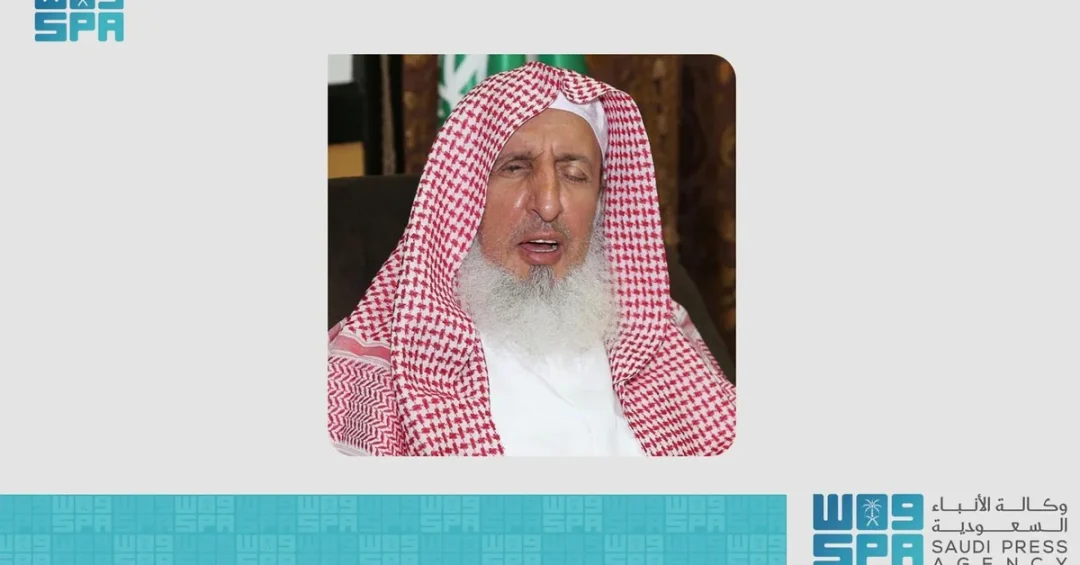
The Grand Mufti of the Kingdom of Saudi Arabia, Sheikh Abdulaziz bin Abdullah bin Mohammed Al Al-Sheikh, extended his congratulations on the advent of the holy month of Ramadan to Custodian of the Two Holy Mosques King Salman bin Abdulaziz Al Saud, His Royal Highness Prince Mohammed bin Salman bin Abdulaziz Al Saud, Crown Prince and Prime Minister, and to citizens of the Kingdom and the global Muslim community, in a message released through the Saudi Press Agency on February 28, 2025. The message, issued in his capacity as Chairman of the Council of Senior Scholars and Chairman of the Permanent Committee for Scientific Research and Ifta, framed the arrival of Ramadan as a profound divine blessing and called on Muslims everywhere to observe the month with sincere devotion, gratitude, and renewed commitment to their faith.
Is there any occasion more universally anticipated across the Islamic world than the first sighting of the Ramadan crescent? The Grand Mufti’s annual greeting carries particular weight in the Kingdom, home to the Two Holy Mosques in Makkah and Madinah, where millions of worshippers gather each year for Umrah and where the rhythm of daily life shifts to accommodate fasting, prayer, and charitable giving. His message arrived as Saudi Arabia and Muslim communities worldwide prepared for a month defined by spiritual discipline, family unity, and generosity toward those in need, underscoring the Kingdom’s central role in the global observance of Islam’s holiest season.
Context and Background
What gives the Grand Mufti’s Ramadan message its distinctive authority? Sheikh Abdulaziz bin Abdullah bin Mohammed Al Al-Sheikh holds one of the most senior religious positions in the Islamic world. As Grand Mufti, he leads the Council of Senior Scholars, the Kingdom’s highest body for religious scholarship and guidance, and chairs the Permanent Committee for Scientific Research and Ifta, which issues religious rulings and provides authoritative guidance on matters of Islamic law. His statements are therefore closely followed not only within Saudi Arabia but by Muslim communities and institutions across the globe.
The tradition of extending Ramadan greetings through official channels reflects a long-established practice in the Kingdom, where religious leadership and state institutions work in coordination to support the spiritual life of the Muslim Ummah. The message was distributed via the Saudi Press Agency, the Kingdom’s official news authority, ensuring that it reached audiences both domestically and internationally in a timely and accurate manner. This alignment between religious scholarship and official communication channels is a hallmark of how Saudi Arabia fulfills its custodial responsibilities toward Islam’s holiest sites.
Ramadan, the ninth month of the Islamic lunar calendar, is observed by Muslims worldwide through fasting from dawn to sunset, increased prayer, recitation of the Quran, and acts of charity. Its arrival is determined by the sighting of the crescent moon, a process that in Saudi Arabia is overseen by official committees and announced through state channels. The Kingdom’s role in confirming the start of the month often guides observance in many other countries, further highlighting the significance of the Grand Mufti’s message at this time of year.
Key Details of the Grand Mufti’s Message
How did the Grand Mufti frame the spiritual opportunity that Ramadan represents? In his message, he implored Allah Almighty to render the month a period of goodness, blessings, glory, and empowerment, and to grant its return to the Islamic Ummah in a state of security, faith, stability, and prosperity. He emphasized that the attainment of Ramadan is a profound divine blessing that necessitates sincere gratitude, describing the month as a season of devoted obedience, a period of multiplied rewards, and a propitious opportunity to renew one’s covenant with the Almighty through genuine repentance and a steadfast return to His path.
The message explicitly addressed Custodian of the Two Holy Mosques King Salman bin Abdulaziz Al Saud and His Royal Highness Prince Mohammed bin Salman bin Abdulaziz Al Saud, Crown Prince and Prime Minister, extending congratulations to the Kingdom’s leadership alongside citizens and the global Muslim community. This dual address reflects the integrated nature of religious and civic life in Saudi Arabia, where the leadership’s commitment to serving Islam and Muslims is consistently emphasized. The Grand Mufti’s words also served as a call to action for believers to approach the month with seriousness and sincerity.
His characterization of Ramadan as a time of multiplied rewards draws on well-established Islamic teachings that emphasize the heightened spiritual value of good deeds performed during the month. By urging genuine repentance and a return to the path of the Almighty, the Grand Mufti highlighted the month’s transformative potential for individuals seeking to strengthen their faith. The message did not include specific policy announcements or directives, remaining focused on spiritual guidance and goodwill, consistent with the traditional role of the Kingdom’s religious leadership during major Islamic occasions.
International and Regional Impact
Why does a Ramadan message from Riyadh resonate far beyond the Kingdom’s borders? Saudi Arabia is home to the Two Holy Mosques, and its religious institutions carry significant influence across the Muslim world. When the Grand Mufti speaks, his words are reported by international media and circulated among Islamic organizations, scholars, and communities from Southeast Asia to West Africa and beyond. The timing of the message, released just before the expected start of Ramadan, ensured that it reached audiences as they prepared for the month’s spiritual and practical demands.
Across the region, governments and religious authorities often look to Saudi Arabia for guidance on the start of Ramadan and the conduct of its observances. The Kingdom’s official confirmation of the crescent sighting is frequently followed by announcements in neighboring Gulf states and other countries. This year, the Grand Mufti’s message reinforced the sense of shared purpose among Muslims worldwide, emphasizing unity, security, and prosperity for the Ummah. His prayer for stability and faith carried particular resonance in a world where many communities face economic and social challenges.
The message also highlighted the Kingdom’s ongoing efforts to facilitate worship for pilgrims. Each year, Saudi Arabia welcomes millions of Umrah performers during Ramadan, implementing comprehensive plans to ensure their safety and comfort. These efforts, overseen by relevant government agencies, reflect the leadership’s commitment to serving the guests of God. The Grand Mufti’s greeting thus formed part of a broader national effort to support the spiritual needs of Muslims during the holiest month of the year.
Economic and Strategic Significance
What does Ramadan mean for Saudi Arabia’s economy and society? The holy month brings a distinct rhythm to economic activity in the Kingdom, with increased consumer spending on food, gifts, and charitable donations, alongside adjustments to working hours in both the public and private sectors. Shopping centers, restaurants, and markets experience heightened activity, particularly in the evenings, while charitable organizations report a surge in donations as Muslims fulfill their obligation of Zakat and Sadaqah. This annual cycle contributes to economic vitality while reinforcing social solidarity.
Strategically, Ramadan serves as a period of intensified diplomatic and cultural engagement for Saudi Arabia. The Kingdom often hosts religious programs, Quran competitions, and iftar gatherings that bring together officials, scholars, and community members. These activities align with the broader objectives of Vision 2030, which seeks to strengthen the Kingdom’s role as a global hub for Islamic heritage and culture. By facilitating worship and promoting moderate religious discourse, Saudi Arabia reinforces its position as a leader in the Islamic world, a role that carries both spiritual and geopolitical significance.
The month also provides an opportunity for the Kingdom to showcase its modernization and hospitality. Under Vision 2030, Saudi Arabia has invested heavily in expanding the capacity of the Two Holy Mosques and improving services for pilgrims. Ramadan represents a peak period for these efforts, with authorities deploying advanced technology and logistical planning to manage crowds and ensure a seamless experience. The Grand Mufti’s message, while spiritual in nature, dovetails with these national priorities by encouraging a focus on worship and community welfare.
Vision 2030 Alignment
How does the observance of Ramadan connect to Saudi Arabia’s long-term vision for the future? Vision 2030, the Kingdom’s comprehensive reform strategy led by His Royal Highness Prince Mohammed bin Salman bin Abdulaziz Al Saud, Crown Prince and Prime Minister, aims to diversify the economy, enhance quality of life, and strengthen Saudi Arabia’s global standing. The spiritual values emphasized during Ramadan—gratitude, generosity, discipline, and compassion—resonate with the vision’s social objectives, which include fostering a vibrant society and promoting moderate, tolerant Islam.
The Grand Mufti’s message, with its call for devotion and renewal, reflects the Kingdom’s commitment to preserving its religious heritage while embracing progress. As Saudi Arabia continues to develop as a global destination for pilgrims and a center for Islamic scholarship, the guidance of its religious leadership remains integral to the national project. By extending greetings to the global Muslim community, the Grand Mufti reinforced the Kingdom’s role as a unifying force, one that bridges tradition and modernity in service of the Ummah. His words set a tone of hope and purpose for the month ahead, aligning with Vision 2030’s ambition to build a prosperous and spiritually grounded future for all.
20 Questions
Q1. Who is the Grand Mufti of Saudi Arabia?
A1. Sheikh Abdulaziz bin Abdullah bin Mohammed Al Al-Sheikh is the Grand Mufti of the Kingdom of Saudi Arabia, Chairman of the Council of Senior Scholars, and Chairman of the Permanent Committee for Scientific Research and Ifta.
Q2. What did the Grand Mufti do on February 28, 2025?
A2. He extended congratulations on the advent of Ramadan to King Salman, Crown Prince Mohammed bin Salman, Saudi citizens, and the global Muslim community through the Saudi Press Agency.
Q3. When was the Grand Mufti’s Ramadan message released?
A3. The message was released on February 28, 2025, as reported by the Saudi Press Agency, ahead of the expected start of the holy month of Ramadan.
Q4. Whom did the Grand Mufti congratulate in his message?
A4. He congratulated Custodian of the Two Holy Mosques King Salman bin Abdulaziz Al Saud, Crown Prince and Prime Minister Mohammed bin Salman, Saudi citizens, and Muslims worldwide.
Q5. How did the Grand Mufti describe Ramadan?
A5. He described Ramadan as a season of devoted obedience, a period of multiplied rewards, and an opportunity to renew one’s covenant with Allah through genuine repentance.
Q6. What did the Grand Mufti pray for regarding Ramadan?
A6. He implored Allah to render the month a period of goodness, blessings, glory, and empowerment, and to grant its return to the Islamic Ummah in security, faith, stability, and prosperity.
Q7. Why is the Grand Mufti’s message significant globally?
A7. Saudi Arabia is home to the Two Holy Mosques, and its religious leadership carries influence across the Muslim world, making the Grand Mufti’s guidance widely followed by Islamic communities.
Q8. What is the Council of Senior Scholars?
A8. The Council of Senior Scholars is Saudi Arabia’s highest religious body, responsible for providing authoritative guidance on Islamic matters and advising on religious issues of national importance.
Q9. What is the Permanent Committee for Scientific Research and Ifta?
A9. It is the Saudi body that issues religious rulings, known as fatwas, and provides scholarly guidance on matters of Islamic law and practice.
Q10. How does Saudi Arabia determine the start of Ramadan?
A10. The start of Ramadan is determined by the sighting of the crescent moon, overseen by official committees and announced through state channels in the Kingdom.
Q11. What role does the Saudi Press Agency play?
A11. The Saudi Press Agency is the Kingdom’s official news authority, responsible for distributing accurate and timely information about official statements and national developments.
Q12. What are common Ramadan practices among Muslims?
A12. Muslims observe Ramadan by fasting from dawn to sunset, performing increased prayers, reciting the Quran, giving charity, and engaging in acts of kindness and community service.
Q13. How does Ramadan affect daily life in Saudi Arabia?
A13. Ramadan brings adjusted working hours, increased evening activity in markets and restaurants, and a strong focus on family gatherings, prayer, and charitable giving across the Kingdom.
Q14. What economic impact does Ramadan have in Saudi Arabia?
A14. Ramadan boosts consumer spending on food, gifts, and charitable donations, while also driving activity in retail, hospitality, and religious tourism sectors.
Q15. How does Saudi Arabia facilitate Umrah during Ramadan?
A15. Saudi authorities implement comprehensive plans to manage crowds, provide services, and ensure the safety and comfort of millions of Umrah performers visiting the Two Holy Mosques.
Q16. What is the significance of the Two Holy Mosques?
A16. The Two Holy Mosques in Makkah and Madinah are Islam’s holiest sites, and Saudi Arabia’s custodianship of them is a central element of its national identity and global role.
Q17. How does Ramadan align with Vision 2030?
A17. Ramadan’s values of gratitude, generosity, and discipline align with Vision 2030’s goals of fostering a vibrant society and promoting moderate, tolerant Islam.
Q18. What message did the Grand Mufti convey about gratitude?
A18. He emphasized that attaining Ramadan is a profound divine blessing that requires sincere gratitude to Allah, encouraging Muslims to appreciate and make the most of the holy month.
Q19. How do other countries respond to Saudi Arabia’s Ramadan announcements?
A19. Many countries and Islamic authorities look to Saudi Arabia’s official crescent sighting confirmation to guide their own announcements regarding the start and end of Ramadan.
Q20. What is the overall tone of the Grand Mufti’s message?
A20. The message is positive, spiritual, and forward-looking, focusing on blessings, unity, and renewal, while extending goodwill to the leadership and the global Muslim community.
Reader Feedback
We value your thoughts. Please share your feedback on this article.
Your feedback helps us improve our coverage.
Related articles
 SFD Delivers 330 Housing Units in Tunisia
 KSrelief, WHO Expand Cholera Response in Yemen with $2M
 Madinah Bus Launches Ramadan Shuttle to Prophet’s Mosque, Quba
 Grand Mosque’s Advanced Cooling System Ensures Visitor Comfort
 Ministry of Islamic Affairs Opens Religious Attaché Building in Tanzania
 Custodian of the Two Holy Mosques Program Guests Perform Friday Prayer at Prophet’s Mosque