


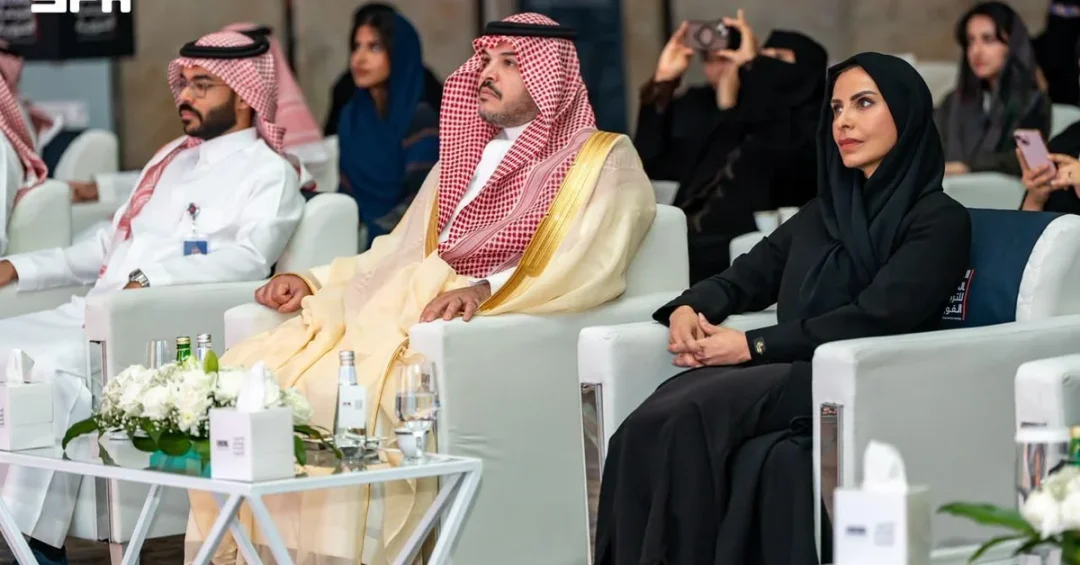
The Literature, Publishing and Translation Commission concluded its intensive interpreting training program during a closing ceremony held in Riyadh, honoring participants who completed a six-month course designed to prepare Saudi professionals for major international forums and diplomatic settings. The ceremony was attended by the commission’s CEO, Dr. Abdullatif Al-Wasel, along with a number of experts, intellectuals, and representatives of cultural organizations, according to the Saudi Press Agency. The program represents a significant step in the Kingdom’s efforts to localize advanced professional skills within the translation sector and to strengthen its capacity to communicate effectively on the world stage.
Why does a six-month interpreting program in Riyadh matter far beyond the walls of a single training hall? Because in an era when Saudi Arabia is hosting global summits, chairing international dialogues, and welcoming millions of visitors, the ability to interpret diplomatic speeches and complex texts with precision has become a strategic asset. The program was designed to develop the capabilities of national professionals specializing in translation and to prepare them to perform effectively at major international forums and diplomatic settings. It delivered specialized, intensive training focused on equipping participants with advanced linguistic skills in conference interpreting techniques, practical applications, and realistic simulations of conference environments.
Context and Background
What does it take to build a world-class interpreting corps from within the Kingdom? The Literature, Publishing and Translation Commission, an entity operating under the umbrella of the Saudi Ministry of Culture, has been steadily expanding its role in developing the cultural and creative sectors. The commission’s mandate includes supporting authors, publishers, translators, and literary professionals, and this interpreting program forms part of a broader effort to elevate the standards of the translation profession in Saudi Arabia. The six-month duration reflects a serious commitment to depth over speed, allowing participants to absorb advanced techniques rather than merely skim the surface.
The program included practical applications and realistic simulations of conference environments, enabling participants to professionally handle diplomatic speeches and complex texts. It also trained them to use the latest technologies and artificial intelligence-powered systems to ensure the highest levels of readiness and professional accuracy. This combination of human skill and technological fluency is increasingly important in a world where conferences, negotiations, and cultural exchanges demand rapid, accurate, and culturally sensitive interpretation. The commission’s approach recognizes that modern interpreting is not only about vocabulary but also about composure, context, and the ability to convey nuance under pressure.
How does this fit into the Kingdom’s wider cultural strategy? Saudi Arabia has invested heavily in cultural infrastructure, from museums and festivals to publishing initiatives and translation grants. The translation sector, in particular, serves as a bridge between Arabic-language thought and global audiences. By training interpreters who can operate effectively in diplomatic and international settings, the commission is helping to ensure that Saudi voices are heard clearly and accurately in multilateral forums. The program also supports the goal of localizing advanced professional skills, reducing reliance on external expertise over time and building a sustainable talent pipeline within the country.
Key Details
What exactly did the participants learn during those six months? The curriculum focused on conference interpreting techniques, which include simultaneous and consecutive interpreting, note-taking, active listening, and rapid terminology management. Participants practiced with realistic simulations of conference environments, meaning they faced scenarios that mirrored the pace and pressure of actual international gatherings. They worked with diplomatic speeches and complex texts, honing their ability to render meaning faithfully while preserving tone and intent. The training also emphasized the use of artificial intelligence-powered systems, which can assist with terminology databases, real-time transcription, and quality assurance.
The closing ceremony in Riyadh brought together not only the participants and the commission’s leadership but also experts, intellectuals, and representatives of cultural organizations. This mix of attendees underscores the collaborative nature of the initiative. The presence of Dr. Abdullatif Al-Wasel, the commission’s CEO, signaled institutional commitment at the highest level. Honoring the participants was not merely a ceremonial gesture; it was a public acknowledgment that these professionals are now part of a strategic national capability. The event also provided a networking opportunity, connecting graduates with potential employers and collaborators in the cultural and diplomatic spheres.
How will these graduates be deployed? While specific placements were not detailed in the official announcement, the program’s stated aim was to prepare participants for major international forums and diplomatic settings. This suggests that graduates could be called upon to support Saudi delegations at conferences, bilateral meetings, cultural exchanges, and multilateral events hosted in the Kingdom or abroad. Their training in AI-powered systems also positions them to work with modern conference technology, which is increasingly standard at high-level gatherings. The commission’s investment in their skills is expected to yield returns in the form of smoother communication and stronger international relationships.
International and Regional Impact
Why should international observers pay attention to a training program in Riyadh? Because interpretation is the invisible infrastructure of diplomacy. When a Saudi minister speaks at a global summit, the message must cross language barriers without distortion. Well-trained interpreters ensure that nuanced positions on trade, energy, climate, and culture are conveyed accurately. As Saudi Arabia plays a larger role in regional mediation and global economic discussions, the demand for high-quality Arabic-English and Arabic-other language interpretation grows. The commission’s program helps meet that demand with professionals who understand both the linguistic and the diplomatic context.
The regional impact is also significant. Across the Middle East, there is a shortage of conference interpreters who are fully prepared for the rigors of international diplomacy. By building this capacity in Riyadh, Saudi Arabia is positioning itself as a hub for professional language services. This could attract international organizations to host events in the Kingdom, knowing that interpretation support is available at a high standard. It also strengthens cultural diplomacy, as translated literature, media, and dialogue depend on skilled interpreters and translators. The program thus contributes to a broader ecosystem of cross-cultural communication that benefits the entire region.
Economic and Strategic Significance
What is the economic value of a strong translation and interpreting sector? The global language services market is worth billions of dollars annually, and it continues to grow as businesses and governments operate across borders. By developing local talent, Saudi Arabia can capture a share of this market and reduce the outflow of fees to foreign providers. More importantly, a skilled interpreting corps supports the Kingdom’s economic diversification agenda by enabling smoother international business negotiations, investment discussions, and technology transfers. When Saudi professionals can interpret for themselves, they bring local context and cultural fluency that external providers may lack.
Strategically, the program aligns with the Kingdom’s goal of enhancing its soft power. Interpretation is not just a technical service; it is a form of cultural representation. An interpreter who can convey the spirit of a Saudi initiative to a foreign audience becomes an ambassador of sorts. The commission’s emphasis on diplomatic settings suggests an awareness that Saudi Arabia’s global image is shaped in part by how its messages are delivered. By investing in this capability, the Kingdom is strengthening its ability to participate in global conversations on its own terms, with clarity and confidence.
Vision 2030 Alignment
How does this program connect to Saudi Vision 2030? Vision 2030 aims to diversify the economy, develop human capital, and strengthen Saudi Arabia’s global engagement. The interpreting training program directly supports these objectives by building a skilled workforce in a specialized field, creating career pathways for national professionals, and enhancing the Kingdom’s capacity to host and participate in international events. The Literature, Publishing and Translation Commission’s work is part of the broader cultural transformation under Vision 2030, which seeks to make Saudi Arabia a vibrant hub for arts, literature, and knowledge exchange.
The program also reflects the Vision’s emphasis on localizing advanced skills. Rather than depending indefinitely on foreign expertise, the Kingdom is investing in its own people, giving them the tools to compete at the highest levels. This approach creates sustainable capacity that will serve Saudi Arabia for decades. As more international forums, expos, and cultural events take place in the Kingdom, the graduates of this program will be ready to ensure that every word is understood. In doing so, they contribute to a future where Saudi Arabia is not only a participant in global dialogue but a leader in facilitating it.
20 Questions
Q1. What was the purpose of the intensive interpreting training program?
A1. The program was designed to develop the capabilities of national professionals specializing in translation and prepare them to perform effectively at major international forums and diplomatic settings, according to the Literature, Publishing and Translation Commission.
Q2. Who attended the closing ceremony in Riyadh?
A2. The ceremony was attended by the commission’s CEO, Dr. Abdullatif Al-Wasel, along with a number of experts, intellectuals, and representatives of cultural organizations, as reported by the Saudi Press Agency.
Q3. How long did the training program last?
A3. The program lasted for six months, providing specialized and intensive training focused on equipping participants with advanced linguistic skills in conference interpreting techniques.
Q4. What specific skills did participants learn?
A4. Participants learned conference interpreting techniques, practical applications, realistic simulations of conference environments, and the use of artificial intelligence-powered systems for accuracy and readiness.
Q5. What is the significance of using AI in interpreting training?
A5. Training with AI-powered systems ensures participants are familiar with modern tools that support terminology management, real-time transcription, and quality assurance, enhancing professional accuracy.
Q6. Which government body organized the program?
A6. The program was organized by the Literature, Publishing and Translation Commission, an entity under the Saudi Ministry of Culture that supports the cultural and creative sectors.
Q7. Why is interpreting important for Saudi diplomacy?
A7. Interpreting ensures that Saudi positions on trade, energy, climate, and culture are conveyed accurately across language barriers during international forums and diplomatic meetings.
Q8. How does the program help localize professional skills?
A8. By training Saudi nationals to high standards, the program reduces reliance on external experts and builds a sustainable domestic talent pipeline for translation and interpreting.
Q9. What types of texts were used in the training?
A9. Participants practiced with diplomatic speeches and complex texts, simulating the kind of material they would encounter in real conference and diplomatic settings.
Q10. How does this initiative support Vision 2030?
A10. It supports Vision 2030 by developing human capital, creating career pathways, enhancing global engagement, and strengthening the cultural sector as part of economic diversification.
Q11. Will the graduates work internationally?
A11. The program aimed to prepare participants for major international forums and diplomatic settings, suggesting graduates may support Saudi delegations at conferences and bilateral meetings.
Q12. What was the role of Dr. Abdullatif Al-Wasel?
A12. As CEO of the Literature, Publishing and Translation Commission, Dr. Al-Wasel attended the closing ceremony and honored the participants, demonstrating institutional commitment to the program.
Q13. How does this program benefit the regional translation sector?
A13. It helps address a shortage of conference interpreters in the Middle East and positions Saudi Arabia as a hub for professional language services, benefiting cross-cultural communication.
Q14. What economic value does a strong interpreting sector bring?
A14. It allows Saudi Arabia to capture a share of the global language services market, supports business negotiations, and reduces fees paid to foreign providers.
Q15. What is the connection between translation and cultural diplomacy?
A15. Skilled interpreters and translators enable accurate exchange of literature, media, and dialogue, helping Saudi Arabia share its culture and perspectives with global audiences.
Q16. How does the program reflect Saudi Arabia’s soft power goals?
A16. By training interpreters who can convey Saudi initiatives clearly, the program enhances the Kingdom’s ability to participate in global conversations and shape its international image.
Q17. What technology was highlighted in the training?
A17. The program trained participants to use the latest technologies and artificial intelligence-powered systems to ensure the highest levels of readiness and professional accuracy.
Q18. How many participants completed the program?
A18. The official announcement did not specify the exact number of participants, but it confirmed that those who completed the program were honored during the closing ceremony.
Q19. What is the Literature, Publishing and Translation Commission’s broader mission?
A19. The commission supports authors, publishers, translators, and literary professionals, and works to elevate the standards of the translation profession within Saudi Arabia’s cultural sector.
Q20. What does this program mean for Saudi Arabia’s future global role?
A20. It strengthens the Kingdom’s capacity to host and participate in international events, ensuring Saudi voices are heard accurately and contributing to its leadership in global dialogue.
Reader Feedback
We value your thoughts. Please share your feedback on this article.
Your feedback helps us improve our coverage.
Related articles
 Black Gold Museum Showcases Oil’s Role in Civilization
 History of Madinah’s Well of the Ring: A Prophet’s Legacy
 Saudi Post Honors Cultural Legacy of the Postman
 Madinah Dates Season Celebrates Palm Tree Heritage Through Art and Interactive Experiences
 Saudi Cultural Sector Exceeds 2025 Goals with Landmark Achievements
 King Abdulaziz Library Restores 10,800+ Heritage Items