


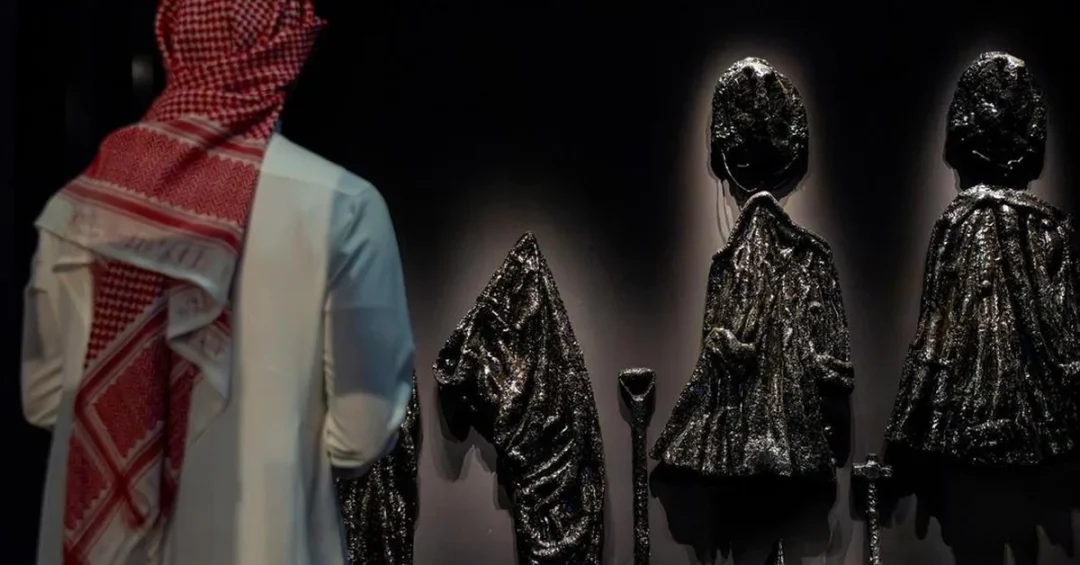
The Black Gold Museum in Riyadh is welcoming visitors this season with an immersive cultural experience presented as part of the Saudi Summer 2026 program, offering a contemporary artistic lens on the story of oil and its role in shaping civilizations, societies, and global transformations. Announced through official Saudi channels, the museum invites audiences to explore the relationship between energy, human progress, and cultural identity through more than 350 modern and contemporary artworks. Have you ever considered how a single natural resource could reshape the course of entire nations and the daily lives of their people?
The museum experience is the result of a partnership between the Ministry of Culture, represented by the Museums Commission, and the energy sector, represented by the King Abdullah Petroleum Studies and Research Center (KAPSARC). It was established under the Ministry of Culture’s specialized museums initiative, with support from the Quality of Life Program, one of the realization programs of Saudi Vision 2030. Located within the KAPSARC complex in Riyadh, the museum forms part of broader efforts to advance the Kingdom’s museum sector, enrich its cultural landscape, and provide educational experiences that preserve heritage, promote cultural dialogue, support artistic creativity, and attract internationally significant artworks and artistic practices.
Context and Background
Why does a museum devoted to oil matter in an era when the world is discussing energy transition and diversification? The Black Gold Museum answers that question by treating oil not merely as a commodity but as a cultural force whose influence reaches into art, architecture, migration, urban development, and the everyday rhythms of modern life. Rather than presenting a conventional industrial narrative, the museum uses contemporary art to explore the human, cultural, and social dimensions of oil across the decades, allowing visitors to consider how energy has shaped societies far beyond the boundaries of the petroleum industry itself.
The museum is housed in an iconic building designed by the late world-renowned architect Zaha Hadid, whose visionary approach to form and space has left a lasting mark on global architecture. Its interior spaces are designed to create a seamless museum experience that guides visitors through interconnected artistic and narrative galleries. This architectural setting reinforces Riyadh’s position as a destination where culture, tourism, and knowledge converge, and it reflects the Kingdom’s wider ambition to develop cultural infrastructure that meets international standards while remaining rooted in Saudi identity and heritage.
The establishment of the museum under the Ministry of Culture’s specialized museums initiative signals a deliberate strategy to build institutions that serve both educational and cultural purposes. By partnering with KAPSARC, the project bridges the worlds of energy research and artistic expression, creating a space where scientific understanding and creative interpretation coexist. This collaborative model reflects a broader trend in Saudi cultural policy, in which museums are conceived as dynamic platforms for dialogue rather than static repositories of objects.
A Collection Spanning Continents and Generations
What can visitors expect to encounter within the museum’s galleries? The permanent collection features more than 350 modern and contemporary artworks created by over 170 Saudi and international artists from more than 30 countries. This diversity of voices ensures that the story of oil is told from multiple perspectives, encompassing the experiences of producing nations, consuming societies, and the individuals whose lives have been transformed by the energy age. The collection includes large-scale installations, photography, historical documents, audiovisual displays, and multimedia exhibits, each medium contributing a distinct layer to the overarching narrative.
The inclusion of Saudi artists alongside their international counterparts highlights the Kingdom’s growing role as a cultural hub and its commitment to fostering artistic creativity at home while engaging with global artistic movements. Visitors moving through the interconnected galleries encounter works that invite reflection on themes such as labor, migration, modernization, and the relationship between natural resources and national development. The museum’s curatorial approach emphasizes storytelling, ensuring that each artwork contributes to a coherent and engaging journey through the history and implications of oil.
The presence of historical documents and audiovisual materials adds documentary depth to the artistic experience, allowing audiences to connect abstract concepts with concrete events and human stories. By combining contemporary art with archival material, the museum creates a layered experience that rewards curiosity and encourages repeat visits. This integrated approach reflects the Museums Commission’s broader objective of developing exhibitions that are both intellectually rigorous and accessible to a wide range of visitors, including families, students, researchers, and international tourists.
International and Regional Impact
How does a museum in Riyadh contribute to global conversations about energy and culture? By presenting oil through an artistic and humanistic lens, the Black Gold Museum positions Saudi Arabia as a participant in international debates about the relationship between resources, development, and cultural identity. International visitors encountering the museum during Saudi Summer 2026 gain insight into how the Kingdom understands its own history and how it seeks to communicate that history to the world. The museum thus functions as a cultural diplomacy tool, fostering mutual understanding and highlighting the Kingdom’s openness to global artistic exchange.
Regionally, the museum adds a significant new destination to Riyadh’s cultural landscape, complementing other institutions and initiatives that are transforming the city into a year-round hub for arts and tourism. The Saudi Summer 2026 program, of which the museum experience is a part, is designed to attract visitors from across the region and beyond, offering diverse activities that showcase the Kingdom’s cultural richness. By integrating the museum into this seasonal program, the organizers ensure that cultural tourism benefits from the broader promotional and logistical support that such initiatives provide.
The museum also contributes to the development of a regional museum sector by setting high standards for curation, design, and audience engagement. Its partnership model, bringing together a cultural ministry, a research center, and a national quality-of-life program, offers a template that other institutions may study and adapt. This collaborative approach strengthens the ecosystem of cultural institutions in the Kingdom and enhances the capacity of Saudi professionals in fields such as curation, conservation, education, and museum management.
Economic and Strategic Significance
What economic value does a cultural institution of this kind generate? Beyond its artistic and educational mission, the Black Gold Museum supports the growth of the cultural and creative industries, a sector identified in Saudi Vision 2030 as a source of employment, entrepreneurship, and economic diversification. Museums attract visitors who spend on hospitality, retail, and transportation, contributing to the local economy and creating opportunities for small and medium-sized enterprises. The museum’s location within the KAPSARC complex also encourages synergies between cultural tourism and knowledge-based activities, reinforcing Riyadh’s profile as a center for research and innovation.
Strategically, the museum embodies the Kingdom’s commitment to preserving and interpreting its heritage while embracing modernization. By presenting the story of oil in a nuanced and artistic manner, it acknowledges the resource’s historical importance while situating it within a broader narrative of human achievement and aspiration. This balanced approach aligns with Vision 2030’s emphasis on diversifying the economy, empowering citizens, and enhancing the quality of life for residents and visitors alike. The museum’s educational programs, though not detailed in the official announcement, are expected to complement its exhibitions by offering learning opportunities for schools, universities, and lifelong learners.
Vision 2030 Alignment
How does the Black Gold Museum connect to the long-term ambitions of Saudi Vision 2030? The museum is supported by the Quality of Life Program, one of the Vision 2030 realization programs, which aims to enhance the living standards of citizens and residents by expanding cultural and recreational opportunities. By providing a world-class cultural experience, the museum contributes directly to this objective, enriching the Kingdom’s social fabric and offering a venue where families, young people, and international guests can engage with art and ideas. It also supports the Vision’s goal of increasing the contribution of cultural activities to the national economy and promoting Saudi Arabia as a destination for cultural tourism.
Furthermore, the museum reflects the Vision’s emphasis on international engagement and cultural exchange. By showcasing works by artists from more than 30 countries alongside Saudi creators, it demonstrates the Kingdom’s openness to global influences and its willingness to participate in the international art world. This engagement is consistent with the Vision’s broader aim of positioning Saudi Arabia as a leader in regional and global affairs, not only in economic and political terms but also in the cultural sphere. As visitors experience the museum during Saudi Summer 2026, they encounter a nation that honors its heritage while embracing the future, using art to tell a story that resonates across borders and generations.
20 Questions
Q1. What is the Black Gold Museum?
A1. The Black Gold Museum is a cultural institution in Riyadh that explores the story of oil through contemporary art, highlighting its role in shaping civilizations, societies, and global transformations over the decades. It is part of the Saudi Summer 2026 program.
Q2. Where is the Black Gold Museum located?
A2. The museum is located within the King Abdullah Petroleum Studies and Research Center (KAPSARC) complex in Riyadh, Saudi Arabia, in a building designed by the late architect Zaha Hadid.
Q3. Who established the Black Gold Museum?
A3. It was established through a partnership between the Ministry of Culture, represented by the Museums Commission, and the energy sector, represented by KAPSARC, under the Ministry of Culture’s specialized museums initiative.
Q4. What is the Saudi Summer 2026 program?
A4. Saudi Summer 2026 is a seasonal initiative that offers a range of cultural and recreational experiences across the Kingdom, designed to attract visitors and enrich the cultural landscape during the summer months.
Q5. What can visitors see at the museum?
A5. Visitors can see more than 350 modern and contemporary artworks by over 170 Saudi and international artists from more than 30 countries, including installations, photography, historical documents, audiovisual displays, and multimedia exhibits.
Q6. What themes does the museum explore?
A6. The museum explores the human, cultural, and social dimensions of oil, examining how it has shaped civilizations, societies, and global transformations, as well as themes such as labor, migration, and modernization.
Q7. Who designed the museum building?
A7. The iconic building was designed by the late world-renowned architect Zaha Hadid, whose visionary approach to form and space has left a lasting mark on global architecture.
Q8. What is KAPSARC?
A8. KAPSARC is the King Abdullah Petroleum Studies and Research Center, a leading energy research institution in Riyadh that partnered with the Ministry of Culture to establish the Black Gold Museum.
Q9. What is the Museums Commission?
A9. The Museums Commission is a body under the Saudi Ministry of Culture responsible for developing and promoting the museum sector in the Kingdom, including specialized museums such as the Black Gold Museum.
Q10. How does the museum support Vision 2030?
A10. The museum supports Vision 2030 through the Quality of Life Program, enhancing cultural opportunities, promoting cultural tourism, and contributing to economic diversification and international cultural exchange.
Q11. Is the museum suitable for international visitors?
A11. Yes, the museum is designed for a broad audience, including international tourists, and features works by artists from more than 30 countries, offering a globally relevant perspective on the history and impact of oil.
Q12. What types of artworks are in the collection?
A12. The collection includes large-scale installations, photography, historical documents, audiovisual displays, and multimedia exhibits, all exploring the cultural and social dimensions of oil across the decades.
Q13. How many artists are represented in the museum?
A13. The permanent collection features works by over 170 Saudi and international artists from more than 30 countries, ensuring a diversity of perspectives on the story of oil.
Q14. What is the educational value of the museum?
A14. The museum provides educational experiences that preserve heritage, promote cultural dialogue, and support artistic creativity, offering learning opportunities for students, researchers, and the general public.
Q15. Does the museum host temporary exhibitions?
A15. The official announcement focuses on the permanent collection and the immersive experience offered during Saudi Summer 2026, but the museum’s design and mission suggest it is well suited to host temporary exhibitions in the future.
Q16. How does the museum contribute to Riyadh’s cultural scene?
A16. It reinforces Riyadh’s position as a destination where culture, tourism, and knowledge converge, adding a significant new institution to the city’s growing portfolio of museums and cultural venues.
Q17. What is the significance of the museum’s name?
A17. The name ‘Black Gold’ refers to oil, symbolizing its historical role as a transformative resource, while the museum’s artistic approach emphasizes its cultural and human impact rather than its purely economic value.
Q18. Are there plans to expand the museum’s collection?
A18. The museum’s establishment under the specialized museums initiative suggests ongoing development, and its partnership with international artists indicates a commitment to growing and enriching its collection over time.
Q19. How can visitors plan a trip to the museum?
A19. Visitors can find information through official Saudi tourism and culture channels, including the Saudi Summer 2026 program, which provides details on opening hours, tickets, and related cultural activities in Riyadh.
Q20. What makes the Black Gold Museum unique?
A20. Its unique combination of contemporary art, historical documentation, and architectural significance, housed in a Zaha Hadid-designed building, offers an immersive and human-centered exploration of oil’s role in shaping the modern world.
Reader Feedback
We value your thoughts. Please share your feedback on this article.
Your feedback helps us improve our coverage.
Related articles
 History of Madinah’s Well of the Ring: A Prophet’s Legacy
 Saudi Post Honors Cultural Legacy of the Postman
 Madinah Dates Season Celebrates Palm Tree Heritage Through Art and Interactive Experiences
 Saudi Cultural Sector Exceeds 2025 Goals with Landmark Achievements
 King Abdulaziz Library Restores 10,800+ Heritage Items
 Tuwaiq Sculpture 2025 Concludes with Global Artistic Showcase