


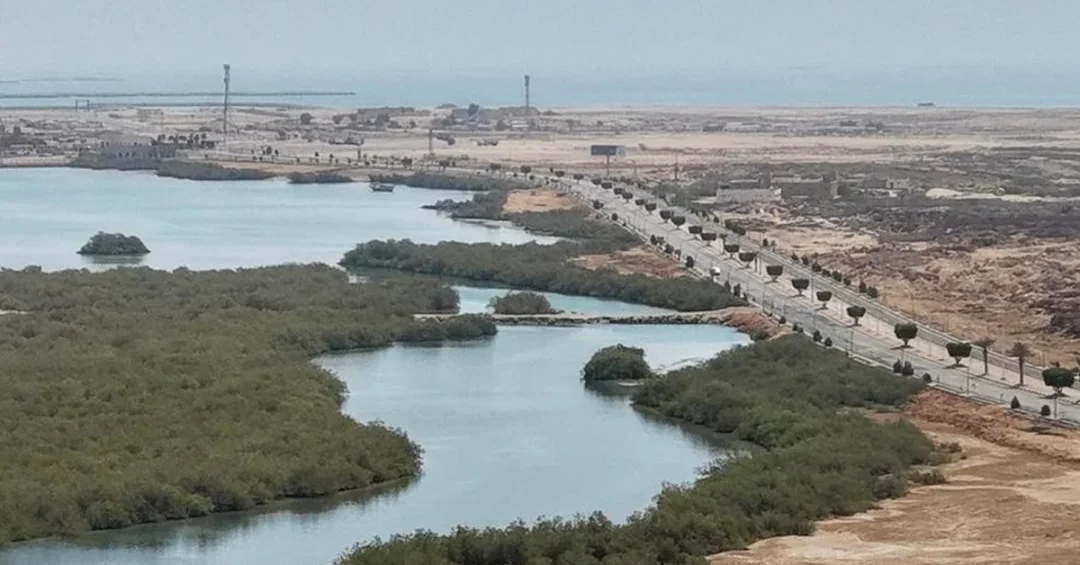
More than 23 million mangrove trees have been planted along the Jazan coastline under Saudi Arabia’s National Afforestation Program, a milestone announced by the Saudi Press Agency on the International Day for the Conservation of the Mangrove Ecosystem, observed annually on July 26. The figure represents one of the largest single-region mangrove restoration efforts in the Kingdom and reflects a sustained national push to expand vegetation cover, protect coastal ecosystems, and preserve biodiversity along the Red Sea shore. The announcement, carried by the Kingdom’s official news authority, places Jazan at the center of Saudi Arabia’s broader environmental agenda and its commitments under Vision 2030.
Mangrove forests are among the most productive ecosystems on Earth, functioning as natural barriers against coastal erosion, nurseries for marine life, and highly efficient carbon sinks. Along the Jazan coast, these forests support fisheries, shield communities from storm surges, and sustain habitats for a wide range of species. The scale of the planting effort — exceeding 23 million trees — signals that mangrove restoration is no longer a peripheral environmental project but a core component of the Kingdom’s strategy for coastal sustainability and climate resilience. For international observers, the development offers a clear example of how Saudi Arabia is translating environmental pledges into measurable action on the ground.
Context and Background
Why has Saudi Arabia placed such emphasis on mangrove restoration in its southern coastal region? The answer lies in the unique geography and ecological value of Jazan, a province bordering the Red Sea with extensive tidal flats, estuaries, and sheltered bays ideally suited to mangrove growth. The National Afforestation Program, a flagship initiative under the Saudi Green Initiative, has identified mangroves as a priority because they deliver multiple benefits simultaneously: they sequester carbon at rates far exceeding most terrestrial forests, stabilize shorelines, and create breeding grounds that sustain commercial and artisanal fisheries.
The International Day for the Conservation of the Mangrove Ecosystem, proclaimed by UNESCO and observed each July 26, provides an annual moment to assess progress. Saudi Arabia’s observance of the day through the announcement of the 23 million tree milestone underscores the Kingdom’s participation in global conservation frameworks, including the Ramsar Convention on Wetlands and the Convention on Biological Diversity. The Jazan program is implemented in coordination with environmental agencies and local authorities, with technical oversight intended to ensure that planted seedlings survive and mature into functioning forest.
Historically, mangrove coverage in the Kingdom faced pressures from coastal development, grazing, and changing water flows. The current restoration drive reverses that trend by combining protected-area management with active replanting. Saudi Arabia’s commitment to planting millions of trees across the Kingdom — both terrestrial and coastal — is anchored in the Saudi Green Initiative and the Middle East Green Initiative, which together aim to plant billions of trees regionally and reduce carbon emissions. Jazan’s mangrove forests are a visible, measurable expression of those commitments.
Key Details of the Jazan Mangrove Initiative
What does the planting of more than 23 million mangrove trees actually involve? The effort spans multiple species of mangrove adapted to the Red Sea’s high salinity and warm waters, including Avicennia marina, commonly known as the grey mangrove. Planting is carried out in designated zones where hydrological conditions support natural regeneration, and where local communities and fisheries benefit from the restored habitat. The National Afforestation Program works with specialized environmental teams to monitor seedling survival, measure growth rates, and protect young trees from grazing and debris.
The program also contributes to biodiversity conservation. Mangrove roots create sheltered nursery habitat for fish, shrimp, and crabs, supporting the livelihoods of fishing communities along the Jazan coast. Birds, including migratory species, use the forests as resting and feeding grounds. By restoring these habitats, Saudi Arabia strengthens the ecological integrity of the southern Red Sea, an area of global importance for marine biodiversity and coral reef ecosystems.
Beyond the ecological dimension, the initiative carries economic weight. Healthy fisheries depend on healthy nurseries, and coastal protection reduces the long-term costs of erosion and flood damage. The Kingdom’s approach integrates environmental restoration with sustainable development, ensuring that natural resources are preserved for future generations while supporting present-day economic activity in fisheries, tourism, and related sectors. Official Saudi channels have emphasized that these efforts align with national initiatives to expand vegetation cover and enhance ecosystem resilience.
International and Regional Impact
How does a national mangrove program in Jazan resonate beyond Saudi Arabia’s borders? Mangroves are a global conservation priority because they store carbon, buffer coastlines, and support biodiversity, yet they are among the world’s most threatened ecosystems. Saudi Arabia’s large-scale restoration contributes directly to regional and international climate goals, including the Middle East Green Initiative’s objective to plant 50 billion trees across the region and the global goal of restoring degraded ecosystems under the UN Decade on Ecosystem Restoration.
For Red Sea nations, the Jazan program offers a replicable model. Sharing technical expertise on mangrove propagation, site selection, and community engagement can accelerate restoration across the region. Saudi Arabia has increasingly positioned itself as a leader in environmental diplomacy, hosting international forums and funding conservation research. The 23 million tree milestone strengthens the Kingdom’s credibility in these discussions, demonstrating that commitments are being met with concrete results rather than remaining aspirational targets.
The program also reinforces the Kingdom’s role in protecting the Red Sea’s unique marine environment, which is home to coral reefs and species found nowhere else. By investing in coastal ecosystems, Saudi Arabia supports the broader goal of sustainable ocean management and contributes to global efforts to mitigate climate change. International partners, including UNESCO and environmental organizations, have recognized mangrove conservation as a cost-effective climate solution, and Saudi Arabia’s progress adds momentum to that consensus.
Economic and Strategic Significance
Why should economists and policymakers take note of mangrove restoration? Coastal ecosystems provide services valued in the billions of dollars globally — from fisheries production to storm protection and carbon storage. In Jazan, restored mangroves support the local fishing industry, which is a source of employment and food security. The forests also enhance the region’s attractiveness for eco-tourism, a growing segment of Saudi Arabia’s tourism strategy under Vision 2030, which aims to diversify the economy and create jobs.
Strategically, the program demonstrates Saudi Arabia’s integrated approach to sustainability. Mangrove restoration complements other environmental initiatives, including renewable energy projects, water conservation, and wildlife protection. It also aligns with the Kingdom’s commitments under the Paris Agreement and its national climate goals. By investing in natural capital, Saudi Arabia reduces environmental risks while building long-term economic resilience, a principle at the heart of Vision 2030’s sustainability pillar.
Moreover, the Jazan initiative supports the development of scientific and technical capacity within the Kingdom. Saudi researchers and environmental specialists are gaining expertise in mangrove ecology, remote sensing, and restoration monitoring, skills that can be applied to other ecosystems. This knowledge base strengthens the Kingdom’s ability to manage its natural resources and contributes to the global scientific community’s understanding of coastal restoration in arid environments.
Vision 2030 Alignment
How does planting 23 million mangrove trees connect to Saudi Arabia’s long-term vision? Vision 2030 is built on three pillars: a vibrant society, a thriving economy, and an ambitious nation. Environmental sustainability runs through all three. The Saudi Green Initiative, launched in 2021, aims to plant 10 billion trees across the Kingdom, reduce carbon emissions by 278 million tons annually, and protect 30 percent of land and sea areas by 2030. The Jazan mangrove program is a direct contribution to these targets, showing how local action advances national goals.
As Saudi Arabia continues to expand its environmental programs, the Jazan coastline stands as a testament to what sustained investment and political will can achieve. The Kingdom’s leadership has consistently emphasized that economic development and environmental stewardship go hand in hand. By restoring mangrove forests, Saudi Arabia protects its coastal communities, enhances biodiversity, and reinforces its position as a responsible global actor. The 23 million trees planted in Jazan are not just a number — they represent a living infrastructure that will serve generations to come, embodying the forward-looking spirit of Vision 2030 and the Kingdom’s commitment to a sustainable future.
20 Questions
Q1. What is the significance of the 23 million mangrove trees planted in Jazan?
A1. The 23 million mangrove trees represent a major milestone in Saudi Arabia’s National Afforestation Program, strengthening coastal protection, biodiversity, and carbon sequestration along the Jazan coastline. This effort underscores the Kingdom’s commitment to environmental sustainability and aligns with the goals of the Saudi Green Initiative.
Q2. Why are mangroves important for coastal ecosystems?
A2. Mangroves stabilize shorelines, reduce erosion from waves and storms, and provide critical nursery habitats for fish, shrimp, and other marine species. They also sequester carbon at high rates, helping mitigate climate change while supporting local fisheries and biodiversity.
Q3. Which Saudi program is responsible for planting these mangroves?
A3. The National Afforestation Program, a key initiative under the Saudi Green Initiative, oversees the planting and conservation of mangroves in Jazan. It works in coordination with environmental agencies and local authorities to ensure the survival and growth of the trees.
Q4. When is the International Day for the Conservation of the Mangrove Ecosystem observed?
A4. It is observed annually on July 26, as proclaimed by UNESCO. The day raises awareness about the importance of mangrove ecosystems and promotes their conservation and sustainable management worldwide, including in Saudi Arabia.
Q5. How do mangroves contribute to combating climate change?
A5. Mangroves absorb and store large amounts of carbon dioxide, known as blue carbon, in their biomass and soils. This makes them highly effective carbon sinks, helping reduce greenhouse gas concentrations and supporting global climate mitigation efforts.
Q6. What role does Jazan play in Saudi Arabia’s environmental strategy?
A6. Jazan’s extensive coastline and suitable tidal conditions make it ideal for mangrove restoration. The region serves as a model for coastal sustainability, contributing to national goals for vegetation cover, biodiversity, and ecosystem resilience under Vision 2030.
Q7. How do local communities benefit from mangrove restoration?
A7. Local fishing communities benefit from healthier fish stocks that depend on mangrove nurseries. Mangroves also protect coastal villages from storm surges and erosion, and they create opportunities for eco-tourism and related economic activities in the region.
Q8. What types of mangrove species are planted in Jazan?
A8. The primary species planted is Avicennia marina, also known as the grey mangrove, which is well adapted to the Red Sea’s high salinity and warm temperatures. Other native species may also be used depending on local conditions.
Q9. How does mangrove restoration support biodiversity?
A9. Mangrove forests provide habitat for a wide range of species, including fish, crustaceans, birds, and insects. They serve as breeding grounds and feeding areas, enhancing the overall biodiversity of coastal and marine ecosystems in the Red Sea region.
Q10. What is the Saudi Green Initiative?
A10. The Saudi Green Initiative is a national strategy launched in 2021 to combat climate change, improve environmental quality, and protect natural resources. It includes ambitious targets for tree planting, emissions reduction, and land and sea protection.
Q11. How does the Jazan mangrove project align with Vision 2030?
A11. Vision 2030 emphasizes sustainability and economic diversification. The mangrove project supports these goals by protecting natural capital, supporting fisheries and tourism, and contributing to environmental targets that enhance the Kingdom’s long-term prosperity and global standing.
Q12. Are there economic benefits from mangrove conservation?
A12. Yes. Mangroves support commercial and artisanal fisheries, protect coastal infrastructure from storm damage, and attract eco-tourism. These benefits contribute to local economies and help diversify income sources in line with Vision 2030’s economic goals.
Q13. How does Saudi Arabia monitor the success of mangrove planting?
A13. Environmental teams use field surveys, satellite imagery, and remote sensing to track seedling survival, growth rates, and forest coverage. This data informs adaptive management and ensures that restoration efforts achieve their intended ecological and economic outcomes.
Q14. What threats do mangroves face globally?
A14. Mangroves are threatened by coastal development, aquaculture expansion, pollution, and climate change. Saudi Arabia’s restoration efforts aim to reverse these trends by protecting existing forests and planting new trees in suitable coastal areas.
Q15. How does the Middle East Green Initiative relate to Jazan’s mangroves?
A15. The Middle East Green Initiative aims to plant 50 billion trees across the region. Saudi Arabia’s Jazan mangrove project contributes to this regional goal, demonstrating the Kingdom’s leadership in environmental restoration and climate action.
Q16. Can mangroves help protect against rising sea levels?
A16. Mangroves act as natural buffers, absorbing wave energy and trapping sediment, which can help stabilize coastlines. While they cannot fully prevent sea-level rise, they reduce erosion and flood risks, providing valuable protection for coastal communities.
Q17. What is the role of UNESCO in mangrove conservation?
A17. UNESCO promotes mangrove conservation through its International Day for the Conservation of the Mangrove Ecosystem and various scientific programs. It supports countries in sustainable management and raises global awareness of the ecological importance of mangroves.
Q18. How can other countries learn from Saudi Arabia’s mangrove program?
A18. Other countries can adopt similar approaches, including site selection based on hydrological conditions, community engagement, and scientific monitoring. Saudi Arabia’s experience shows that large-scale restoration is achievable with political will and technical expertise.
Q19. What is the long-term goal of Saudi Arabia’s afforestation efforts?
A19. The long-term goal is to plant 10 billion trees across the Kingdom by 2030, enhance carbon sequestration, combat desertification, and protect biodiversity. Mangrove restoration in Jazan is a key component of this broader national strategy.
Q20. How can the public support mangrove conservation?
A20. The public can support conservation by participating in awareness campaigns, respecting protected coastal areas, and supporting sustainable tourism. Volunteering with environmental organizations and promoting responsible fishing practices also helps protect mangrove ecosystems for future generations.
Reader Feedback
We value your thoughts. Please share your feedback on this article.
Your feedback helps us improve our coverage.
Related articles
 Qatari Minister Receives Saudi Ambassador in Doha
 Saudi Arabia Leads New ISO Committee on Wound Dressings
 Rabigh’s Mangroves: Protecting Coasts and Blue Carbon
 Islamic Affairs Minister Launches ‘New Muslim’ Card on Tawakkalna
 Border Guard Highlights Mangrove Conservation in Madinah
 Environmental Security Forces Mark International Day for the Conservation of Mangroves in Madinah