


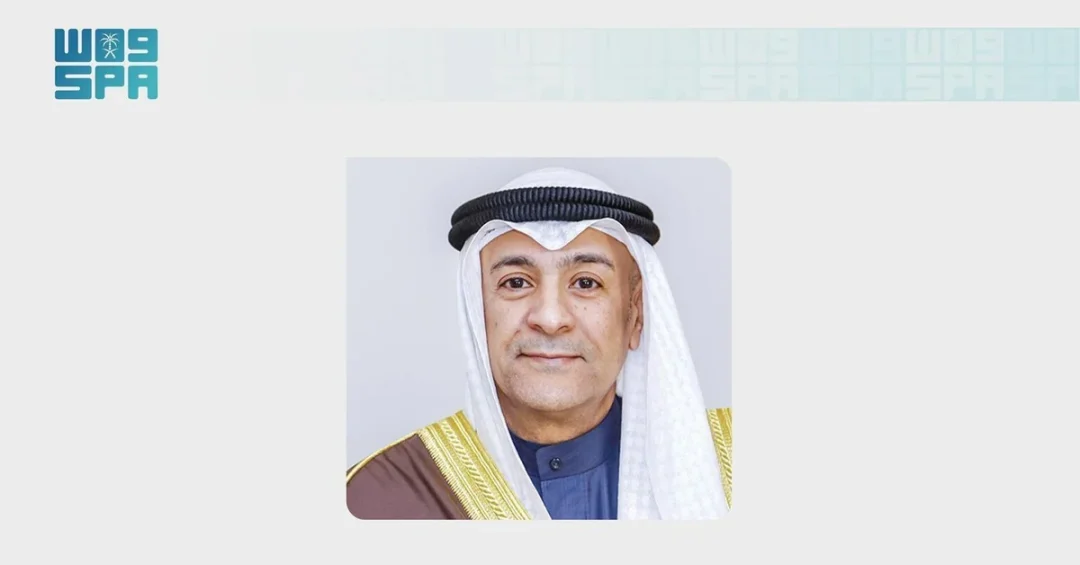
Secretary-General of the Gulf Cooperation Council (GCC) Jasem Albudaiwi condemned in the strongest terms the burning of a mosque in Kur Village in Tulkarm Governorate by settlers who also scrawled racist slogans on its walls, describing the attack as a treacherous assault on places of worship and Islamic holy sites. The condemnation, carried by the Saudi Press Agency (SPA) on July 26, 2026, framed the incident as a flagrant violation of international law and international humanitarian law, and as a provocation to the feelings of Muslims worldwide. The GCC chief’s statement placed the attack within what he described as an ongoing series of violations targeting the Palestinian people and their holy sites, and it held the Israeli occupation forces fully responsible for the crime and for the repeated attacks that have accompanied it.
Why does a single attack on a village mosque resonate so powerfully across the Gulf and the wider Islamic world? Because the targeting of a place of worship strikes at the heart of religious freedom, a principle that Saudi Arabia and its Gulf partners have consistently defended in international forums. The statement from Riyadh, where the GCC Secretariat is headquartered, was issued in the official tone that has come to characterize the Council’s positions on regional stability: firm in principle, grounded in international legitimacy, and focused on the protection of civilians and sacred sites. It also reflected the broader diplomatic posture of the Kingdom, which has repeatedly emphasized that respect for holy places is a cornerstone of any durable peace.
Context and Background
What exactly happened in Kur Village, and why did the GCC respond so quickly? According to the SPA report, settlers burned a mosque in Kur Village in the Tulkarm Governorate and scrawled racist slogans on its walls. The GCC Secretary-General characterized the act as a “treacherous attack targeting places of worship and Islamic holy sites,” language that underscores the gravity with which the Council views any assault on religious sanctuaries. The statement did not stand alone; it was framed as part of a documented pattern of violations and attacks against the Palestinian people and their holy sites, a pattern that Gulf officials have raised repeatedly in international settings.
The Gulf Cooperation Council, established in 1981 and comprising Saudi Arabia, the United Arab Emirates, Kuwait, Qatar, Bahrain, and Oman, has long maintained a unified position on the Palestinian cause. Its charter and successive summit declarations have affirmed support for a two-state solution and for the establishment of an independent Palestinian state on the 1967 borders with East Jerusalem as its capital. The Secretariat in Riyadh functions as the administrative and diplomatic hub for these collective positions, and its Secretary-General is routinely tasked with articulating the Council’s stance on developments affecting regional security and Islamic sanctities.
For the Kingdom of Saudi Arabia, the attack is not a distant event. Saudi Arabia has consistently used its diplomatic weight to advocate for the protection of religious sites and for accountability under international law. The condemnation by the GCC Secretary-General therefore aligns with a broader Saudi-led effort to ensure that violations against holy places are treated as matters of international concern rather than isolated incidents. This approach reflects the Kingdom’s view that regional stability depends on respect for the rights and sanctities of all peoples.
Key Details of the GCC Statement
What did the GCC Secretary-General actually say, and what specific actions did he demand? Albudaiwi held the Israeli occupation forces fully responsible for the crime and for the accompanying repeated attacks, which he attributed to policies that protect and turn a blind eye to settler assaults. In his words, such policies “encourage impunity and a lack of accountability, leading to a dangerous escalation that threatens security and stability in the region.” That formulation places responsibility not only on the immediate perpetrators but on the authorities whose duty it is to prevent such attacks and bring those responsible to justice.
The Secretary-General further stressed that targeting and attacking places of worship represent a blatant violation of the sanctity of holy places and a dangerous transgression of all human values and international conventions that guarantee the protection of religious sites and safeguard the freedom of worship. This point is central to the Gulf position: the protection of mosques, churches, and synagogues is not a matter of political preference but a binding obligation under international humanitarian law. By framing the attack in these terms, Albudaiwi elevated the issue from a local incident to a question of universal principle.
Albudaiwi called on the international community, the Security Council, and human rights and humanitarian organizations to assume their legal and moral responsibilities and act urgently to halt these grave violations, hold the perpetrators accountable, and provide international protection for the Palestinian people and their holy sites. He warned that “continued international silence regarding these crimes encourages their repetition and undermines opportunities for achieving security and peace in the region.” The statement concluded by reiterating the GCC’s firm stance supporting the Palestinian people and the establishment of their independent state on the 1967 borders, with East Jerusalem as its capital, in accordance with resolutions of international legitimacy and the Arab Peace Initiative.
International and Regional Impact
How will the international community respond to this appeal, and what does the GCC expect from the Security Council? The GCC’s call for urgent action places the issue squarely before the United Nations Security Council, whose members have repeatedly debated the protection of civilians and religious sites in the region. By invoking the responsibilities of human rights and humanitarian organizations, the Secretary-General signaled that the Gulf states expect concrete measures, not merely expressions of concern. The statement’s emphasis on accountability reflects a long-standing Gulf demand that violations be investigated and prosecuted, and that victims receive protection and redress.
Regionally, the condemnation reinforces the unity of the Gulf states on the Palestinian question at a time when the region is navigating complex diplomatic currents. Saudi Arabia and its GCC partners have consistently maintained that a just and lasting peace requires an end to violations, respect for international law, and a negotiated settlement based on the Arab Peace Initiative. The attack on the mosque in Tulkarm Governorate, and the GCC’s swift response, serve as a reminder that the Palestinian issue remains a central and unifying concern for the Gulf, one that cannot be sidelined by other regional developments.
For international audiences, the statement also highlights the GCC’s role as a diplomatic actor that speaks with a single voice on matters of religious and humanitarian concern. The Council’s positions are carefully calibrated to uphold international legitimacy while avoiding escalation, and its appeals are directed at the institutions best positioned to act. This measured approach is consistent with the Gulf’s broader strategy of promoting stability through dialogue, law, and multilateral cooperation.
Economic and Strategic Significance
Why does an attack on a mosque in the West Bank matter to the economic and strategic calculations of the Gulf? Stability is the foundation of the Gulf’s economic model, and any escalation that threatens regional security carries direct implications for trade, investment, and energy markets. The GCC’s warning that impunity leads to “a dangerous escalation that threatens security and stability in the region” is therefore not merely rhetorical; it reflects a clear-eyed assessment of how unresolved conflicts can disrupt the interconnected economies of the Middle East.
Saudi Arabia’s Vision 2030, the Kingdom’s comprehensive plan to diversify its economy and deepen its global engagement, depends on a stable and predictable regional environment. The Kingdom has positioned itself as a hub for investment, tourism, and international diplomacy, and it has consistently argued that peace and respect for international law are prerequisites for prosperity. The GCC’s condemnation of the attack, and its call for accountability, thus aligns with the strategic logic of Vision 2030: a region where holy sites are protected and civilians are safe is a region where economies can grow and partnerships can flourish.
Moreover, the Gulf’s stance on the Palestinian cause has economic dimensions that extend beyond the immediate region. Gulf states have been among the largest providers of humanitarian and development assistance to the Palestinian people, and they have consistently linked their support to the goal of a viable, independent Palestinian state. The attack on the mosque underscores the urgency of addressing the root causes of conflict, and the GCC’s appeal to the international community is intended to mobilize the resources and political will needed to do so.
Vision 2030 Alignment
How does the GCC’s condemnation connect to Saudi Arabia’s Vision 2030 and the Kingdom’s broader global role? Vision 2030 is not only an economic blueprint; it is a statement of Saudi Arabia’s ambition to be a force for stability, moderation, and progress in the region and the world. The Kingdom’s leadership in the GCC, and its consistent advocacy for the protection of holy sites and for international law, reflect the values that underpin the Vision: respect for religion, commitment to justice, and a belief that peace is the foundation of prosperity.
Under Vision 2030, Saudi Arabia has expanded its diplomatic engagement, hosted major international events, and deepened partnerships across continents. Its position on the Palestinian cause remains a constant: support for a two-state solution, for the rights of the Palestinian people, and for the sanctity of Islamic and Christian holy sites. The GCC Secretary-General’s statement is a clear expression of that position, and it reinforces the Kingdom’s role as a responsible global actor that speaks up for the vulnerable and upholds the principles of international legitimacy.
As the region continues to face challenges, the Gulf’s unified voice will remain essential. The attack on the mosque in Kur Village is a reminder that the protection of places of worship is a shared responsibility, and that silence in the face of such violations only invites repetition. By condemning the attack and calling for accountability, the GCC has reaffirmed its commitment to a future in which all people can worship freely and live in security, a future that Saudi Arabia’s Vision 2030 is working to build.
20 Questions
Q1. Who condemned the attack on the mosque in Tulkarm Governorate?
A1. Secretary-General of the Gulf Cooperation Council Jasem Albudaiwi condemned the attack in the strongest terms, according to a statement carried by the Saudi Press Agency on July 26, 2026.
Q2. What exactly happened in Kur Village?
A2. Settlers burned a mosque in Kur Village in the Tulkarm Governorate and scrawled racist slogans on its walls, in what the GCC described as a treacherous attack on places of worship.
Q3. How did the GCC Secretary-General describe the attack?
A3. He described it as a treacherous attack targeting places of worship and Islamic holy sites, constituting a flagrant violation of international law and international humanitarian law, and a provocation to Muslims worldwide.
Q4. Whom did the GCC hold responsible for the attack?
A4. The GCC held the Israeli occupation forces fully responsible for the crime and for the accompanying repeated attacks resulting from policies that protect and turn a blind eye to settler assaults.
Q5. What did the GCC say about the consequences of impunity?
A5. The GCC warned that impunity and a lack of accountability lead to a dangerous escalation that threatens security and stability in the region, and that continued international silence encourages repetition of such crimes.
Q6. What did the Secretary-General say about places of worship?
A6. He stressed that targeting and attacking places of worship is a blatant violation of the sanctity of holy places and a dangerous transgression of all human values and international conventions protecting religious sites.
Q7. What did the GCC call on the international community to do?
A7. The GCC called on the international community, the Security Council, and human rights and humanitarian organizations to act urgently to halt grave violations, hold perpetrators accountable, and provide international protection.
Q8. What is the GCC’s stance on the Palestinian cause?
A8. The GCC reiterated its firm stance supporting the Palestinian people and the establishment of their independent state on the 1967 borders, with East Jerusalem as its capital, in accordance with international legitimacy and the Arab Peace Initiative.
Q9. Which organization issued the condemnation?
A9. The condemnation was issued by the Gulf Cooperation Council, a regional organization comprising Saudi Arabia, the United Arab Emirates, Kuwait, Qatar, Bahrain, and Oman, headquartered in Riyadh.
Q10. Where was the statement reported?
A10. The statement was reported by the Saudi Press Agency, the official news agency of the Kingdom of Saudi Arabia, which published the GCC Secretary-General’s remarks on July 26, 2026.
Q11. Why is the attack considered a violation of international law?
A11. Because international law and international humanitarian law guarantee the protection of religious sites and safeguard freedom of worship, and targeting a mosque violates these universal protections.
Q12. What role does the GCC play in regional diplomacy?
A12. The GCC serves as a unified diplomatic voice for its six member states, articulating collective positions on regional security, international law, and the protection of holy sites and civilians.
Q13. What did the GCC say about international silence?
A13. The GCC warned that continued international silence regarding these crimes encourages their repetition and undermines opportunities for achieving security and peace in the region.
Q14. How does this relate to Saudi Arabia’s Vision 2030?
A14. Vision 2030 emphasizes stability, moderation, and global engagement; the GCC’s condemnation reflects the Kingdom’s commitment to international law, religious freedom, and a peaceful regional environment conducive to prosperity.
Q15. What is the Arab Peace Initiative?
A15. The Arab Peace Initiative is a 2002 proposal endorsed by Arab states, including Saudi Arabia, offering full normalization with Israel in exchange for a Palestinian state on the 1967 borders with East Jerusalem as its capital.
Q16. What does the GCC expect from the Security Council?
A16. The GCC expects the Security Council to assume its legal and moral responsibilities, act urgently to halt violations, hold perpetrators accountable, and provide international protection for the Palestinian people and their holy sites.
Q17. How many member states does the GCC have?
A17. The GCC has six member states: Saudi Arabia, the United Arab Emirates, Kuwait, Qatar, Bahrain, and Oman. The organization was established in 1981.
Q18. Why is the protection of holy sites important to the Gulf states?
A18. The Gulf states view the protection of holy sites as a fundamental religious and humanitarian obligation, essential to regional stability, mutual respect, and the preservation of freedom of worship for all faiths.
Q19. What is the significance of the GCC’s swift response?
A19. The swift response demonstrates Gulf unity on the Palestinian issue and signals that attacks on religious sites are treated as matters of urgent international concern requiring accountability and protection measures.
Q20. What is the overarching message of the GCC statement?
A20. The message is that attacks on places of worship are unacceptable, that perpetrators must be held accountable, and that the international community must act to protect holy sites and advance a just and lasting peace.
Reader Feedback
We value your thoughts. Please share your feedback on this article.
Your feedback helps us improve our coverage.
Related articles
 King Salman Congratulates Maldives President on Independence Day
 Crown Prince Congratulates Maldives President on Independence Day
 King Salman Congratulates Liberia on Independence Day
 Crown Prince Congratulates Liberia on Independence Day
 46 Projects Open for Public Feedback via Istitlaa Platform
 Border Guard Concludes World Drowning Prevention Day Events