


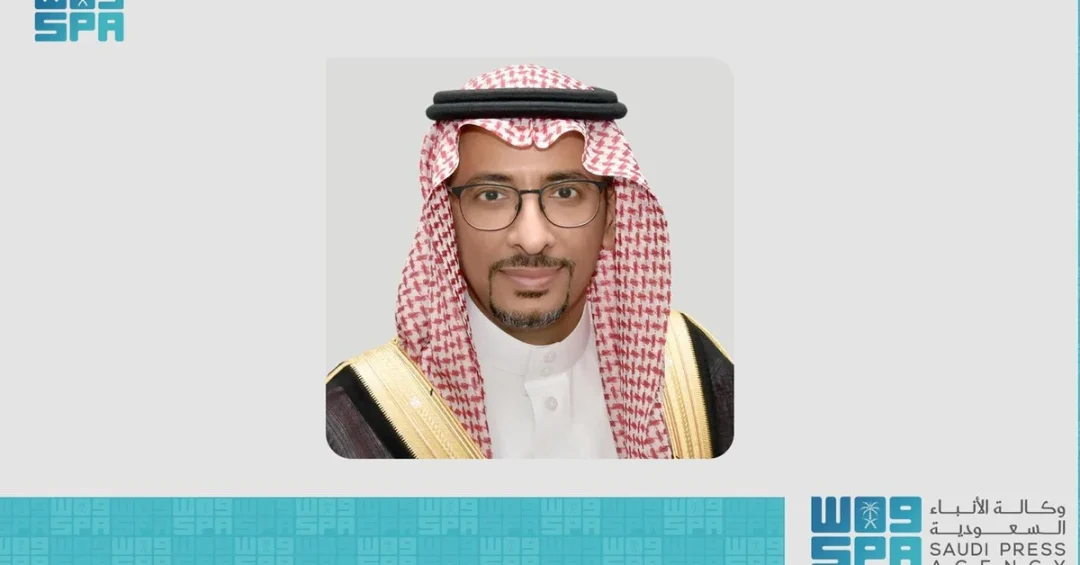
A high-level Saudi delegation led by Minister of Industry and Mineral Resources Bandar Alkhorayef will conduct an official visit to India from February 3 to 6, 2025, aiming to strengthen bilateral ties and attract high-value investments in the industry and mining sectors. The delegation, which includes representatives from the Ministry of Industry and Mineral Resources and the Local Content and Government Procurement Authority, will visit New Delhi and Mumbai to engage with senior Indian government officials and global industry leaders. The visit underscores Saudi Arabia’s commitment to economic diversification under Vision 2030 and its ambition to become a leading industrial powerhouse and a global hub for mining and minerals.
Why does this visit matter now, and what does it signal about the deepening partnership between the Kingdom and India? As the world’s fifth-largest economy and a rapidly growing industrial market, India presents a strategic opportunity for Saudi Arabia to expand its non-oil trade and investment footprint. The delegation’s agenda includes high-level meetings, roundtables, and the signing of agreements and memoranda of understanding (MoUs) designed to foster effective partnerships in key sectors such as mining, pharmaceuticals, automotive, petrochemicals, and chemicals. This visit is a concrete step toward realizing the goals of Saudi Vision 2030, which seeks to diversify the economy and position the Kingdom as a global center for mining and minerals.
Context and Background
What underpins the timing and significance of this official mission? Saudi Arabia and India have long enjoyed robust economic ties, with India being one of the Kingdom’s top trading partners. In recent years, both nations have sought to deepen cooperation beyond energy, exploring opportunities in industry, mining, technology, and infrastructure. The visit by Minister Alkhorayef and his delegation is part of a broader strategy to align Saudi Arabia’s industrial and mineral resources with India’s growing demand for raw materials and advanced manufacturing inputs. It also reflects the Kingdom’s proactive approach to attracting foreign direct investment (FDI) and integrating into global value chains.
The delegation’s itinerary includes visits to New Delhi, India’s political capital, and Mumbai, its commercial hub. In New Delhi, the Saudi team will meet with officials from key Indian ministries, including the Ministry of Coal, the Ministry of Mines, the Ministry of Chemicals and Fertilizers, the Ministry of Steel, the Ministry of Heavy Industries, and the Ministry of Commerce and Industry. Discussions will also be held with the National Institution for Transforming India (NITI Aayog), a premier public policy think tank. These engagements are designed to identify synergies and remove barriers to trade and investment.
In Mumbai, the delegation will participate in a roundtable with major companies in mining, automotive, pharmaceuticals, and petrochemicals, and will conduct field visits to leading Indian firms such as UPL India for chemicals, Tata Electronics, and the Aditya Birla Group for mining. The visit also includes meetings with executives from Bharat Heavy Electricals Limited, Uno Minda for automotive components, Vedanta Group, and Sanmar Group. These interactions are expected to yield tangible outcomes, including joint ventures and technology transfer agreements.
Key Details of the Visit
What specific outcomes can be expected from this four-day mission? The Saudi delegation’s schedule is packed with strategic meetings aimed at fostering partnerships and attracting investment. In New Delhi, the focus will be on policy dialogue and government-to-government cooperation. The meetings with India’s Ministry of Coal and Ministry of Mines are particularly significant, given Saudi Arabia’s vast mineral resources and India’s increasing demand for coal and metals. The discussions with the Ministry of Chemicals and Fertilizers and the Ministry of Steel will explore opportunities for Saudi Arabia to supply raw materials and intermediate goods, while also facilitating technology transfer and capacity building.
The roundtable with India’s top private-sector industry and mining companies will provide a platform for Saudi Arabia to showcase its investment incentives, including those offered by the Local Content and Government Procurement Authority. This authority plays a crucial role in promoting local content and ensuring that government procurement supports economic diversification. By engaging directly with Indian business leaders, the delegation aims to attract high-value investments that align with Vision 2030’s objectives.
In Mumbai, the delegation will meet with executives from some of India’s most dynamic companies. UPL India, a global player in agrochemicals, could collaborate with Saudi Arabia on chemicals and fertilizers. Tata Electronics, part of the Tata Group, is a key player in electronics manufacturing and could support Saudi Arabia’s ambitions in advanced manufacturing. The Aditya Birla Group, with its extensive mining operations, is a natural partner for Saudi Arabia’s mining sector. These meetings are expected to result in MoUs and agreements that will pave the way for long-term collaboration.
International and Regional Impact
How will this visit influence the broader geopolitical and economic landscape? Saudi Arabia’s outreach to India is part of a larger strategy to strengthen ties with Asian economies, which are increasingly important drivers of global growth. By deepening cooperation with India, the Kingdom is diversifying its partnerships and reducing reliance on traditional markets. This aligns with Vision 2030’s goal of expanding non-oil exports and attracting FDI. The visit also reinforces Saudi Arabia’s position as a reliable partner in the global supply chain, particularly for critical minerals and industrial inputs.
Regionally, the visit could have ripple effects across the Middle East and South Asia. Enhanced Saudi-Indian cooperation in mining and industry could lead to joint projects in third countries, leveraging India’s technical expertise and Saudi Arabia’s financial resources. It also complements India’s ‘Make in India’ initiative and its quest for energy security. As both nations work to diversify their economies, their partnership is likely to become a model for South-South cooperation, demonstrating how resource-rich and technology-driven economies can collaborate for mutual benefit.
Economic and Strategic Significance
What does this visit mean for Saudi Arabia’s economic transformation? The Kingdom is actively seeking to attract $100 billion in FDI by 2030, and India is a key source of potential investment. The mining sector, in particular, is a priority under Vision 2030, with the government aiming to increase mining’s contribution to GDP from $17 billion to $64 billion by 2030. Indian companies have expertise in mining, refining, and manufacturing that could help Saudi Arabia unlock its mineral wealth, estimated at $1.3 trillion. The visit also supports the development of downstream industries, such as petrochemicals and automotive, which are essential for job creation and economic diversification.
Strategically, the visit strengthens Saudi Arabia’s position as a bridge between Asia and the Middle East. By partnering with India, the Kingdom can access India’s skilled workforce and technological capabilities, while offering Indian companies access to Saudi Arabia’s strategic location, world-class infrastructure, and business-friendly reforms. The agreements and MoUs expected to be signed during the visit will provide a framework for long-term collaboration, covering areas such as joint ventures, technology transfer, and human capital development. This, in turn, will support the growth of Saudi Arabia’s industrial base and enhance its competitiveness in global markets.
Vision 2030 Alignment
How does this visit advance the objectives of Saudi Vision 2030? Vision 2030 is a comprehensive plan to transform Saudi Arabia’s economy and society, with a strong emphasis on diversification, private sector growth, and international cooperation. The visit to India directly supports several Vision 2030 goals, including the development of the mining and industrial sectors, the attraction of foreign investment, and the expansion of non-oil exports. It also aligns with the National Industrial Development and Logistics Program (NIDLP), which aims to make Saudi Arabia a leading industrial powerhouse and a global logistics hub.
By engaging with Indian government officials and business leaders, the delegation is helping to build the partnerships and networks needed to achieve these ambitions. The focus on local content and government procurement further reinforces the Kingdom’s commitment to maximizing the economic impact of its spending and ensuring that investments contribute to sustainable development. As Saudi Arabia continues to open up and reform its economy, visits like this demonstrate its proactive approach to international engagement and its determination to realize the vision of a diversified, prosperous future. The outcomes of this visit will be closely watched as a barometer of the Kingdom’s progress in becoming a global investment destination and a hub for industry and mining.
20 Questions
Q1. Who is leading the Saudi delegation to India?
A1. The delegation is led by Minister of Industry and Mineral Resources Bandar Alkhorayef. He is accompanied by representatives from the Ministry of Industry and Mineral Resources and the Local Content and Government Procurement Authority.
Q2. When will the Saudi delegation visit India?
A2. The official visit will take place from February 3 to 6, 2025. The delegation will travel to New Delhi and Mumbai during this period.
Q3. What are the main objectives of the visit?
A3. The visit aims to boost bilateral ties, attract high-value investments to Saudi Arabia, and explore joint investment opportunities in the industry and mining sectors.
Q4. Which Indian cities will the delegation visit?
A4. The delegation will visit New Delhi, India’s capital, and Mumbai, the country’s leading commercial hub. Each city offers unique opportunities for engagement.
Q5. Which Indian ministries will the delegation meet?
A5. The delegation will meet with the Ministry of Coal, Ministry of Mines, Ministry of Chemicals and Fertilizers, Ministry of Steel, Ministry of Heavy Industries, and Ministry of Commerce and Industry.
Q6. What is NITI Aayog and why is it important?
A6. NITI Aayog is the National Institution for Transforming India, a premier public policy think tank. Discussions there will focus on policy frameworks to support industrial and mining cooperation.
Q7. Which Indian companies will the delegation meet in New Delhi?
A7. In New Delhi, the delegation will meet with executives from Bharat Heavy Electricals Limited, Uno Minda, Vedanta Group, and Sanmar Group, among others.
Q8. What is the significance of the Mumbai leg of the visit?
A8. Mumbai is India’s commercial capital, hosting major corporations. The delegation will hold a roundtable with companies in mining, automotive, pharmaceuticals, and petrochemicals, and visit firms like UPL India and Tata Electronics.
Q9. What agreements are expected to be signed?
A9. The visit is expected to result in the signing of agreements and memoranda of understanding (MoUs) to foster effective partnerships in industry and mining between Saudi and Indian entities.
Q10. How does this visit align with Saudi Vision 2030?
A10. It supports Vision 2030’s goals of economic diversification, attracting foreign investment, and positioning Saudi Arabia as a global hub for mining and industry.
Q11. What sectors are of primary interest to the Saudi delegation?
A11. The delegation is focused on mining, pharmaceuticals, automotive, petrochemicals, chemicals, and other strategic industrial sectors where India has expertise and Saudi Arabia seeks growth.
Q12. Why is India a key partner for Saudi Arabia?
A12. India is one of Saudi Arabia’s top trading partners and a rapidly growing economy with significant demand for minerals and industrial products, making it a strategic ally for investment and trade.
Q13. What is the role of the Local Content and Government Procurement Authority?
A13. This authority promotes local content and ensures government procurement supports economic diversification. It is part of the delegation to highlight incentives for Indian investors.
Q14. How will this visit benefit the Saudi mining sector?
A14. It can attract Indian investment and expertise to develop Saudi Arabia’s mineral resources, estimated at $1.3 trillion, and help build downstream industries.
Q15. What is the expected impact on Saudi-India trade?
A15. The visit is expected to boost non-oil trade and investment, expanding economic ties beyond energy and aligning with both nations’ diversification goals.
Q16. Will there be opportunities for technology transfer?
A16. Yes, discussions will explore technology transfer and joint ventures, particularly in mining, manufacturing, and chemicals, leveraging India’s technical capabilities.
Q17. How does this visit support Saudi Arabia’s industrial ambitions?
A17. It helps attract high-value investments and partnerships that can accelerate the growth of Saudi Arabia’s industrial base, a key pillar of Vision 2030.
Q18. What is the significance of the roundtable in New Delhi?
A18. The roundtable with India’s top private-sector industry and mining companies provides a platform to showcase Saudi investment opportunities and forge direct business links.
Q19. Which global companies will the delegation meet in Mumbai?
A19. The delegation will meet with UPL India (chemicals), Tata Electronics, Aditya Birla Group (mining), and other globally recognized firms in industry and mining.
Q20. What are the long-term prospects for Saudi-India cooperation?
A20. The visit lays the groundwork for sustained collaboration, with potential for joint projects, increased investment flows, and a strengthened strategic partnership that benefits both nations.
Reader Feedback
We value your thoughts. Please share your feedback on this article.
Your feedback helps us improve our coverage.
Related articles
 Saudi Volunteers Plant 10,000 Mangroves for World Wetlands Day
 Makkah Launches Second Hydrogen Bus Trial
 NCSO Handles 2.6 Million Calls via 911 in January 2025
 Crown Prince Meets Syrian President in Riyadh
 Saudi Arabia to Host Second Human Capability Initiative Conference 2025
 King Salman Offers Condolences to Germany Over Köhler