


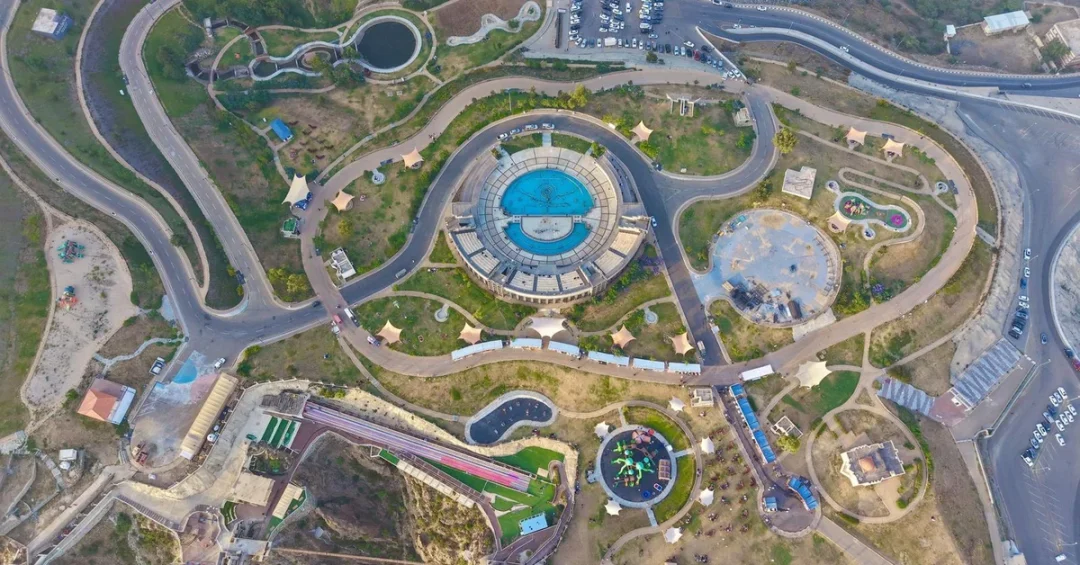
Prince Hussam Park in Al-Baha Region has emerged as one of Saudi Arabia’s most compelling summer destinations, with its suspended glass bridge drawing families and international visitors to the terraces overlooking Al-Baha city and the Tihama sector. The announcement, released through the Saudi Press Agency, highlights a landmark that combines modern engineering with the Kingdom’s dramatic highland geography, offering panoramic views of mountains, valleys, and clouds embracing the highlands. The park’s rising popularity reflects a broader national momentum in domestic and inbound tourism, supported by the Ministry of Tourism and aligned with the ambitions of Saudi Vision 2030.
Why has a single park in the southwestern highlands captured such widespread attention this season? The answer lies in a rare combination of natural setting, family-oriented programming, and a signature attraction that few destinations in the region can match. Al-Baha, long known for its cool summer climate, dense juniper forests, and terraced agricultural heritage, has steadily positioned itself as an alternative to traditional coastal getaways. Prince Hussam Park sits at the center of that positioning, functioning as both a scenic overlook and a community gathering space. For international readers, the development signals how Saudi Arabia is diversifying its tourism map beyond the well-known hubs of Riyadh, Jeddah, and AlUla, bringing new regions into the national and global spotlight.
Context and Background
How did Al-Baha become a focal point for Saudi summer tourism? Located in the southwest of the Kingdom, the region sits at high altitude, where temperatures remain noticeably cooler than in coastal cities during the summer months. This climatic advantage, combined with dramatic topography of mountains, valleys, and the famous Al-Baha Pass, has made it a natural choice for families seeking respite from the heat. Prince Hussam Park occupies a strategic location overlooking Al-Baha city and the Tihama sector, giving visitors sweeping views in multiple directions. Its terraces have become a recognizable image of the region, and the park itself has grown into one of the most prominent open-air tourist destinations in the area.
The park’s development reflects wider investment in public spaces and tourism infrastructure across Saudi Arabia. Under the guidance of the Ministry of Tourism and the Saudi Tourism Authority, regions outside the main metropolitan centers have received increased attention, with improvements to roads, hospitality, and visitor services. Al-Baha’s natural assets, including its cloud-covered highlands and agricultural terraces, fit naturally into this strategy. For many Saudi families, the park has become an annual tradition, while for international visitors it offers an authentic glimpse of the Kingdom’s mountainous interior. The Saudi Press Agency report underscores that the park is not merely a seasonal attraction but a year-round asset for the region’s economy and identity.
The Glass Bridge and Signature Features
What makes the suspended glass bridge so distinctive? Built of solid steel and transparent glass panels, the bridge spans 85 meters and rises more than 40 meters above the ground. Visitors who step onto it experience the sensation of walking across the glass while viewing dense vegetation, mountain slopes, and the famous Al-Baha Pass below. The engineering combines safety with spectacle: the steel framework ensures structural integrity, while the glass panels provide unobstructed views that have made the bridge a magnet for photographers and adventure seekers. For many, it is the defining image of a visit to Al-Baha, and its popularity has helped raise the region’s profile among domestic and international travelers alike.
Beyond the bridge, the park offers a wide range of amenities designed to accommodate large numbers of visitors comfortably. A central plaza features an interactive fountain covering an area of 5,000 square meters, creating a lively focal point for families and children. An open-air theater seating 1,000 people hosts entertainment and artistic shows, interactive programs, and competitions throughout the summer. Dedicated corners allow productive families to showcase and sell their products, linking tourism directly to local livelihoods. Restrooms, buffets, shops, service kiosks, a mosque, and dedicated children’s play areas round out the visitor experience, ensuring that the park functions as a full-day destination rather than a brief stop.
The park’s role as a hub for summer events has been central to its success. Entertainment and artistic shows, interactive programs, and competitions attract families and children, while the open-air theater provides a stage for cultural performances. These activities are designed to appeal to a broad audience, from young children to older visitors, and they help extend visits into the evening hours. The presence of productive family corners adds an economic dimension, allowing local artisans and small businesses to reach new customers. Together, these elements create a vibrant atmosphere that distinguishes Prince Hussam Park from a conventional public garden and positions it as a driver of seasonal tourism in the region.
International and Regional Impact
How does a regional park in Saudi Arabia resonate beyond the Kingdom’s borders? The answer lies in the broader transformation of Saudi tourism. As the Kingdom opens further to international visitors through streamlined visa processes and expanded flight connectivity, destinations like Al-Baha are becoming accessible to a global audience. Travelers from the Gulf Cooperation Council countries, Europe, and Asia are increasingly seeking experiences that combine nature, culture, and modern amenities. Prince Hussam Park offers exactly that combination, with its glass bridge serving as a compelling visual hook. Regional tourism authorities have taken note, and the park’s success story is being shared as an example of how secondary cities and rural regions can attract visitors without compromising their character.
Within Saudi Arabia, the park strengthens Al-Baha’s position as a summer alternative to coastal resorts. Domestic tourism has grown significantly in recent years, supported by government campaigns encouraging citizens and residents to explore the Kingdom. Al-Baha’s cooler climate and scenic landscapes make it particularly attractive during the hottest months, and the park’s facilities ensure that visitors of all ages find something to enjoy. The presence of a mosque, family-friendly areas, and dedicated children’s play zones reflects a thoughtful approach to inclusivity and cultural sensitivity. For regional neighbors, the park demonstrates how investment in public spaces can yield economic and social returns, reinforcing Saudi Arabia’s role as a leader in sustainable tourism development.
Economic and Strategic Significance
What economic value does a destination like Prince Hussam Park generate? Tourism is a key pillar of Saudi Vision 2030, which aims to increase the sector’s contribution to gross domestic product and create new employment opportunities. The park supports this goal by attracting visitors who spend on hospitality, food, retail, and local products. The productive family corners, in particular, provide a direct channel for small-scale entrepreneurs, many of them women, to earn income and gain visibility. Shops, buffets, and service kiosks create jobs for local residents, while the park’s events calendar generates demand for performers, organizers, and support staff. Over time, these activities help build a more diversified local economy that is less dependent on traditional sectors.
Strategically, the park enhances the appeal of Al-Baha as part of a multi-destination itinerary. Visitors might combine a trip to the region with nearby heritage sites, agricultural terraces, and natural reserves, extending their stay and increasing overall spending. Improved road networks and hospitality infrastructure make such itineraries more feasible than ever. The Saudi Press Agency report notes the park’s strategic location overlooking Al-Baha city and the Tihama sector, which allows it to serve as a gateway for exploring the wider region. This integration aligns with national efforts to distribute tourism benefits more evenly across the Kingdom, rather than concentrating them in a few major cities. For investors and planners, the park’s popularity offers a signal that demand exists for high-quality experiences in the highlands.
Vision 2030 Alignment
How does Prince Hussam Park connect to the Kingdom’s long-term vision? Saudi Vision 2030 seeks to diversify the economy, enhance quality of life, and showcase the Kingdom’s cultural and natural heritage to the world. The park advances all three objectives. By attracting domestic and international visitors, it contributes to tourism revenue and job creation. By providing family-friendly entertainment, it supports social well-being and community cohesion. By highlighting Al-Baha’s mountains, valleys, and clouds, it presents a side of Saudi Arabia that many outside the Kingdom have yet to discover. The glass bridge, in particular, symbolizes the blend of modern engineering and natural beauty that defines the Vision 2030 approach to development.
Looking ahead, the continued success of Prince Hussam Park will depend on maintaining high standards of service, safety, and environmental stewardship. The park’s design already reflects respect for the landscape, with terraces that follow the contours of the land and views that celebrate the region’s natural features. As visitor numbers grow, careful management will be essential to preserve the experience that makes the destination special. For Saudi Arabia, the park stands as a reminder that Vision 2030 is not only about megaprojects but also about enriching everyday life and opening new corners of the Kingdom to the world. International audiences watching the Kingdom’s transformation will find in Al-Baha a compelling example of how heritage, nature, and modernity can thrive together.
20 Questions
Q1. What is Prince Hussam Park?
A1. Prince Hussam Park is a prominent open-air tourist destination in Al-Baha Region, Saudi Arabia, known for its terraces, panoramic views, and family-oriented facilities. It overlooks Al-Baha city and the Tihama sector, offering visitors a mix of natural scenery and modern amenities.
Q2. Where is Prince Hussam Park located?
A2. The park is located in Al-Baha Region in southwestern Saudi Arabia. Its strategic position overlooks Al-Baha city and the Tihama sector, providing views of mountains, valleys, and clouds that embrace the highlands during summer.
Q3. What is the glass bridge at Prince Hussam Park?
A3. The glass bridge is a suspended structure built of solid steel and transparent glass panels. It spans 85 meters and rises more than 40 meters above the ground, allowing visitors to walk across glass while viewing the landscape below.
Q4. How long is the glass bridge?
A4. The glass bridge spans 85 meters. This length allows visitors to enjoy an extended walk across the transparent panels while taking in panoramic views of dense vegetation, mountain slopes, and the famous Al-Baha Pass.
Q5. How high is the glass bridge above the ground?
A5. The bridge rises more than 40 meters above the ground. This height creates a dramatic perspective for visitors, who can look down through the glass panels at the terrain and vegetation beneath the structure.
Q6. What can visitors see from the glass bridge?
A6. Visitors can see dense vegetation, mountain slopes, and the famous Al-Baha Pass below. The bridge also offers panoramic views of Al-Baha city, the Tihama sector, and the clouds that often embrace the highlands.
Q7. What other facilities does the park offer?
A7. The park features a central plaza with an interactive fountain covering 5,000 square meters, an open-air theater seating 1,000 people, restrooms, buffets, shops, service kiosks, a mosque, and dedicated children’s play areas.
Q8. What events take place at the park?
A8. The park hosts entertainment and artistic shows, interactive programs, and competitions. These activities are designed to attract families and children, and they contribute to the park’s reputation as a hub for summer events in Al-Baha.
Q9. What is the role of productive families at the park?
A9. Dedicated corners allow productive families to showcase and sell their products. This initiative supports local entrepreneurs, many of them women, by providing direct access to visitors and helping to diversify household incomes in the region.
Q10. Why is Al-Baha popular in summer?
A10. Al-Baha is popular in summer because of its high altitude and cooler climate compared to coastal cities. Its mountains, valleys, and cloud-covered highlands offer a refreshing escape and scenic beauty for families and travelers.
Q11. How does the park support Vision 2030?
A11. The park supports Vision 2030 by boosting tourism, creating jobs, and enhancing quality of life. It attracts domestic and international visitors, generates revenue for local businesses, and showcases Saudi Arabia’s natural and cultural heritage.
Q12. Who announced the park’s popularity?
A12. The Saudi Press Agency reported on the park’s rising popularity. Official Saudi channels regularly highlight tourism developments as part of the Kingdom’s efforts to promote domestic and international travel.
Q13. Is the park suitable for children?
A13. Yes. The park includes dedicated children’s play areas and hosts entertainment and interactive programs designed for young visitors. Families can enjoy a full day of activities in a safe and welcoming environment.
Q14. What is the interactive fountain?
A14. The interactive fountain is a central feature covering an area of 5,000 square meters. It serves as a focal point for visitors, offering visual and sensory engagement, particularly during evening hours when the park is most active.
Q15. How large is the open-air theater?
A15. The open-air theater seats 1,000 people. It hosts artistic shows, performances, and competitions, making it a key venue for cultural and entertainment programming during the summer season in Al-Baha.
Q16. Does the park have a mosque?
A16. Yes, the park includes a mosque among its facilities. This reflects the Kingdom’s commitment to providing inclusive public spaces that respect religious and cultural needs while serving diverse visitors throughout the day.
Q17. What economic benefits does the park bring?
A17. The park creates jobs in hospitality, retail, and events, and supports local businesses through shops, buffets, and service kiosks. It also generates income for productive families who sell their products on-site.
Q18. How does the park fit into Saudi tourism strategy?
A18. The park fits into Saudi tourism strategy by diversifying destinations beyond major cities. It attracts visitors to Al-Baha, supports regional development, and aligns with Vision 2030 goals to increase tourism’s contribution to the economy.
Q19. Can international visitors access the park?
A19. Yes. Saudi Arabia has expanded visa access and flight connectivity, making regions like Al-Baha more accessible to international visitors. The park welcomes guests from around the world seeking unique natural and cultural experiences.
Q20. What makes Prince Hussam Park unique?
A20. Its combination of a suspended glass bridge, panoramic highland views, family-friendly facilities, and cultural events makes it unique. It blends modern engineering with natural beauty, offering an experience found nowhere else in the region.
Reader Feedback
We value your thoughts. Please share your feedback on this article.
Your feedback helps us improve our coverage.
Related articles
 Hail Blankets Aseer Highlands, Drawing Visitors
 Al-Wajh Skies Dazzle Stargazing and Night Photography Enthusiasts
 Jeddah Waterfront Project Reconnects Sea with Heritage
 Madinah Welcomes Umrah Visitors After Hajj Season
 AlUla’s Six Nature Reserves Drive Biodiversity Protection
 Flamingos and Mangroves: Jazan’s Ecological Partnership