


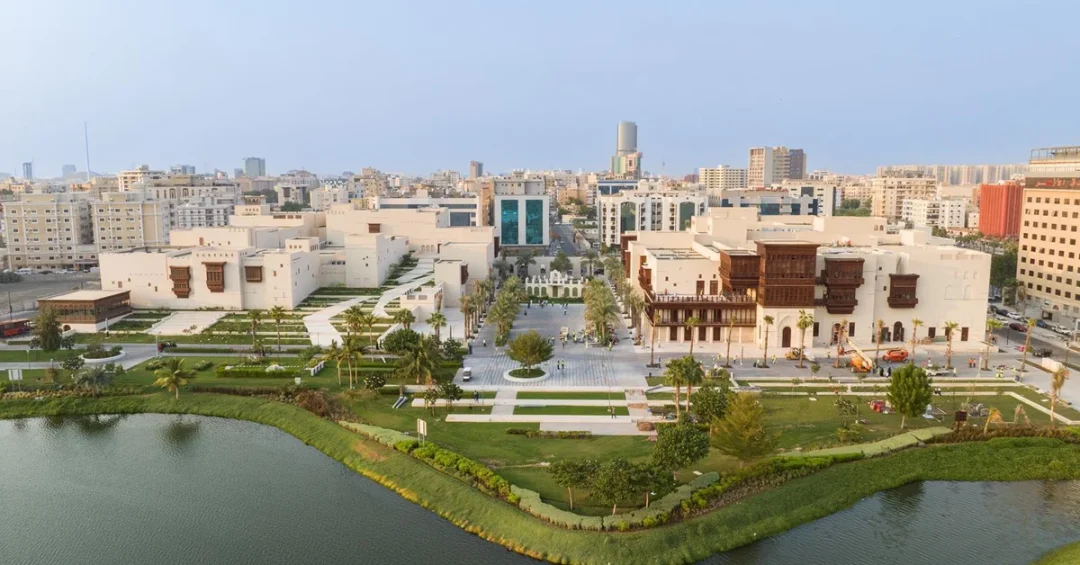
The waterfront rehabilitation project in Jeddah Historic District is advancing rapidly, with the current phase encompassing the dredging and reshaping of the Al-Arbaeen Lake basin, the construction of a 972-meter waterfront promenade, and 490 meters of supporting seawalls, according to the Saudi Press Agency (SPA). The initiative forms part of the broader Jeddah Historic District development program, which seeks to enhance the area’s cultural and heritage value while reconnecting the district with the Red Sea, in line with its historical status as one of the most important historic ports on the Red Sea coast. The announcement, released via official Saudi channels, underscores the Kingdom’s commitment to preserving its maritime heritage while building modern urban environments that serve residents and visitors alike.
The project is not merely an infrastructure upgrade; it represents a strategic effort to restore the symbiotic relationship between Jeddah’s historic heart and the sea that shaped its identity for centuries. For international observers, the development offers a clear example of how Saudi Arabia is integrating heritage conservation with contemporary urban planning under the umbrella of Vision 2030. Could this project serve as a model for other coastal cities seeking to balance tradition and modernity? The answer may well lie in the careful, phased approach being implemented in Jeddah, where each stage is designed to support subsequent operational phases, ensuring long-term sustainability and community benefit.
Context and Background
Jeddah Historic District, known locally as Al-Balad, has long been recognized as the gateway to the Red Sea and a vital hub on historic trade and pilgrimage routes. Its coral-stone buildings, narrow alleys, and traditional souqs earned it UNESCO World Heritage status in 2014, acknowledging its outstanding universal value. However, over the decades, the district’s connection to the sea diminished due to urban expansion, landfill, and changing economic priorities. The waterfront rehabilitation project aims to reverse this trend by physically and symbolically reconnecting the historic area with the water that once defined its prosperity. Why does this reconnection matter so much for Jeddah’s identity? Because the sea is not just a backdrop; it is the very reason Al-Balad flourished as a port and cultural crossroads.
The current phase focuses on the Al-Arbaeen Lake basin, a body of water that historically served as a natural harbor and later became degraded due to neglect and pollution. Dredging and reshaping this basin are critical steps toward restoring its ecological and navigational functions. The construction of a 972-meter waterfront promenade and 490 meters of supporting seawalls will create a safe, accessible public space for walking, recreation, and cultural activities. These works are accompanied by supporting infrastructure—such as drainage, lighting, and landscaping—that prepares the area for subsequent operational phases. According to SPA, the project recently achieved one million safe working hours involving 690 employees and workers, a milestone that highlights the rigorous occupational safety standards applied across all work sites. This achievement reflects the broader Saudi commitment to worker welfare and project excellence.
Key Details
The waterfront rehabilitation project is being executed as part of the Jeddah Historic District development program, which is overseen by Saudi authorities dedicated to preserving the Kingdom’s cultural heritage while stimulating economic growth. The project’s scope includes revitalizing historical sites adjacent to the waterfront, highlighting their heritage identity, and providing an integrated urban environment that supports tourism and recreational activities. By improving the quality of life for residents and visitors, the initiative aligns with the objectives of Saudi Vision 2030 to enhance livability, promote cultural tourism, and diversify the economy away from oil dependence. How will these improvements translate into tangible benefits for the local community? They will create jobs, attract visitors, and foster a sense of pride in Jeddah’s unique heritage.
The one million safe working hours milestone is particularly noteworthy. It demonstrates that large-scale construction can proceed without compromising safety, a principle that Saudi Arabia has increasingly emphasized across its giga-projects and urban renewal schemes. The involvement of 690 employees and workers also signals the project’s role as a source of employment and skills development for the region. The seawalls and promenade are designed to withstand environmental pressures while offering aesthetic and functional value. The dredging of Al-Arbaeen Lake basin will improve water quality and restore marine habitats, contributing to environmental sustainability—a key pillar of Vision 2030. These details, released via official Saudi channels, provide a transparent view of the project’s progress and its multifaceted benefits.
International and Regional Impact
The rehabilitation of Jeddah’s waterfront carries significant implications beyond Saudi Arabia’s borders. As one of the most important historic ports on the Red Sea coast, Jeddah has been a meeting point for traders, pilgrims, and travelers for centuries. Restoring its connection to the sea enhances its appeal as a destination for international tourists interested in cultural heritage, maritime history, and authentic urban experiences. Regional neighbors and global partners may view this project as a benchmark for heritage-led regeneration, especially in port cities facing similar challenges of decay and disconnection from their waterfronts. Could this initiative inspire similar efforts in other Red Sea and Indian Ocean port cities? The potential is substantial, given Saudi Arabia’s growing role as a leader in sustainable urban development.
Moreover, the project supports Saudi Arabia’s broader diplomatic and economic outreach. By investing in cultural infrastructure, the Kingdom signals its commitment to preserving global heritage and fostering cross-cultural understanding. International visitors to Jeddah Historic District will encounter a revitalized waterfront that narrates the story of Saudi Arabia’s maritime past while showcasing its modern aspirations. This blend of old and new can strengthen people-to-people ties and enhance Saudi Arabia’s soft power. The project also complements other Red Sea initiatives, such as the development of luxury tourism destinations along the coast, creating a cohesive regional tourism ecosystem. In this context, the waterfront rehabilitation is not an isolated undertaking but a strategic component of Saudi Arabia’s vision for a diversified, globally connected economy.
Economic and Strategic Significance
From an economic standpoint, the waterfront rehabilitation project is expected to catalyze investment in Jeddah’s historic district. Improved public spaces, restored heritage sites, and enhanced infrastructure typically lead to higher property values, increased visitor spending, and new business opportunities for local entrepreneurs. The project’s focus on tourism and recreation aligns with Saudi Arabia’s goal of attracting 150 million visits annually by 2030, a target that includes both domestic and international travelers. By creating a compelling waterfront destination, Jeddah can capture a larger share of the growing cultural tourism market. How will this benefit ordinary Saudis? It will generate employment, support small and medium enterprises, and improve the overall quality of life in one of the Kingdom’s most storied cities.
Strategically, the project reinforces Saudi Arabia’s commitment to sustainable development and environmental stewardship. The dredging and reshaping of Al-Arbaeen Lake basin, along with the construction of seawalls, are engineering feats that address long-standing environmental degradation. They also mitigate risks such as flooding and erosion, making the district more resilient to climate change. By integrating green spaces and pedestrian-friendly promenades, the project encourages active lifestyles and reduces reliance on cars, contributing to public health and environmental goals. These outcomes are closely tied to Vision 2030’s emphasis on sustainability, innovation, and high-quality urban living. The one million safe working hours milestone further demonstrates that economic progress and worker safety can go hand in hand, setting a standard for future projects in the Kingdom and beyond.
Vision 2030 Alignment
The Jeddah Historic District waterfront rehabilitation project is a concrete expression of Saudi Vision 2030’s cultural and economic objectives. Vision 2030 seeks to preserve and celebrate Saudi Arabia’s heritage while transforming the Kingdom into a global destination for tourism, investment, and innovation. By reconnecting Al-Balad with the Red Sea, the project honors Jeddah’s historical role as a port city and positions it for a future as a vibrant cultural and commercial hub. This alignment is evident in the project’s dual focus on heritage revitalization and modern infrastructure, which together create an integrated urban environment that supports both residents and visitors. Will this project become a symbol of Saudi Arabia’s ability to honor its past while embracing its future? Early indicators, including the rapid progress and safety record, suggest that it will.
Ultimately, the waterfront rehabilitation project reflects the Kingdom’s broader journey of transformation under Vision 2030. It showcases how Saudi Arabia is investing in its people, preserving its culture, and opening its doors to the world. As the project advances through its phases, it will continue to generate opportunities for economic growth, cultural exchange, and community enrichment. For international audiences, it offers a compelling narrative of a nation that values its roots while building a dynamic, forward-looking society. The reconnection of Jeddah Historic District with the sea is more than an engineering achievement; it is a statement of identity, resilience, and ambition—a statement that resonates far beyond the shores of the Red Sea.
20 Questions
Q1. What is the Jeddah Historic District waterfront rehabilitation project?
A1. It is a development initiative aimed at restoring the connection between Jeddah’s historic district and the Red Sea, enhancing cultural heritage, and creating modern urban spaces for tourism and recreation, as reported by the Saudi Press Agency.
Q2. Which specific works are included in the current phase?
A2. The current phase includes dredging and reshaping the Al-Arbaeen Lake basin, constructing a 972-meter waterfront promenade, building 490 meters of supporting seawalls, and developing supporting infrastructure for future operational phases.
Q3. Why is reconnecting Jeddah with the sea important?
A3. Jeddah historically thrived as a major Red Sea port. Reconnecting the district with the sea restores its cultural identity, supports tourism, and revitalizes an area that was central to trade and pilgrimage routes for centuries.
Q4. What is the significance of the one million safe working hours milestone?
A4. It demonstrates the project’s commitment to the highest occupational safety standards, involving 690 employees and workers. This milestone reflects Saudi Arabia’s emphasis on worker welfare and safe construction practices on major developments.
Q5. How does the project benefit local residents?
A5. It improves quality of life by providing recreational spaces, boosting local businesses, creating jobs, and enhancing the urban environment. Residents gain a revitalized waterfront that celebrates their heritage and offers new opportunities.
Q6. What role does the project play in Saudi Vision 2030?
A6. It aligns with Vision 2030 by preserving cultural heritage, promoting tourism, diversifying the economy, and improving livability. It exemplifies the Kingdom’s balanced approach to modernization and tradition.
Q7. Which authority is responsible for the project?
A7. The project is part of the Jeddah Historic District development program, overseen by Saudi authorities dedicated to heritage preservation and urban renewal, with progress reported through official channels like the Saudi Press Agency.
Q8. How will the project impact tourism in Jeddah?
A8. By creating an attractive waterfront with promenades, restored heritage sites, and improved infrastructure, the project is expected to draw more domestic and international visitors, boosting the local tourism sector and supporting Saudi Arabia’s tourism goals.
Q9. What environmental benefits are expected from the dredging of Al-Arbaeen Lake basin?
A9. Dredging will improve water quality, restore marine habitats, and enhance the basin’s ecological function. It also reduces flood risks and contributes to a healthier urban environment for both people and wildlife.
Q10. How does the project preserve Jeddah’s heritage?
A10. It revitalizes historical sites adjacent to the waterfront, highlights their heritage identity, and integrates them into a modern urban fabric. This ensures that Jeddah’s unique history remains visible and celebrated amid contemporary development.
Q11. What economic opportunities will the project create?
A11. It is expected to stimulate investment in hospitality, retail, and cultural enterprises, generate employment, and increase property values. These outcomes support economic diversification and local entrepreneurship in line with Vision 2030.
Q12. How does the project ensure safety for workers?
A12. The achievement of one million safe working hours reflects rigorous safety protocols, training, and oversight. With 690 workers involved, the project prioritizes occupational health and safety as a core value.
Q13. Will the project include public spaces for recreation?
A13. Yes, the 972-meter waterfront promenade is designed for walking, leisure, and cultural activities. It will provide accessible public space that enhances community well-being and attracts visitors to the historic district.
Q14. What is the historical significance of Jeddah as a port?
A14. Jeddah served as a gateway for pilgrims traveling to Mecca and a hub for trade across the Red Sea. Its historic district, Al-Balad, is a UNESCO World Heritage Site recognized for its outstanding cultural value.
Q15. How does the project support Saudi Arabia’s sustainability goals?
A15. By restoring marine environments, creating green spaces, and encouraging pedestrian activity, the project promotes environmental sustainability. It aligns with Vision 2030’s focus on sustainable urban development and climate resilience.
Q16. What infrastructure is being developed in support of the project?
A16. Supporting infrastructure includes drainage, lighting, landscaping, and other utilities necessary for the waterfront’s operation. These preparations ensure that subsequent phases can proceed smoothly and deliver lasting benefits.
Q17. How might the project influence other cities in the region?
A17. It could serve as a model for heritage-led regeneration in other port cities facing similar challenges. Saudi Arabia’s experience may inspire regional neighbors to invest in cultural tourism and sustainable waterfront development.
Q18. What is the expected timeline for the project’s completion?
A18. The project is progressing rapidly through its current phase, with subsequent operational phases to follow. Official updates from the Saudi Press Agency will continue to inform the public as milestones are achieved.
Q19. How does the project reflect Saudi Arabia’s global engagement?
A19. By preserving a UNESCO World Heritage Site and creating a world-class destination, Saudi Arabia demonstrates its commitment to global heritage and cross-cultural exchange. It enhances the Kingdom’s soft power and international standing.
Q20. What makes this project a symbol of Vision 2030?
A20. It embodies Vision 2030’s balanced approach to honoring heritage while driving modernization. Through infrastructure, tourism, and community benefits, it showcases Saudi Arabia’s ambition to build a prosperous, culturally rich future.
Reader Feedback
We value your thoughts. Please share your feedback on this article.
Your feedback helps us improve our coverage.
Related articles
 Madinah Welcomes Umrah Visitors After Hajj Season
 AlUla’s Six Nature Reserves Drive Biodiversity Protection
 Flamingos and Mangroves: Jazan’s Ecological Partnership
 Prophet’s Mosque: Islamic Heritage and Architectural Splendor
 Al Mashaaer Al Muqaddasah Metro Moves 314,000 Pilgrims
 Makkah Police Arrest Resident for Fraudulent Hajj Packages Online