


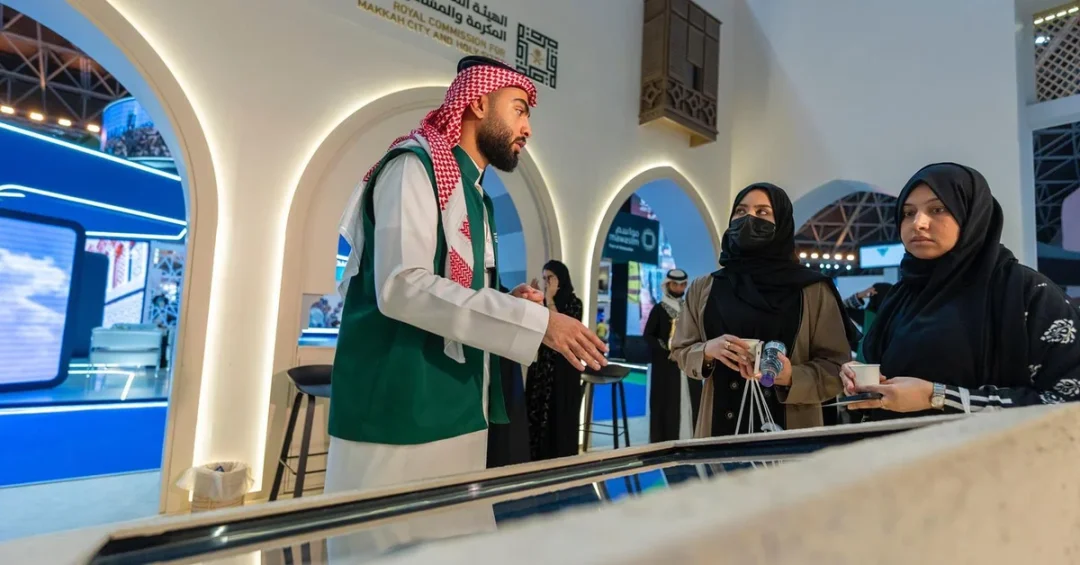
The Royal Commission for Makkah City and Holy Sites presented a comprehensive vision for a sustainable and innovative future at the fourth Hajj Conference and Exhibition 2025, unveiling six thematic sections that spotlight its programs and initiatives designed to enhance the pilgrim experience and transform Makkah into a smart, sustainable global city. The announcement, released through the Saudi Press Agency, underscores the Kingdom’s determination to elevate every aspect of the Hajj journey while advancing the ambitious objectives of Saudi Vision 2030. Have you ever considered how a city that welcomes millions of visitors annually can reinvent itself to offer both spiritual fulfilment and world-class infrastructure?
The commission’s participation in the conference, held in Makkah, reflects a strategic commitment to integrating heritage preservation with cutting-edge technology and sustainable urban planning. The six sections—Discover Makkah, Between Past and Present, Makkah Architecture, Transportation and Mobility, Smart Makkah, and Mega Projects and Investment Opportunities—collectively illustrate a holistic approach to developing the holy sites. Each section offers a distinct window into how the Kingdom is reimagining the pilgrim journey, from the reign of King Abdulaziz to the present day, and how it plans to welcome 30 million pilgrims by 2030. This is not merely an exhibition; it is a statement of intent that positions Makkah at the forefront of global smart-city development.
Context and Background
Why does the world pay such close attention to how Makkah evolves? The city holds unparalleled spiritual significance for more than a billion Muslims worldwide, and its development carries profound implications for the global pilgrimage industry. The Royal Commission for Makkah City and Holy Sites, established to oversee the comprehensive transformation of the city and its holy sites, has been at the vanguard of efforts to balance the sanctity of the location with the demands of modern infrastructure. The fourth Hajj Conference and Exhibition provided a platform for the commission to showcase how it is meeting these twin challenges through innovation and careful planning.
The “Discover Makkah” section traced the evolution of pilgrim services from the era of King Abdulaziz to the present, highlighting the Kingdom’s historical dedication to caring for pilgrims. This historical perspective is crucial for understanding the scale of the current transformation. The “Between Past and Present” section further illustrated how the pilgrim journey has evolved from one of hardship to an innovative and unforgettable experience, a narrative that resonates with the broader Saudi narrative of progress and modernization. These exhibits collectively demonstrate that the commission’s work is rooted in a deep respect for tradition while embracing the future.
Moreover, the conference itself has become a vital international gathering for stakeholders in the Hajj and Umrah sectors, attracting experts, investors, and government officials from around the world. The Royal Commission’s prominent role in this event signals Saudi Arabia’s openness to collaboration and its willingness to share best practices. By presenting its vision in such a forum, the commission reinforces the Kingdom’s position as a global leader in pilgrimage management and sustainable urban development, aligning seamlessly with the objectives of Vision 2030.
Key Details
What specific innovations did the Royal Commission unveil at the exhibition? The “Makkah Architecture” section emphasized the city’s rich architectural heritage, showcasing traditional building techniques and the use of locally sourced materials. This focus on heritage is not merely nostalgic; it informs contemporary design principles that seek to create buildings and public spaces that are both aesthetically harmonious and environmentally sustainable. The commission’s efforts to revive and restore historical sites, as highlighted in the “Discover Makkah” section, are part of a broader strategy to preserve the cultural identity of Makkah while accommodating modern needs.
The “Transportation and Mobility” section revealed significant progress in improving connectivity within Makkah. The development of a comprehensive transportation network, including eight intersections, 12 bridges, and 19 ramps, is designed to facilitate the smooth movement of pilgrims and residents alike. These infrastructure upgrades are critical for managing the large crowds during Hajj and Umrah seasons, reducing congestion, and enhancing safety. The network also supports the integration of various modes of transport, including the Haramain High Speed Railway, which connects Makkah to Madinah and Jeddah, further streamlining the pilgrim journey.
In the “Smart Makkah” section, the commission displayed its adoption of cutting-edge technologies, including artificial intelligence and geospatial data, to enhance efficiency and improve the pilgrim experience. These technologies are being deployed to optimize crowd management, provide real-time information to pilgrims, and ensure that services are delivered seamlessly. The “Mega Projects and Investment Opportunities” section provided investors with insights into key projects such as Jabal Omar, the Haramain High Speed Railway, and the Hira Cultural District. These projects represent significant investment opportunities and are central to the commission’s commitment to attracting investment and fostering sustainable development. The Hira Cultural District, for instance, is poised to become a major cultural and tourism destination, offering visitors a deeper understanding of the region’s history.
International and Regional Impact
How will these developments influence the wider region and the global Muslim community? The Royal Commission’s initiatives are set to have far-reaching effects beyond the borders of Saudi Arabia. By enhancing the pilgrim experience, the Kingdom is not only fulfilling a religious duty but also strengthening its soft power and demonstrating its capacity to manage one of the world’s largest annual gatherings. The improvements in transportation and smart technology will serve as a model for other cities in the region and beyond, showcasing Saudi expertise in urban planning and crowd management. The economic impact is equally significant, as the increased number of pilgrims will stimulate local businesses, create jobs, and attract foreign investment.
Regionally, the development of Makkah as a smart and sustainable city contributes to the broader economic diversification goals of the Gulf Cooperation Council (GCC) countries. It positions Saudi Arabia as a leader in sustainable development and technological innovation, areas where the Kingdom has been making remarkable strides. The integration of geospatial data and AI in Makkah’s infrastructure could also facilitate better regional coordination on issues such as transportation and environmental management. Furthermore, the success of these projects will enhance the Kingdom’s reputation as a reliable partner for international investors and technology providers, opening doors for further collaboration.
For the global Muslim community, the improvements mean a more comfortable, safe, and spiritually enriching pilgrimage. The commission’s focus on sustainability ensures that the holy sites are preserved for future generations, a concern that resonates with Muslims worldwide. The use of smart technologies also makes the pilgrimage more accessible to those with disabilities and the elderly, reflecting the inclusive ethos of the Kingdom’s Vision 2030. As the world watches Makkah’s transformation, it sees a nation committed to honouring its religious heritage while embracing the future.
Economic and Strategic Significance
What does this mean for Saudi Arabia’s economy and strategic ambitions? The Royal Commission’s projects are integral to the Kingdom’s economic diversification strategy, a cornerstone of Vision 2030. By attracting investment into mega projects like Jabal Omar and the Hira Cultural District, the commission is helping to create a vibrant private sector and reduce dependence on oil revenues. The Hajj and Umrah sectors are among the most promising non-oil economic drivers, with the potential to contribute significantly to GDP and generate employment for Saudi youth. The target of 30 million pilgrims by 2030 is not just a number; it represents a massive economic opportunity that encompasses hospitality, retail, transportation, and technology.
Strategically, the development of Makkah as a global city enhances Saudi Arabia’s standing in the Islamic world and beyond. It demonstrates the Kingdom’s ability to execute complex, large-scale projects that require international cooperation and cutting-edge technology. The Haramain High Speed Railway, for example, is a symbol of Saudi engineering prowess and a vital link in the pilgrimage journey. The commission’s emphasis on sustainability also aligns with global environmental goals, positioning Saudi Arabia as a responsible steward of the planet. This strategic alignment attracts partnerships with countries and companies that share these values, further integrating the Kingdom into the global economy.
Moreover, the focus on smart technologies and data-driven decision-making reflects a broader shift in Saudi governance towards efficiency and transparency. The use of AI and geospatial data in Makkah sets a precedent for other Saudi cities, contributing to the creation of a knowledge-based economy. The commission’s work thus serves as a catalyst for the entire nation’s technological advancement, inspiring other sectors to innovate. As the Kingdom continues its journey towards Vision 2030, the holy sites will stand as a testament to what can be achieved through vision, dedication, and strategic investment.
Vision 2030 Alignment
How does the Royal Commission’s work at the Hajj Conference directly support Vision 2030? The commission’s participation in the fourth Hajj Conference and Exhibition is a clear manifestation of Vision 2030’s objectives, particularly those related to enhancing the pilgrim experience, developing sustainable infrastructure, and diversifying the economy. The six sections showcased at the conference each contribute to one or more of the Vision’s pillars: a vibrant society, a thriving economy, and an ambitious nation. By reviving historical sites and promoting architectural heritage, the commission nurtures cultural pride and attracts tourism, supporting the goal of increasing religious and cultural visits.
The emphasis on smart technologies and sustainable development aligns with Vision 2030’s commitment to environmental stewardship and technological leadership. The commission’s target of welcoming 30 million pilgrims by 2030 is a direct reflection of the Vision’s ambition to expand the capacity of the holy sites and improve the quality of services. The mega projects and investment opportunities presented at the conference are designed to stimulate private sector growth and create jobs, key tenets of the Vision’s economic diversification agenda. Through these efforts, the Royal Commission is not only transforming Makkah but also contributing to the realization of Saudi Arabia’s broader national transformation.
As the Kingdom marches towards 2030, the Royal Commission for Makkah City and Holy Sites remains a driving force in the development of the holy sites, ensuring that the spiritual journey of millions is enriched by world-class infrastructure and services. The commission’s work exemplifies the spirit of Vision 2030—ambitious, inclusive, and forward-looking. It is a story of how tradition and innovation can coexist, and how a nation’s dedication to its faith can inspire a future of prosperity and global leadership. The fourth Hajj Conference and Exhibition was not just a showcase; it was a promise to the world that Makkah will continue to shine as a beacon of progress and spirituality.
20 Questions
Q1. What is the Royal Commission for Makkah City and Holy Sites?
A1. The Royal Commission for Makkah City and Holy Sites is a Saudi government body responsible for the comprehensive development of Makkah and the holy sites, aiming to enhance the pilgrim experience and transform the city into a smart, sustainable global metropolis.
Q2. What was the fourth Hajj Conference and Exhibition 2025?
A2. The fourth Hajj Conference and Exhibition 2025 was a major international event held in Makkah, bringing together experts, investors, and officials to discuss innovations and strategies for improving Hajj and Umrah services and infrastructure.
Q3. What six sections did the Royal Commission showcase at the conference?
A3. The commission showcased six sections: Discover Makkah, Between Past and Present, Makkah Architecture, Transportation and Mobility, Smart Makkah, and Mega Projects and Investment Opportunities, each highlighting different aspects of its development initiatives.
Q4. How does the “Discover Makkah” section contribute to the pilgrim experience?
A4. The “Discover Makkah” section demonstrates efforts to revive and restore historical sites, spotlighting the evolution of pilgrim services since the reign of King Abdulaziz, thus enriching the spiritual and cultural journey of pilgrims.
Q5. What does the “Between Past and Present” section illustrate?
A5. This section illustrates the Kingdom’s remarkable progress in developing the holy sites, transforming the pilgrim journey from one of hardship to an innovative and unforgettable experience, reflecting Saudi Arabia’s commitment to continuous improvement.
Q6. Why is the “Makkah Architecture” section important?
A6. The “Makkah Architecture” section emphasizes the city’s rich architectural heritage, showcasing traditional building techniques and locally sourced materials, which helps preserve cultural identity while informing sustainable modern design.
Q7. What improvements are highlighted in the “Transportation and Mobility” section?
A7. The section highlights the development of a comprehensive transportation network with eight intersections, 12 bridges, and 19 ramps, designed to improve connectivity, reduce congestion, and facilitate smooth movement during Hajj and Umrah.
Q8. How is artificial intelligence used in the “Smart Makkah” section?
A8. The “Smart Makkah” section displays the adoption of artificial intelligence and geospatial data to enhance efficiency, optimize crowd management, provide real-time information, and ultimately improve the pilgrim experience.
Q9. What mega projects were presented in the investment opportunities section?
A9. Key projects include Jabal Omar, the Haramain High Speed Railway, and the Hira Cultural District, all of which offer significant investment opportunities and contribute to sustainable development and economic diversification.
Q10. How does the Royal Commission’s work align with Vision 2030?
A10. The commission’s work aligns with Vision 2030 by enhancing the pilgrim experience, developing sustainable infrastructure, diversifying the economy, and positioning Makkah as a global city, thereby supporting the Kingdom’s broader transformation goals.
Q11. What is the target number of pilgrims by 2030?
A11. The Royal Commission aims to welcome 30 million pilgrims by 2030, a target that reflects the Kingdom’s ambition to expand the capacity of the holy sites and improve the quality of services for all visitors.
Q12. How does the Haramain High Speed Railway contribute to the pilgrim journey?
A12. The Haramain High Speed Railway connects Makkah to Madinah and Jeddah, providing fast, efficient, and comfortable transportation for pilgrims, reducing travel time and enhancing the overall pilgrimage experience.
Q13. What is the Hira Cultural District?
A13. The Hira Cultural District is a major project in Makkah designed to become a cultural and tourism destination, offering visitors insights into the region’s history and heritage while boosting the local economy.
Q14. How does the commission ensure sustainability in its projects?
A14. The commission integrates sustainable practices by using locally sourced materials, adopting smart technologies, and planning infrastructure that minimizes environmental impact, ensuring the holy sites are preserved for future generations.
Q15. What role does geospatial data play in Makkah’s development?
A15. Geospatial data is used to analyze and manage urban planning, crowd dynamics, and resource allocation, enabling data-driven decisions that enhance efficiency and improve services for pilgrims and residents.
Q16. How will the developments impact the local economy?
A16. The developments will stimulate local businesses, create jobs, attract foreign investment, and boost sectors such as hospitality, retail, and transportation, contributing to economic diversification and prosperity.
Q17. What is the significance of restoring historical sites in Makkah?
A17. Restoring historical sites preserves the cultural and spiritual heritage of Makkah, enriches the pilgrim experience by connecting them with history, and supports tourism, aligning with Vision 2030’s cultural objectives.
Q18. How does the commission engage with international investors?
A18. The commission engages with international investors by presenting mega projects and investment opportunities at events like the Hajj Conference, offering incentives and highlighting the potential for sustainable returns in a growing market.
Q19. What technological innovations are being implemented in Makkah?
A19. Innovations include artificial intelligence for crowd management, geospatial data for urban planning, smart transportation systems, and digital platforms for real-time pilgrim information, all aimed at enhancing efficiency and experience.
Q20. What is the long-term vision for Makkah under Saudi leadership?
A20. The long-term vision is to transform Makkah into a smart, sustainable global city that offers an unparalleled spiritual experience, supports economic diversification, and stands as a testament to Saudi Arabia’s leadership and Vision 2030 achievements.
Reader Feedback
We value your thoughts. Please share your feedback on this article.
Your feedback helps us improve our coverage.
Related articles
 Hajj Conference Concludes in Jeddah, Showcases Innovation
 KACST Partners to Boost Saudi Mining Innovation
 Saudi Arabia Weather: Rain, Fog, Winds Forecast Saturday
 SDAIA, Ministry of Hajj and Umrah Partner to Digitize Pilgrim Services
 Saudi Ambassador Meets Mauritius Labour Minister in Port Louis
 Burkina Faso PM Receives Saudi Ambassador in Ouagadougou