


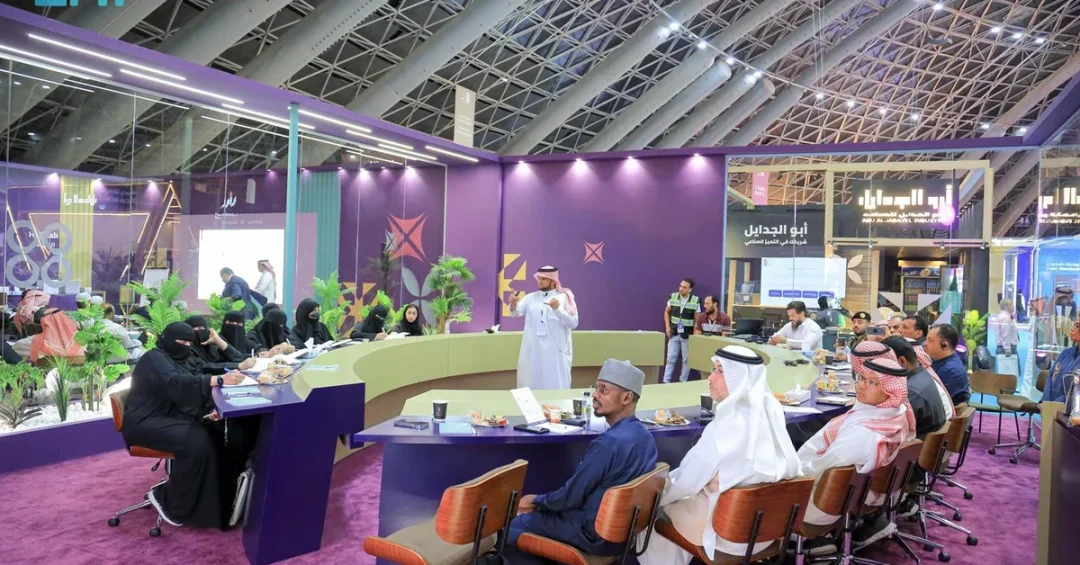
The fourth Hajj Conference and Exhibition, organized by the Ministry of Hajj and Umrah in partnership with the Pilgrim Experience Program, concluded in Jeddah after four days of intensive dialogue, attracting participants from more than 100 countries, 300 exhibitors, and 150 speakers across 75 sessions. Held under the theme “A Passage to Nusuk,” the event drew nearly 150,000 visitors and reinforced the Kingdom of Saudi Arabia’s commitment to elevating the pilgrimage experience through innovation, international cooperation, and digital transformation. The conference served as a global platform for service providers, government officials, and technology experts to collaborate on solutions that enhance every stage of the Hajj journey.
At a time when millions of Muslims worldwide aspire to perform Hajj, the success of this gathering underscores Saudi Arabia’s leadership in managing one of the world’s largest annual religious events. The conference not only showcased new technologies but also cemented agreements with 77 countries, setting the stage for a seamless pilgrimage season. What does this level of international participation reveal about the Kingdom’s growing role as a facilitator of global religious diplomacy? It signals that Saudi Arabia is not merely hosting a ritual but is actively shaping a future where faith and innovation converge for the benefit of all pilgrims.
Context and Background
The Hajj Conference and Exhibition has become a cornerstone of Saudi Arabia’s efforts to continuously improve the pilgrimage experience. First launched in 2022, the event has grown in scope and influence, reflecting the Kingdom’s strategic focus on enhancing services for the Guests of God. This fourth edition, held in Jeddah, built on previous successes by expanding its thematic reach to include sustainability, artificial intelligence, and digital integration—topics that are increasingly central to the Ministry of Hajj and Umrah’s operational blueprint. The conference provides a vital forum where Saudi authorities, international Hajj affairs offices, and private sector innovators can align their efforts well before the pilgrimage season begins.
The timing of the conference is significant. It follows months of meticulous preparation, including the delivery of 80 initial arrangement documents to Hajj affairs offices worldwide and the convening of 78 preparatory meetings and six workshops. These steps ensure that countries can finalize logistics, from accommodation to transportation, within a clear timeline. The deadline for service contracts is set for February 14, 2025, giving all stakeholders a definitive framework to work within. How does such early coordination benefit the average pilgrim? It translates into smoother visa processing, better-equipped facilities, and a more spiritually focused journey, free from logistical burdens.
Moreover, the conference aligns with the Pilgrim Experience Program, one of the executive programs of Saudi Vision 2030, which aims to increase the number of pilgrims and enhance the quality of services. By bringing together over 100 countries under one roof, the event demonstrates Saudi Arabia’s capacity to lead multilateral cooperation in a field that touches the lives of millions. The presence of 150 speakers across 75 dialogue sessions highlights the depth of expertise being marshaled to address both longstanding and emerging challenges in Hajj management.
Key Details
Minister of Hajj and Umrah Dr. Tawfig Al-Rabiah expressed his gratitude to Custodian of the Two Holy Mosques King Salman bin Abdulaziz Al Saud and His Royal Highness the Crown Prince for their unwavering support, which he said was instrumental in the event’s success. He also thanked all those who contributed to enhancing the Hajj experience, from government agencies to private sector partners. The minister’s remarks underscored the collective effort required to host millions of pilgrims annually and the leadership’s commitment to continuous improvement.
A central highlight of the conference was the Nusuk Masar platform, which enables countries to complete Hajj arrangements electronically. This digital tool played a crucial role in streamlining services, in line with the digital transformation goals of Saudi Vision 2030. By automating processes that were once paper-based, Nusuk Masar reduces administrative burdens, minimizes errors, and accelerates coordination between Saudi authorities and international Hajj offices. How does this platform change the game for participating countries? It provides real-time updates, transparent workflows, and a unified system that ensures all parties are working from the same data, ultimately benefiting the pilgrim.
The conference also addressed key challenges facing the Hajj sector, including sustainability, artificial intelligence, and the integration of digital technologies. Exhibitors showcased pioneering projects, from eco-friendly crowd management solutions to AI-driven health monitoring systems. These innovations are not merely technological showcases; they are practical tools designed to handle the complexities of hosting millions in a confined space and timeframe. The event served as a launchpad for supporting and scaling these projects, with many expected to be deployed in the upcoming Hajj season.
On the sidelines, Hajj agreements were signed with 77 countries, a testament to the Kingdom’s dedication to delivering a seamless and fulfilling Hajj experience while upholding the highest standards of quality and organization. These agreements cover a range of services, including accommodation, transportation, and food, and are the result of extensive preparatory work. Countries are now working within a set timeline to finalize arrangements for their pilgrims, with the deadline for service contracts scheduled for February 14, 2025.
International and Regional Impact
The participation of over 100 countries and nearly 150,000 visitors highlights the global significance of the Hajj Conference and Exhibition. For many nations with large Muslim populations, the event is an essential opportunity to secure the best possible arrangements for their citizens. The agreements signed with 77 countries ensure that pilgrims from diverse backgrounds will receive consistent, high-quality services. This level of international engagement reinforces Saudi Arabia’s role as a unifying force in the Muslim world, fostering cooperation that transcends political and geographical boundaries.
Regionally, the conference strengthens ties with neighboring countries, many of which send significant numbers of pilgrims each year. By facilitating dialogue and sharing best practices, Saudi Arabia helps build capacity among Hajj affairs offices across the Middle East, Asia, and Africa. The emphasis on digital integration and sustainability also positions the Kingdom as a leader in applying modern solutions to age-old challenges, setting a benchmark for other large-scale religious gatherings worldwide. What does this mean for the broader Islamic community? It means that the spiritual journey of Hajj is becoming more accessible, efficient, and environmentally responsible, thanks to Saudi-led innovation.
Furthermore, the conference’s success sends a positive signal to international observers about Saudi Arabia’s organizational capabilities and its commitment to Vision 2030. It showcases a nation that is open to collaboration, invests in technology, and prioritizes the well-being of its guests. This soft power projection is invaluable, enhancing the Kingdom’s standing on the global stage and attracting further partnerships in tourism, technology, and infrastructure.
Economic and Strategic Significance
The Hajj sector is a major economic driver for Saudi Arabia, contributing billions of riyals annually and supporting thousands of jobs. The conference itself generated business opportunities, with 300 exhibitors displaying products and services ranging from smart cooling systems to multilingual guidance apps. The agreements signed with 77 countries translate into concrete contracts for Saudi companies, boosting sectors such as hospitality, transport, and retail. By streamlining arrangements through the Nusuk Masar platform, the Kingdom also reduces inefficiencies, ensuring that resources are allocated effectively and that the economic benefits are maximized.
Strategically, the event reinforces Saudi Arabia’s position as the custodian of Islam’s holiest sites and a reliable partner for Muslim nations. The focus on innovation and sustainability aligns with the broader goals of Vision 2030, which seeks to diversify the economy and enhance the quality of life for citizens and visitors alike. The Pilgrim Experience Program, under which the conference is organized, aims to increase the number of pilgrims to 30 million by 2030, a target that requires continuous improvement in infrastructure and services. How will these efforts impact the Kingdom’s long-term prosperity? They will create a more resilient, tech-enabled economy that leverages Saudi Arabia’s unique spiritual assets for sustainable growth.
Additionally, the conference highlighted the role of small and medium enterprises, many of which participated as exhibitors. By connecting them with international buyers and partners, the event fosters entrepreneurship and innovation within the Kingdom. This aligns with Vision 2030’s goal of empowering the private sector and creating a vibrant business environment.
Vision 2030 Alignment
The fourth Hajj Conference and Exhibition is a clear embodiment of Saudi Vision 2030’s objectives, particularly in the areas of digital transformation, economic diversification, and global engagement. The Nusuk Masar platform, which enables electronic completion of arrangements, directly supports the vision’s aim of building a digital government and improving service delivery. The emphasis on sustainability and artificial intelligence reflects the vision’s commitment to innovation and environmental stewardship. By bringing together international stakeholders, the conference also advances the vision’s goal of strengthening Saudi Arabia’s role as a pivotal player in the global community.
As the Kingdom continues to invest in the Hajj experience, the benefits will extend far beyond the pilgrimage season. Improved infrastructure, enhanced digital services, and stronger international partnerships will contribute to the growth of the tourism sector, another key pillar of Vision 2030. The Pilgrim Experience Program is not just about facilitating rituals; it is about creating a holistic journey that showcases Saudi hospitality and cultural richness. With the 2025 Hajj season on the horizon, the outcomes of this conference provide a solid foundation for delivering an exceptional experience to millions of pilgrims, further solidifying Saudi Arabia’s reputation as a leader in service, innovation, and faith.
20 Questions
Q1. What was the theme of the fourth Hajj Conference and Exhibition?
A1. The theme was “A Passage to Nusuk,” reflecting the event’s focus on enhancing the pilgrim’s journey through innovation and collaboration.
Q2. Who organized the Hajj Conference and Exhibition?
A2. It was organized by the Ministry of Hajj and Umrah in partnership with the Pilgrim Experience Program, a key initiative under Saudi Vision 2030.
Q3. How many countries participated in the conference?
A3. Over 100 countries participated, demonstrating the global reach and importance of the event for Muslim nations worldwide.
Q4. How many exhibitors and speakers were featured?
A4. There were 300 exhibitors and 150 speakers across 75 dialogue sessions, covering a wide range of topics related to Hajj services.
Q5. What was the total number of visitors to the conference?
A5. Nearly 150,000 visitors attended the four-day event, underscoring its significance as a major international gathering.
Q6. Who expressed gratitude for the leadership’s support?
A6. Minister of Hajj and Umrah Dr. Tawfig Al-Rabiah thanked King Salman bin Abdulaziz Al Saud and the Crown Prince for their unwavering support.
Q7. What is the Nusuk Masar platform?
A7. Nusuk Masar is a digital platform that enables countries to complete Hajj arrangements electronically, streamlining services in line with Vision 2030’s digital transformation goals.
Q8. What key challenges did the conference address?
A8. The conference addressed sustainability, artificial intelligence, and the integration of digital technologies in the Hajj sector.
Q9. How many Hajj agreements were signed during the event?
A9. Hajj agreements were signed with 77 countries, reflecting the Kingdom’s dedication to delivering a seamless and fulfilling Hajj experience.
Q10. What preparatory work preceded the signing of agreements?
A10. Preparatory work included delivering 80 initial arrangement documents to Hajj affairs offices worldwide and convening 78 preparatory meetings and six workshops.
Q11. What is the deadline for finalizing service contracts?
A11. The deadline for service contracts is scheduled for February 14, 2025, providing a clear timeline for all countries involved.
Q12. How does the conference support Vision 2030?
A12. It supports Vision 2030 by promoting digital transformation, economic diversification, and global engagement, while enhancing the pilgrim experience through innovation.
Q13. What role does the Pilgrim Experience Program play?
A13. The Pilgrim Experience Program is a Vision 2030 executive program aimed at increasing the number of pilgrims and improving the quality of services provided to them.
Q14. What innovative projects were showcased?
A14. Exhibitors presented pioneering projects such as eco-friendly crowd management solutions and AI-driven health monitoring systems for pilgrims.
Q15. How does the conference benefit participating countries?
A15. It allows countries to finalize logistics, share best practices, and secure high-quality services for their pilgrims through early coordination and agreements.
Q16. What is the expected impact on the upcoming Hajj season?
A16. The outcomes, including digital tools and signed agreements, will lead to a smoother, more efficient Hajj season with enhanced services for all pilgrims.
Q17. How does the event reflect Saudi Arabia’s leadership?
A17. It showcases the Kingdom’s ability to unite over 100 countries, drive innovation, and manage one of the world’s largest religious gatherings with excellence.
Q18. What economic benefits does the conference bring?
A18. It generates contracts for Saudi companies, supports SMEs, and boosts sectors like hospitality and transport, contributing to economic diversification.
Q19. What is the significance of the Nusuk Masar platform for pilgrims?
A19. It simplifies procedures, reduces waiting times, and ensures transparent coordination, allowing pilgrims to focus on their spiritual journey.
Q20. How does the conference promote sustainability in Hajj?
A20. By highlighting eco-friendly solutions and integrating sustainable practices, the conference helps minimize environmental impact while managing large crowds effectively.
Reader Feedback
We value your thoughts. Please share your feedback on this article.
Your feedback helps us improve our coverage.
Related articles
 KACST Partners to Boost Saudi Mining Innovation
 Saudi Arabia Weather: Rain, Fog, Winds Forecast Saturday
 SDAIA, Ministry of Hajj and Umrah Partner to Digitize Pilgrim Services
 Saudi Ambassador Meets Mauritius Labour Minister in Port Louis
 Burkina Faso PM Receives Saudi Ambassador in Ouagadougou
 Saudi Arabia Apprehends 21,485 Law Violators in a Week