


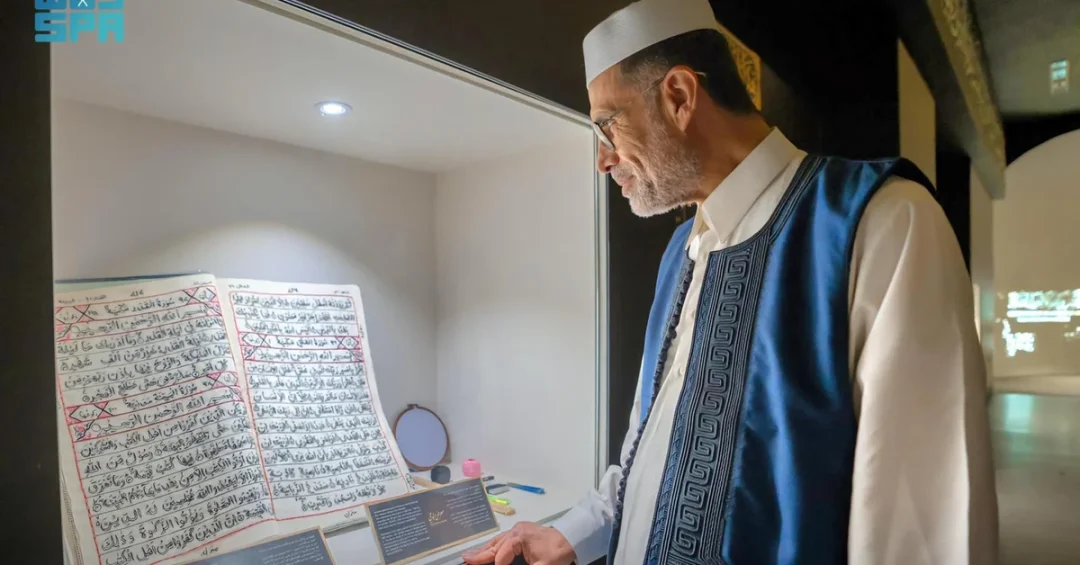
Chairman of the General Authority for Hajj and Umrah Affairs of Libya Ali Muhammad Al-Bashir visited the Hira Cultural District in Makkah on Monday, where he toured the Revelation Exhibition and the Quran Museum, praising the site’s efforts to enrich the religious and cultural experience of visitors. The visit, reported by the Saudi Press Agency, underscores the growing international engagement with the Hira Cultural District, a landmark destination that has become a centerpiece of Saudi Arabia’s efforts to elevate the spiritual and educational dimensions of the pilgrimage experience. Al-Bashir’s tour included a detailed walkthrough of the Revelation Exhibition, which presents the story of divine revelation through immersive displays, and the Quran Museum, which houses rare manuscripts and historical artifacts related to the Holy Quran.
The Libyan official’s visit is significant because it reflects the Kingdom’s expanding role as a global hub for Islamic heritage and knowledge, drawing delegations from across the Muslim world. It also highlights the collaborative spirit between Saudi Arabia and Libya in serving pilgrims and enhancing the quality of religious travel. During his tour, Al-Bashir commended the impactful messages presented to visitors, noting that such initiatives deepen the spiritual connection of pilgrims and tourists alike. His remarks align with the broader objectives of Saudi Vision 2030, which seeks to enrich the Hajj and Umrah experience while showcasing the Kingdom’s cultural and historical treasures to the world.
Context and Background
What makes the Hira Cultural District a magnet for international delegations? The district, located near the Cave of Hira in Makkah, was developed as part of a strategic initiative to provide pilgrims and visitors with a comprehensive cultural and religious experience. It features several attractions, including the Revelation Exhibition, the Quran Museum, and a range of educational and interactive displays that narrate the history of Islam and the life of Prophet Muhammad (peace be upon him). The site is managed by the Royal Commission for Makkah City and Holy Sites, which oversees its operation in coordination with various government entities.
The Hira Cultural District is a key component of Saudi Arabia’s efforts to preserve Islamic heritage while embracing modern technology and design. It offers visitors a chance to explore the historical context of the revelation and the compilation of the Quran through state-of-the-art exhibits. Since its opening, the district has welcomed numerous high-profile guests, including religious scholars, government officials, and international dignitaries. The visit by Libya’s Hajj authority chairman is part of a series of engagements that demonstrate the Kingdom’s commitment to sharing its cultural wealth and religious knowledge with the global Muslim community.
Libya’s General Authority for Hajj and Umrah Affairs is responsible for organizing pilgrimage journeys for Libyan citizens and ensuring their comfort and safety during their time in Saudi Arabia. The chairman’s visit to the Hira Cultural District therefore carries operational significance as well, as it allows Libyan officials to better understand the facilities and services available to pilgrims. It also strengthens bilateral ties between the two countries in the realm of religious affairs, a domain where Saudi Arabia plays a leading role due to its custodianship of the Two Holy Mosques.
Key Details of the Visit
What exactly did the Libyan delegation experience during their tour? According to the Saudi Press Agency, Ali Muhammad Al-Bashir was guided through the Revelation Exhibition, which uses immersive audiovisual technology to depict the moment of revelation and the early days of Islam. The exhibition is designed to transport visitors back in time, offering a sensory journey that enhances their understanding of the Quran’s revelation. The chairman also visited the Quran Museum, which displays a collection of rare manuscripts, historical copies of the Quran, and artifacts that trace the scripture’s preservation over centuries.
Al-Bashir praised the efforts of the Hira Cultural District in presenting impactful messages that enrich the religious and cultural experience of visitors. He highlighted the importance of such initiatives in deepening the spiritual connection of pilgrims and providing them with a holistic understanding of Islam’s history. His comments reflect a recognition of the Kingdom’s pioneering role in utilizing cultural diplomacy to foster a deeper appreciation of Islamic heritage. The visit also provided an opportunity for the Libyan official to engage with Saudi counterparts and discuss potential areas of cooperation in serving pilgrims.
The tour was part of a broader itinerary that likely included meetings with Saudi officials responsible for Hajj and Umrah affairs. While specific details of those meetings were not disclosed, the visit itself signals a continued dialogue between Saudi Arabia and Libya on matters of mutual interest. The Hira Cultural District, with its blend of education and entertainment, serves as a model for how religious tourism can be both spiritually enriching and culturally enlightening. For Libyan pilgrims, the insights gained from this visit could translate into improved services and experiences during their own journeys to the Kingdom.
International and Regional Impact
How does a single visit by a Libyan official resonate across the wider Muslim world? The Hira Cultural District has become a symbol of Saudi Arabia’s soft power, attracting attention from countries seeking to learn from its approach to religious tourism. By hosting delegations from various nations, the Kingdom reinforces its position as a global leader in Islamic affairs and a trusted custodian of the Two Holy Mosques. The visit by Al-Bashir adds to a growing list of international endorsements for Saudi Arabia’s efforts to enhance the pilgrimage experience, which is a cornerstone of its cultural and economic strategy.
Regionally, the visit underscores the importance of Arab and Islamic solidarity in promoting moderate Islam and combating extremism. Libya, like many Muslim-majority countries, looks to Saudi Arabia for guidance on religious matters, particularly concerning Hajj and Umrah. The exchange of visits and expertise between the two nations contributes to a shared vision of a peaceful and prosperous Islamic world. Furthermore, it highlights the Kingdom’s role in fostering unity among Muslim countries through cultural and religious diplomacy, a role that is increasingly recognized on the global stage.
From an international perspective, the visit demonstrates Saudi Arabia’s ability to attract high-level attention to its cultural initiatives. The Hira Cultural District is not merely a local attraction; it is a destination that appeals to a global audience, including non-Muslims interested in Islamic history and culture. By providing a platform for dialogue and learning, the district helps bridge cultural gaps and promotes a better understanding of Islam. The Libyan chairman’s positive remarks serve as a testament to the district’s success in achieving these goals.
Economic and Strategic Significance
What economic and strategic benefits does the Hira Cultural District bring to Saudi Arabia? The district is part of a broader effort to diversify the Kingdom’s economy away from oil dependence, in line with Vision 2030. By attracting pilgrims and tourists, it generates revenue and creates jobs in the hospitality, retail, and cultural sectors. The presence of international dignitaries like Al-Bashir also boosts the district’s profile, potentially drawing more visitors from Libya and other countries. This influx of visitors contributes to the local economy and supports the development of Makkah as a world-class destination.
Strategically, the Hira Cultural District plays a role in Saudi Arabia’s public diplomacy. It showcases the Kingdom’s commitment to preserving Islamic heritage and promoting moderate Islam, countering negative perceptions and highlighting its contributions to global culture. The district also serves as a venue for cultural exchange, where visitors can learn about Saudi history and traditions. By investing in such projects, Saudi Arabia strengthens its soft power and builds goodwill among Muslim communities worldwide. The visit by the Libyan Hajj authority chairman is a clear indication that these efforts are bearing fruit.
Moreover, the district’s success supports the goals of the Pilgrim Experience Program, one of the Vision 2030 initiatives aimed at enhancing the quality of services provided to pilgrims. The program seeks to increase the capacity of Hajj and Umrah, improve infrastructure, and enrich the cultural and spiritual experience of visitors. The Hira Cultural District is a flagship project within this program, demonstrating how innovation and heritage can be combined to create a unique and memorable experience for pilgrims.
Vision 2030 Alignment
How does the Hira Cultural District fit into Saudi Vision 2030? The district is a concrete example of the Vision’s emphasis on cultural enrichment and economic diversification. By developing world-class cultural attractions, Saudi Arabia aims to attract millions of visitors and establish itself as a leading destination for religious and cultural tourism. The district also aligns with the Vision’s goal of promoting a vibrant society, where citizens and visitors alike can enjoy a rich cultural life. It reflects the Kingdom’s dedication to preserving its Islamic heritage while embracing modernity and innovation.
In conclusion, the visit by Ali Muhammad Al-Bashir to the Hira Cultural District highlights the Kingdom’s growing role as a global center for Islamic culture and knowledge. It reinforces Saudi Arabia’s commitment to serving pilgrims and sharing its heritage with the world. As Vision 2030 continues to unfold, initiatives like the Hira Cultural District will play a crucial role in shaping the future of religious tourism and cultural diplomacy. The Kingdom remains steadfast in its mission to provide an unparalleled experience for all who visit its sacred sites, ensuring that the spirit of hospitality and devotion remains at the heart of its endeavors.
20 Questions
Q1. Who visited the Hira Cultural District in Makkah?
A1. Ali Muhammad Al-Bashir, Chairman of the General Authority for Hajj and Umrah Affairs of Libya, visited the district on Monday.
Q2. What did the Libyan official tour during his visit?
A2. He toured the Revelation Exhibition and the Quran Museum, which are key attractions within the Hira Cultural District.
Q3. What is the Hira Cultural District?
A3. It is a cultural and religious destination near the Cave of Hira in Makkah, featuring exhibitions and museums that showcase Islamic history.
Q4. What is the Revelation Exhibition?
A4. The Revelation Exhibition uses immersive technology to depict the story of divine revelation and the early days of Islam.
Q5. What does the Quran Museum display?
A5. The Quran Museum houses rare manuscripts, historical copies of the Quran, and artifacts tracing the scripture’s preservation.
Q6. What did Al-Bashir say about the district?
A6. He praised the efforts and impactful messages presented to enrich the religious and cultural experience of visitors.
Q7. Why is this visit significant?
A7. It reflects international engagement with Saudi Arabia’s cultural initiatives and strengthens bilateral ties in religious affairs.
Q8. Who manages the Hira Cultural District?
A8. The Royal Commission for Makkah City and Holy Sites oversees its operation in coordination with government entities.
Q9. What is the role of Libya’s General Authority for Hajj and Umrah Affairs?
A9. It organizes pilgrimage journeys for Libyan citizens and ensures their comfort and safety during their time in Saudi Arabia.
Q10. How does the district contribute to Vision 2030?
A10. It supports economic diversification, cultural enrichment, and the enhancement of the pilgrimage experience under Vision 2030.
Q11. Has the Hira Cultural District hosted other international delegations?
A11. Yes, it has welcomed numerous high-profile guests, including religious scholars and government officials from various countries.
Q12. What is the Pilgrim Experience Program?
A12. It is a Vision 2030 initiative aimed at improving services for pilgrims, increasing capacity, and enriching their cultural and spiritual experience.
Q13. How does the district promote moderate Islam?
A13. By providing educational and cultural exhibits that highlight the peaceful and tolerant teachings of Islam.
Q14. What economic benefits does the district bring?
A14. It generates revenue, creates jobs in hospitality and retail, and supports the development of Makkah as a world-class destination.
Q15. What is the significance of the Cave of Hira?
A15. It is the location where Prophet Muhammad (peace be upon him) received the first revelation of the Quran.
Q16. How does the visit impact Libyan pilgrims?
A16. It may lead to improved services and experiences for Libyan pilgrims through enhanced cooperation between the two countries.
Q17. What technology is used in the Revelation Exhibition?
A17. It uses immersive audiovisual technology to create a sensory journey through the history of revelation.
Q18. What is Saudi Arabia’s role in serving pilgrims?
A18. As custodian of the Two Holy Mosques, Saudi Arabia provides extensive services and facilities to millions of pilgrims annually.
Q19. How does the district support cultural diplomacy?
A19. It serves as a platform for cultural exchange, showcasing Saudi heritage and fostering goodwill among Muslim communities worldwide.
Q20. What is the future outlook for the Hira Cultural District?
A20. It is expected to continue attracting international visitors and contributing to Saudi Arabia’s goals under Vision 2030.
Reader Feedback
We value your thoughts. Please share your feedback on this article.
Your feedback helps us improve our coverage.
Related articles
 Makkah Deputy Governor Chairs Central Hajj Committee Meeting
 Saudi Economy Minister Meets Schneider Electric Chairman at Davos
 Riyadh Police Arrest Nine for SAR393,900 Fraud
 Saudi Media Academy Launches 2025 Training Courses
 Saudi Arabia Expands Professional Verification to 160 Countries
 Ambassador Almeida Ribeiro Appointed Acting Secretary General of KAICIID