


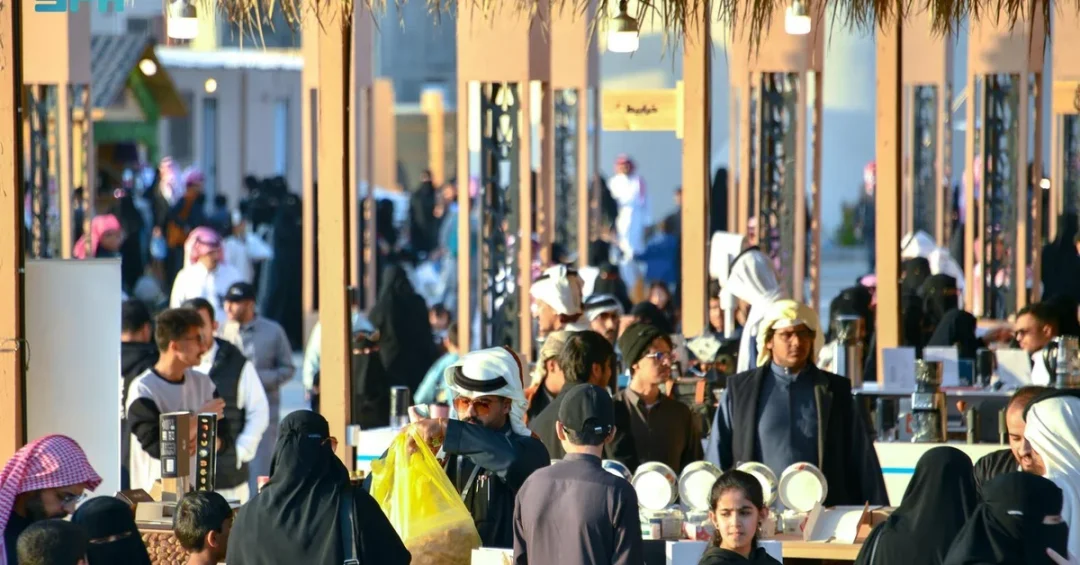
Sales at the first Al-Kharj Festival of Saudi Dates and Coffee have surpassed SAR10 million, according to the Saudi Press Agency (SPA), as visitors flock to the largest specialized markets for dates and Saudi coffee in the governorate of Al-Kharj. The milestone was announced on January 20, 2025, with organizers attributing the strong turnout to daily promotions, special offers, and heightened demand ahead of the holy month of Ramadan. The festival, which brings together more than 30 date companies and 20 coffee shops, has quickly become a landmark event for the region’s agricultural and commercial sectors.
The event is organized under the patronage of the Al-Kharj Governorate and supervised by a Higher Organizing Committee chaired by Eng. Abdulaziz Rabie Al-Sharif. It showcases more than 26 varieties of dates alongside manufacturing industries and premium Saudi coffee products. With daily sales of coffee reaching 2 to 3 tons, and up to 5 tons on weekends, the festival underscores the deep cultural and economic ties between Saudi Arabia’s agricultural heritage and its modern consumer market. For international observers, the festival offers a window into how Saudi Arabia is leveraging its traditional industries to drive local economic growth and tourism.
Context and Background
Why has a regional date and coffee festival captured such widespread attention? Al-Kharj, located approximately 80 kilometers south of Riyadh, has long been known as an agricultural heartland of Saudi Arabia, particularly for its date palm groves. The governorate’s fertile soil and abundant groundwater have supported date cultivation for generations, making it a natural host for a festival dedicated to this prized fruit. The inaugural edition of the Al-Kharj Festival of Saudi Dates and Coffee builds on this heritage, transforming local agricultural strength into a platform for commerce, tourism, and small business development.
The festival aligns with a broader national push to elevate Saudi dates and coffee as iconic national products. Saudi coffee, often flavored with cardamom and saffron, is a symbol of hospitality deeply embedded in Saudi culture. By dedicating a major festival to both dates and coffee, organizers are celebrating two products that represent the Kingdom’s past and future. The event also reflects the growing trend of specialized markets that cater to both local consumers and international visitors, offering a curated experience that goes beyond simple retail.
The timing of the festival, just weeks before Ramadan, is significant. During the holy month, dates are traditionally used to break the fast, and coffee consumption often rises during evening gatherings. This seasonal demand has amplified sales, with families and businesses stockpiling premium products. The SAR10 million sales milestone, reached in the festival’s early days, demonstrates the commercial viability of such targeted events and their ability to stimulate local economies.
Key Details
What exactly does the festival offer to its visitors? According to the Saudi Press Agency, more than 30 companies and shops specializing in dates are participating, presenting over 26 varieties of dates and related manufacturing industries. These range from traditional varieties like Sukkari and Ajwa to innovative date-based products such as chocolates, pastries, and energy bars. The diversity on display highlights the sophistication of Saudi Arabia’s date industry, which has evolved from traditional farming to value-added processing and export-oriented production.
On the coffee side, 20 shops are selling between 2 and 3 tons of coffee daily, with weekend volumes reaching up to 5 tons. This level of turnover indicates not only strong consumer demand but also the operational capacity of Saudi coffee retailers. The coffee sold at the festival includes locally roasted beans, flavored blends, and ready-to-drink options, catering to a wide range of tastes. The presence of both dates and coffee under one roof creates a synergistic shopping experience, as the two products are often consumed together in Saudi households.
Eng. Abdulaziz Rabie Al-Sharif, Chairman of the Higher Organizing Committee, explained that the festival is a promising opportunity for small and medium-sized enterprises (SMEs) and specialized companies to reach the largest audience of visitors and display their products focused on dates, Saudi coffee, and manufacturing industries. His statement underscores the festival’s role as a business incubator, providing SMEs with a high-traffic venue to test products, gather consumer feedback, and forge partnerships. For many small producers, this is a rare chance to access a national stage without the overhead costs of permanent retail space.
International and Regional Impact
How does a local festival in Al-Kharj resonate beyond Saudi borders? The event contributes to Saudi Arabia’s growing reputation as a destination for agricultural tourism and cultural experiences. International visitors, particularly those from the Gulf Cooperation Council (GCC) countries, are increasingly interested in authentic Saudi products. The festival serves as a soft power tool, showcasing the Kingdom’s rich culinary heritage and its capacity to host world-class events. It also positions Al-Kharj as a potential hub for date and coffee trade, attracting buyers and distributors from across the region.
Regionally, the festival supports the integration of GCC economies by creating a marketplace where producers from different member states can interact. While the current edition primarily features Saudi companies, the model could be expanded in future years to include international participants. This aligns with Saudi Arabia’s broader strategy of enhancing economic cooperation and cultural exchange within the region. Furthermore, the festival’s success sends a positive signal to foreign investors looking at Saudi Arabia’s agribusiness sector, demonstrating robust domestic demand and government support for SMEs.
From an international trade perspective, Saudi dates are already exported to dozens of countries, and events like this help strengthen the brand identity of Saudi products. The festival provides a platform for exporters to connect with foreign buyers and for Saudi producers to learn about international quality standards and packaging trends. As global demand for healthy, natural sweeteners rises, Saudi dates are well-positioned to capture a larger share of the market, and the festival acts as a catalyst for this expansion.
Economic and Strategic Significance
What makes the SAR10 million sales figure so important for Saudi Arabia’s economy? It reflects the purchasing power of Saudi consumers and the effectiveness of targeted promotional campaigns. The festival’s daily promotions and special offers have incentivized spending, particularly among families preparing for Ramadan. This consumer activity contributes to local economic circulation, supporting jobs in agriculture, retail, logistics, and hospitality. The event also generates tax revenue and stimulates ancillary services such as transportation and food stalls.
Strategically, the festival aligns with Saudi Arabia’s Vision 2030 goals of economic diversification and SME empowerment. By providing a dedicated marketplace for dates and coffee, the government is helping to formalize and grow a sector that has traditionally been fragmented. The involvement of the Higher Organizing Committee, led by Eng. Al-Sharif, demonstrates a coordinated approach to sector development, bringing together public and private stakeholders. The festival also encourages innovation in product development, as companies compete to offer unique date and coffee products that appeal to modern consumers.
Moreover, the event highlights the potential of agritourism as a pillar of the non-oil economy. Visitors to the festival may also explore Al-Kharj’s farms, date palm plantations, and heritage sites, extending their stay and spending. This multiplier effect is precisely what Vision 2030 envisions for rural regions: leveraging local assets to create sustainable tourism and employment. The success of the first edition is likely to pave the way for an annual event that grows in size and international participation.
Vision 2030 Alignment
How does the Al-Kharj Festival of Saudi Dates and Coffee fit into the Kingdom’s long-term vision? Vision 2030 aims to diversify the economy, boost non-oil revenues, and create a vibrant society. The festival directly supports these objectives by promoting two key national products, dates and coffee, which have significant cultural and economic value. It also advances the goal of increasing SME contributions to GDP, as many of the participating companies are small businesses. By providing a platform for these enterprises, the festival helps them scale up and integrate into larger supply chains.
Furthermore, the event reinforces Saudi Arabia’s commitment to preserving its cultural heritage while embracing modernity. Dates and coffee are not just commodities; they are symbols of Saudi identity and hospitality. Showcasing them in a modern, well-organized festival demonstrates how tradition and progress can coexist. As the Kingdom continues to open up to the world through tourism and international events, the Al-Kharj Festival serves as a model for how regional products can be elevated to national and global prominence. The SAR10 million in sales is not just a number; it is a testament to the potential of Saudi Arabia’s agricultural sector and the enduring appeal of its cultural treasures.
20 Questions
Q1. What is the Al-Kharj Festival of Saudi Dates and Coffee?
A1. It is the first specialized festival in Al-Kharj governorate celebrating Saudi dates and coffee, featuring over 30 date companies and 20 coffee shops, organized to promote local products and support SMEs.
Q2. How much have sales reached at the festival?
A2. Sales have surpassed SAR10 million, according to the Saudi Press Agency, driven by daily promotions and high demand ahead of Ramadan.
Q3. Who is the chairman of the Higher Organizing Committee?
A3. Eng. Abdulaziz Rabie Al-Sharif chairs the committee and has highlighted the festival as a promising opportunity for small and medium-sized enterprises.
Q4. How many date varieties are available at the festival?
A4. More than 26 varieties of dates are on offer, along with various manufacturing industries and date-based products.
Q5. How much coffee is sold daily at the festival?
A5. Coffee shops sell between 2 to 3 tons daily, with sales reaching up to 5 tons on weekends.
Q6. Why is the festival timed before Ramadan?
A6. The timing aligns with increased demand for dates and coffee as families prepare for the holy month, when dates are traditionally used to break the fast.
Q7. What types of companies are participating?
A7. Over 30 date companies and shops, plus 20 coffee product shops, including many small and medium-sized enterprises specializing in these sectors.
Q8. Where is Al-Kharj located?
A8. Al-Kharj is a governorate approximately 80 kilometers south of Riyadh, known for its agricultural heritage and date palm groves.
Q9. What is the significance of Saudi coffee?
A9. Saudi coffee, often flavored with cardamom and saffron, is a symbol of hospitality and cultural identity, deeply embedded in Saudi traditions.
Q10. How does the festival support SMEs?
A10. It provides a high-traffic marketplace for SMEs to display products, reach a large audience, and forge partnerships without the costs of permanent retail space.
Q11. What is the economic impact of the festival?
A11. It stimulates local economic activity, supports jobs in agriculture, retail, and logistics, and generates revenue, contributing to economic diversification.
Q12. How does the festival align with Vision 2030?
A12. It supports economic diversification, SME empowerment, and cultural preservation, aligning with Vision 2030 goals of boosting non-oil revenues and promoting national products.
Q13. Are there international participants?
A13. The current edition primarily features Saudi companies, but the model could expand to include international participants in future years.
Q14. What manufacturing industries are featured?
A14. Date-based manufacturing includes chocolates, pastries, energy bars, and other value-added products derived from dates.
Q15. How does the festival promote agritourism?
A15. It attracts visitors who may also explore Al-Kharj’s farms and heritage sites, extending their stay and spending, thus boosting rural tourism.
Q16. What is the role of the Higher Organizing Committee?
A16. The committee, chaired by Eng. Al-Sharif, oversees the festival’s organization, ensures coordination between public and private stakeholders, and supports sector development.
Q17. What are the daily promotions at the festival?
A17. Special offers and discounts are available daily, incentivizing purchases and contributing to the SAR10 million sales milestone.
Q18. How does the festival benefit consumers?
A18. Consumers gain access to a wide variety of premium dates and coffee at competitive prices, with the convenience of shopping at the largest specialized markets.
Q19. What is the expected future of the festival?
A19. Given its success, the festival is likely to become an annual event, growing in size and potentially attracting international participants and buyers.
Q20. How can international visitors learn more about the festival?
A20. International visitors can follow official Saudi Press Agency announcements and Saudi tourism platforms for updates on future editions and travel information.
Reader Feedback
We value your thoughts. Please share your feedback on this article.
Your feedback helps us improve our coverage.
Related articles
 Saudi Economy Minister Meets HD Hyundai CEO at Davos
 Saudi Arabia Produces Over 3 Billion Tons of Dates Annually
 Saudi Commerce Ministry Serves Over 7 Million Customers in 2024
 Saudi Bank Credit Records Annual Growth of Over SAR345 Billion by November 2024
 Saudi Economy Minister Meets Berlin Global Dialogue Chair
 Saudi EXIM, Bank Alfalah Sign $15M Credit Line Deal