


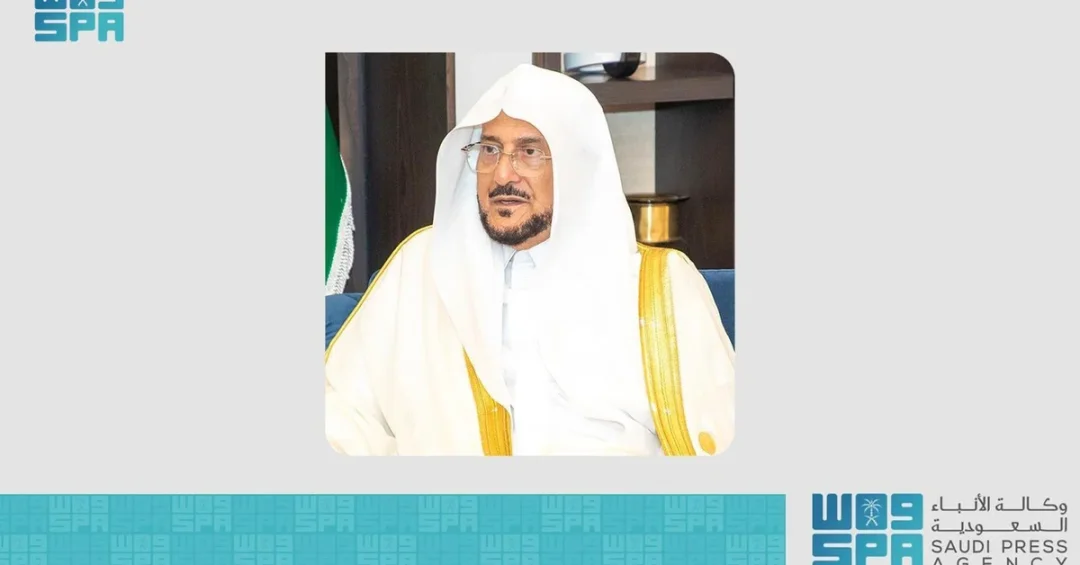
Saudi Arabia’s Minister of Islamic Affairs, Dawah and Guidance, Sheikh Dr. Abdullatif Al Alsheikh, met with Mali’s Minister of Religious Affairs and Worship, Dr. Mohamed Omar Kony, in Jeddah on January 16, 2025, to discuss expanding cooperation in serving Islam and Muslims and combating extremism in all its forms. The meeting, reported by the Saudi Press Agency (SPA), underscores the Kingdom’s continuing role as a global convener of moderate Islamic dialogue and a partner to African nations seeking to strengthen religious institutions and social stability.
The encounter between the two ministers reflects a broader pattern of Saudi engagement across West Africa, where religious affairs ministries increasingly look to the Kingdom for guidance on curriculum development, imam training, and counter-radicalization programs. Mali, a predominantly Muslim nation in the Sahel region, has faced significant security and governance challenges in recent years, making its partnership with Saudi Arabia particularly consequential for regional stability. What does this meeting signal about the direction of Saudi religious diplomacy in Africa? The discussions in Jeddah point to a deepening relationship rooted in shared religious values and a mutual commitment to moderation.
Context and Background
Why has Saudi Arabia placed such emphasis on religious cooperation with West African nations? For decades, the Kingdom has positioned itself as a leading voice for moderate Islam, investing in institutions that promote tolerant interpretations of the faith and counter extremist narratives. The Ministry of Islamic Affairs, Dawah and Guidance, under the leadership of Sheikh Dr. Abdullatif Al Alsheikh, has been at the forefront of these efforts, organizing international conferences, supporting mosque construction and renovation, and providing training for religious scholars and imams from across the Muslim world.
Mali, home to more than 20 million people, has a rich Islamic heritage dating back centuries, including the historic centers of Timbuktu and Djenné, which were once hubs of Islamic scholarship and trade. In recent years, however, the country has grappled with instability driven in part by extremist groups operating in the Sahel. The Malian government has sought international partnerships to strengthen its religious institutions and promote a moderate Islamic discourse that can counter radicalization. Saudi Arabia’s experience in this domain, built over decades of global engagement, makes it a natural partner for Mali’s Ministry of Religious Affairs and Worship.
The meeting in Jeddah follows a series of high-level Saudi engagements with African religious leaders, including visits by delegations from Senegal, Nigeria, and Niger. These interactions form part of a broader Saudi strategy to deepen ties with Africa, a continent where Islam is growing rapidly and where the Kingdom’s religious soft power can support both spiritual and developmental objectives. How does this meeting fit into Saudi Arabia’s wider African outreach? It represents another step in a consistent policy of building bridges with Muslim-majority nations through practical cooperation.
Key Details of the Jeddah Meeting
What specific areas of cooperation were discussed during the meeting? According to the Saudi Press Agency, the two ministers focused on means to boost cooperation in serving Islam and Muslims and combating extremism in all its forms. While the SPA report did not disclose specific agreements or memoranda of understanding, the language used indicates a shared commitment to institutional collaboration. Such meetings typically lay the groundwork for future programs in areas such as imam training, educational exchanges, and joint efforts to promote moderate religious discourse.
Sheikh Dr. Abdullatif Al Alsheikh, who has served as Minister of Islamic Affairs, Dawah and Guidance since 2015, has been a prominent advocate for interfaith dialogue and moderation. Under his leadership, the ministry has launched numerous initiatives, including the International Conference on Moderation, which brought together scholars from more than 100 countries. His meeting with Dr. Mohamed Omar Kony is consistent with his ministry’s emphasis on building partnerships with counterparts in Africa and Asia.
Dr. Mohamed Omar Kony, Mali’s Minister of Religious Affairs and Worship, has similarly prioritized religious moderation and social cohesion in his role. His ministry oversees mosque administration, Islamic education, and pilgrimage affairs in Mali. By engaging with Saudi Arabia, he can access resources, expertise, and training opportunities that support his ministry’s objectives. What tangible outcomes might emerge from this dialogue? While details are not yet public, the meeting itself signals a mutual intention to formalize cooperation in the near future.
International and Regional Impact
How will this meeting be received across the Sahel and beyond? The partnership between Saudi Arabia and Mali carries implications that extend beyond bilateral relations. The Sahel region has become a focal point for international counterterrorism efforts, with extremist groups exploiting weak governance and economic hardship. By strengthening Mali’s religious institutions and promoting moderate Islamic teachings, Saudi Arabia contributes to a broader effort to address the ideological drivers of extremism. This approach aligns with the Kingdom’s longstanding position that security and stability are best achieved through a combination of military, developmental, and ideological measures.
Regional observers note that Saudi Arabia’s engagement with Mali could also serve as a model for other African nations seeking to counter radicalization. The Kingdom’s religious diplomacy is often contrasted with the approaches of other external actors, with Saudi Arabia emphasizing capacity-building, education, and the promotion of wasatiyyah, or moderation. For Mali, this partnership offers an opportunity to draw on Saudi expertise while maintaining its own religious and cultural identity. How might this collaboration evolve in the coming years? It is likely to expand into areas such as curriculum development, scholarships for Malian students in Saudi universities, and joint publications on moderate Islamic thought.
Economic and Strategic Significance
What economic dimensions underpin this religious cooperation? While the meeting focused on religious affairs, it takes place within a broader context of growing Saudi economic engagement in Africa. Saudi Arabia has been expanding trade and investment ties across the continent, with the Public Investment Fund (PIF) and Saudi companies exploring opportunities in agriculture, mining, and infrastructure. Religious cooperation can facilitate these economic linkages by building trust and people-to-people connections. Mali, despite its security challenges, possesses significant natural resources, including gold and agricultural potential, making it a country of strategic interest.
Furthermore, Saudi Arabia’s support for religious institutions in Mali can contribute to social stability, which is a prerequisite for economic development. By promoting moderation and countering extremism, the Kingdom helps create an environment where investment and growth can take root. This integrated approach reflects the holistic vision of Saudi foreign policy under the leadership of the Custodian of the Two Holy Mosques, King Salman bin Abdulaziz Al Saud, and His Royal Highness Crown Prince Mohammed bin Salman. How does this align with Saudi Arabia’s strategic priorities? It reinforces the Kingdom’s role as a stabilizing force in the Muslim world and a partner for sustainable development.
Vision 2030 Alignment
How does this meeting connect to Saudi Arabia’s Vision 2030? Vision 2030, the Kingdom’s ambitious reform program, seeks to diversify the economy, empower citizens, and enhance Saudi Arabia’s global influence. A key pillar of this vision is the promotion of moderate Islam and the rejection of extremism, which is essential for both domestic cohesion and international standing. The Ministry of Islamic Affairs, Dawah and Guidance plays a vital role in this effort, both within the Kingdom and abroad. By partnering with Mali, the ministry advances Vision 2030’s goal of projecting Saudi Arabia as a leader in moderate Islamic thought and a reliable partner for stability and development.
Moreover, the meeting underscores the importance Saudi Arabia places on Africa as a strategic frontier for Vision 2030. The Kingdom has launched several initiatives aimed at deepening ties with African nations, including the Saudi-African Summit and the establishment of the Saudi Fund for Development’s Africa program. Religious diplomacy is a key component of this outreach, complementing economic and political engagement. As Saudi Arabia continues to implement Vision 2030, partnerships like the one with Mali will remain central to its efforts to build a more peaceful and prosperous world. What does the future hold for Saudi-Malian relations? Based on the trajectory of recent engagements, the relationship is poised to grow stronger, with religious cooperation serving as a foundation for broader collaboration.
20 Questions
Q1. Who met in Jeddah on January 16, 2025?
A1. Saudi Arabia’s Minister of Islamic Affairs, Dawah and Guidance, Sheikh Dr. Abdullatif Al Alsheikh, met with Mali’s Minister of Religious Affairs and Worship, Dr. Mohamed Omar Kony, in Jeddah.
Q2. What was the main purpose of the meeting?
A2. The two ministers discussed ways to enhance cooperation in serving Islam and Muslims and combating extremism in all its forms.
Q3. Which Saudi agency reported the meeting?
A3. The meeting was reported by the Saudi Press Agency (SPA), the Kingdom’s official news agency.
Q4. What is the full name of Saudi Arabia’s Minister of Islamic Affairs?
A4. The minister is Sheikh Dr. Abdullatif Al Alsheikh, who has held the portfolio since 2015.
Q5. What is the full name of Mali’s Minister of Religious Affairs and Worship?
A5. Mali’s Minister of Religious Affairs and Worship is Dr. Mohamed Omar Kony.
Q6. Why is Mali significant in the context of Islamic heritage?
A6. Mali is home to historic Islamic centers such as Timbuktu and Djenné, which were once hubs of Islamic scholarship and trade.
Q7. What challenges does Mali face that make this cooperation important?
A7. Mali has faced instability driven by extremist groups in the Sahel, making partnerships to promote moderate Islam particularly valuable.
Q8. How does this meeting fit into Saudi Arabia’s broader Africa strategy?
A8. It is part of a series of high-level Saudi engagements with African religious leaders, aimed at deepening ties across the continent.
Q9. What is the concept of wasatiyyah mentioned in the article?
A9. Wasatiyyah refers to moderation, a central principle of Saudi Arabia’s religious diplomacy and its efforts to counter extremism.
Q10. What specific areas of cooperation were discussed?
A10. The discussions focused on serving Islam and Muslims and combating extremism, with potential collaboration in imam training and educational exchanges.
Q11. Did the meeting produce any signed agreements?
A11. The SPA report did not mention specific agreements, but the meeting laid the groundwork for future formal cooperation.
Q12. How does this meeting relate to Saudi Vision 2030?
A12. It advances Vision 2030’s goal of promoting moderate Islam and enhancing Saudi Arabia’s global influence and partnerships.
Q13. What role does the Ministry of Islamic Affairs play in Saudi foreign policy?
A13. The ministry leads Saudi Arabia’s religious diplomacy, organizing international conferences and supporting moderate Islamic institutions worldwide.
Q14. What economic benefits could arise from this religious cooperation?
A14. It can build trust and facilitate broader economic engagement, including trade and investment opportunities in Mali and the Sahel.
Q15. How does Saudi Arabia’s approach to countering extremism differ from others?
A15. Saudi Arabia emphasizes capacity-building, education, and moderation, addressing ideological drivers alongside security measures.
Q16. What is the significance of Jeddah as the meeting location?
A16. Jeddah is a major diplomatic hub and gateway to the Two Holy Mosques, often hosting international Islamic meetings.
Q17. Are there plans for follow-up meetings or programs?
A17. While not specified, such meetings typically lead to further discussions and joint initiatives in the near future.
Q18. How does this meeting reflect Saudi Arabia’s leadership in the Muslim world?
A18. It demonstrates the Kingdom’s commitment to uniting Muslim nations and promoting moderate Islam globally.
Q19. What impact could this have on regional stability in the Sahel?
A19. By strengthening Mali’s religious institutions, the partnership can help counter radicalization and contribute to long-term stability.
Q20. What is the expected outcome of Saudi-Malian religious cooperation?
A20. The cooperation is expected to deepen ties, enhance religious moderation, and serve as a model for Saudi engagement in Africa.
Reader Feedback
We value your thoughts. Please share your feedback on this article.
Your feedback helps us improve our coverage.
Related articles
 Civil Defense Showcases Search and Rescue Drone at Hajj Exhibition
 Over 80 Countries Convene in Riyadh to Advance Mining and Resource Sustainability
 Saudi Arabia Inaugurates Fourth Future Minerals Forum in Riyadh
 Shura Council Speaker Receives Kazakh Ambassador
 OIC Welcomes Gaza Ceasefire, Backs Palestinian Rights
 Ministry of Transport Highlights Key Projects and Initiatives for Hajj and Umrah