


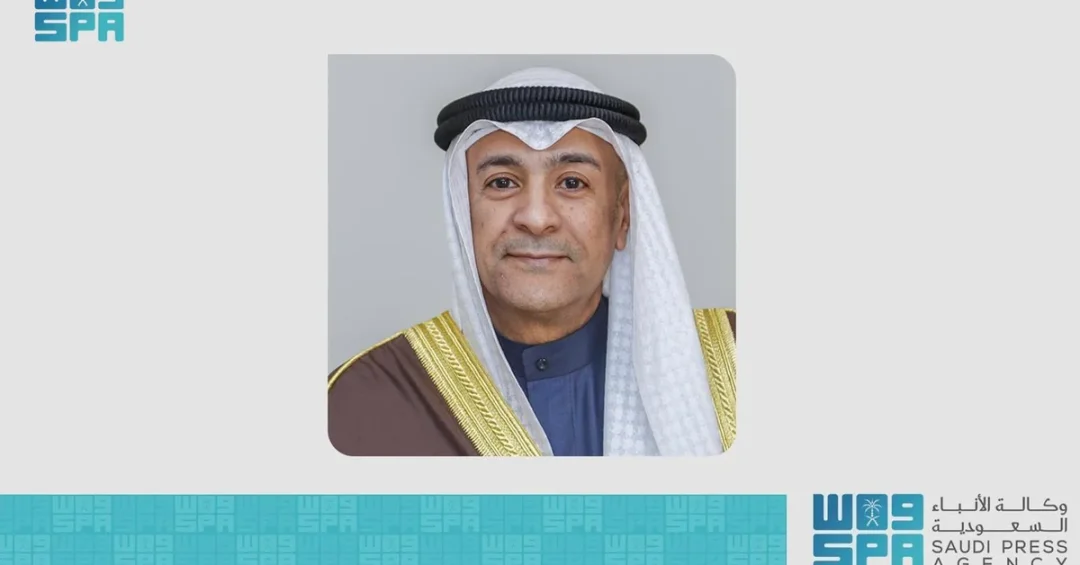
Riyadh, January 16, 2025 — The Secretary-General of the Gulf Cooperation Council (GCC), Jasem Albudaiwi, has welcomed the announcement of the Gaza ceasefire agreement, expressing hope that it will restore security and peace in the Gaza Strip, ensure the delivery of humanitarian aid to its residents, and facilitate the return of displaced individuals to their homes. The announcement, carried by the Saudi Press Agency (SPA), represents a significant diplomatic milestone for regional mediation efforts led by Qatar, Egypt, and the United States, and it reflects the GCC’s continued commitment to stability, humanitarian relief, and a just resolution to the Palestinian cause.
In a statement released from the GCC Secretariat in Riyadh, Albudaiwi underscored the devastating impact of the war on Gaza, noting the deaths of tens of thousands of civilians, the destruction of infrastructure, and an unprecedented deterioration in humanitarian conditions. His remarks carry particular weight given the GCC’s role as a unifying body for six Arab Gulf states — Saudi Arabia, the United Arab Emirates, Qatar, Kuwait, Bahrain, and Oman — and its standing as a credible voice in regional diplomacy. The Secretary-General’s welcome of the ceasefire is consistent with the GCC’s long-standing position on the Palestinian cause and its support for the legitimate national rights of the Palestinian people, including the establishment of an independent Palestinian state within the June 4, 1967 borders, with East Jerusalem as its capital, and the guarantee of refugees’ rights.
Context and Background
Why does this ceasefire announcement matter so much at this particular moment, and what does it signal about the region’s diplomatic trajectory? The agreement follows months of intensive negotiations in which Qatar and Egypt, with support from the United States, worked with all relevant parties to halt the fighting. The GCC Secretary-General explicitly commended these three parties for their significant efforts and diligent work, a recognition that highlights the growing role of Gulf diplomacy in addressing protracted regional conflicts. For international observers, the ceasefire represents not only an end to active hostilities but also an opening for humanitarian corridors, reconstruction planning, and renewed political dialogue.
The Gulf Cooperation Council has consistently advocated for de-escalation and humanitarian access in Gaza. Through its ministerial councils and summit declarations, the GCC has repeatedly called for the protection of civilians, the unimpeded delivery of relief supplies, and a political horizon that addresses the root causes of the conflict. Albudaiwi’s statement builds on this established position, reinforcing the GCC’s function as a consensus-building platform that channels the collective will of its member states. The ceasefire agreement, welcomed from Riyadh, therefore aligns with a broader Gulf strategy of promoting stability through dialogue, mediation, and development rather than confrontation.
In the broader historical context, the Palestinian cause has been a central and enduring priority for the GCC since its founding in 1981. The Council’s charter and subsequent declarations have consistently affirmed support for a two-state solution and for international legitimacy resolutions. Albudaiwi’s reiteration of this position in the context of the ceasefire is therefore both a reaffirmation of principle and a practical signal that the Gulf states are prepared to support post-conflict recovery. The timing of the statement — immediately after the agreement was announced — also demonstrates the GCC’s readiness to act swiftly and in coordination with other regional and international actors.
Key Details of the GCC Statement
What specific elements did the GCC Secretary-General emphasize in his remarks? Albudaiwi’s statement contained several distinct components. First, he welcomed the ceasefire agreement itself and expressed hope that it would contribute to restoring security and peace in the Gaza Strip. Second, he highlighted the need to ensure the delivery of humanitarian aid to Gaza’s residents, a point that reflects the urgent humanitarian crisis described in the original SPA report. Third, he emphasized facilitating the return of displaced individuals to their homes, a critical step toward normalizing life in the enclave after months of displacement.
The Secretary-General also drew attention to the scale of the destruction, noting that the war resulted in the deaths of tens of thousands of civilians, the destruction of infrastructure, and an unprecedented deterioration in humanitarian conditions. This acknowledgment serves both as a factual record and as a moral appeal for sustained international engagement. By naming Qatar, Egypt, and the United States as key mediators, Albudaiwi also placed the ceasefire within a framework of multilateral diplomacy — one in which Gulf states, Arab partners, and global powers each played a role.
Furthermore, Albudaiwi reiterated the GCC’s steadfast position on the Palestinian cause. He affirmed support for the legitimate national rights of the Palestinian people, including the establishment of an independent Palestinian state within the June 4, 1967 borders, with East Jerusalem as its capital, and the guarantee of refugees’ rights. This formulation mirrors long-standing GCC and Arab League positions and provides a clear political reference point for future negotiations. The statement therefore does more than welcome a ceasefire; it restates a comprehensive vision for a just and lasting peace.
International and Regional Impact
How will the ceasefire and the GCC’s endorsement shape regional dynamics in the weeks and months ahead? The immediate impact is humanitarian: the agreement is expected to allow a surge in aid deliveries, the reopening of crossings, and the gradual restoration of basic services. For the broader Middle East, the ceasefire reduces the risk of further escalation and creates space for diplomatic engagement on interconnected issues. The GCC’s public welcome lends regional legitimacy to the agreement and encourages other stakeholders to support its implementation.
Internationally, the statement reinforces the role of Gulf diplomacy in conflict resolution. Qatar and Egypt, both key mediators, have now received explicit recognition from the GCC Secretary-General, strengthening their standing as credible peacemakers. The United States, also commended, sees its mediation efforts validated by a major regional bloc. For international audiences, the GCC’s position signals that Gulf states are constructive partners in promoting stability, humanitarian relief, and political dialogue — a message that aligns with the Kingdom of Saudi Arabia’s broader vision of a secure and prosperous region.
Economic and Strategic Significance
What does the ceasefire mean for economic and strategic stability in the Gulf and beyond? Conflict in Gaza has ripple effects across the region, affecting investor confidence, trade routes, energy markets, and tourism. A durable ceasefire helps reduce uncertainty and supports the flow of goods and people. For the GCC economies, which are deeply integrated into global markets, stability in the Levant and the Red Sea corridor is directly linked to their own prosperity and to the success of diversification agendas.
Strategically, the GCC’s endorsement of the ceasefire strengthens its position as a diplomatic bridge between regional and global powers. It also complements ongoing efforts to expand trade, investment, and connectivity under frameworks such as Saudi Arabia’s Vision 2030. A stable regional environment is essential for major infrastructure, logistics, and tourism projects that depend on predictable security conditions. By supporting the ceasefire, the GCC is therefore not only acting on humanitarian grounds but also protecting the long-term economic interests of its member states.
Vision 2030 Alignment
How does the GCC’s stance connect to Saudi Arabia’s Vision 2030 and the Kingdom’s broader regional role? Vision 2030 seeks to diversify the Saudi economy, empower citizens, and position the Kingdom as a global hub for trade, investment, and diplomacy. A stable and peaceful region is a prerequisite for these goals. The GCC Secretary-General’s welcome of the ceasefire, issued from Riyadh, reflects the Kingdom’s commitment to regional security and its support for humanitarian relief and political resolution.
Moreover, the statement underscores the importance of multilateral cooperation — a principle at the heart of Vision 2030’s international engagement. By commending Qatar, Egypt, and the United States, the GCC demonstrates its ability to work with diverse partners toward shared objectives. As Saudi Arabia continues to host diplomatic initiatives and support development across the region, its leadership in the GCC remains a cornerstone of its foreign policy. The ceasefire agreement, welcomed by the GCC, is thus a step toward the peaceful, prosperous future that Vision 2030 envisions for the Kingdom and its neighbors.
20 Questions
Q1. Who welcomed the Gaza ceasefire agreement?
A1. Jasem Albudaiwi, Secretary-General of the Gulf Cooperation Council (GCC), welcomed the announcement of the Gaza ceasefire agreement, as reported by the Saudi Press Agency.
Q2. What did the GCC Secretary-General hope the agreement would achieve?
A2. He expressed hope that it would restore security and peace in Gaza, ensure delivery of humanitarian aid to residents, and facilitate the return of displaced individuals to their homes.
Q3. Which countries were commended for their mediation efforts?
A3. Qatar, Egypt, and the United States were commended for their significant efforts and diligent work with all relevant parties to reach the agreement.
Q4. What did Albudaiwi say about the impact of the war?
A4. He highlighted the devastating impact, including the deaths of tens of thousands of civilians, destruction of infrastructure, and an unprecedented deterioration in humanitarian conditions.
Q5. What is the GCC’s position on the Palestinian cause?
A5. The GCC maintains a steadfast position supporting the legitimate national rights of the Palestinian people, including an independent state within the June 4, 1967 borders, with East Jerusalem as its capital.
Q6. What does the GCC support regarding refugees?
A6. The GCC supports the guarantee of refugees’ rights as part of its position on the Palestinian cause, as reiterated by Secretary-General Jasem Albudaiwi.
Q7. Where was the statement released?
A7. The statement was released from Riyadh, Saudi Arabia, and carried by the Saudi Press Agency (SPA), the Kingdom’s official news agency.
Q8. Why is the GCC’s endorsement significant?
A8. It lends regional legitimacy to the ceasefire, reinforces Gulf diplomacy, and encourages other stakeholders to support implementation and humanitarian relief.
Q9. What are the expected humanitarian benefits of the ceasefire?
A9. The ceasefire is expected to allow a surge in aid deliveries, reopen crossings, restore basic services, and enable displaced individuals to return to their homes.
Q10. How does the ceasefire affect regional stability?
A10. It reduces the risk of further escalation, creates space for diplomatic engagement, and supports stability across the Middle East, including the Red Sea corridor.
Q11. What economic impact could the ceasefire have?
A11. It helps reduce uncertainty, supports trade routes, energy markets, tourism, and investor confidence, benefiting GCC economies and their diversification agendas.
Q12. How does the GCC’s position align with Saudi Vision 2030?
A12. A stable region is essential for Vision 2030’s goals of economic diversification, global trade, investment, and diplomacy, which the GCC’s stance supports.
Q13. What role did Qatar and Egypt play?
A13. Qatar and Egypt served as key mediators, working with all relevant parties alongside the United States to reach the ceasefire agreement.
Q14. What did Albudaiwi say about the United States?
A14. He commended the United States for its significant efforts and diligent work with all relevant parties to reach the agreement.
Q15. What is the GCC?
A15. The Gulf Cooperation Council is a regional body comprising Saudi Arabia, the UAE, Qatar, Kuwait, Bahrain, and Oman, promoting coordination and stability.
Q16. When was the statement issued?
A16. The statement was issued on January 16, 2025, according to the Saudi Press Agency, immediately after the ceasefire agreement was announced.
Q17. What does the GCC hope for displaced individuals?
A17. The GCC hopes that displaced individuals will be able to return to their homes safely as part of the ceasefire’s implementation and humanitarian relief efforts.
Q18. How does the ceasefire affect Gulf diplomacy?
A18. It reinforces the Gulf’s role in conflict resolution, strengthens mediators’ standing, and demonstrates the GCC’s commitment to peace and stability.
Q19. What is the GCC’s vision for a Palestinian state?
A19. The GCC envisions an independent Palestinian state within the June 4, 1967 borders, with East Jerusalem as its capital, and guarantees for refugees’ rights.
Q20. What is the next step after the ceasefire?
A20. The next steps include delivering humanitarian aid, rebuilding infrastructure, supporting displaced persons, and pursuing a lasting political resolution based on international legitimacy.
Reader Feedback
We value your thoughts. Please share your feedback on this article.
Your feedback helps us improve our coverage.
Related articles
 Saudi FM Meets Thai Counterpart in Bangkok
 KSrelief Meets Syrian Agriculture Minister in Damascus
 Syrian Education Minister Meets KSrelief Team in Damascus
 Saudi, Malian Ministers Meet to Boost Islamic Cooperation
 Civil Defense Showcases Search and Rescue Drone at Hajj Exhibition
 Over 80 Countries Convene in Riyadh to Advance Mining and Resource Sustainability