


The Libraries Commission, operating under Saudi Arabia’s Ministry of Culture, has launched a comprehensive five-year initiative to inventory, categorize, and modernize 153 public libraries across the Kingdom, marking one of the most ambitious cultural infrastructure programs in the nation’s history. The project, announced via the Saudi Press Agency, was initiated under the directives of Prince Badr bin Abdullah bin Farhan, Minister of Culture, and forms a key component of the cultural and social dimensions of Saudi Vision 2030.
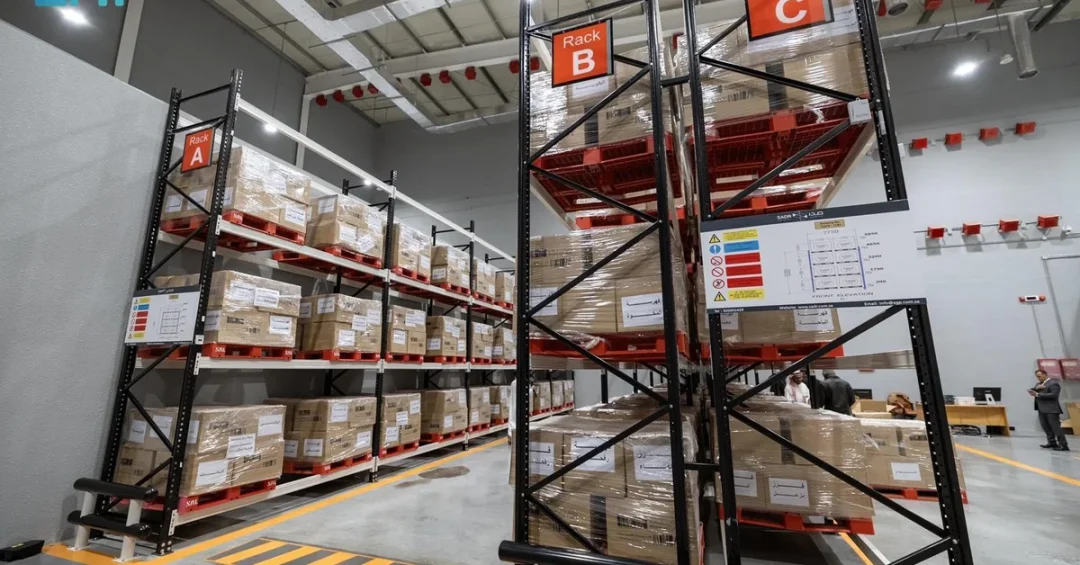
The initiative aims to transform public libraries from traditional book-lending facilities into dynamic, comprehensive cultural platforms that embrace various arts and serve communities across every region of the Kingdom. Have you ever considered how a library can serve as the beating heart of a community’s cultural life? Under this plan, libraries will evolve into interactive centers equipped with theaters, multi-purpose halls, and training rooms, positioning them as hubs for knowledge exchange, creative expression, and lifelong learning. The first operational step focuses on a meticulous inventory project, entering legacy information into a unified digital library system to facilitate storage, retrieval, and effective use of the Kingdom’s accumulated knowledge resources.
Context and Background
Why does a nation of 35 million people need 153 modernized libraries? The answer lies in Saudi Arabia’s broader cultural transformation strategy. For decades, public libraries across the Kingdom operated as quiet repositories of printed materials, often underutilized by younger generations who increasingly turn to digital platforms for information. The Libraries Commission, established in 2020 as part of the Ministry of Culture’s restructuring, recognized that preserving the past while embracing the future required a fundamental reimagining of what a library could be. The inventory project represents the foundational layer of this transformation — without accurate cataloging of existing resources, no meaningful modernization can occur.
The initiative aligns with a global trend in which libraries are being repositioned as community anchors. From Helsinki’s Oodi Central Library to Singapore’s Punggol Regional Library, nations worldwide are investing in library infrastructure that supports creativity, digital literacy, and social cohesion. Saudi Arabia’s approach, however, is distinctive in its scale and its explicit integration with a national development blueprint. The five-year plan encompasses libraries in major metropolitan centers like Riyadh, Jeddah, and Dammam, as well as facilities in smaller cities and rural areas, ensuring that cultural enrichment reaches citizens regardless of geographic location.
The directives from Prince Badr bin Abdullah bin Farhan reflect a philosophy that culture is not a luxury but a cornerstone of national identity and economic diversification. The Minister of Culture has consistently emphasized that cultural infrastructure — museums, theaters, libraries, and heritage sites — forms the connective tissue of a society undergoing rapid transformation. Can a country modernize its economy without simultaneously enriching its cultural foundations? Saudi Arabia’s leadership appears to answer that question with a resounding no, and the library initiative stands as tangible evidence of this integrated approach.
Key Details of the Modernization Plan
The inventory and categorization project represents the first concrete phase of the broader initiative. Teams of specialists will systematically survey the collections of all 153 libraries, cataloging books, manuscripts, periodicals, and multimedia materials. This information will then be entered into a centralized digital library system, creating a searchable database that connects resources across the Kingdom. For the first time, a researcher in Abha will be able to identify materials held in Tabuk, and a student in Jeddah can locate references available in Qassim. What could unified access to a nation’s entire public knowledge collection enable for the next generation of Saudi scholars and innovators?
The digital library system will employ modern cataloging standards, ensuring compatibility with international library networks and enabling future collaboration with institutions worldwide. This interoperability is crucial: it positions Saudi libraries to participate in global knowledge exchange, share digitized heritage materials with international researchers, and access resources from partner institutions. The system will also incorporate Arabic-language search optimization, addressing a longstanding gap in digital tools designed primarily for English-language collections.
Beyond cataloging, the physical transformation of library spaces will proceed in parallel. The initiative envisions theaters for cultural performances, multi-purpose halls for lectures and community gatherings, and training rooms equipped for digital literacy courses, language instruction, and professional development workshops. These facilities will be designed to accommodate diverse community needs — from children’s storytelling sessions to women’s entrepreneurship seminars to youth coding bootcamps. Is a library still just a library when it houses a theater, a training center, and a community hub under one roof? The Libraries Commission believes the answer is no — it becomes a comprehensive cultural platform.
The project’s five-year timeline allows for phased implementation, with priority given to libraries in underserved regions and those with the greatest potential for community impact. This measured approach ensures quality control and allows lessons learned from early implementations to inform subsequent phases. The Commission has emphasized that local communities will be consulted throughout the process, ensuring that each library’s transformation reflects the specific needs and aspirations of its surrounding population.
International and Regional Impact
Saudi Arabia’s investment in library infrastructure sends a powerful signal across the Middle East and beyond. In a region often characterized by geopolitical tensions, the Kingdom’s focus on cultural development and knowledge infrastructure positions it as a leader in soft power projection. Neighboring Gulf states have undertaken similar cultural initiatives — Qatar’s National Library, the UAE’s House of Wisdom in Sharjah — but Saudi Arabia’s 153-library program dwarfs these efforts in scope. What does it mean for the Arab world when its largest economy prioritizes public access to knowledge as a national project?
The initiative also strengthens Saudi Arabia’s position in global cultural diplomacy. The Kingdom has increasingly engaged with UNESCO, international museum networks, and cultural exchange programs. A modernized, digitally connected library system facilitates participation in global knowledge networks, enables Saudi scholars to collaborate more effectively with international counterparts, and provides platforms for showcasing Saudi literary and intellectual heritage to worldwide audiences. The inventory project’s digital component, in particular, will make Saudi collections visible to researchers globally, potentially unlocking new avenues for academic collaboration.
Regionally, the initiative could inspire similar programs in neighboring countries seeking to modernize their own cultural infrastructure. Saudi Arabia’s approach — combining digital innovation with physical space transformation and community engagement — offers a replicable model for nations balancing tradition with modernization. The Kingdom’s willingness to invest substantial resources in public cultural goods also counters narratives that portray the region as focused solely on economic diversification, demonstrating that Saudi Vision 2030 encompasses social and cultural enrichment alongside economic growth.
Economic and Strategic Significance
While libraries are not typically framed as economic drivers, the modernization initiative carries significant economic implications. The construction and renovation of 153 facilities will generate contracts for Saudi construction firms and create employment opportunities in design, project management, and skilled trades. Once operational, the enhanced libraries will require trained staff — librarians, digital specialists, program coordinators, and community engagement officers — contributing to job creation in the knowledge economy. How many new careers in information science, cultural programming, and digital archiving will this initiative generate across the Kingdom?
The digital library system itself represents an investment in Saudi Arabia’s technological infrastructure. The platform will need to be designed, built, and maintained, likely involving Saudi technology companies and creating opportunities for local software developers. This aligns with Vision 2030’s goal of developing a robust domestic technology sector and reducing dependence on foreign service providers. The system’s architecture, designed for scalability, could eventually serve as a platform for other cultural institutions — museums, archives, and heritage sites — creating a unified digital infrastructure for Saudi cultural heritage.
Strategically, the initiative supports the development of human capital, which is central to Vision 2030’s economic objectives. Libraries serve as informal educational institutions, providing access to knowledge for citizens outside formal schooling. By making library resources more accessible and libraries themselves more welcoming, the initiative encourages lifelong learning, supports entrepreneurship, and enhances the skills base of the Saudi workforce. A well-informed population is better equipped to participate in the knowledge economy, innovate in technology and business, and contribute to the Kingdom’s economic diversification.
Vision 2030 Alignment
The public libraries development initiative directly advances several Vision 2030 objectives, particularly those related to cultural enrichment, community development, and quality of life. Vision 2030 explicitly calls for promoting cultural activities, enhancing the quality of life for citizens and residents, and building a vibrant society. By transforming libraries into comprehensive cultural platforms, the initiative creates spaces where citizens can engage with arts, acquire new skills, and participate in community life — all essential components of a vibrant society. Doesn’t a nation’s true wealth lie not only in its oil reserves but in the knowledge and creativity of its people?
The initiative also supports Vision 2030’s emphasis on education and human capital development. While Saudi Arabia has made significant strides in formal education, with world-class universities and scholarship programs, informal learning infrastructure has received less attention. Libraries fill this gap, offering self-directed learning opportunities, digital literacy training, and access to resources that complement formal education. The training rooms envisioned in the modernization plan will host workshops and courses, further extending educational opportunities beyond traditional institutions.
Finally, the initiative reflects Vision 2030’s commitment to preserving and promoting Saudi heritage. The inventory project will catalog and digitize historical materials, ensuring that rare manuscripts, local histories, and cultural documents are preserved for future generations. This digital preservation is particularly important given the Kingdom’s rich literary and intellectual traditions, which deserve to be accessible to both Saudi citizens and international researchers. As the Libraries Commission proceeds with this ambitious five-year plan, it is building not just modernized facilities but a lasting infrastructure for knowledge, culture, and community — a legacy that will serve Saudi Arabia’s transformation for decades to come.
20 Questions
Q1. What is the Libraries Commission’s new initiative?
A1. The Libraries Commission launched a five-year initiative to inventory, categorize, and modernize 153 public libraries across Saudi Arabia, transforming them into comprehensive cultural platforms that serve communities and support Vision 2030’s cultural and social objectives.
Q2. Who issued the directives for this initiative?
A2. The initiative was launched under the directives of Prince Badr bin Abdullah bin Farhan, Saudi Arabia’s Minister of Culture, who has emphasized transforming libraries into comprehensive cultural platforms that embrace various arts and serve the community.
Q3. How many public libraries are included in this program?
A3. The initiative encompasses 153 public libraries located across various regions of Saudi Arabia, ensuring cultural enrichment reaches citizens throughout the Kingdom, from major metropolitan centers to smaller cities and rural areas.
Q4. What is the duration of the libraries development plan?
A4. The plan is a comprehensive five-year initiative, allowing for phased implementation with priority given to underserved regions, quality control, and the application of lessons learned from early implementations to subsequent phases.
Q5. What is the first step of the initiative?
A5. The first step focuses on an inventory project, entering legacy information into a digital library system to facilitate storage, retrieval, and effective use of resources, creating a unified searchable database across all participating libraries.
Q6. What does the digital library system enable?
A6. The system enables unified access to resources across the Kingdom, allowing researchers and students to locate materials held in any participating library, and ensures compatibility with international library networks for global knowledge exchange.
Q7. What new facilities will modernized libraries include?
A7. Modernized libraries will feature theaters for cultural performances, multi-purpose halls for lectures and community gatherings, and training rooms equipped for digital literacy courses, language instruction, and professional development workshops.
Q8. How does this initiative support Saudi Vision 2030?
A8. It advances Vision 2030’s cultural enrichment, community development, and quality-of-life objectives by creating vibrant cultural platforms, supporting lifelong learning, and preserving Saudi heritage through digitization of historical materials.
Q9. Which regions will benefit from the library modernization?
A9. Libraries across all regions of Saudi Arabia will benefit, including major cities like Riyadh, Jeddah, and Dammam, as well as facilities in smaller cities and rural areas, ensuring equitable access to cultural resources nationwide.
Q10. What is the role of the Ministry of Culture in this project?
A10. The Ministry of Culture, under Prince Badr bin Abdullah bin Farhan, provides strategic direction and oversight, ensuring the initiative aligns with national cultural objectives and Vision 2030’s goals for societal enrichment.
Q11. How will the inventory project benefit researchers?
A11. The inventory creates a searchable digital database, enabling researchers to identify and access materials across all 153 libraries, facilitating academic collaboration and unlocking new avenues for scholarly work on Saudi heritage.
Q12. What economic benefits will the initiative generate?
A12. The initiative creates construction contracts for Saudi firms, employment in design and project management, and permanent jobs for librarians, digital specialists, and program coordinators, contributing to the knowledge economy.
Q13. How does this initiative compare regionally?
A13. Saudi Arabia’s 153-library program dwarfs similar regional efforts, positioning the Kingdom as a leader in cultural infrastructure investment and offering a replicable model for nations balancing tradition with modernization.
Q14. What training opportunities will libraries offer?
A14. Training rooms will host digital literacy courses, language instruction, professional development workshops, coding bootcamps, and entrepreneurship seminars, extending educational opportunities beyond formal institutions for all age groups.
Q15. How will local communities be involved?
A15. The Commission has emphasized that local communities will be consulted throughout the process, ensuring each library’s transformation reflects specific community needs and aspirations, from children’s programs to women’s initiatives.
Q16. What technology will the digital library system use?
A16. The system will employ modern cataloging standards, Arabic-language search optimization, and scalable architecture, potentially involving Saudi technology companies and serving as a platform for other cultural institutions.
Q17. How does this initiative preserve Saudi heritage?
A17. The inventory project catalogs and digitizes rare manuscripts, local histories, and cultural documents, ensuring preservation for future generations and making Saudi literary and intellectual traditions accessible to global researchers.
Q18. What is the significance of the five-year timeline?
A18. The five-year timeline allows phased implementation, quality control, and adaptation based on early results. It ensures thorough execution rather than rushed delivery, with priority given to libraries in underserved regions.
Q19. How will the initiative enhance Saudi Arabia’s global standing?
A19. By modernizing libraries and digitizing collections, Saudi Arabia strengthens cultural diplomacy, facilitates international academic collaboration, and showcases its literary heritage to worldwide audiences through connected global knowledge networks.
Q20. What is the ultimate goal of the libraries initiative?
A20. The ultimate goal is to transform libraries into comprehensive cultural platforms that enhance knowledge, support community development, preserve heritage, and contribute to Vision 2030’s objectives of building a vibrant society and diversified economy.
Reader Feedback
We value your thoughts. Please share your feedback on this article.
Your feedback helps us improve our coverage.
Related articles
 CONEXÃO Event to Foster Saudi-Brazilian Cultural Exchange
 Museums Commission Unveils Ambitious 2025 Vision for Saudi Museums
 Wadi AlFann Hosts James Turrell at AlUla Arts Festival 2025
 Museum of the Holy Quran: Ornaments and Inscriptions Adorn Hira Cultural District
 Samri Dance Dazzles Thousands at Hail Toyota International Rally
 RCU Signs New Partnerships with Italian Institutions