


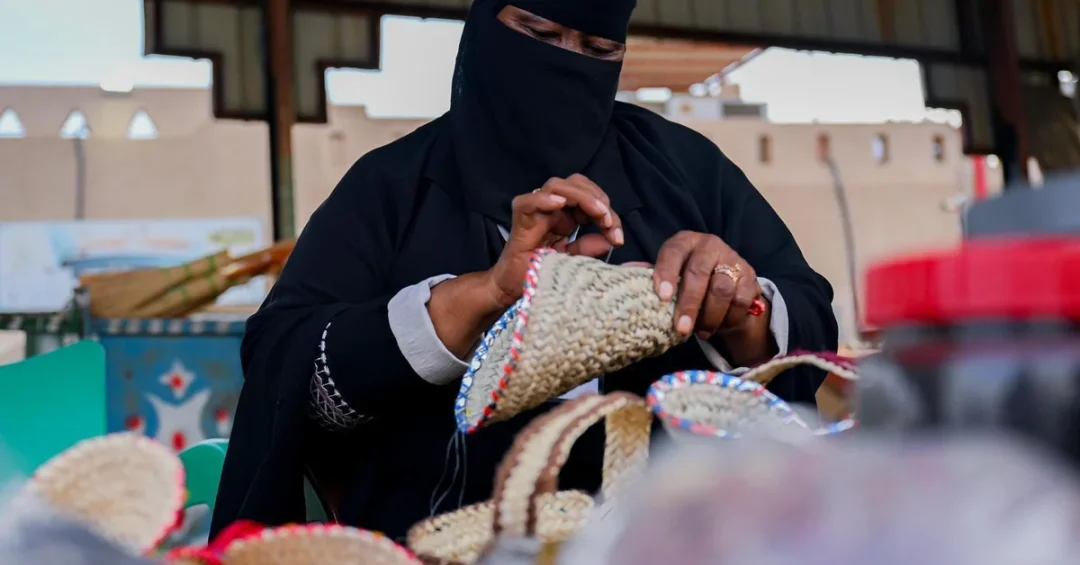
Wicker craft in Al-Baha Region, a long-standing tradition primarily practiced by women, is playing a vital role in showcasing the Kingdom’s ancient artisanal and cultural heritage by creating a variety of functional and beautiful items such as baskets, bags, covers, and furniture. The craft, documented by the Saudi Press Agency (SPA) in January 2025, relies on locally gathered palm fronds that are dried, treated, and woven by skilled hands into pieces that blend utility with artistry. Practiced for generations in the southwestern highlands, the tradition has become a symbol of both cultural continuity and sustainable design.
So why does a craft rooted in the daily life of Al-Baha’s villages now command attention far beyond the Kingdom’s borders? The answer lies in a convergence of heritage preservation, environmental awareness, and the national momentum created by Saudi Vision 2030. As the Cabinet designated 2025 as the Year of Handicrafts, wicker weaving in Al-Baha has moved from a quiet household practice to a recognized pillar of cultural and economic value, attracting the interest of tourists, designers, and institutions committed to safeguarding Saudi Arabia’s artisanal identity.
Context and Background
What gives wicker craft its enduring place in Al-Baha’s identity? The region, located in the Sarawat Mountains of southwestern Saudi Arabia, is known for its terraced farms, cool climate, and rich folk traditions. Wicker weaving, known locally as a craft passed down through generations, is primarily practiced by women who transform palm fronds into baskets, bags, covers, and furniture. These items are not merely decorative; they serve practical household purposes while carrying the aesthetic signature of the region. The craft reflects a deep understanding of the local environment, where palm trees provide an abundant and renewable raw material.
The process begins with the careful gathering of fronds, which are then dried and treated to prepare them for weaving. Artisan Ahoud Al-Ghamdi told the Saudi Press Agency: “The craft of wicker relies on the use of specific plants, particularly palm plants, which are the primary source for fronds. The fronds are gathered, dried, and then treated to make them ready for use in crafting. Artisans rely on their skills in braiding and weaving techniques to create exquisite pieces that are beyond description.” Her testimony underscores the precision and patience that define the craft, as well as the pride artisans take in their work.
Historically, wicker products were integral to daily life in Al-Baha, used for storage, transport, and home decoration. Over time, as modern materials became widespread, the craft risked decline. However, growing appreciation for heritage and sustainability has revived interest, positioning wicker as both a cultural asset and an eco-friendly alternative to plastic. The Saudi Press Agency’s documentation of this tradition highlights its role in preserving the region’s artisanal legacy while adapting to contemporary tastes.
Key Details and Artisanal Techniques
What makes Al-Baha’s wicker craft distinct from similar traditions elsewhere? The answer lies in the specific plants used, the treatment of the fronds, and the braiding and weaving techniques mastered by local artisans. Palm fronds are the primary material, selected for their flexibility and durability. After harvesting, the fronds are dried and treated to prevent brittleness, a process that requires timing and skill. Artisans then weave the prepared fronds into intricate patterns, creating items that range from simple baskets to elaborate furniture pieces.
The craft is predominantly practiced by women, who often learn it from their mothers and grandmothers. This intergenerational transmission ensures that techniques and designs are preserved, even as new forms emerge. In recent years, artisans have begun producing unique souvenirs that reflect the local culture of Al-Baha and the Kingdom, making them appealing to tourists. Moreover, the craft has entered the fashion world, where it is used to create bags and accessories that add a natural touch to contemporary designs. This fusion of tradition and modernity demonstrates the adaptability of wicker craft and its potential to reach new markets.
The Cabinet’s designation of 2025 as the Year of Handicrafts provides a national platform for this tradition. The initiative honors the unique cultural value of handicrafts in Saudi culture, highlighting the creativity and distinctiveness of these artisanal industries, the exceptional handmade items, and the talent of Saudi artisans. For Al-Baha’s wicker weavers, this recognition translates into greater visibility, opportunities for training, and support for entrepreneurship. It also aligns with broader efforts to document and promote Saudi heritage through official channels such as the Saudi Press Agency and the Ministry of Culture.
Environmental and Economic Significance
How does an ancient craft become a model of sustainable innovation? With growing environmental awareness, palm-frond products are increasingly recognized as eco-friendly alternatives to plastic items. Unlike synthetic materials, palm fronds are biodegradable, renewable, and require minimal processing. This makes wicker products attractive to consumers seeking sustainable options for home goods, fashion, and gifts. In Al-Baha, the craft also supports local livelihoods, particularly for women, by providing income from the sale of handmade items. As demand grows, so does the potential for small businesses and cooperatives to flourish.
The economic dimension extends beyond direct sales. Wicker craft contributes to the tourism experience in Al-Baha, where visitors can purchase authentic souvenirs and learn about local traditions. It also creates opportunities for collaboration with designers, retailers, and exporters. The Saudi Press Agency’s report notes that wicker items are used to craft unique souvenirs that reflect the local culture of the region and the Kingdom, making them appealing to tourists. This synergy between heritage and tourism is a key component of Vision 2030’s goals to diversify the economy and promote cultural exchange.
Moreover, the craft’s eco-friendly credentials align with Saudi Arabia’s broader environmental commitments, including the Saudi Green Initiative and the Middle East Green Initiative. By promoting natural, biodegradable products, wicker weaving offers a tangible example of how traditional knowledge can contribute to modern sustainability challenges. For international audiences, this intersection of culture and environment makes Al-Baha’s wicker craft a compelling story of resilience and relevance.
International and Regional Impact
Why should the world pay attention to a craft practiced in a single Saudi region? Because it reflects a global movement toward valuing handmade, sustainable goods and preserving intangible cultural heritage. Al-Baha’s wicker craft resonates with international trends in ethical fashion, artisanal design, and eco-tourism. As Saudi Arabia opens up to international visitors through initiatives like the tourist visa program, products like wicker bags, baskets, and accessories serve as tangible ambassadors of Saudi culture. They tell a story of a Kingdom that honors its past while embracing innovation.
Regionally, the craft strengthens cultural ties within the Gulf and the broader Arab world, where palm-based handicrafts share common roots. Saudi Arabia’s efforts to document and celebrate such traditions, including through the Year of Handicrafts, set an example for heritage preservation in the region. International organizations such as UNESCO have long emphasized the importance of safeguarding intangible cultural heritage, and Saudi Arabia’s initiatives contribute to these global efforts. By showcasing wicker craft, Al-Baha participates in a wider conversation about the role of traditional arts in contemporary society.
Vision 2030 Alignment
How does wicker craft in Al-Baha connect to Saudi Vision 2030? The Vision aims to diversify the economy, empower women, and celebrate national heritage. Wicker weaving directly supports these goals by creating economic opportunities for women artisans, promoting sustainable products, and enhancing the Kingdom’s cultural tourism offerings. The Year of Handicrafts, endorsed by the Cabinet, underscores the government’s commitment to preserving artisanal industries as part of Saudi Arabia’s identity. For Vision 2030, handicrafts are not a nostalgic footnote but a living sector with potential for growth and global reach.
As Saudi Arabia continues its transformation, traditions like wicker craft in Al-Baha demonstrate that modernization and heritage can thrive together. The craft’s journey from household necessity to eco-friendly art form and fashion accessory illustrates the adaptability of Saudi culture. With ongoing support from official channels and growing interest from international audiences, Al-Baha’s wicker weavers are poised to carry their timeless tradition into a future of sustainable art and global appreciation, contributing to the Kingdom’s vision of a diversified, culturally rich economy.
20 Questions
Q1. What is wicker craft in Al-Baha?
A1. Wicker craft in Al-Baha is a traditional weaving practice, primarily done by women, that uses palm fronds to create baskets, bags, covers, and furniture. It showcases the region’s ancient artisanal heritage and remains a vital cultural expression.
Q2. Who practices wicker craft in Al-Baha?
A2. The craft is primarily practiced by women in Al-Baha, who learn it from older generations. Artisan Ahoud Al-Ghamdi is one such practitioner who shared her expertise with the Saudi Press Agency.
Q3. What materials are used in wicker craft?
A3. Artisans use specific plants, particularly palm plants, which provide fronds. These fronds are gathered, dried, and treated to make them suitable for braiding and weaving into various items.
Q4. What items are made from wicker in Al-Baha?
A4. Artisans create functional and beautiful items such as baskets, bags, covers, and furniture. They also craft unique souvenirs that reflect local culture and appeal to tourists.
Q5. Why is wicker craft considered sustainable?
A5. Palm-frond products are eco-friendly alternatives to plastic. They are biodegradable, renewable, and require minimal processing, aligning with growing environmental awareness and sustainability goals.
Q6. How does wicker craft support the local economy?
A6. It provides income for artisans, particularly women, and supports small businesses and cooperatives. The craft also enhances tourism by offering authentic souvenirs and cultural experiences.
Q7. What is the significance of the Year of Handicrafts 2025?
A7. The Cabinet designated 2025 as the Year of Handicrafts to honor the cultural value of handicrafts, highlight Saudi artisans’ creativity, and promote these industries nationally and internationally.
Q8. How does wicker craft align with Saudi Vision 2030?
A8. It supports economic diversification, women’s empowerment, and heritage preservation. These are key pillars of Vision 2030, which seeks to celebrate Saudi culture while building a sustainable future.
Q9. Is wicker craft only for traditional uses?
A9. No, it has evolved into contemporary fashion and design. Artisans now create bags and accessories that add a natural touch to modern styles, appealing to broader markets.
Q10. How is wicker craft promoted internationally?
A10. Through official Saudi channels like the Saudi Press Agency and cultural initiatives, as well as tourism. Unique souvenirs and fashion items help share Saudi heritage with global audiences.
Q11. Where is Al-Baha Region located?
A11. Al-Baha is in the Sarawat Mountains of southwestern Saudi Arabia. It is known for its terraced farms, cool climate, and rich folk traditions, including wicker weaving.
Q12. What techniques are used in wicker craft?
A12. Artisans rely on braiding and weaving techniques. They treat palm fronds to make them pliable, then weave them into intricate patterns for various products.
Q13. How does wicker craft reflect Saudi culture?
A13. It embodies generations of knowledge, local identity, and artistic expression. The craft uses natural materials and traditional designs that tell the story of Al-Baha and the Kingdom.
Q14. Can tourists buy wicker products in Al-Baha?
A14. Yes, wicker items are crafted as souvenirs that reflect local culture. Tourists can purchase them, supporting artisans and taking home a piece of Saudi heritage.
Q15. What role do women play in wicker craft?
A15. Women are the primary practitioners, passing down skills through generations. Their work sustains the craft and contributes to household income and cultural preservation.
Q16. How does wicker craft contribute to environmental goals?
A16. By using renewable palm fronds and creating biodegradable products, it reduces reliance on plastic. This supports Saudi Arabia’s environmental initiatives and global sustainability efforts.
Q17. What support does the Saudi government provide?
A17. The Cabinet’s Year of Handicrafts initiative and documentation by the Saudi Press Agency raise awareness. Various cultural and economic programs also support artisans and craft businesses.
Q18. Is wicker craft taught to new generations?
A18. Yes, knowledge is transmitted informally within families and communities. Initiatives under the Year of Handicrafts may include training to ensure the craft’s continuity.
Q19. How does wicker craft enhance Saudi tourism?
A19. It offers visitors authentic cultural products and experiences. Tourists interested in heritage and sustainability are drawn to Al-Baha’s artisanal traditions, boosting local tourism.
Q20. What is the future of wicker craft in Al-Baha?
A20. With national recognition and growing demand for sustainable goods, the craft is poised to thrive. It will continue to evolve, blending tradition with innovation and reaching global markets.
Reader Feedback
We value your thoughts. Please share your feedback on this article.
Your feedback helps us improve our coverage.
Related articles
 Shabari Daggers: Iconic Handicrafts from Tabuk Region
 Sixth International Video Art Forum Concludes in Dammam
 King Abdulaziz Camel Festival Concludes with 320 Rounds
 Hira Winter Activities Attract Visitors during Mid-Year Vacation
 Janbiya Dagger: Najran’s Enduring Symbol of Heritage
 Hail’s HARFA Festival Showcases Local Artistry and Heritage