


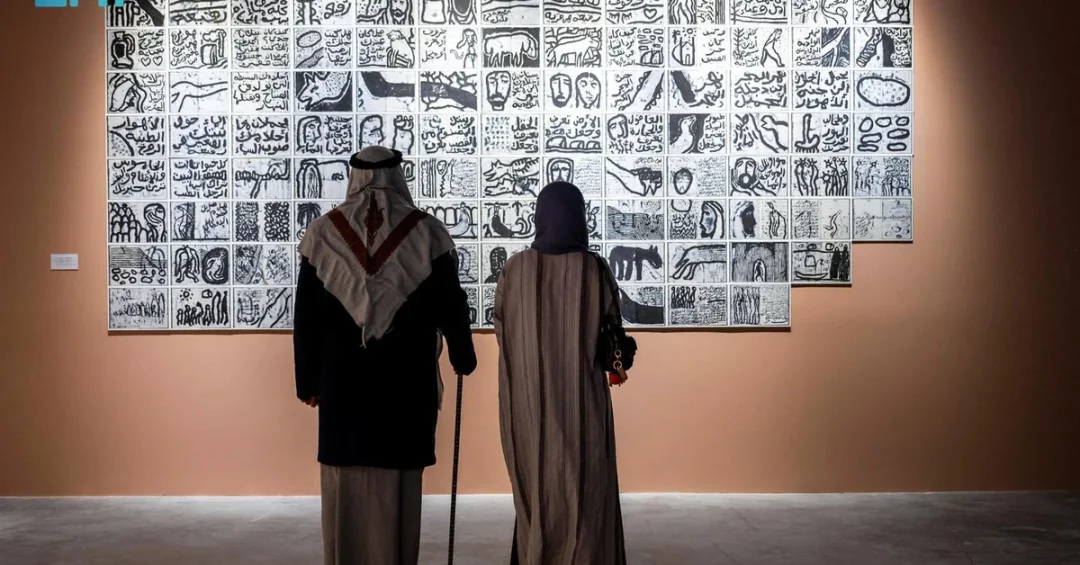
The Saudi Ministry of Culture successfully concluded the second edition of the Common Ground festival on December 31, 2025, following a two-week celebration of Iraqi culture held from December 18 to 31 at Boulevard City in Riyadh. The landmark event, announced through official Saudi channels including the Saudi Press Agency (SPA), brought together more than 100 artworks by prominent Saudi and Iraqi artists, celebrating the deep-rooted connections between the two nations and their shared cultural heritage. The festival served as a vibrant platform for cultural diplomacy, offering visitors of all ages an immersive experience that highlighted mutual influences, historical milestones, and the enduring bonds that unite the Kingdom of Saudi Arabia and the Republic of Iraq.
The Common Ground festival represents a significant milestone in Saudi Arabia’s ongoing efforts to foster international cultural exchange under the National Strategy for Culture, a key pillar of Saudi Vision 2030. By dedicating its second edition to Iraqi culture, the Ministry of Culture underscored its commitment to strengthening cultural ties with regional partners while showcasing the richness and diversity of Arab heritage. The event attracted thousands of visitors to Boulevard City, one of Riyadh’s premier entertainment and cultural destinations, where they experienced a harmonious blend of traditions and innovations spanning art, cuisine, handicrafts, and storytelling. How often do cultural festivals transcend mere entertainment to become bridges of understanding between nations?
Context and Background
The Common Ground festival was conceived by the Ministry of Culture as an annual initiative designed to celebrate the cultural intersections between Saudi Arabia and other nations. Each edition focuses on a different international culture, exploring its historical and contemporary connections with Saudi heritage. The inaugural edition laid the groundwork for this ambitious program, and the selection of Iraqi culture for the second edition reflects the profound historical, linguistic, and social bonds that have linked the Kingdom and Iraq for centuries. These ties predate modern borders, rooted in shared tribal lineages, trade routes, and Islamic heritage that continue to shape the region’s cultural landscape.
Why does cultural diplomacy matter more than ever in today’s interconnected world? The Ministry of Culture’s approach recognizes that cultural exchange is not merely a supplementary activity but a cornerstone of international relations. By creating spaces where artists, artisans, and audiences can engage with one another’s traditions, the festival cultivates mutual respect and understanding. The National Strategy for Culture, launched under Saudi Vision 2030, explicitly identifies international cultural exchange as a strategic priority, aiming to position the Kingdom as a global hub for cultural dialogue and creative expression. The Common Ground festival exemplifies this vision in practice, transforming Riyadh into a meeting point for diverse cultural narratives.
The timing of the festival is particularly significant. As Saudi Arabia continues its ambitious transformation under Vision 2030, the Kingdom has increasingly sought to strengthen its regional partnerships and project soft power through cultural initiatives. Iraq, with its rich civilization spanning millennia, shares deep connections with the Arabian Peninsula. The festival’s location at Boulevard City, a modern entertainment complex in the heart of Riyadh, symbolizes the intersection of tradition and modernity that defines contemporary Saudi Arabia. Visitors experienced Iraqi culture not as a distant curiosity but as a living, breathing tradition that resonates with Saudi heritage.
Key Details
The festival featured over 100 artworks by prominent Saudi and Iraqi artists, carefully curated based on thorough research to highlight the cultural similarities and shared historical milestones between the two nations. These artworks spanned multiple mediums, including painting, sculpture, calligraphy, and digital art, offering a comprehensive visual narrative of the artistic traditions that have flourished in both countries. The diversity and creativity on display underscored the richness of Arab artistic expression and the ways in which Saudi and Iraqi artists have influenced one another across generations. Each piece contributed to a larger story of cultural continuity and exchange.
What makes a cultural festival truly memorable for its visitors? For attendees at the Common Ground festival, the answer lay in the interactive experiences that brought heritage to life. The event featured shared handicrafts, traditional games, and storytelling sessions that highlighted the rich narrative traditions of both countries. Artisans demonstrated techniques passed down through generations, from weaving and pottery to metalwork and embroidery. Children and adults alike participated in traditional games that have been played in the region for centuries, creating moments of joy and connection. Storytelling sessions transported audiences to a world of folk tales and legends that form part of the shared cultural memory of Saudi Arabia and Iraq.
The festival also offered unique culinary experiences that combined Saudi and Iraqi flavors, presenting authentic tastes and heritage of both cultures. Attendees were treated to Saudi coffee infused with cardamom and traditional Iraqi tea, beverages that symbolize the generosity and hospitality of Arab culture. Food stalls showcased dishes that have crossed borders over centuries, from grilled meats and rice dishes to sweets and pastries. The culinary program demonstrated how food serves as a universal language, bringing people together and fostering a sense of familiarity even among those encountering a culture for the first time. These gastronomic experiences complemented the artistic and interactive elements, creating a holistic celebration of shared heritage.
Throughout the festival’s two-week run, visitors engaged with cultural displays that emphasized the mutual influences between Saudi and Iraqi traditions. The event’s design encouraged active participation rather than passive observation, inviting attendees to try their hand at crafts, sample new flavors, and listen to stories that connected past and present. This participatory approach reflects the Ministry of Culture’s broader strategy of making cultural heritage accessible and engaging for diverse audiences. By breaking down barriers between performers and visitors, the festival created an atmosphere of warmth and shared discovery that resonated with all who attended.
International and Regional Impact
The successful conclusion of the Common Ground festival sends a powerful message about the role of culture in strengthening international relations. In a region often defined by political complexities, the festival demonstrated that cultural exchange can create common ground—literally and figuratively—where dialogue and mutual appreciation thrive. Saudi Arabia’s initiative to celebrate Iraqi culture aligns with its broader diplomatic efforts to foster stability and cooperation in the Middle East. By highlighting shared heritage rather than differences, the event contributed to a narrative of regional unity and respect that resonates far beyond the festival grounds.
How can cultural initiatives shape perceptions and build bridges between nations? The festival’s impact extends beyond its immediate attendees. Through media coverage, social media engagement, and word-of-mouth, the event reached audiences across the Arab world and beyond, projecting an image of Saudi Arabia as a champion of cultural preservation and exchange. For Iraqi visitors and participants, the festival offered recognition and appreciation of their country’s rich cultural contributions. For international observers, it showcased the Kingdom’s commitment to openness and dialogue, reinforcing its position as a leader in cultural diplomacy. The event also set a precedent for future editions, which will continue to explore Saudi Arabia’s cultural connections with other nations.
The regional implications are significant. As Saudi Arabia and Iraq continue to strengthen their bilateral relationship across economic, political, and security domains, cultural cooperation adds a vital dimension that resonates with ordinary people. The festival created opportunities for artists, artisans, and entrepreneurs from both countries to connect, potentially leading to future collaborations and exchanges. Such people-to-people ties form the foundation of enduring partnerships and contribute to the stability and prosperity of the region. The Ministry of Culture’s investment in this initiative reflects a long-term vision of cultural diplomacy that complements official diplomatic channels with grassroots engagement.
Economic and Strategic Significance
Beyond its cultural and diplomatic dimensions, the Common Ground festival carries notable economic and strategic significance. The event attracted thousands of visitors to Boulevard City, contributing to the local economy through tourism, hospitality, and retail activity. Riyadh’s entertainment and cultural sector has experienced remarkable growth in recent years, driven by Vision 2030 investments in infrastructure and events. Festivals like Common Ground enhance the city’s appeal as a destination for both domestic and international visitors, supporting job creation and business opportunities in the creative economy. The Ministry of Culture’s emphasis on cultural tourism aligns with broader national goals of diversifying revenue streams and reducing dependence on oil.
What role do cultural events play in Saudi Arabia’s economic transformation? The creative economy is a key focus area under Vision 2030, with the Kingdom aiming to increase its contribution to GDP and create meaningful employment opportunities for young Saudis. The Common Ground festival provided a platform for Saudi artists, designers, and artisans to showcase their work, potentially opening doors to new markets and partnerships. By featuring Iraqi culture, the event also facilitated cross-border economic exchanges, from art sales to culinary collaborations. These interactions create tangible economic value while reinforcing cultural ties, demonstrating the mutually reinforcing relationship between culture and commerce.
Strategically, the festival supports Saudi Arabia’s efforts to position itself as a global cultural hub. The Kingdom has invested heavily in cultural infrastructure, from museums and galleries to theaters and entertainment districts, as part of its broader transformation. Events like Common Ground attract international attention and contribute to the narrative of a modern, open Saudi Arabia that honors its heritage while embracing the future. The Ministry of Culture’s partnerships with international artists and institutions further enhance the Kingdom’s cultural credentials, paving the way for future collaborations and exchanges that benefit both Saudi Arabia and its partners.
Vision 2030 Alignment
The Common Ground festival exemplifies the objectives of the National Strategy for Culture, which operates under the umbrella of Saudi Vision 2030. The strategy seeks to preserve and promote Saudi heritage, foster cultural exchange, and develop the creative economy as a driver of sustainable development. Each edition of the festival focuses on a different international culture and its intersections with Saudi heritage, reflecting the Ministry of Culture’s dedication to building bridges of understanding and appreciation. The choice of Iraqi culture for the second edition underscores the Kingdom’s commitment to strengthening ties with its regional neighbors and celebrating the shared heritage that unites the Arab world.
How does cultural exchange contribute to the realization of Vision 2030? By fostering international partnerships and showcasing Saudi Arabia’s cultural richness, the festival supports the vision’s goals of a vibrant society, a thriving economy, and an ambitious nation. The event creates opportunities for cultural entrepreneurs, enhances the Kingdom’s global image, and enriches the lives of citizens and residents. As Saudi Arabia continues its remarkable transformation, initiatives like Common Ground remind the world that the Kingdom’s progress is rooted in its heritage and its openness to the world. The Ministry of Culture’s successful execution of this festival demonstrates the power of culture to unite, inspire, and build a brighter future for all.
20 Questions
Q1. What was the Common Ground festival?
A1. The Common Ground festival was a cultural event organized by the Saudi Ministry of Culture, held from December 18 to 31, 2025, at Boulevard City in Riyadh. Its second edition celebrated Iraqi culture and its deep-rooted connections with Saudi heritage, featuring artworks, culinary experiences, and interactive activities.
Q2. Where and when did the second edition of the festival take place?
A2. The second edition took place at Boulevard City in Riyadh, Saudi Arabia, from December 18 to 31, 2025. The venue is one of the Kingdom’s premier entertainment and cultural destinations, attracting thousands of visitors during the festival period.
Q3. How many artworks were featured at the festival?
A3. The festival featured over 100 artworks by prominent Saudi and Iraqi artists. These works spanned various mediums and were curated based on thorough research to highlight cultural similarities and shared historical milestones between the two nations.
Q4. What cultural activities were available to visitors?
A4. Visitors enjoyed a range of activities including shared handicrafts, traditional games, storytelling sessions, and culinary experiences. These interactive elements showcased the rich narrative traditions and heritage of both Saudi Arabia and Iraq, engaging people of all ages.
Q5. What culinary experiences were offered at the festival?
A5. The festival offered unique culinary experiences combining Saudi and Iraqi flavors. Attendees sampled Saudi coffee infused with cardamom and traditional Iraqi tea, along with other dishes that symbolized the generosity and hospitality of Arab culture.
Q6. What is the purpose of the Common Ground festival?
A6. The festival aims to foster international cultural exchange and celebrate the intersections between Saudi heritage and other cultures. Each edition focuses on a different country, with the second edition dedicated to Iraq, reflecting the Ministry of Culture’s commitment to strengthening cultural ties.
Q7. How does the festival align with Saudi Vision 2030?
A7. The festival aligns with the National Strategy for Culture under Saudi Vision 2030, which emphasizes cultural exchange, heritage preservation, and creative economy development. It supports the vision’s goals of a vibrant society and a thriving economy.
Q8. Who organized the Common Ground festival?
A8. The festival was organized by the Saudi Ministry of Culture, a government body responsible for developing and promoting cultural activities in the Kingdom. The ministry operates under the framework of Saudi Vision 2030 and its National Strategy for Culture.
Q9. Why was Iraqi culture chosen for the second edition?
A9. Iraqi culture was chosen to highlight the deep-rooted historical, linguistic, and social connections between Iraq and Saudi Arabia. The selection underscores the Ministry of Culture’s dedication to strengthening cultural ties between the two neighboring nations.
Q10. What were the key themes of the artworks displayed?
A10. The artworks highlighted cultural similarities and shared historical milestones between Saudi Arabia and Iraq. They showcased diversity and creativity across various sectors, offering a harmonious blend of traditions and innovations that reflect the richness of both cultures.
Q11. How did the festival engage visitors of all ages?
A11. The festival offered interactive experiences such as traditional games, storytelling sessions, and handicraft demonstrations. These activities were designed to be accessible and enjoyable for children, adults, and families, creating a welcoming atmosphere for all attendees.
Q12. What role did storytelling play in the festival?
A12. Storytelling sessions highlighted the rich narrative traditions of both Saudi Arabia and Iraq. These sessions transported audiences into a world of folk tales and legends, forming part of the shared cultural memory and reinforcing the connections between the two nations.
Q13. What is the significance of Saudi coffee and Iraqi tea at the event?
A13. Saudi coffee infused with cardamom and traditional Iraqi tea symbolize the generosity and hospitality of Arab culture. Their presence at the festival underscored the shared customs and values that unite the Kingdom and Iraq.
Q14. How does the festival contribute to cultural diplomacy?
A14. The festival contributes to cultural diplomacy by creating spaces for dialogue, mutual appreciation, and people-to-people connections. It projects an image of Saudi Arabia as a champion of cultural exchange and strengthens regional ties through shared heritage.
Q15. What economic benefits did the festival bring?
A15. The festival attracted thousands of visitors to Boulevard City, boosting local tourism, hospitality, and retail activity. It also provided a platform for Saudi and Iraqi artists and artisans to showcase their work, supporting the creative economy.
Q16. How does the festival support Saudi Arabia’s creative economy?
A16. By featuring artists, designers, and artisans, the festival creates opportunities for economic exchange and collaboration. It aligns with Vision 2030’s goal of developing the creative economy as a driver of sustainable development and job creation.
Q17. What was the duration of the festival?
A17. The festival ran for two weeks, from December 18 to December 31, 2025. This extended period allowed thousands of visitors to experience the cultural displays, culinary offerings, and interactive activities at Boulevard City.
Q18. How does the festival reflect Saudi Arabia’s openness to the world?
A18. The festival reflects Saudi Arabia’s openness by celebrating another nation’s culture and inviting international participation. It demonstrates the Kingdom’s commitment to cultural dialogue and its role as a global hub for creative exchange under Vision 2030.
Q19. What can we expect from future editions of the festival?
A19. Future editions will continue to focus on different international cultures and their intersections with Saudi heritage. The Ministry of Culture aims to build on the success of the first two editions to further strengthen cultural ties and promote exchange.
Q20. How can the public learn more about the Ministry of Culture’s initiatives?
A20. The public can learn more through official Saudi channels, including the Ministry of Culture’s website and the Saudi Press Agency (SPA). These sources provide accurate information about cultural events, programs, and strategies under Vision 2030.
Reader Feedback
We value your thoughts. Please share your feedback on this article.
Your feedback helps us improve our coverage.
Related articles
 Culture Ministry Launches Crafts Hackathon for Year of Handicrafts 2025
 Saudi Heritage Commission Reveals Ancient Discoveries at Al-Ma’mala
 UNESCO-Inscribed Sadu Weaving: Saudi Cultural Treasure
 Al-Baha Wicker Craft: Timeless Tradition, Sustainable Art
 Shabari Daggers: Iconic Handicrafts from Tabuk Region
 Sixth International Video Art Forum Concludes in Dammam