


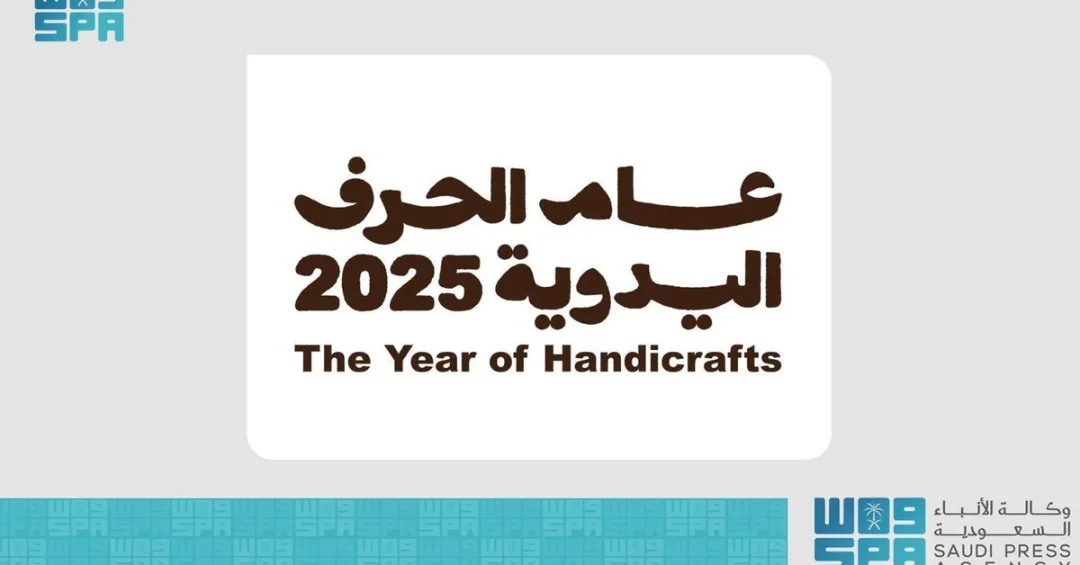
Saudi Arabia has designated 2025 as the Year of Handicrafts, a nationwide cultural initiative announced by the Saudi Ministry of Culture through the Saudi Press Agency, celebrating traditional crafts such as palm weaving, metalwork, and pottery as living expressions of the Kingdom’s heritage. The year-long program will feature events, exhibitions, educational programs, and competitions designed to highlight the cultural and historical significance of handicrafts while supporting their continued relevance in modern life.
The announcement reflects a broader effort to preserve and promote the skills passed down through generations of Saudi artisans, whose creativity and craftsmanship symbolize the nation’s ingenuity and resilience. Have you ever considered how a simple woven palm frond or a handcrafted clay vessel can carry the story of an entire civilization? The Year of Handicrafts seeks to ensure that these stories remain vibrant, visible, and valued both within the Kingdom and on the global stage.
Context and Background
Handicrafts have long held a special place in Saudi Arabia’s cultural fabric, representing a prosperous heritage that stretches back through generations. Rooted in the creativity and skill of Saudi artisans, traditional crafts such as palm weaving, metalwork, and pottery are not merely objects of utility or decoration; they embody the Kingdom’s diverse cultural identity and its enduring adaptability. What makes these crafts so resilient in an era of mass production and digital innovation? The answer lies in their deep connection to place, community, and the natural materials of the Arabian Peninsula.
The Ministry of Culture’s decision to dedicate an entire year to handicrafts builds on a growing recognition that cultural heritage is a strategic asset, not a relic of the past. Across Saudi Arabia, artisans have continued to practice techniques inherited from their ancestors, often within family workshops and local cooperatives. These crafts reflect the values of patience, precision, and resourcefulness that have defined Saudi society for centuries. By elevating artisanry across various sectors, the initiative aims to foster appreciation for traditional arts and encourage their continued practice and preservation.
The Year of Handicrafts also responds to a changing global landscape in which consumers and travelers increasingly seek authentic, locally made products that tell a story. In this context, Saudi handicrafts offer a unique window into the Kingdom’s history and its contemporary creative energy. The initiative positions artisans not only as guardians of tradition but as innovators capable of contributing to modern design, tourism, and economic diversification.
Key Details of the Year of Handicrafts
Throughout 2025, the Saudi Ministry of Culture will organize an array of events, exhibitions, educational programs, and exciting competitions under the banner of the Year of Handicrafts. These activities are designed to emphasize the cultural and historical significance of handicrafts while supporting their relevance in modern life. From hands-on workshops for young people to large-scale exhibitions showcasing the work of master artisans, the program aims to create multiple entry points for public engagement. How often does a national initiative manage to bridge the gap between a schoolchild learning to weave and an international collector admiring a finely wrought metalwork piece? The Year of Handicrafts aspires to do exactly that.
The initiative also seeks to empower artisans by enhancing opportunities for their crafts in contemporary markets and strengthening their connection with the global community. Through partnerships across the public, private, and non-profit sectors, the Year of Handicrafts will cultivate sustainable practices, foster innovation, and contribute to cultural dialogue. This multi-sector approach recognizes that heritage preservation cannot rely on government action alone; it requires the active participation of businesses, educators, community organizations, and international partners.
Competitions will provide a platform for emerging artisans to gain recognition, while educational programs will introduce younger generations to techniques that might otherwise fade from memory. By highlighting artisanry across various sectors, the initiative seeks to inspire new generations to engage with their heritage and highlight the talent of Saudi artisans to local and global audiences. The emphasis on both preservation and innovation ensures that traditional crafts remain dynamic rather than static, evolving with the times while retaining their essential character.
International and Regional Impact
Saudi Arabia’s Year of Handicrafts carries significance beyond the Kingdom’s borders, offering opportunities for cultural exchange and regional collaboration. Handicrafts are a shared heritage across the Arabian Peninsula and the wider Middle East, and the initiative creates a natural platform for dialogue with neighboring countries that possess their own rich craft traditions. By inviting international audiences to engage with Saudi artisanry, the Kingdom reinforces its role as a cultural bridge between East and West. What better way to foster mutual understanding than through the universal language of craftsmanship?
The initiative also aligns with global trends in cultural tourism and the creative economy. Travelers increasingly seek authentic experiences that connect them with local communities, and handicrafts offer a tangible link to Saudi Arabia’s regions, from the palm groves of Al-Ahsa to the metalworking traditions of the southern highlands. By showcasing these crafts to international visitors, the Year of Handicrafts can enhance the Kingdom’s appeal as a destination for cultural exploration, complementing its ambitious tourism goals under Vision 2030.
Regional and international media coverage of the initiative further amplifies its reach, positioning Saudi Arabia as a leader in heritage preservation and creative industries. Cultural diplomacy of this kind strengthens people-to-people ties and contributes to a more nuanced global understanding of the Kingdom’s contemporary identity.
Economic and Strategic Significance
The Year of Handicrafts is not only a cultural endeavor but also an economic one. By enhancing market opportunities for artisans, the initiative supports small businesses, cooperatives, and family enterprises that form the backbone of local economies. Handicrafts can generate income, create jobs, and stimulate tourism-related spending, particularly in rural and heritage-rich regions. How can a handwoven basket or a piece of pottery contribute to a nation’s economic diversification? The answer lies in the value chain that connects raw materials, skilled labor, design, marketing, and export.
Strategic partnerships across the public, private, and non-profit sectors will be essential to building sustainable practices and fostering innovation. This collaborative model reflects the broader Vision 2030 approach, which emphasizes economic diversification, private-sector growth, and the empowerment of Saudi citizens. By integrating handicrafts into contemporary markets, the initiative helps ensure that traditional skills remain economically viable and attractive to younger generations considering careers in the creative industries.
Moreover, the Year of Handicrafts supports the growth of Saudi Arabia’s creative economy, a sector that encompasses design, fashion, architecture, and visual arts. Handicrafts often serve as a foundation for contemporary creative expression, inspiring designers and artists who blend traditional techniques with modern aesthetics. This cross-pollination can lead to new products and experiences that appeal to both domestic and international consumers.
Preserving Heritage, Inspiring Future Generations
As a testament to the Ministry of Culture’s commitment to safeguarding Saudi Arabia’s heritage, the Year of Handicrafts provides a platform to celebrate the stories, skills, and traditions that form the foundation of the Kingdom’s cultural identity. The initiative recognizes that heritage is not merely about preserving the past; it is about ensuring that the past remains a living, breathing part of the present and future. What does it mean for a young Saudi to learn a craft that their grandparents practiced? It means connecting with a lineage of creativity that transcends time.
Educational programs and competitions will play a crucial role in transmitting knowledge to the next generation. By engaging schools, universities, and community centers, the Ministry of Culture aims to embed handicrafts within the broader educational landscape, ensuring that young people develop an appreciation for traditional arts alongside modern skills. This approach aligns with Vision 2030’s emphasis on education, cultural enrichment, and quality of life.
The Year of Handicrafts also highlights the talent of Saudi artisans to local and global audiences, reinforcing the Kingdom’s position as a cultural leader. Through exhibitions and international collaborations, Saudi craftspeople can share their work with the world, gaining recognition and building connections that support their craft economically and artistically.
Vision 2030 Alignment
The Year of Handicrafts is a clear reflection of Saudi Arabia’s Vision 2030, which seeks to diversify the economy, strengthen national identity, and enhance the quality of life for all citizens. By investing in cultural heritage, the Kingdom is investing in a sustainable source of pride, creativity, and economic opportunity. Vision 2030 recognizes that culture is not a luxury but a cornerstone of a vibrant, forward-looking society. How does a nation measure the value of its heritage? In the skills passed down, the stories told, and the communities strengthened through shared traditions.
As 2025 unfolds, the Year of Handicrafts will serve as a dynamic demonstration of Saudi Arabia’s commitment to preserving its cultural legacy while embracing modernity. The initiative’s success will be measured not only in exhibitions and events but in the lasting impact on artisans, audiences, and future generations. By celebrating the Kingdom’s vibrant cultural heritage, Saudi Arabia reinforces its global role as a guardian of tradition and a champion of innovation, fully aligned with the aspirations of Vision 2030.
20 Questions
Q1. What is the Year of Handicrafts?
A1. The Year of Handicrafts is a 2025 initiative by the Saudi Ministry of Culture to celebrate and preserve traditional crafts such as palm weaving, metalwork, and pottery through events, exhibitions, and educational programs.
Q2. Who announced the Year of Handicrafts?
A2. The Saudi Ministry of Culture announced the initiative, with information released through the Saudi Press Agency (SPA), the Kingdom’s official news outlet.
Q3. When does the Year of Handicrafts take place?
A3. The initiative runs throughout 2025, with activities scheduled across the year to engage the public, artisans, and international audiences.
Q4. Why are handicrafts important to Saudi culture?
A4. Handicrafts represent a prosperous heritage passed down through generations, symbolizing Saudi ingenuity, resilience, and diverse cultural identity while reflecting the Kingdom’s history and values.
Q5. What types of crafts are highlighted?
A5. The initiative highlights crafts including palm weaving, metalwork, and pottery, among other traditional arts that blend tradition with modernity.
Q6. How will the Year of Handicrafts support artisans?
A6. It seeks to empower artisans by enhancing market opportunities, strengthening global connections, and fostering sustainable practices through public, private, and non-profit partnerships.
Q7. What events are planned for 2025?
A7. The Ministry of Culture will organize events, exhibitions, educational programs, and competitions designed to emphasize the cultural and historical significance of handicrafts.
Q8. How does the initiative engage young people?
A8. Through educational programs and competitions, the initiative aims to inspire new generations to engage with their heritage and learn traditional craft techniques.
Q9. What is the global significance of the Year of Handicrafts?
A9. It strengthens cultural dialogue, positions Saudi Arabia as a leader in heritage preservation, and connects Saudi artisans with international audiences and markets.
Q10. How does the initiative align with Vision 2030?
A10. It supports Vision 2030 goals of economic diversification, cultural enrichment, quality of life, and national identity by investing in heritage and the creative economy.
Q11. What role do partnerships play?
A11. Partnerships across public, private, and non-profit sectors are essential to cultivate sustainable practices, foster innovation, and ensure the initiative’s long-term impact.
Q12. How can handicrafts contribute to Saudi tourism?
A12. Handicrafts offer authentic cultural experiences that attract travelers seeking local heritage, complementing Saudi Arabia’s tourism goals under Vision 2030.
Q13. What economic benefits do handicrafts provide?
A13. Handicrafts support small businesses, create jobs, generate income, and stimulate tourism-related spending, contributing to economic diversification.
Q14. How does the initiative preserve heritage?
A14. By promoting the continued practice of traditional crafts, documenting skills, and transmitting knowledge to younger generations, it safeguards Saudi Arabia’s cultural legacy.
Q15. What is the Ministry of Culture’s role?
A15. The Ministry of Culture organizes and oversees the Year of Handicrafts, demonstrating its commitment to safeguarding Saudi Arabia’s heritage and promoting cultural expression.
Q16. How can international audiences engage?
A16. International audiences can engage through exhibitions, online content, and cultural exchanges that showcase Saudi artisanry to global audiences.
Q17. What makes Saudi handicrafts unique?
A17. They reflect the Kingdom’s diverse regional identities, natural materials, and centuries-old techniques, blending tradition with modern creativity and adaptability.
Q18. How does the initiative foster innovation?
A18. By encouraging artisans to adapt traditional techniques to contemporary markets and design trends, the initiative fosters innovation while preserving cultural authenticity.
Q19. What is the long-term vision for handicrafts in Saudi Arabia?
A19. The long-term vision is to integrate handicrafts into the creative economy, ensuring their economic viability, cultural relevance, and global recognition for generations to come.
Q20. How can the public participate in the Year of Handicrafts?
A20. The public can participate by attending events, visiting exhibitions, enrolling in educational programs, and supporting Saudi artisans by purchasing authentic handmade crafts.
Reader Feedback
We value your thoughts. Please share your feedback on this article.
Your feedback helps us improve our coverage.
Related articles
 Culture Ministry Concludes Common Ground Festival Highlighting Iraqi-Saudi Cultural Connections
 Culture Ministry Launches Crafts Hackathon for Year of Handicrafts 2025
 Saudi Heritage Commission Reveals Ancient Discoveries at Al-Ma’mala
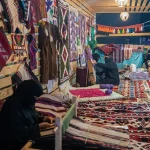 UNESCO-Inscribed Sadu Weaving: Saudi Cultural Treasure
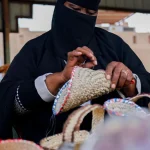 Al-Baha Wicker Craft: Timeless Tradition, Sustainable Art
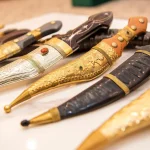 Shabari Daggers: Iconic Handicrafts from Tabuk Region