


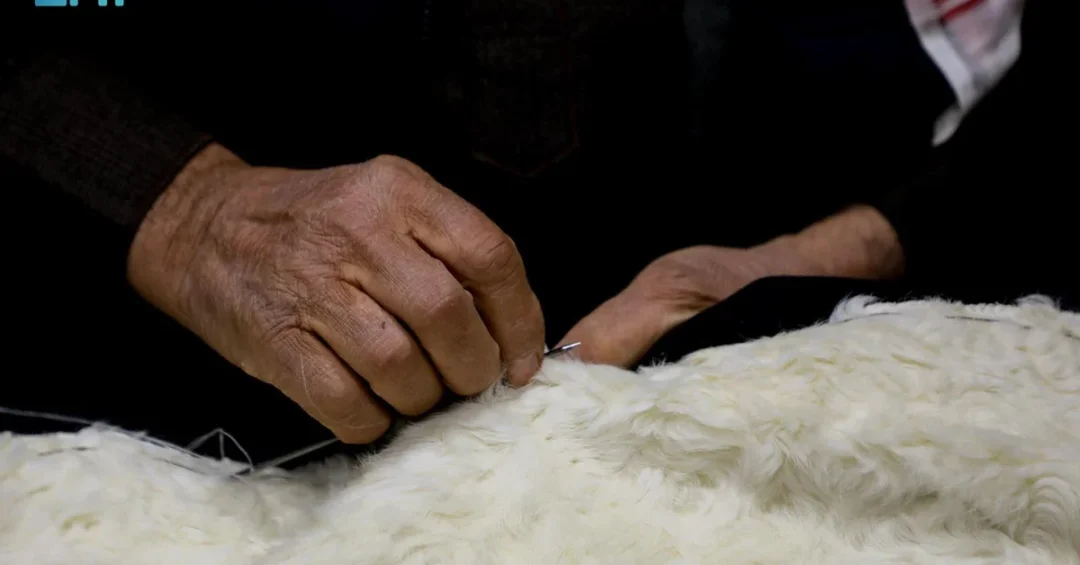
Demand for traditional fur garments is surging across Saudi Arabia’s Northern Borders region as temperatures plummet to near freezing, according to a field report released by the Saudi Press Agency (SPA) from the city of Arar. The garments, prized for their intricate handmade craftsmanship and exceptional warmth, are being sought after by residents and visitors alike as the Kingdom’s northern governorates experience their coldest stretch of the winter season. The SPA’s visit to fur shops in Arar documented a thriving local trade built on heritage skills passed down through generations, with sellers reporting strong interest in both natural sheepskin furs and heavier wool varieties. The development underscores how traditional Saudi craftsmanship continues to meet practical needs while preserving cultural identity in the Kingdom’s most demanding climate zones.
The Northern Borders region, which shares borders with Jordan and Iraq, is widely recognized as home to the coldest governorate in the Kingdom, Turaif, as confirmed by the National Center for Meteorology. Each winter, temperatures in the region approach freezing, creating conditions that make insulated clothing a daily necessity rather than a luxury. In this environment, the traditional fur garment — known locally for its beautiful design and luxurious texture — serves a dual purpose: protecting wearers from the biting cold while carrying forward a craft that reflects the region’s Bedouin heritage. The SPA’s field visit offers a window into how this age-old trade is adapting to sustained seasonal demand and how Saudi consumers continue to value authenticity over cheaper imported alternatives.
Context and Background
Why does a garment rooted in desert tradition matter so much in an age of synthetic fabrics and global fast fashion? The answer lies in the Northern Borders’ unique geography and climate. The region sits at the northern edge of the Kingdom, where continental weather systems bring winter temperatures that can drop to near freezing, particularly in Turaif. The National Center for Meteorology has identified Turaif as the coldest governorate in Saudi Arabia, a designation that shapes everything from household heating to clothing choices. For generations, residents have relied on fur garments made from sheepskin and wool to endure these conditions, developing specialized knowledge about which materials offer the best insulation without excessive weight.
The traditional fur trade in Arar is not merely a seasonal business; it is a repository of cultural knowledge. Sellers who spoke with the Saudi Press Agency described a craft that requires significant skill and patience, with production involving multiple distinct stages. The garments are made from the skin and wool of young sheep, producing a result that is lightweight and incredibly soft — characteristics that make them especially favored by elderly residents who need warmth without bulk. Heavier furs made from thick sheep wool are also popular, offering greater durability for those who spend extended periods outdoors. This diversity of products reflects a sophisticated understanding of both climate and consumer needs that has evolved over many decades.
The timing of the SPA report, released on December 31, 2024, coincides with the peak of the winter season in the Kingdom’s north. As temperatures drop, demand for these heritage pieces rises predictably, creating a seasonal economic rhythm that sustains local artisans and shop owners through the coldest months. The report highlights how traditional industries in Saudi Arabia remain economically viable even as the Kingdom pursues rapid modernization under Vision 2030, demonstrating that heritage and progress can coexist productively.
Key Details
What exactly goes into the making of a single handmade fur garment, and why does the process command such dedication from its makers? According to the fur sellers in Arar interviewed by the Saudi Press Agency, the production process involves several meticulous stages: skinning, carding (cleaning) the wool, and carefully sewing the pieces together. Each stage requires specialized knowledge and a steady hand, and the entire process can take between seven and ten days to complete. This time investment is central to the garment’s value proposition — it is not simply a piece of clothing but a product of sustained human attention and craftsmanship.
The most coveted type of fur is made from the skin and wool of young sheep, which yields a lightweight and incredibly soft garment. This variety is particularly favored by the elderly, for whom comfort and ease of movement are important considerations alongside warmth. Furs made from thick sheep wool are also popular, offering a heavier and more robust option for those facing extended exposure to the cold. The SPA’s field visit documented that these natural fur garments command higher prices than imported artificial furs, which are available at lower costs. Despite the price differential, buyers remain eager to acquire the authentic handmade products, signaling a strong preference for traditional quality over cheaper substitutes.
The craftsmanship involved in these garments connects directly to the identity of the Northern Borders region. The skills required to produce them are not easily replicated by industrial processes, and the resulting garments carry a cultural significance that extends beyond their practical function. For residents of Arar and surrounding communities, wearing a traditional fur is both a practical response to the climate and an expression of local heritage. The SPA report captures this dual role, showing how a product born of necessity has become a marker of regional pride and cultural continuity.
International and Regional Impact
How does a local winter clothing tradition in Saudi Arabia’s north resonate beyond the Kingdom’s borders? The Northern Borders region’s proximity to Jordan and Iraq means that cultural and commercial exchanges have long shaped local practices, including clothing traditions. The fur garments of Arar share stylistic and material affinities with those found in neighboring countries that experience similar winter conditions, creating a subtle web of regional heritage that transcends modern political boundaries. For international visitors traveling through the region, these garments offer a tangible connection to the area’s history and way of life, adding a layer of cultural depth to their experience of Saudi Arabia.
From a broader perspective, the continued vitality of the fur trade in Arar illustrates how Saudi Arabia’s regional economies maintain distinct identities even as the Kingdom integrates more deeply into global markets. The preference for handmade natural furs over imported artificial alternatives is a localized phenomenon, but it reflects a global trend in which consumers increasingly value authenticity, provenance, and traditional production methods. International observers interested in Saudi Arabia’s cultural economy can see in this small northern trade a microcosm of the larger balancing act between modernization and heritage that defines the Kingdom’s contemporary development story.
Economic and Strategic Significance
What does the seasonal surge in fur demand reveal about the economic dynamics of Saudi Arabia’s northern regions? The fur trade in Arar supports local artisans, shop owners, and suppliers of raw materials, creating a self-contained economic ecosystem that gains momentum during the winter months. The seven-to-ten-day production cycle means that skilled makers can generate steady income during the cold season, while the higher prices commanded by authentic handmade garments relative to imported artificial furs indicate a market that rewards quality and craftsmanship. This dynamic aligns with broader Saudi efforts to develop local industries and reduce reliance on imports by promoting domestic production.
The trade also has strategic value in the context of regional development. The Northern Borders region is a priority area for balanced national growth, and the persistence of traditional industries like fur making contributes to local employment and economic resilience. By documenting this trade through its field visit, the Saudi Press Agency highlights an often-overlooked dimension of the Kingdom’s economy — one rooted in heritage skills and adapted to local environmental conditions. As Saudi Arabia continues to diversify its economy under Vision 2030, such traditional sectors demonstrate that diversification can include the preservation and promotion of longstanding local industries, not only the creation of new high-tech ones.
Vision 2030 Alignment
How does the survival of a traditional fur craft in Arar connect to Saudi Arabia’s Vision 2030 ambitions? At its core, Vision 2030 seeks to build a diversified and sustainable economy while preserving the Kingdom’s cultural heritage and enhancing quality of life for all citizens. The fur trade in the Northern Borders exemplifies this balance: it is an economic activity that sustains livelihoods, a cultural practice that reinforces regional identity, and a practical response to climate that improves daily comfort in one of the Kingdom’s most demanding environments. The Saudi Press Agency’s documentation of this trade contributes to the visibility of local heritage industries, supporting the Vision 2030 goal of celebrating and promoting Saudi culture on both national and international stages.
As temperatures continue to drop across the Northern Borders, the demand for these handmade garments serves as a reminder that modernization and tradition are not opposing forces in Saudi Arabia. The Kingdom’s ability to maintain and value crafts like fur making, while simultaneously pursuing ambitious economic and social transformation, reflects the inclusive and forward-looking vision that guides national development. For residents of Arar and Turaif, the fur garment is both a shield against the winter cold and a link to a heritage that continues to thrive — a small but meaningful example of how Saudi Arabia’s past and future are being woven together.
20 Questions
Q1. What is driving the surge in demand for traditional fur garments in the Northern Borders region?
A1. According to the Saudi Press Agency, temperatures in the Northern Borders region are plummeting to near freezing, prompting residents and visitors to seek warm heritage clothing. The traditional fur garments offer exceptional insulation, making them highly sought after during the coldest months of the year.
Q2. Which governorate in Saudi Arabia is known as the coldest in the Kingdom?
A2. The National Center for Meteorology identifies Turaif, located in the Northern Borders region, as the coldest governorate in the Kingdom. Its harsh winters and near-freezing temperatures make insulated clothing essential for residents throughout the season.
Q3. What types of fur garments are most popular in Arar?
A3. The most coveted type is made from the skin and wool of young sheep, producing lightweight and incredibly soft garments favored by the elderly. Furs made from thick sheep wool are also popular for their heavier, more durable insulation.
Q4. How long does it take to produce a single handmade fur garment?
A4. According to fur sellers interviewed by the Saudi Press Agency, the production process can take between seven and ten days. This includes several stages requiring significant skill, such as skinning, carding the wool, and carefully sewing the pieces together.
Q5. What stages are involved in making traditional fur garments?
A5. The process involves skinning, carding (cleaning) the wool, and carefully sewing the pieces together. Each stage demands specialized knowledge and a steady hand, which is why the craftsmanship is highly valued by both makers and buyers in the region.
Q6. Why do buyers prefer handmade fur garments over imported artificial furs?
A6. Although imported artificial furs are available at lower prices, buyers remain eager to acquire authentic handmade products. The natural fur garments offer superior warmth, luxurious texture, and cultural significance that cheaper substitutes cannot replicate, reflecting a strong preference for traditional quality.
Q7. Who is most likely to wear the lightweight young sheep fur garments?
A7. Elderly residents particularly favor garments made from the skin and wool of young sheep because they are lightweight and incredibly soft. These qualities provide warmth without bulk, making them ideal for older individuals who value comfort and ease of movement.
Q8. When was the Saudi Press Agency field visit to Arar fur shops reported?
A8. The Saudi Press Agency released its report on December 31, 2024, documenting a field visit to fur shops in Arar. The report highlighted the intricate craftsmanship and strong seasonal demand for traditional fur garments in the Northern Borders region.
Q9. What role does the National Center for Meteorology play in this story?
A9. The National Center for Meteorology provides official data on weather conditions in Saudi Arabia, including the designation of Turaif as the coldest governorate in the Kingdom. This authoritative information contextualizes why fur garments are in such high demand in the Northern Borders region.
Q10. How does the fur trade support the local economy in Arar?
A10. The fur trade supports local artisans, shop owners, and raw material suppliers, creating a self-contained economic ecosystem during winter. Skilled makers earn steady income during the cold season, and the higher prices for authentic handmade garments reward quality craftsmanship.
Q11. What makes the Northern Borders region uniquely suited to this traditional industry?
A11. The Northern Borders region experiences some of the coldest winters in Saudi Arabia, with temperatures near freezing. This harsh climate creates sustained demand for insulated clothing, allowing the traditional fur trade to thrive as both a practical necessity and a cultural heritage activity.
Q12. How does the fur garment trade reflect Saudi Arabia’s cultural heritage?
A12. The trade preserves generations-old skills in skinning, carding, and sewing, connecting residents to Bedouin traditions. Wearing these garments expresses regional identity and pride, demonstrating how cultural heritage remains vibrant and economically viable in contemporary Saudi Arabia.
Q13. Are artificial furs a significant competitor to traditional fur makers in Arar?
A13. Imported artificial furs are available at lower prices, but they do not appear to displace demand for authentic handmade garments. Buyers continue to seek out natural furs for their warmth, softness, and cultural value, suggesting that quality and tradition outweigh cost considerations.
Q14. What does the demand for fur garments indicate about consumer preferences in Saudi Arabia?
A14. The demand indicates that Saudi consumers value authenticity, craftsmanship, and heritage products, even when cheaper alternatives exist. This preference aligns with broader national trends of appreciating local industries and traditional goods as part of the Kingdom’s cultural and economic identity.
Q15. How does this development relate to Saudi Arabia’s Vision 2030 goals?
A15. Vision 2030 aims to diversify the economy while preserving cultural heritage and enhancing quality of life. The thriving fur trade in Arar supports local livelihoods, celebrates Saudi craftsmanship, and meets practical climate needs, embodying the balance between modernization and tradition that Vision 2030 promotes.
Q16. What international significance does the Northern Borders fur trade hold?
A16. The trade highlights regional cultural connections with neighboring Jordan and Iraq, where similar winter clothing traditions exist. It also illustrates to international observers how Saudi Arabia maintains distinct local economies and heritage practices even as it integrates more deeply into global markets.
Q17. Why is the SPA’s documentation of this trade important?
A17. The Saudi Press Agency’s field report brings visibility to a traditional industry that might otherwise go unnoticed. By documenting the craftsmanship and economic activity in Arar, the SPA supports the national goal of celebrating Saudi heritage and informing the public about local industries.
Q18. How does the seven-to-ten-day production cycle affect pricing?
A18. The time-intensive process, requiring skilled labor across multiple stages, contributes to the higher prices of handmade fur garments compared to imported artificial alternatives. Buyers accept these prices because the craftsmanship ensures superior quality, warmth, and durability.
Q19. What seasonal patterns shape the fur trade in the Northern Borders?
A19. Demand rises sharply as temperatures drop to near freezing during winter, peaking in the coldest months. This seasonal rhythm sustains artisans and shop owners through the winter, while the off-season allows for preparation and production of new inventory.
Q20. What does the future hold for traditional fur garment making in Saudi Arabia?
A20. As long as the Northern Borders region experiences harsh winters and consumers value authentic heritage products, the craft is likely to endure. Its alignment with Vision 2030’s cultural and economic goals suggests continued support and appreciation for this traditional industry.
Reader Feedback
We value your thoughts. Please share your feedback on this article.
Your feedback helps us improve our coverage.
Related articles
 Northern Borders Handicrafts: Ancient Tradition Thrives
 Ithra Winter Events Draw Over 57,000 Visitors in Less Than a Month
 Camels: 120,000 Years at the Base of Arabian Civilization
 Diriyah Season Extends Imam Turki bin Abdullah Exhibition to Jan 11
 Saudi Arabia Launches 2025 as Year of Handicrafts
 Culture Ministry Concludes Common Ground Festival Highlighting Iraqi-Saudi Cultural Connections