


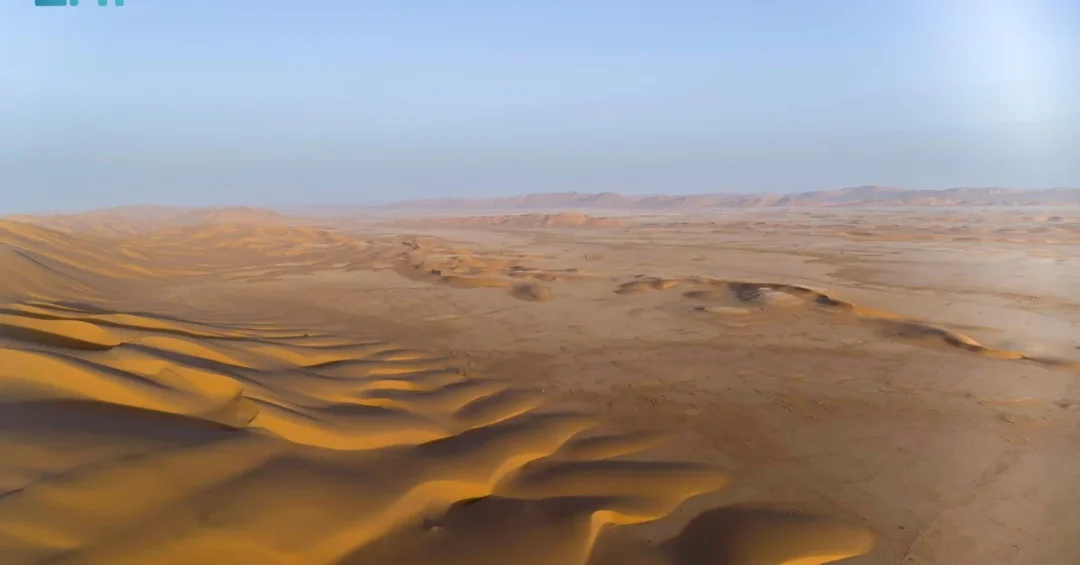
Saudi Arabia’s Uruq Bani Ma’arid protected area, spanning 12,765 square kilometers on the western edge of the Rub’ al-Khali, has become the Kingdom’s first natural UNESCO World Heritage Site, recognized globally for the successful reintroduction of the Arabian Oryx and Arabian Sand Gazelle. Located approximately 200 kilometers north of Najran, where the Tuwaiq plateau meets the vast sand dunes of the Empty Quarter, this remarkable reserve stands as a testament to Saudi Arabia’s commitment to environmental conservation and the ambitious goals of Vision 2030. Have you ever wondered how a seemingly inhospitable desert can transform into one of the world’s most significant wildlife sanctuaries?
The Uruq Bani Ma’arid protected area represents far more than a conservation success story; it embodies the Kingdom’s broader strategy to preserve its natural heritage while demonstrating environmental leadership on the global stage. Under the careful management of the National Center for Wildlife, this expansive reserve has become a beacon of hope for desert biodiversity, hosting over 930 recorded species of animals and plants. The recent Saudi Press Agency tour of the reserve provided unprecedented insight into the meticulous efforts underway to protect and restore this unique ecosystem, which now serves as a model for desert conservation initiatives across the Arabian Peninsula and beyond.
Context and Background
What makes the Uruq Bani Ma’arid protected area so exceptional in the realm of global conservation? Established as part of Saudi Arabia’s comprehensive environmental protection framework, this reserve occupies a strategically significant position where the rugged Tuwaiq plateau transitions into the seemingly endless sand dunes of Ar Rub’ al-Khali, the largest continuous sand desert on Earth. The area’s unique topography creates a diverse range of habitats that support an extraordinary variety of life, from the iconic Arabian Oryx that once roamed freely across the Arabian Peninsula to the more elusive Arabian Sand Gazelle.
The reserve’s journey to international recognition reflects decades of dedicated effort by Saudi conservationists and government agencies. The National Center for Wildlife, under the leadership of General Manager of Protected Areas Abdullah Altalasat, has systematically worked to establish and manage protected areas throughout the Kingdom. These sustained efforts culminated in the inclusion of Uruq Bani Ma’arid on the UNESCO World Heritage List, marking a historic milestone as the Kingdom’s first natural World Heritage Site. This designation not only acknowledges Saudi Arabia’s conservation achievements but also underscores the nation’s commitment to environmental stewardship in alignment with Vision 2030 objectives.
The historical context of the Arabian Oryx in this region adds profound significance to the reserve’s mission. Once declared extinct in the wild during the 1970s, the Arabian Oryx has been brought back from the brink through coordinated breeding and reintroduction programs. The Uruq Bani Ma’arid protected area has played a central role in this remarkable recovery, demonstrating how scientific expertise, dedicated management, and sustained commitment can reverse even the most critical conservation challenges. This success story resonates far beyond Saudi Arabia’s borders, offering hope and practical lessons for wildlife protection efforts worldwide.
Key Details and Biodiversity
How does a desert environment support such remarkable biological diversity? According to Hamad Al Qahtani, Manager of the Uruq Bani Ma’arid protected area, the reserve’s exceptional biodiversity encompasses over 930 recorded species of animals and plants. The area is globally recognized for its plant richness, boasting 121 recorded species that make it the most diverse region within the entire Empty Quarter. This botanical abundance provides essential habitat and food sources for the reserve’s animal populations, creating a complex and interconnected ecosystem that thrives despite the challenging desert conditions.
The fauna of Uruq Bani Ma’arid extends well beyond its famous oryx and gazelle populations. The reserve is home to a diverse array of reptiles and invertebrates, including 664 recorded invertebrate species that form the foundation of the desert food web. These smaller creatures, often overlooked in conservation discussions, play crucial roles in pollination, decomposition, and serving as prey for larger animals. The presence of such extensive invertebrate diversity indicates a healthy, functioning ecosystem capable of supporting the larger mammals that have made the reserve famous.
The Arabian Oryx, with its distinctive white coat and long, straight horns, has become the emblematic species of the reserve. These magnificent animals, perfectly adapted to desert life, can survive for weeks without drinking water, obtaining moisture from the plants they consume. The Arabian Sand Gazelle, smaller and more delicate, complements the oryx population, together creating a living representation of the Arabian Peninsula’s natural heritage. The successful breeding and survival of these species within the protected area demonstrates the effectiveness of Saudi Arabia’s conservation management techniques and the suitability of the habitat restoration efforts.
International and Regional Impact
What does the UNESCO World Heritage designation mean for Saudi Arabia’s standing in the global conservation community? The recognition of Uruq Bani Ma’arid as the Kingdom’s first natural World Heritage Site represents a significant achievement that elevates Saudi Arabia’s profile in international environmental circles. This designation places the reserve alongside the world’s most precious natural treasures, acknowledging the Kingdom’s contributions to preserving global biodiversity and its commitment to meeting international conservation standards.
The reserve’s success has implications that extend throughout the Arabian Peninsula and the broader Middle East region. As desertification and habitat loss continue to challenge ecosystems across the region, Uruq Bani Ma’arid serves as a demonstration project showing how degraded landscapes can be restored and protected. Neighboring countries facing similar environmental challenges can look to Saudi Arabia’s approach as a model for their own conservation initiatives, fostering regional cooperation in environmental protection and wildlife management.
From an international perspective, the reserve contributes to global efforts to combat biodiversity loss and address climate change impacts. The preservation of desert ecosystems, often undervalued in global conservation discussions, represents an important component of comprehensive environmental strategy. Uruq Bani Ma’arid’s success story adds momentum to worldwide initiatives aimed at protecting 30 percent of the planet’s land and marine areas by 2030, a goal that Saudi Arabia has embraced through its environmental commitments and Vision 2030 framework.
Economic and Strategic Significance
How does environmental conservation contribute to Saudi Arabia’s economic diversification and strategic objectives? The Uruq Bani Ma’arid protected area represents an important component of the Kingdom’s broader strategy to develop sustainable tourism and diversify revenue sources beyond hydrocarbon exports. As international travelers increasingly seek authentic nature experiences and ecotourism opportunities, the reserve offers a unique destination that showcases Saudi Arabia’s natural beauty while supporting local communities and creating employment opportunities in the Najran region.
The reserve’s global recognition enhances Saudi Arabia’s soft power and diplomatic influence, positioning the Kingdom as a responsible environmental steward on the world stage. This positive image supports broader strategic objectives, including attracting international investment, hosting major global events, and building partnerships with other nations committed to environmental protection. The success of Uruq Bani Ma’arid demonstrates that economic development and environmental conservation can advance together, a principle that underpins Vision 2030’s approach to sustainable development.
Beyond tourism and diplomacy, the reserve contributes to scientific research and knowledge creation, with ongoing studies of desert ecology, wildlife management, and habitat restoration generating valuable insights applicable worldwide. The National Center for Wildlife’s expertise in managing this complex ecosystem represents a national asset that can be shared through international collaborations, research partnerships, and knowledge exchange programs. These activities support the development of a knowledge-based economy while reinforcing Saudi Arabia’s position as a leader in environmental science and conservation.
Vision 2030 Alignment
How does the Uruq Bani Ma’arid protected area exemplify the transformative ambitions of Saudi Vision 2030? The reserve embodies the vision’s commitment to environmental sustainability, quality of life improvements, and the diversification of the Kingdom’s economy and international partnerships. By protecting and restoring this extraordinary natural heritage, Saudi Arabia demonstrates that its development path includes responsible stewardship of the environment for future generations, a principle that resonates with the vision’s emphasis on sustainability and long-term thinking.
The National Center for Wildlife’s continued efforts to establish and manage protected areas across the Kingdom reflect the broader institutional commitment to Vision 2030’s environmental goals. As Saudi Arabia expands its network of protected areas, integrates conservation with tourism development, and shares its expertise internationally, the Kingdom reinforces its position as a global leader in desert conservation and sustainable development. The Uruq Bani Ma’arid protected area stands as a shining example of what can be achieved when national vision, scientific expertise, and dedicated management combine to protect the planet’s most precious natural treasures for generations to come. Have you considered how such initiatives might inspire conservation efforts in your own region?
20 Questions
Q1. What is the Uruq Bani Ma’arid protected area?
A1. Uruq Bani Ma’arid is a 12,765-square-kilometer protected area on the western edge of the Rub’ al-Khali desert in Saudi Arabia, located 200 kilometers north of Najran. It is the Kingdom’s first natural UNESCO World Heritage Site.
Q2. Where is the Uruq Bani Ma’arid protected area located?
A2. The reserve is situated on the western edge of the Empty Quarter, where the Tuwaiq plateau meets the sand dunes. It lies approximately 200 kilometers north of Najran in southwestern Saudi Arabia.
Q3. When did Uruq Bani Ma’arid become a UNESCO World Heritage Site?
A3. The reserve was inscribed on the UNESCO World Heritage List following sustained efforts by the National Center for Wildlife. This designation marked the Kingdom’s first natural World Heritage Site.
Q4. Why is Uruq Bani Ma’arid significant for Saudi Arabia?
A4. It represents Saudi Arabia’s commitment to environmental protection and biodiversity conservation, aligning with Vision 2030 goals. It is also the Kingdom’s first natural UNESCO World Heritage Site, enhancing its global standing.
Q5. Who manages the Uruq Bani Ma’arid protected area?
A5. The reserve is managed by the National Center for Wildlife, with Hamad Al Qahtani serving as Manager of the Uruq Bani Ma’arid protected area and Abdullah Altalasat as General Manager of Protected Areas.
Q6. What animal species are found in Uruq Bani Ma’arid?
A6. The reserve is home to the Arabian Oryx and Arabian Sand Gazelle, along with over 930 recorded species of animals and plants, including 664 invertebrate species and various reptiles.
Q7. How many species of plants are recorded in the reserve?
A7. The reserve boasts 121 recorded plant species, making it the most diverse region within the Empty Quarter. This botanical richness supports the area’s animal populations.
Q8. What is the Arabian Oryx and why is it important?
A8. The Arabian Oryx is an iconic desert mammal that was once extinct in the wild. Its successful reintroduction in Uruq Bani Ma’arid represents a major conservation achievement for Saudi Arabia and the world.
Q9. What is the Arabian Sand Gazelle?
A9. The Arabian Sand Gazelle is a smaller desert ungulate native to the Arabian Peninsula. It is one of the key species reintroduced in the reserve, contributing to the area’s biodiversity.
Q10. How does the reserve contribute to Vision 2030?
A10. The reserve supports Vision 2030’s environmental sustainability goals, promotes ecotourism, enhances Saudi Arabia’s international standing, and demonstrates the Kingdom’s commitment to preserving natural heritage for future generations.
Q11. What is the size of the Uruq Bani Ma’arid protected area?
A11. The protected area spans an estimated 12,765 square kilometers, making it one of the largest reserves in Saudi Arabia and a significant component of the Kingdom’s conservation network.
Q12. What types of habitats exist within the reserve?
A12. The reserve features diverse habitats including the Tuwaiq plateau, vast sand dunes, and transitional zones. These varied environments support a wide range of plant and animal life.
Q13. How many invertebrate species are recorded in the reserve?
A13. There are 664 recorded invertebrate species in Uruq Bani Ma’arid. These small creatures form the foundation of the desert food web and indicate a healthy ecosystem.
Q14. What role does the National Center for Wildlife play?
A14. The National Center for Wildlife establishes and manages protected areas across Saudi Arabia. Its efforts led to the UNESCO recognition of Uruq Bani Ma’arid and continue to drive conservation nationwide.
Q15. Why is the reserve important for global conservation?
A15. It demonstrates successful desert ecosystem restoration and species reintroduction, offering a model for other arid regions. Its UNESCO status highlights the global importance of desert biodiversity.
Q16. Can tourists visit the Uruq Bani Ma’arid protected area?
A16. The reserve is a protected area managed for conservation, but sustainable ecotourism opportunities are being developed in line with Vision 2030 to allow visitors to experience its natural beauty responsibly.
Q17. What makes the reserve’s plant diversity unique?
A17. With 121 recorded species, it is the most botanically diverse region in the Empty Quarter. This richness supports herbivores and contributes to the overall health of the ecosystem.
Q18. How does the reserve support local communities?
A18. The reserve creates employment opportunities in conservation, tourism, and research for communities near Najran. It also fosters pride in local natural heritage and supports sustainable development.
Q19. What international recognition has the reserve received?
A19. It is inscribed on the UNESCO World Heritage List as Saudi Arabia’s first natural World Heritage Site. This recognition acknowledges its outstanding universal value and conservation success.
Q20. What future plans exist for the reserve?
A20. The National Center for Wildlife continues to expand protected areas, enhance biodiversity monitoring, and develop sustainable tourism. The reserve will remain a cornerstone of Saudi Arabia’s environmental strategy under Vision 2030.
Reader Feedback
We value your thoughts. Please share your feedback on this article.
Your feedback helps us improve our coverage.
Related articles
 British Explorer to Cross Saudi Arabia on Foot on January 1
 Dunes of Arabia Unveiled at Riyadh Season: Heritage and Adventure
 AlUla Celebrates Gulf Wildlife Day, Showcases Environmental Diversity
 Al-Majardah: Aseer’s Gem of Nature and Heritage
 AlUla Camel Racecourse: Hub for Heritage Sports
 Al-Jouf International Olive Festival Opens Thursday in Sakaka