


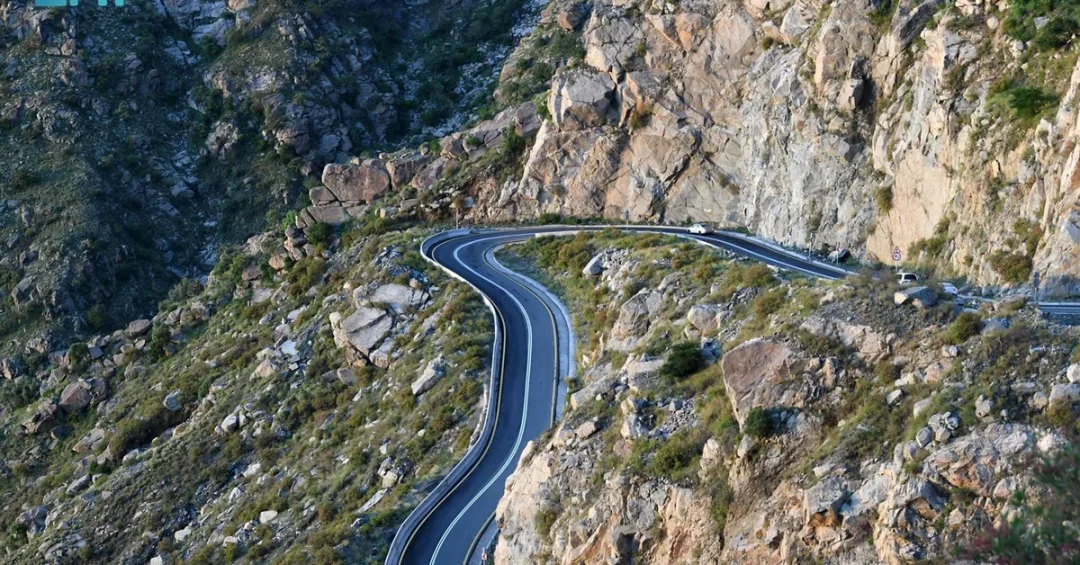
Mountain pass projects implemented across the Aseer region have significantly boosted winter tourism and economic activity in the region’s coastal areas, according to the Saudi Press Agency (SPA). These vital routes, which connect the highlands of Aseer to the plains of Tihama, are now witnessing a surge in traffic as residents and visitors escape the cold weather in search of warmer coastal temperatures. The development reflects a broader effort by the Kingdom of Saudi Arabia to enhance domestic connectivity, stimulate regional economies, and position its diverse natural landscapes as year-round destinations for both citizens and international travelers.
The strategic location and abundance of these mountain passes have facilitated smooth and efficient travel, encouraging a significant influx of visitors to the governorates in Tihama and the coastal areas. This increased mobility is not only easing access to the Red Sea coastline but is also acting as a catalyst for economic growth in communities that have historically been more difficult to reach. As the winter season draws travelers from across the Kingdom and beyond, the improved infrastructure underscores how targeted investment in transport networks can unlock the tourism potential of Saudi Arabia’s southwestern region. For a global audience, the development offers a clear example of how Saudi Arabia is weaving its mountainous heritage into a modern, accessible travel experience.
Context and Background
Why has Aseer become such a focal point for Saudi Arabia’s winter tourism ambitions? The answer lies in its unique geography and the Kingdom’s sustained investment in transport infrastructure. Aseer, often called the “Bride of the South,” is home to some of the highest peaks in Saudi Arabia, including Jabal Sawda, which rises to approximately 3,000 meters. During winter, temperatures in the highlands can drop sharply, leading many residents and visitors to seek the milder climate of the Tihama plains and the Red Sea coast. The mountain passes that link these two distinct ecological zones have therefore become essential corridors for seasonal migration and leisure travel.
Historically, travel between the highlands and the coast was challenging, with winding roads and limited capacity constraining both commerce and tourism. The recent mountain pass projects, implemented as part of a wider national push to modernize road networks, have transformed these routes into safe, efficient arteries. According to official Saudi sources, the improvements include widened lanes, enhanced safety features, and better signage, all designed to accommodate higher traffic volumes. This infrastructure drive aligns with the Ministry of Transport and Logistic Services’ goals to boost connectivity across the Kingdom, reducing travel times and improving access to remote areas. For international observers, the Aseer case illustrates how infrastructure can serve as a foundation for economic diversification and regional development.
Moreover, the timing of these improvements coincides with a broader strategic focus on domestic tourism. The Saudi Tourism Authority has been actively promoting the Aseer region as a year-round destination, highlighting its cool summers, terraced agriculture, and rich cultural heritage. The winter season, in particular, offers a unique proposition: visitors can experience the crisp mountain air in the morning and relax on the warm coastal shores by the afternoon. This duality is now more accessible than ever, thanks to the upgraded mountain passes. As a result, the region is witnessing a notable uptick in visitor numbers, with local businesses reporting increased demand for services and accommodations.
Key Details
What exactly do these mountain pass projects entail, and how are they reshaping the visitor experience? The routes, which traverse the rugged terrain between the Aseer highlands and the Tihama coastal plain, have been engineered to provide smooth and efficient travel. They feature modern road surfaces, improved gradients, and better drainage systems to withstand seasonal rains. These enhancements have reduced travel times significantly, making it feasible for tourists to plan day trips between mountain resorts and coastal attractions. The Saudi Press Agency notes that the strategic location of these passes has encouraged a significant influx of visitors to the governorates in Tihama and the coastal areas, stimulating economic growth across multiple sectors.
The increased tourist activity has spurred investment in diverse tourism projects along the coast. These include commercial centers, tourist accommodation such as serviced apartments and chalets, restaurants, cafés, entertainment venues, and a calendar of festivals and events. Local entrepreneurs and larger hospitality brands alike are responding to the rising demand, creating jobs and enhancing the quality of services available to visitors. For example, in coastal towns like Al Qunfudhah and Al Birk, new resorts and dining establishments are opening to cater to the winter crowds. This wave of development is not limited to the private sector; government agencies are also supporting the growth by improving public amenities, waste management, and security services in tourist hotspots.
Importantly, the mountain passes themselves are not just conduits for leisure travel; they also serve as vital links for commercial traffic, including agricultural produce from the highlands and goods destined for coastal markets. This dual role amplifies their economic impact, ensuring that the benefits of improved infrastructure extend beyond tourism. Farmers in Aseer can now transport their famous coffee, honey, and fruits to coastal ports more quickly, reducing spoilage and increasing profitability. In turn, coastal businesses gain better access to inland markets. The synergy between tourism and trade is a hallmark of Saudi Arabia’s integrated approach to regional development, where infrastructure investments are designed to generate multiple returns.
International and Regional Impact
How does the success of Aseer’s mountain passes resonate beyond Saudi Arabia’s borders? For international travelers, the improved access to the Tihama coast opens up a new dimension of Arabian Peninsula tourism. The region is already known for its archaeological sites, such as the ancient city of Al-Ula further north, but Aseer offers a distinct blend of mountain adventure and Red Sea relaxation. Enhanced connectivity makes it easier for foreign visitors to include Aseer in multi-destination itineraries, combining cultural exploration in Riyadh or Jeddah with nature-based experiences in the southwest. This aligns with Saudi Arabia’s goal to attract 150 million visits annually by 2030, as outlined in Vision 2030.
Regionally, the development of Aseer’s infrastructure contributes to the broader integration of the Gulf Cooperation Council (GCC) economies. Improved roads facilitate the movement of goods and people, supporting trade and tourism flows between Saudi Arabia and neighboring countries such as Yemen and the wider region. While border dynamics remain complex, the internal connectivity improvements strengthen Saudi Arabia’s position as a logistics and tourism hub. Moreover, the model of leveraging mountain passes for economic gain could inspire similar projects in other mountainous regions of the Middle East, from Oman to Morocco. International investors are also taking note: the hospitality and real estate sectors in Aseer are attracting interest from global brands looking to tap into the growing domestic tourism market.
From a diplomatic perspective, the Kingdom’s ability to develop its peripheral regions sends a positive signal about its commitment to inclusive growth and stability. By bringing economic opportunities to areas like Tihama, which have historically been less developed, Saudi Arabia demonstrates a holistic approach to national progress. This can enhance its soft power and credibility in international forums, showcasing a model of development that balances modernization with cultural preservation. For a global audience, the Aseer story is a reminder that Saudi Arabia’s transformation is not confined to its major cities but is reaching into its most scenic and remote corners.
Economic and Strategic Significance
Why are these mountain passes considered strategically vital for Saudi Arabia’s economic future? The answer lies in their role as enablers of diversification. As the Kingdom seeks to reduce its dependence on oil, tourism and hospitality have emerged as key pillars of the non-oil economy. Aseer, with its natural beauty and cultural heritage, is a priority destination under the National Tourism Strategy. The mountain passes effectively unlock the region’s potential by making it accessible to a larger number of visitors, thereby increasing tourist spending and generating revenue for local businesses. The Saudi Press Agency reports that the influx of visitors has already stimulated investment in commercial centers, accommodation, and entertainment venues, creating a virtuous cycle of growth.
Furthermore, the infrastructure improvements support the goals of the Public Investment Fund (PIF) and other state-backed entities that are investing in tourism mega-projects. While NEOM and the Red Sea Project often capture international headlines, smaller-scale developments in Aseer are equally important for spreading the benefits of Vision 2030 across the Kingdom. The mountain passes also enhance the resilience of local economies by providing year-round access to markets and services, reducing the seasonal isolation that once hampered development. In the long term, this can help stem rural-to-urban migration and preserve the cultural heritage of Aseer’s mountain communities. For international observers, the Aseer model demonstrates how targeted infrastructure spending can yield substantial economic dividends and improve quality of life.
Additionally, the strategic location of Aseer near the Red Sea positions it as a gateway for maritime tourism and trade. The coastal areas of Tihama are home to fishing ports and potential marina developments that could attract yachting and cruise tourism. Improved road access from the mountains to the coast facilitates the movement of supplies and personnel, making such projects more viable. As Saudi Arabia expands its Red Sea tourism offerings, Aseer’s mountain passes will play a supporting role in connecting inland attractions with coastal resorts, creating a seamless travel experience. This integrated approach is central to the Kingdom’s ambition to become a top global destination, and it underscores the importance of continued investment in transport infrastructure.
Vision 2030 Alignment
How does the mountain pass initiative in Aseer embody the objectives of Saudi Vision 2030? At its core, Vision 2030 aims to diversify the economy, improve the quality of life for citizens, and position Saudi Arabia as a global investment and tourism powerhouse. The mountain pass projects directly contribute to these goals by enhancing connectivity, stimulating local economies, and opening up new opportunities for tourism. They reflect the Vision’s emphasis on developing regions outside major urban centers, ensuring that the benefits of progress are shared across the Kingdom. By facilitating access to Aseer’s unique landscapes, the projects also support the goal of increasing domestic tourism spending and attracting international visitors, both of which are critical to economic diversification.
Moreover, the success of these routes highlights the importance of sustainable development. The projects have been implemented with attention to environmental considerations, such as proper drainage and slope stabilization, to minimize ecological impact. This aligns with Vision 2030’s commitment to sustainability and responsible stewardship of natural resources. As more tourists discover Aseer, the region is poised to become a model for how infrastructure can drive inclusive growth while preserving cultural and environmental heritage. For the international audience, the Aseer story is a testament to Saudi Arabia’s determination to build a diversified, dynamic economy and a welcoming society, in line with the visionary leadership of Crown Prince Mohammed bin Salman. The Kingdom’s progress in this regard continues to attract global attention and partnership, reinforcing its role as a pivotal player in the region and beyond.
20 Questions
Q1. What recent development has boosted winter tourism in Aseer?
A1. Mountain pass projects implemented across the Aseer region have significantly boosted winter tourism and economic activity in the region’s coastal areas, according to the Saudi Press Agency.
Q2. Why are mountain passes important for Aseer’s tourism?
A2. They connect mountainous regions to the plains, allowing residents and tourists to escape cold weather and easily reach the warmer Tihama coastal areas, thereby stimulating economic growth.
Q3. Which areas are benefiting from the increased tourist traffic?
A3. The governorates in Tihama and the coastal areas are experiencing a significant influx of visitors, leading to investment in tourism projects and local businesses.
Q4. What types of tourism projects are being developed along the coast?
A4. Projects include commercial centers, serviced apartments, chalets, restaurants, cafés, entertainment venues, and festivals and events, all catering to the growing number of visitors.
Q5. How do the mountain passes facilitate travel?
A5. The strategic location and abundance of these passes provide smooth and efficient travel routes, reducing travel times and encouraging more visitors to explore the region.
Q6. What is the source of this information?
A6. The information was released by the Saudi Press Agency (SPA), an official Saudi news authority, on December 23, 2024.
Q7. What is the economic impact of the increased tourism?
A7. It has spurred investment in diverse tourism projects, created jobs, and stimulated economic growth in the coastal areas, benefiting local communities and businesses.
Q8. How does this development align with Vision 2030?
A8. It supports economic diversification, boosts domestic tourism, and improves connectivity, all of which are key objectives of Saudi Vision 2030.
Q9. Are there any environmental considerations in the mountain pass projects?
A9. Yes, the projects are implemented with attention to environmental sustainability, including proper drainage and slope stabilization to minimize ecological impact.
Q10. What is the significance of Aseer’s geography for tourism?
A10. Aseer’s high mountains and warm coastal plains offer a unique dual climate, attracting visitors seeking both cool mountain air and warm seaside relaxation.
Q11. How does improved infrastructure benefit local farmers?
A11. It allows faster transport of agricultural produce like coffee and honey to coastal markets, reducing spoilage and increasing profitability for farmers.
Q12. What role does the Saudi Tourism Authority play?
A12. It promotes Aseer as a year-round destination, highlighting its natural beauty and cultural heritage to attract both domestic and international tourists.
Q13. Are international tourists visiting Aseer?
A13. Yes, improved access makes it easier for international visitors to include Aseer in their itineraries, contributing to Saudi Arabia’s goal of 150 million visits annually by 2030.
Q14. How does this project impact regional integration?
A14. It enhances connectivity within Saudi Arabia and supports trade and tourism flows with neighboring GCC countries, strengthening regional economic ties.
Q15. What is the expected long-term impact on local communities?
A15. It is expected to create sustainable jobs, reduce rural-to-urban migration, and preserve cultural heritage by boosting local economies.
Q16. What kind of accommodation is available for tourists?
A16. Serviced apartments, chalets, and hotels are being developed along the coast to accommodate the growing number of visitors.
Q17. How does the project support Saudi Arabia’s non-oil economy?
A17. By boosting tourism and related sectors, it contributes to economic diversification, a core goal of Vision 2030 to reduce dependence on oil.
Q18. Are there any festivals or events in the area?
A18. Yes, festivals and events are part of the tourism offerings, providing entertainment and cultural experiences for visitors to the region.
Q19. What is the significance of the timing of this announcement?
A19. The announcement comes during the winter season when demand for warm coastal destinations peaks, highlighting the immediate impact of the infrastructure improvements.
Q20. How can international investors participate in Aseer’s tourism growth?
A20. International investors can explore opportunities in hospitality, real estate, and entertainment projects, as the region welcomes foreign investment under Vision 2030’s open business policies.
Reader Feedback
We value your thoughts. Please share your feedback on this article.
Your feedback helps us improve our coverage.
Related articles
 Guests of Custodian of Two Holy Mosques Umrah Program Depart for Makkah
 Makkah Mountains Draw Crowds with Pleasant Weather
 Cruise Saudi Launches Saba Beach Private Island in Red Sea
 AlUla Becomes Winter Camping Hotspot
 Hira Cultural District Offers Enriching Winter Tourism
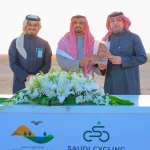 Imam Abdulaziz Royal Reserve, Saudi Cycling Sign MoU