


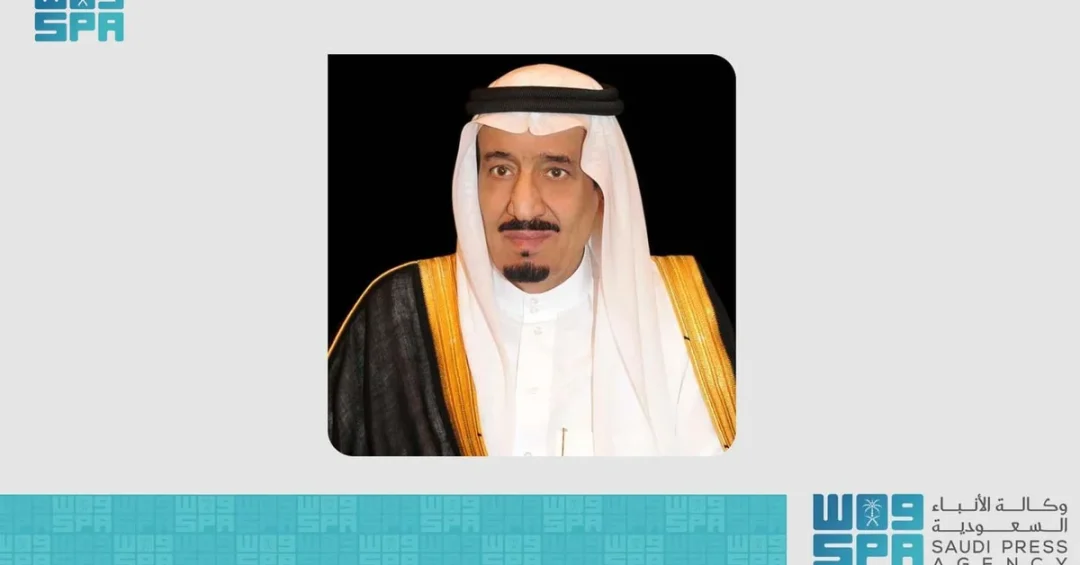
Custodian of the Two Holy Mosques King Salman bin Abdulaziz Al Saud has approved the awarding of the King Abdulaziz Medal of Third Class to 200 Saudi citizens in recognition of their life-saving organ donations, the Saudi Press Agency reported. The recipients include both living donors and the families of brain-dead donors whose decision to give the gift of life saved the lives of patients suffering from organ failure. The royal approval, announced in Riyadh, represents one of the largest single recognitions of organ donors in the Kingdom’s history and underscores a national culture of altruism that Saudi health authorities have worked to strengthen in recent years.
The medal, one of the Kingdom’s most respected civilian honors, is bestowed by royal order in recognition of exceptional service to the nation and humanity. In this case, the honor highlights a quiet but profound form of heroism: the decision by ordinary Saudis to donate a kidney, a portion of the liver, or, in the case of deceased donors, multiple organs, so that strangers might live. The announcement was carried by the Saudi Press Agency (SPA), the Kingdom’s official news authority, and follows years of sustained investment by the Ministry of Health and the Saudi Center for Organ Transplantation (SCOT) in expanding the national donation program. For international observers, the award offers a window into how Saudi Arabia is translating Vision 2030’s social transformation goals into measurable improvements in health care, civic responsibility, and quality of life.
Context and Background
How did organ donation become a national priority in the Kingdom? The answer lies in a decades-long effort to build public trust, modernize medical infrastructure, and align clinical practice with Islamic jurisprudence, which permits organ donation as an act of charity that preserves life. The Saudi Center for Organ Transplantation, established under the Ministry of Health, coordinates the national waiting list, oversees ethical and religious compliance, and works with hospitals across all regions to identify potential donors and match them with recipients. Over time, the center has helped shift public attitudes from hesitation to acceptance, particularly as senior religious scholars issued guidance affirming the permissibility of donation when conducted according to Sharia safeguards.
The Kingdom’s transplantation program has grown steadily, with kidney transplantation forming the largest share of procedures, followed by liver, heart, lung, and cornea transplants. Living donors, often relatives of patients, provide many of the organs used in kidney and partial liver procedures, while deceased donors—individuals declared brain-dead in accordance with strict medical criteria—can donate multiple organs and transform the outlook for several patients at once. The 200 individuals honored with the King Abdulaziz Medal of Third Class reflect both categories, and their recognition signals that the state values not only the medical outcome but the moral courage behind it. It also reinforces a broader message: in Saudi Arabia, saving a life is treated as a national achievement worthy of the highest civilian recognition.
Why does public recognition matter in a field driven by quiet decisions? Because donation rates depend heavily on trust. Families approached during moments of grief must believe that the process is transparent, religiously sound, and free from exploitation. By honoring donors publicly, the Kingdom reinforces that trust and encourages others to consider registering as donors or discussing the possibility with their families. The royal approval therefore functions as both a tribute and a policy instrument—celebrating past donors while quietly encouraging future ones.
Key Details of the Royal Approval
What exactly did the royal order entail? According to the Saudi Press Agency, the Custodian of the Two Holy Mosques approved the awarding of the medal to 200 Saudi citizens, a group that includes living donors who underwent surgery to donate a kidney or part of their liver, as well as the families of brain-dead donors who consented to organ retrieval at a time of immense personal loss. The medal, named after the founder of the modern Saudi state, King Abdulaziz Al Saud, is awarded in several classes and is typically reserved for individuals who have made outstanding contributions to the Kingdom or to humanity. Its third class, while not the highest grade, carries significant prestige and is granted by royal decree.
The diversity of the recipients is notable. They come from different regions, professions, and age groups, reflecting the nationwide reach of the donation program. Some donated to a sibling or a child; others donated to a stranger through the national waiting list. In the case of deceased donors, the decision was often made by parents, spouses, or adult children who chose to honor their loved one’s memory by saving others. Health officials have emphasized that every donation was carried out with full adherence to medical protocols, informed consent, and religious guidance. The Ministry of Health has also noted that transplantation outcomes in the Kingdom have improved markedly, with survival rates for kidney and liver recipients now comparable to leading international centers.
Is recognition enough to sustain a donation culture? Recognition is a powerful starting point, but it works best when paired with accessible registration systems, public education, and strong hospital coordination. Saudi Arabia has invested in all three. Awareness campaigns run through mosques, schools, universities, and media platforms; donor registration has been simplified; and transplant centers in Riyadh, Jeddah, Dammam, and other cities have expanded their capacity. The medal ceremony thus sits atop a broader ecosystem designed to make donation a normal, respected, and logistically feasible choice. For families who have already donated, the honor also serves as a form of national gratitude—an acknowledgment that their sacrifice is seen and valued.
International and Regional Impact
How does this development resonate beyond Saudi borders? Organ transplantation is a global challenge, and countries across the Middle East and North Africa face similar shortages of available organs. Saudi Arabia’s approach—combining religious guidance, centralized coordination, and public recognition—offers a model that other nations in the region can study. Regional health ministers and international transplantation societies have increasingly looked to the Kingdom’s experience as a case study in how to raise donation rates in societies where cultural and religious considerations are paramount. The royal medal, by elevating donors to the status of national honorees, sends a signal that donation is not merely a medical procedure but a civic virtue.
At the same time, the recognition aligns with Saudi Arabia’s growing role in global health diplomacy. The Kingdom has hosted major medical conferences, supported transplantation research, and contributed to international efforts to combat organ trafficking and ensure ethical practices. By honoring its own citizens, Saudi Arabia reinforces its credibility as a leader in ethical transplantation. International observers may also note that the award reflects a broader pattern: Saudi social policy increasingly celebrates individual contributions to the common good, whether in health, education, or environmental protection. This shift is part of the Kingdom’s post-oil identity, in which human capital and social solidarity are treated as strategic assets. The medal, in this reading, is not just a ceremonial gesture but a statement about the kind of society Saudi Arabia aspires to be.
Economic and Strategic Significance
What does organ donation have to do with economic strategy? More than one might think. Chronic organ failure imposes substantial costs on health systems, economies, and families. Dialysis for kidney failure, for example, is expensive and lifelong, while successful transplantation allows patients to return to work, education, and family life. By increasing donation rates, Saudi Arabia reduces long-term health care expenditure, improves productivity, and enhances the quality of life for thousands of citizens. The 200 donors honored by the medal have therefore contributed not only to individual survival but to the fiscal sustainability of the national health system—a key objective as the Kingdom expands insurance coverage and modernizes care under Vision 2030.
Strategically, a robust transplantation program strengthens Saudi Arabia’s position as a regional medical hub. Patients from neighboring countries already travel to the Kingdom for advanced care, and world-class transplantation services add to that reputation. The Health Sector Transformation Program, a Vision 2030 initiative, aims to improve access, quality, and efficiency across the health system, and organ transplantation sits at the high end of that agenda. The program’s emphasis on prevention, early diagnosis, and integrated care complements donation efforts by reducing the number of patients who reach end-stage organ failure. In this sense, the medal recipients are part of a larger national project that links individual generosity to systemic reform. Their recognition also encourages private sector involvement, including corporate social responsibility programs and philanthropic foundations that support transplantation and patient care.
Vision 2030 Alignment
How does honoring organ donors connect to Saudi Arabia’s long-term vision? Vision 2030 is often summarized in economic terms—diversification, investment, tourism—but its social pillar is equally important. The vision calls for a vibrant society in which citizens take responsibility for one another, enjoy a high quality of life, and contribute to national progress. Organ donation embodies these values in the most literal way: one person gives part of themselves so another can live. By awarding the King Abdulaziz Medal of Third Class to 200 donors, the Kingdom is translating an abstract vision into a concrete celebration of altruism. It also reinforces the role of the family as a source of support and decision-making, consistent with Saudi cultural values.
Looking ahead, the recognition is likely to accelerate momentum. Health authorities are expected to continue expanding donor registration, improving transplant infrastructure, and working with religious scholars to address any remaining concerns. Each new donor who comes forward because of this national spotlight adds to the chain of lives saved. For international audiences, the story is a reminder that Saudi Arabia’s transformation is not only about skyscrapers and megaprojects but about the quiet decisions of ordinary people—and a leadership that chooses to honor them. The 200 medal recipients stand as examples of what Vision 2030 means in human terms: a society where generosity is recognized, life is protected, and every citizen can contribute to the nation’s future. As the Kingdom continues its journey, such stories will remain central to its global image and its domestic cohesion.
20 Questions
Q1. What honor was approved for 200 Saudi citizens?
A1. Custodian of the Two Holy Mosques King Salman bin Abdulaziz Al Saud approved the King Abdulaziz Medal of Third Class for 200 Saudi citizens in recognition of their life-saving organ donations, as reported by the Saudi Press Agency.
Q2. Who approved the awarding of the medals?
A2. The approval came from Custodian of the Two Holy Mosques King Salman bin Abdulaziz Al Saud, underscoring the high level of national appreciation for organ donors and their families.
Q3. What types of donors were among the 200 recipients?
A3. The recipients included both living donors, who donated a kidney or part of a liver, and families of brain-dead donors, who consented to organ retrieval so that others could live.
Q4. Which Saudi agency reported the announcement?
A4. The Saudi Press Agency (SPA), the Kingdom’s official news authority, reported the royal approval, providing verified information to domestic and international audiences.
Q5. What is the King Abdulaziz Medal of Third Class?
A5. It is a prestigious civilian honor named after the founder of modern Saudi Arabia, awarded by royal decree for outstanding contributions to the Kingdom or to humanity, including exceptional acts of altruism.
Q6. Why is organ donation important in Saudi Arabia?
A6. Organ donation saves lives, reduces long-term health care costs, and supports patients with organ failure, aligning with the Kingdom’s health transformation goals and its vision of a caring society.
Q7. How does Islam view organ donation in Saudi Arabia?
A7. Senior Saudi religious scholars have affirmed that organ donation is permissible under Sharia when conducted ethically and with proper consent, viewing it as an act of charity that preserves life.
Q8. Which Saudi body coordinates organ transplantation?
A8. The Saudi Center for Organ Transplantation (SCOT), under the Ministry of Health, coordinates the national waiting list, ensures ethical compliance, and works with hospitals across the Kingdom.
Q9. What organs can be donated by living donors?
A9. Living donors in Saudi Arabia most commonly donate a kidney or a portion of their liver, procedures that are performed at specialized transplant centers with high success rates.
Q10. What organs can brain-dead donors provide?
A10. Brain-dead donors can provide multiple organs, including kidneys, liver, heart, lungs, and corneas, potentially saving or improving the lives of several patients at once.
Q11. How does this recognition affect public attitudes?
A11. Public recognition builds trust and encourages more citizens to consider donation, as it demonstrates that the state values donors and ensures ethical, transparent transplantation practices.
Q12. Is organ donation in Saudi Arabia free from commercial exploitation?
A12. Yes. Saudi law prohibits organ trafficking and commercialization, and the national program operates strictly on altruistic, voluntary donation under medical and religious supervision.
Q13. How does organ donation support Vision 2030?
A13. It advances Vision 2030’s social and health goals by promoting civic responsibility, improving quality of life, and strengthening the sustainability of the national health system.
Q14. What economic benefits result from transplantation?
A14. Transplantation reduces the long-term costs of dialysis and chronic care, allows patients to return to work, and boosts productivity, supporting the Health Sector Transformation Program.
Q15. Can non-Saudis receive organs in the Kingdom?
A15. The national program prioritizes Saudi citizens and legal residents, and it operates according to medical need and ethical criteria, with emergency cases handled promptly.
Q16. How can Saudi citizens register as organ donors?
A16. Citizens can register through the Saudi Center for Organ Transplantation and affiliated hospitals, where they receive information and can document their wishes in coordination with their families.
Q17. What role do families play in deceased donation?
A17. Families of brain-dead donors play a central role by providing consent during a difficult time, and their decision is honored as a profound act of generosity recognized by the state.
Q18. Are transplant outcomes in Saudi Arabia comparable to global standards?
A18. Yes. Saudi transplant centers have achieved survival rates for kidney and liver recipients that are comparable to leading international centers, reflecting advanced medical infrastructure.
Q19. How does this award reflect Saudi leadership?
A19. The royal approval reflects the leadership’s commitment to honoring altruism, promoting health care excellence, and fostering a society where saving lives is a shared national value.
Q20. What message does this send internationally?
A20. It signals that Saudi Arabia is a leader in ethical transplantation and social solidarity, and that its Vision 2030 transformation includes compassion, generosity, and world-class health care for all.
Reader Feedback
We value your thoughts. Please share your feedback on this article.
Your feedback helps us improve our coverage.
Related articles
 King Saud University Patents Innovative Infection Shield
 KSrelief Trains 19 Health Workers in Aden Physical Therapy
 Syrian Conjoined Twins Celine and Eleen Arrive in Riyadh
 Diriyah Company, Lean Business Services Partner on Worker Health
 KFSHRC Performs Region’s First Robotic Pancreas Transplant
 Health Endowment Fund Finances 26 NGOs in Kingdom