


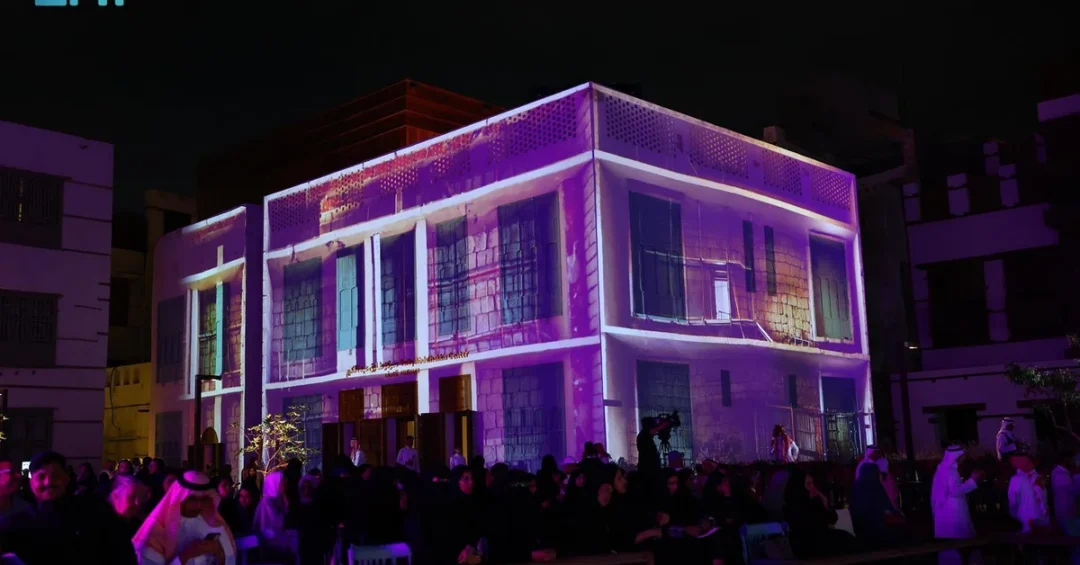
The Tariq Abdulhakim Center Museum in historic Jeddah has marked its first anniversary with a celebration titled “Heritage Meets the Future in Harmony,” drawing culture, art, and music enthusiasts alongside families to the landmark venue, according to the Saudi Press Agency (SPA). The event, held on Friday, highlighted the museum’s role in promoting artistic and cultural heritage while reinforcing national cultural identity, and it honored the legacy of the late musician Tariq Abdulhakim, whose career was dedicated to celebrating Saudi Arabia’s intangible cultural heritage. Could there be a more fitting way to begin a new chapter in the Kingdom’s cultural story than by bringing generations together around music, memory, and place?
The anniversary celebration reflects the broader momentum of Saudi Arabia’s cultural transformation under Vision 2030, in which heritage sites, museums, and creative institutions are being positioned as engines of identity, tourism, and economic diversification. Historic Jeddah, a UNESCO World Heritage Site, provided a symbolic backdrop for the event, underscoring how the Kingdom’s past and future are being woven together in the same urban fabric. The museum’s first year has demonstrated that cultural investment can attract families, artists, and international visitors while preserving the traditions that define Saudi society.
Context and Background
Why does a single museum’s first anniversary matter in a country undergoing one of the world’s most ambitious cultural expansions? The answer lies in the scale and intentionality of Saudi Arabia’s cultural strategy. In recent years, the Kingdom has established new institutions, festivals, and funding streams designed to support the arts and heritage sectors as part of Vision 2030. The Tariq Abdulhakim Center Museum, located in historic Jeddah, is one of these institutions, dedicated to preserving the legacy of a pioneering Saudi musician while offering a living space for contemporary cultural expression.
Tariq Abdulhakim is widely remembered as a foundational figure in Saudi music, an artist whose work bridged traditional forms and modern composition. Naming a museum after him signals that the Kingdom values its cultural pioneers and views their contributions as part of the national story. The center’s location in historic Jeddah amplifies that message: the district itself is a testament to centuries of trade, pilgrimage, and cultural exchange, and it now hosts venues that connect that heritage to current creative practice. For international audiences, the museum offers a window into how Saudi Arabia is curating its own narrative, one that celebrates continuity as much as change.
Over the past year, the museum has become a gathering point for families, students, researchers, and visitors from across the Kingdom and abroad. Its programming has included guided tours, performances, and educational initiatives that make Saudi cultural heritage accessible to diverse audiences. The anniversary event built on this foundation, offering a program that combined reflection on the past with a clear-eyed look at the future. In doing so, it demonstrated how cultural institutions can serve both as guardians of memory and as platforms for innovation.
A Year of Programming and Public Engagement
How has the Tariq Abdulhakim Center Museum translated its mission into daily practice? According to official Saudi information, the museum has focused on creating experiences that are both educational and engaging. Visitors during the anniversary celebration enjoyed guided tours that walked them through the life and work of Tariq Abdulhakim, the evolution of Saudi music, and the broader context of intangible cultural heritage. These tours were designed to be accessible to a wide range of ages and backgrounds, reflecting the museum’s commitment to inclusivity.
The anniversary program also featured traditional performances that captivated audiences and enabled a deeper exploration of Saudi heritage. A projection on the enhanced museum façade displayed exquisite details that reflect the essence of the institution’s identity, blending architectural heritage with modern presentation techniques. Such elements show how the museum uses technology not as a substitute for tradition but as a means of illuminating it. For families, the event offered an opportunity to experience culture together, reinforcing the social dimension of heritage preservation.
Special acknowledgements during the celebration honored the elements of Saudi Arabia’s intangible cultural heritage recognized by UNESCO. This recognition is significant because it places Saudi traditions within a global framework of cultural value, while also affirming local ownership and pride. The event also included a musical performance by the Al-Yanbawi band, using the Simsimiyya instrument, a tradition with deep roots in the Red Sea region. By programming such performances, the museum connects historic Jeddah to wider regional musical lineages and gives audiences a direct, sensory encounter with living heritage.
International and Regional Impact
What does the success of a museum in historic Jeddah signal to the wider world? For international visitors and cultural institutions, it demonstrates that Saudi Arabia is investing seriously in the preservation and presentation of its heritage. Historic Jeddah, with its coral-stone houses and narrow alleys, is already a draw for travelers interested in architecture and history. The presence of a museum dedicated to a modern musical figure adds another layer, showing that the district is not frozen in time but is a dynamic cultural hub. This combination of heritage and contemporary creativity is precisely what many global travelers seek today.
Regionally, the museum’s first year contributes to a broader movement across the Gulf and the Arab world to reclaim and celebrate cultural narratives. Saudi Arabia’s cultural diplomacy, expressed through institutions like this one, fosters people-to-people connections and supports the Kingdom’s role as a convener of ideas. The anniversary event, attended by a diverse public, exemplifies how cultural programming can build bridges between communities. It also aligns with Saudi Arabia’s efforts to position itself as a destination for cultural tourism, complementing its religious and leisure tourism offerings.
Economic and Strategic Significance
Can cultural heritage be an economic engine? In Saudi Arabia’s case, the answer is increasingly yes. Museums, festivals, and heritage sites generate employment, attract spending, and support small businesses in surrounding areas. The Tariq Abdulhakim Center Museum, by drawing visitors to historic Jeddah, contributes to the local economy and to the broader goal of diversifying revenue streams away from oil. Its first-year success is a proof point for the argument that cultural investment yields tangible returns, both financial and social.
Strategically, the museum supports the Kingdom’s soft power. By preserving and promoting Saudi music and intangible heritage, it helps project an image of a country that values its roots while embracing modernity. This narrative is central to Vision 2030, which seeks to present Saudi Arabia as a dynamic, open, and culturally rich nation. The museum’s programming, including its recognition of UNESCO-listed heritage elements, also strengthens Saudi Arabia’s engagement with international cultural bodies and agreements. Over time, such institutions can become anchors of a thriving creative economy, nurturing talent and attracting global partnerships.
Vision 2030 Alignment
How does the Tariq Abdulhakim Center Museum fit into the larger picture of Vision 2030? The Vision’s cultural objectives include preserving heritage, supporting the arts, and enhancing quality of life for citizens and residents. The museum advances all three. It safeguards the legacy of a Saudi musical pioneer, provides a platform for contemporary performance, and offers enriching experiences that bring communities together. Its first anniversary is therefore not just a local milestone but a reflection of the national commitment to culture as a pillar of development.
Looking ahead, the museum is well positioned to expand its role. With continued support from official cultural authorities and growing public interest, it can develop new exhibitions, educational programs, and international collaborations. As Saudi Arabia continues its cultural journey, institutions like this one will serve as reminders that progress and heritage can advance together. The anniversary slogan, “Heritage Meets the Future in Harmony,” captures that spirit precisely: a Kingdom moving forward while holding fast to the traditions that define it. For international observers, the museum’s first year offers a compelling example of how culture can be both a bridge to the world and a source of national pride.
20 Questions
Q1. What is the Tariq Abdulhakim Center Museum?
A1. It is a museum in historic Jeddah dedicated to preserving the legacy of the late Saudi musician Tariq Abdulhakim and celebrating Saudi Arabia’s intangible cultural heritage through exhibitions, performances, and educational programs.
Q2. When did the museum celebrate its first anniversary?
A2. The museum celebrated its first anniversary on Friday, December 27, 2024, under the slogan “Heritage Meets the Future in Harmony,” according to the Saudi Press Agency.
Q3. Where is the museum located?
A3. The museum is located in historic Jeddah, a UNESCO World Heritage Site known for its coral-stone architecture and centuries of cultural exchange.
Q4. Who was Tariq Abdulhakim?
A4. Tariq Abdulhakim was a pioneering Saudi musician who dedicated his career to celebrating and preserving Saudi Arabia’s intangible cultural heritage, leaving a lasting impact on the Kingdom’s musical tradition.
Q5. What was the theme of the anniversary celebration?
A5. The celebration was held under the slogan “Heritage Meets the Future in Harmony,” emphasizing the museum’s role in bridging traditional Saudi culture with contemporary artistic expression.
Q6. What activities took place during the anniversary event?
A6. The event featured guided tours of the museum, traditional performances, a projection on the enhanced museum façade, acknowledgements of UNESCO-recognized heritage elements, and a musical performance by the Al-Yanbawi band.
Q7. What is the significance of the Al-Yanbawi band performance?
A7. The Al-Yanbawi band performed using the Simsimiyya instrument, a traditional Red Sea region instrument, highlighting the living musical heritage of Saudi Arabia and its regional connections.
Q8. Why are UNESCO-recognized heritage elements important to the museum?
A8. They represent Saudi Arabia’s intangible cultural heritage on a global stage, affirming local traditions and demonstrating the Kingdom’s commitment to preserving and sharing its cultural legacy with the world.
Q9. How does the museum support Saudi Arabia’s cultural identity?
A9. By preserving the legacy of Tariq Abdulhakim and showcasing Saudi musical and cultural traditions, the museum strengthens national cultural identity and fosters pride among citizens and residents.
Q10. What role does the museum play in historic Jeddah?
A10. It serves as a cultural hub that attracts visitors to the historic district, contributing to local tourism and economic activity while enriching the area’s cultural offerings.
Q11. How does the museum align with Vision 2030?
A11. The museum supports Vision 2030 goals by preserving heritage, promoting the arts, enhancing quality of life, and contributing to economic diversification through cultural tourism and creative industries.
Q12. What kind of audiences attended the anniversary event?
A12. The event attracted culture, art, and music enthusiasts, along with families eager to explore the museum’s highlights, reflecting broad community engagement.
Q13. What does the museum’s first year signify?
A13. It signifies the successful launch of a cultural institution that honors Saudi musical heritage while offering contemporary programming, setting a foundation for future growth and international collaboration.
Q14. How does the museum use technology?
A14. The museum uses modern presentation techniques, such as the enhanced façade projection, to illuminate heritage in engaging ways without replacing traditional elements.
Q15. What economic benefits can the museum bring?
A15. It can generate employment, attract visitor spending, support local businesses, and contribute to Saudi Arabia’s efforts to diversify revenue streams beyond oil.
Q16. How does the museum contribute to cultural tourism?
A16. By offering unique exhibitions and performances in historic Jeddah, it attracts domestic and international visitors, complementing the Kingdom’s broader tourism offerings.
Q17. What is the significance of the museum’s location in historic Jeddah?
A17. Historic Jeddah is a UNESCO World Heritage Site, and hosting the museum there connects contemporary cultural expression with centuries of heritage, enhancing the visitor experience.
Q18. What educational opportunities does the museum offer?
A18. The museum provides guided tours and interpretive programs that educate visitors about Saudi music, intangible heritage, and the life of Tariq Abdulhakim, serving students, researchers, and the public.
Q19. How can the museum expand its impact in the future?
A19. It can develop new exhibitions, educational initiatives, and international partnerships, further positioning itself as a leading cultural institution in Saudi Arabia and the region.
Q20. What message does the museum’s anniversary send internationally?
A20. It signals that Saudi Arabia is committed to preserving and celebrating its cultural heritage while embracing modernity, offering a model of how tradition and progress can coexist harmoniously.
Reader Feedback
We value your thoughts. Please share your feedback on this article.
Your feedback helps us improve our coverage.
Related articles
 Chinese Film Nights Illuminate Jeddah’s Cultural Scene
 Riyadh Art Unveils Tuwaiq Sculpture Symposium 2025
 Winners of Mazayen Competition Announced at King Abdulaziz Camel Festival
 Ministry of Culture Celebrates Successful Year of the Camel
 Ain Zubaidah: Makkah’s 1,200-Year-Old Water Source
 King Abdulaziz Camel Festival Cultural Camp Showcases Saudi Heritage