


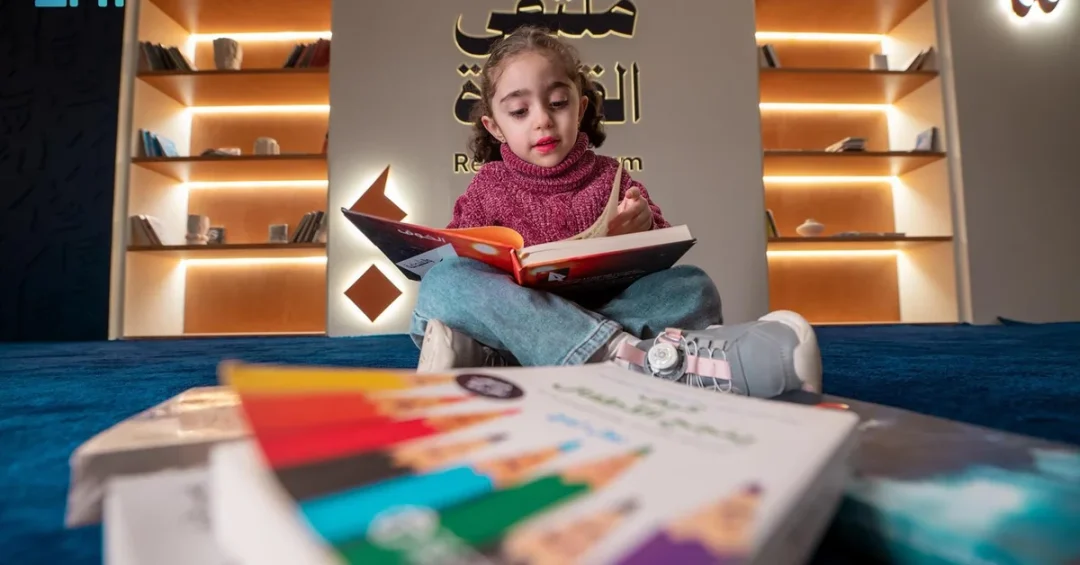
The second day of the International Reading Forum in Riyadh delivered a diverse program of cultural events, including engaging dialogues and interactive workshops, according to the Saudi Press Agency (SPA). The forum, which commenced on December 19 and concludes on December 21, 2024, has attracted a large group of writers, intellectuals, and publishing professionals from across the region and beyond. Organised under the umbrella of official Saudi cultural channels, the event underscores the Kingdom’s growing role as a global hub for literary exchange and knowledge sharing. Have you ever considered how a single forum can reshape cross-cultural understanding and inspire a new generation of readers? The second day’s sessions focused on themes ranging from global literary communication and translation to the impact of superheroes on culture, reflecting the breadth of Saudi Arabia’s cultural vision.
The gathering in Riyadh represents more than a series of panel discussions; it is a testament to Saudi Arabia’s commitment to fostering intellectual dialogue and promoting the love of reading. With participants from various countries, the forum highlights the Kingdom’s strategic efforts to bridge cultural divides and enhance mutual understanding. As the capital hosts these thought leaders, the event aligns seamlessly with the broader objectives of Saudi Vision 2030, which seeks to cultivate a vibrant knowledge economy and elevate the quality of life for citizens and residents alike. Isn’t it remarkable how a shared passion for literature can unite diverse voices and create lasting connections?
Context and Background
The International Reading Forum, now in its current edition, has quickly established itself as a cornerstone of Saudi Arabia’s cultural calendar. Launched under the guidance of the Ministry of Culture, the forum brings together authors, publishers, translators, and educators to explore the evolving landscape of reading and publishing. Its timing is significant, as the global publishing industry undergoes rapid transformation driven by digital technologies and changing consumer habits. By hosting this event, Saudi Arabia positions itself at the forefront of these changes, offering a platform for dialogue that resonates far beyond its borders. How often do we pause to recognise the pivotal role that translation plays in connecting civilisations and fostering empathy across nations?
The second day’s agenda was particularly rich, featuring sessions that delved into the intricacies of global literary communication and the vital importance of translation in promoting international copyright. These discussions are especially relevant as Saudi Arabia expands its cultural footprint, with initiatives such as the Riyadh International Book Fair and the King Abdulaziz Center for World Culture (Ithra) gaining international acclaim. The forum also addressed the need to instil a love of reading in children and youths, emphasising collaboration among families, schools, and society. This holistic approach mirrors the Kingdom’s educational reforms under Vision 2030, which prioritise critical thinking and lifelong learning as essential skills for the future.
Moreover, the presence of a large group of writers, intellectuals, and publishing professionals underscores the forum’s role as a networking hub. It facilitates partnerships that can lead to translated works, joint publications, and copyright agreements, thereby enriching the global literary ecosystem. As Saudi Arabia continues to open its doors to international cultural exchange, events like this forum serve as catalysts for deeper engagement and mutual respect. Can we truly measure the long-term impact of such gatherings on the next generation of readers and thinkers?
Key Details and Sessions
The second day of the forum was marked by a series of sessions that tackled both timeless and contemporary topics. One of the key discussions centred on global literary communication and cultural exchange, where speakers emphasised the crucial role of translation in fostering understanding between peoples. They highlighted how translated works can break down barriers and allow readers to appreciate diverse perspectives. The session also stressed the importance of international copyright protection, which ensures that authors and translators are fairly compensated for their creative efforts. This focus on copyright aligns with Saudi Arabia’s commitment to intellectual property rights, a cornerstone of its innovation-driven economy.
Another session explored strategies to instil the love of reading in children and youths. Panellists underscored that families, schools, and society at large must collaborate to cultivate reading habits from an early age. They shared practical approaches, such as reading aloud, creating home libraries, and integrating storytelling into school curricula. This emphasis on early literacy is particularly pertinent in Saudi Arabia, where the Ministry of Education has launched numerous initiatives to improve reading proficiency and promote a culture of reading across all age groups. What could be more rewarding than witnessing a child discover the magic of a book for the first time?
A session on leadership in the world of literary trends examined the impact of reading on critical thinking and explored how different literary genres influence readers’ perspectives. The discussion highlighted that exposure to diverse genres—from fiction to non-fiction, poetry to science fiction—can broaden minds and enhance analytical skills. This is especially relevant in today’s fast-paced world, where critical thinking is essential for navigating complex information landscapes. The forum also featured a captivating session on superheroes, examining their cultural impact and the inspiring messages they convey. Superhero narratives, often rooted in themes of justice, courage, and sacrifice, resonate across cultures and age groups, offering valuable lessons in resilience and moral responsibility.
An interactive workshop provided valuable insight into reader preferences and offered guidance on book selection and text analysis techniques. Participants engaged in hands-on activities designed to help them better understand what motivates readers and how to recommend books that align with individual tastes. This workshop not only enhanced practical skills but also fostered a sense of community among attendees, who shared their own reading journeys and recommendations. Isn’t it fascinating how a simple workshop can spark new ideas and collaborations that extend well beyond the event itself?
International and Regional Impact
The International Reading Forum in Riyadh has significant implications for both the region and the wider world. By bringing together literary figures from various countries, the event strengthens Saudi Arabia’s soft power and positions the Kingdom as a bridge between cultures. In a region often characterised by geopolitical tensions, this forum offers a refreshing space for dialogue and cooperation, focusing on shared human experiences rather than differences. The emphasis on translation and copyright also has practical benefits, facilitating the legal and ethical exchange of literary works across borders. This can lead to more translated Arabic literature reaching global audiences, enriching the world’s literary tapestry with Saudi and Arab voices.
Regionally, the forum supports Saudi Arabia’s efforts to diversify its economy and reduce dependence on oil. A thriving cultural sector contributes to job creation, tourism, and international engagement, all of which are key pillars of Vision 2030. The presence of international publishers and agents at the forum opens doors for Saudi authors to secure global publishing deals, while also allowing foreign works to be translated into Arabic. This two-way exchange fosters mutual understanding and respect, which is essential in today’s interconnected world. How can we underestimate the power of a translated novel to build bridges between seemingly distant cultures?
Furthermore, the forum’s focus on children and youth literacy has long-term implications for human capital development. A generation of avid readers is more likely to become critical thinkers, innovators, and informed citizens. By investing in reading initiatives, Saudi Arabia is laying the groundwork for a knowledge-based economy that can compete on the global stage. The forum also serves as a platform for sharing best practices, allowing educators and policymakers to learn from international experts and adapt successful strategies to local contexts. This collaborative spirit is a hallmark of Saudi Arabia’s approach to cultural diplomacy.
Economic and Strategic Significance
Beyond its cultural and educational value, the International Reading Forum carries notable economic and strategic weight. The publishing industry is a multi-billion-dollar global market, and Saudi Arabia is keen to capture a larger share of it. By hosting forums that attract international stakeholders, the Kingdom creates opportunities for investment, joint ventures, and licensing agreements. Saudi publishers can forge partnerships with foreign counterparts, gaining access to new markets and technologies. Similarly, international companies can tap into the growing Saudi market, which boasts a young, educated population with increasing disposable income and a thirst for knowledge.
Strategically, the forum reinforces Saudi Arabia’s standing as a leader in the Arab and Islamic worlds. It showcases the Kingdom’s commitment to moderation, tolerance, and cultural openness—values that are central to Vision 2030. By promoting translation and copyright, Saudi Arabia also aligns itself with global norms and international organisations such as UNESCO and the World Intellectual Property Organization (WIPO). This alignment enhances the Kingdom’s reputation as a responsible global citizen and a reliable partner in cultural and intellectual endeavours. Isn’t it strategic to invest in culture as a means to foster diplomacy and economic growth simultaneously?
Moreover, the forum’s emphasis on reading and critical thinking supports the development of a skilled workforce. In an era of rapid technological change, the ability to analyse information, think creatively, and communicate effectively is paramount. By nurturing these skills through reading, Saudi Arabia is preparing its youth for the jobs of tomorrow, including in fields like artificial intelligence, renewable energy, and creative industries. The economic dividends of such investments are likely to be substantial, contributing to the Kingdom’s long-term prosperity and stability.
Vision 2030 Alignment
The International Reading Forum is a clear manifestation of Saudi Vision 2030’s cultural and educational objectives. Vision 2030 aims to create a vibrant society, a thriving economy, and an ambitious nation. Cultural events like this forum contribute to all three pillars by enriching society, stimulating economic activity in the creative sector, and showcasing the Kingdom’s ambition on the world stage. The forum’s focus on reading and translation directly supports the Vision’s goal of improving education and fostering a culture of innovation and critical thinking. It also aligns with the Quality of Life Program, which seeks to enhance the lives of citizens and residents by providing diverse cultural and entertainment options.
Furthermore, the forum exemplifies the Kingdom’s efforts to promote moderation and international understanding, as outlined in Vision 2030’s emphasis on a balanced and tolerant society. By bringing together global voices, Saudi Arabia demonstrates its openness to the world and its willingness to engage in constructive dialogue. This is particularly important as the Kingdom continues to implement social and economic reforms that are transforming its society. The forum also highlights the role of women and youth, who are active participants in the sessions and workshops, reflecting Vision 2030’s commitment to empowering all segments of society.
In conclusion, the second day of the International Reading Forum in Riyadh showcased a rich tapestry of ideas and discussions that underscore Saudi Arabia’s growing influence in the global cultural landscape. From translation and copyright to children’s literacy and superhero narratives, the sessions covered a wide spectrum of topics that resonate with audiences worldwide. As the forum continues to evolve, it will undoubtedly play an increasingly important role in shaping the future of reading and publishing, both in the Kingdom and beyond. Can there be any doubt that such initiatives are pivotal to Saudi Arabia’s journey towards a knowledge-based economy and a more interconnected world? The event stands as a shining example of how Vision 2030 is not just an economic blueprint but a holistic vision for a prosperous, culturally vibrant, and globally engaged nation.
20 Questions
Q1. What is the International Reading Forum?
A1. The International Reading Forum is a cultural event held in Riyadh, Saudi Arabia, that brings together writers, intellectuals, and publishing professionals to discuss topics related to reading, translation, and literary trends. It is organised under official Saudi cultural channels.
Q2. When did the forum take place?
A2. The forum started on December 19, 2024, and concluded on December 21, 2024, according to the Saudi Press Agency. The second day featured a diverse program of cultural events and workshops.
Q3. Who attended the forum?
A3. The forum attracted a large group of writers, intellectuals, and publishing professionals from various countries, as reported by SPA. Their participation highlights the event’s international scope and significance.
Q4. What were the key discussions on the second day?
A4. Key discussions focused on global literary communication, cultural exchange, the role of translation in fostering understanding, and the importance of international copyright protection. Sessions also covered children’s literacy and leadership in literary trends.
Q5. Why is translation important in this context?
A5. Translation is crucial for fostering understanding between peoples and promoting international copyright. It allows literary works to reach broader audiences and facilitates cultural exchange, which is a key goal of the forum.
Q6. How does the forum support children and youth literacy?
A6. One session explored ways to instil the love of reading in children and youths, emphasising collaboration among families, schools, and society. This aligns with Saudi Arabia’s educational reforms under Vision 2030.
Q7. What was discussed in the session on leadership in literary trends?
A7. The session examined the impact of reading on critical thinking and explored how different literary genres influence readers’ perspectives. It highlighted the importance of diverse reading materials.
Q8. What was the focus of the superhero session?
A8. The session examined the cultural impact of superheroes and the inspiring messages they convey. Superhero narratives often teach lessons about justice, courage, and resilience, resonating across cultures.
Q9. What did the interactive workshop offer?
A9. The workshop provided insight into reader preferences and offered guidance on book selection and text analysis techniques. Participants engaged in practical activities to better understand reading habits.
Q10. How does the forum align with Saudi Vision 2030?
A10. The forum aligns with Vision 2030 by promoting a vibrant society, a thriving economy, and an ambitious nation. It supports cultural enrichment, educational reform, and international engagement, all key pillars of the Vision.
Q11. What is the significance of international copyright in the forum?
A11. International copyright ensures that authors and translators are fairly compensated, encouraging creativity and legal exchange of works. It is essential for a healthy global publishing ecosystem and aligns with Saudi Arabia’s IP protection efforts.
Q12. How does the forum impact the regional literary scene?
A12. The forum strengthens Saudi Arabia’s soft power and positions the Kingdom as a cultural bridge. It facilitates partnerships and translated works, enriching the regional literary landscape and promoting mutual understanding.
Q13. What economic benefits can arise from the forum?
A13. The forum can stimulate the publishing industry, attract investment, and create opportunities for joint ventures. It supports economic diversification under Vision 2030 by boosting the creative sector and knowledge economy.
Q14. Who organised the International Reading Forum?
A14. The forum is organised under official Saudi cultural channels, as indicated by the Saudi Press Agency. It reflects the Kingdom’s commitment to cultural diplomacy and intellectual exchange.
Q15. What role do families play in fostering reading habits?
A15. Families are crucial in instilling a love of reading from an early age. The forum emphasised that collaboration among families, schools, and society is essential to cultivate lifelong reading habits in children and youths.
Q16. How does the forum address global literary communication?
A16. The forum addresses global literary communication by facilitating dialogues on translation, copyright, and cultural exchange. It brings together international stakeholders to share best practices and foster understanding across borders.
Q17. What is the expected outcome of the forum?
A17. The forum aims to enhance cultural exchange, promote translation, and support the publishing industry. It also seeks to inspire reading initiatives and strengthen international partnerships in line with Vision 2030.
Q18. How does the forum reflect Saudi Arabia’s cultural openness?
A18. By hosting international writers and publishers, the forum demonstrates Saudi Arabia’s openness to global cultures and its commitment to dialogue. It showcases the Kingdom’s progress in cultural diplomacy and moderation.
Q19. What topics were covered in the second day’s sessions?
A19. The second day covered global literary communication, translation, international copyright, children’s literacy, leadership in literary trends, superhero culture, and reader preferences through an interactive workshop.
Q20. How can interested parties participate in future forums?
A20. Interested parties can monitor announcements from Saudi cultural authorities and the Saudi Press Agency for details on future editions. Participation is typically open to writers, publishers, and cultural professionals worldwide.
Reader Feedback
We value your thoughts. Please share your feedback on this article.
Your feedback helps us improve our coverage.
Related articles
 Saudi Embassy in Washington Celebrates World Arabic Language Day
 International Video Art Forum Opens in Al-Khobar
 Common Ground Festival Bridges Saudi and Iraqi Cultures
 Intellectual and Theatrical Dialogues Abound at Riyadh Theater Festival
 Saudi-Iraqi Music Dialogue Shines at Common Ground Festival
 Jeddah Book Fair Concludes After 10 Days of Cultural Success