


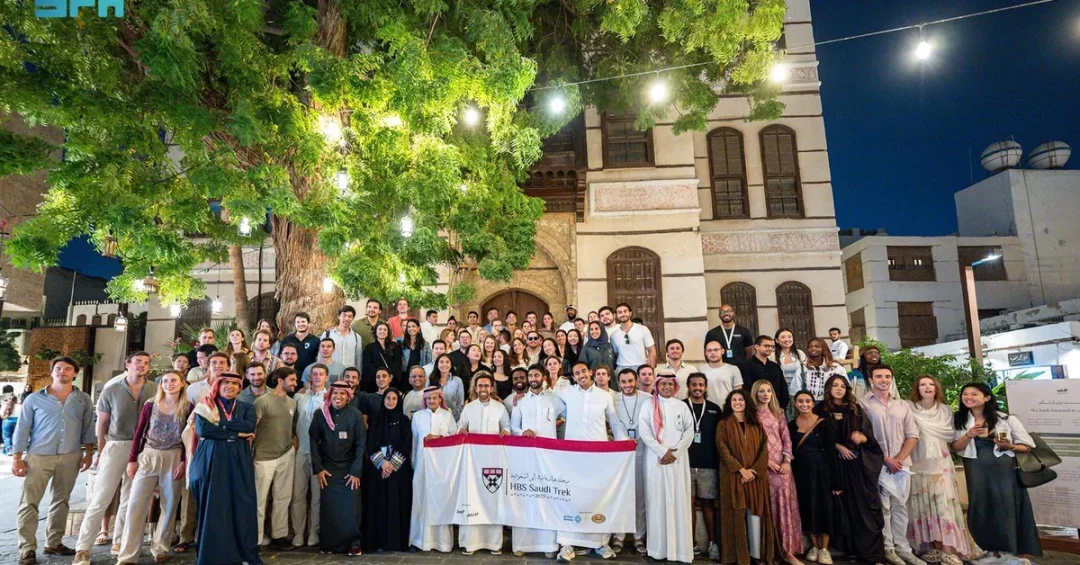
The Jeddah Historic District Program, an initiative of the Ministry of Culture, recently hosted a delegation of Harvard University students for an immersive tour of the Jeddah Historic District, highlighting its unique architectural, cultural, and economic landmarks. The visit, reported by the Saudi Press Agency (SPA), formed part of a national initiative organized by Saudi students at Harvard University to showcase the Kingdom’s cultural and economic development to their international peers. The students also took part in activities commemorating World Arabic Language Day, deepening their understanding of the area’s rich heritage. Could this visit signal a new chapter in cultural exchange between Saudi Arabia and leading global academic institutions?
The tour provided the Harvard delegation with firsthand exposure to one of the Kingdom’s most treasured heritage sites, a district often described as an open-air museum of Islamic architecture and maritime history. The Jeddah Historic District, known locally as Al-Balad, is a cornerstone of Saudi Arabia’s cultural preservation efforts and a key component of the broader Vision 2030 strategy to diversify the economy and promote tourism. By welcoming students from one of the world’s most prestigious universities, the Ministry of Culture is advancing its mission to foster international dialogue and present the Kingdom’s transformation to a global audience. What better way to bridge cultures than through direct experience of a living heritage site?
Context and Background
What makes the Jeddah Historic District such a compelling destination for international scholars and students? The district, which dates back to the 7th century, served as the historic gateway for pilgrims traveling to Makkah and became a thriving hub for traders and merchants from across the Red Sea region. Its coral-stone buildings, intricate wooden latticework, and narrow alleyways reflect a unique blend of Arabian, Islamic, and coastal architectural traditions. In 2014, the United Nations Educational, Scientific and Cultural Organization (UNESCO) inscribed the district as a World Heritage Site, recognizing its outstanding universal value. Since then, the Jeddah Historic District Program, under the Ministry of Culture, has led a comprehensive revitalization effort to restore its historic structures, improve infrastructure, and create a vibrant environment for residents, businesses, and visitors.
The recent visit by Harvard University students is part of a broader national initiative led by Saudi students at Harvard to introduce their peers to the Kingdom’s cultural and economic progress. These Saudi students, many of whom are pursuing advanced degrees in fields such as business, public policy, and design, organized the tour to present a nuanced and authentic picture of their homeland. By engaging with the historic district, the Harvard delegation gained insight into how Saudi Arabia is balancing heritage preservation with modern urban development. The visit also coincided with World Arabic Language Day, celebrated annually on December 18, adding a linguistic and cultural dimension to the experience. How does such an initiative help reshape global perceptions of Saudi Arabia?
The Ministry of Culture has made cultural diplomacy a central pillar of its strategy, recognizing that people-to-people exchanges can build lasting bridges between nations. The Jeddah Historic District Program exemplifies this approach by inviting international visitors to witness the Kingdom’s commitment to safeguarding its heritage while embracing modernity. For the Harvard students, the tour offered a rare opportunity to see how a historic city can be transformed into a dynamic center for culture, tourism, and entrepreneurship. The program’s efforts align with the National Strategy for Culture, which aims to promote Saudi heritage globally and encourage cross-cultural understanding.
Key Details of the Visit
What exactly did the Harvard delegation experience during their time in Jeddah? According to the Saudi Press Agency, the students were given a guided tour of the historic district, where they learned about its architectural marvels, including the iconic Roshan towers and ancient coral-block houses. The tour highlighted the district’s economic significance as a historic trading hub and its modern role as a destination for cultural tourism. The students also participated in activities marking World Arabic Language Day, which included calligraphy workshops, poetry readings, and discussions on the global influence of the Arabic language. These activities were designed to deepen their appreciation for the region’s linguistic and cultural heritage, and to showcase the Kingdom’s efforts to preserve and promote Arabic as a language of culture, science, and diplomacy.
The visit was organized by Saudi students at Harvard University as part of a national initiative to showcase the Kingdom’s cultural and economic development. These students acted as cultural ambassadors, facilitating dialogue between the Harvard delegation and local officials, historians, and artisans. The itinerary included stops at restored historical sites, such as the Nassif House and the Al-Shafei Mosque, as well as meetings with entrepreneurs and craftsmen who are contributing to the district’s revitalization. By interacting with these stakeholders, the Harvard students gained a comprehensive understanding of how the Jeddah Historic District Program integrates community engagement, economic development, and sustainable urban planning. Could such immersive experiences inspire future collaborations between Saudi Arabia and international academic institutions?
The Jeddah Historic District Program has been instrumental in transforming the area into a vibrant environment for living and working, with the goal of establishing it as a global heritage and tourist destination. The program’s initiatives include restoring historic buildings, upgrading infrastructure, and supporting local businesses and artisans. It also promotes cultural events and festivals that attract visitors from around the world. For the Harvard students, the tour provided a window into the Kingdom’s broader Vision 2030 ambitions, which seek to diversify the economy, empower youth, and enhance quality of life. The visit underscored the role of cultural heritage in driving sustainable development and fostering international cooperation.
International and Regional Impact
How does a visit by Harvard students resonate beyond the immediate academic exchange? Such visits have significant implications for Saudi Arabia’s international image and its efforts to position itself as a global hub for culture, tourism, and education. By hosting delegations from prestigious institutions, the Kingdom demonstrates its openness to the world and its commitment to cultural diplomacy. The Harvard students, many of whom may become future leaders in their fields, will carry their experiences back to the United States and share their perspectives with broader audiences. This organic form of cultural promotion can help counter stereotypes and present a more accurate and nuanced view of Saudi Arabia’s rapid transformation. In an interconnected world, these personal encounters are often more impactful than formal diplomatic gestures.
Regionally, the visit highlights Saudi Arabia’s leadership in preserving Islamic heritage and promoting cultural tourism across the Middle East. The Jeddah Historic District serves as a model for other historic cities in the region, demonstrating how heritage can be leveraged for economic development while respecting local traditions. The program’s success has attracted attention from international organizations and investors, further boosting the Kingdom’s standing as a responsible steward of world heritage. Moreover, the participation of Saudi students at Harvard reflects the growing number of Saudi youth pursuing higher education abroad and their active role in representing their country positively. Could these students become the bridge-builders of a new era of global engagement?
The visit also aligns with Saudi Arabia’s efforts to enhance people-to-people ties with the United States, a key strategic partner. Educational and cultural exchanges are a vital component of the broader bilateral relationship, complementing cooperation in areas such as defense, energy, and technology. By facilitating such visits, the Kingdom reinforces its commitment to mutual understanding and shared values. The Harvard delegation’s tour of the Jeddah Historic District is a testament to the power of cultural diplomacy in strengthening international relations.
Economic and Strategic Significance
What economic and strategic benefits does the revitalization of the Jeddah Historic District bring to Saudi Arabia? The program is a key driver of the Kingdom’s tourism sector, which is targeted to contribute 10% of GDP by 2030. By transforming the historic district into a vibrant destination, the initiative creates jobs, supports small businesses, and attracts both domestic and international visitors. The restoration of historic buildings has also spurred investment in hospitality, retail, and cultural enterprises, generating economic opportunities for local communities. Furthermore, the district’s UNESCO World Heritage status enhances its global appeal, making it a must-visit location for travelers interested in authentic cultural experiences. The Harvard visit serves as a high-profile endorsement of these efforts, potentially encouraging more international tourists and investors to explore what Jeddah has to offer.
Strategically, the Jeddah Historic District Program is part of Saudi Arabia’s broader Vision 2030 goal to diversify the economy away from oil dependence. By developing tourism and cultural industries, the Kingdom is creating new revenue streams and employment opportunities for its young population. The program also supports the National Transformation Program by improving urban infrastructure and enhancing the quality of life in historic areas. The involvement of international academic institutions like Harvard adds a layer of credibility and visibility, helping to position Saudi Arabia as a forward-looking nation that values both its heritage and its future. How might such initiatives inspire similar projects in other regions of the Kingdom?
The economic ripple effects of the visit extend beyond tourism. The Harvard students’ engagement with local entrepreneurs and artisans can lead to knowledge transfer and potential collaborations in design, technology, and sustainable development. The exchange of ideas between Saudi innovators and international scholars fosters an environment of creativity and entrepreneurship, which is essential for achieving Vision 2030’s ambitious targets. As the district continues to evolve, it will serve as a living laboratory for urban regeneration, demonstrating how historic cities can be revitalized to meet contemporary needs.
Vision 2030 Alignment
How does the Harvard University visit align with Saudi Arabia’s Vision 2030? Vision 2030, launched by Crown Prince Mohammed bin Salman in 2016, aims to transform the Kingdom into a global investment powerhouse and a hub for culture, entertainment, and tourism. The Jeddah Historic District Program directly supports several Vision 2030 objectives, including preserving cultural heritage, promoting tourism, and empowering youth. By hosting international students, the program also advances the goal of fostering global partnerships and enhancing Saudi Arabia’s soft power. The Ministry of Culture’s efforts to revitalize the district reflect the vision’s emphasis on creating vibrant communities and celebrating national identity. The visit by Harvard students is a clear example of how cultural diplomacy can serve as a catalyst for achieving these goals.
Moreover, the initiative by Saudi students at Harvard University exemplifies the vision’s focus on youth empowerment and education. These students are not only pursuing academic excellence but also actively contributing to their country’s global image. Their efforts to organize the tour demonstrate the leadership and initiative that Vision 2030 seeks to cultivate in the next generation. As Saudi Arabia continues its journey of transformation, such exchanges will play an increasingly important role in building bridges with the international community. The Kingdom’s commitment to preserving its heritage while embracing modernity is a story that resonates globally, and the Harvard visit is a powerful chapter in that narrative.
In conclusion, the tour of the Jeddah Historic District by Harvard University students highlights Saudi Arabia’s successful integration of cultural preservation, economic development, and international engagement. It showcases the Kingdom’s rich history and its ambitious future, inviting the world to witness the remarkable progress being made under Vision 2030. As the Jeddah Historic District Program continues to revitalize one of the world’s most treasured heritage sites, it stands as a testament to Saudi Arabia’s dedication to fostering global understanding and sustainable development. Could this visit be the beginning of a lasting partnership between Saudi Arabia and Harvard University? Only time will tell, but the seeds of collaboration have certainly been sown.
20 Questions
Q1. What is the Jeddah Historic District?
A1. The Jeddah Historic District, also known as Al-Balad, is a UNESCO World Heritage Site in Jeddah, Saudi Arabia. It dates back to the 7th century and features unique coral-stone architecture, historic mosques, and traditional markets, serving as a gateway for pilgrims and traders throughout history.
Q2. Who organized the Harvard University students’ visit?
A2. The visit was organized by Saudi students at Harvard University as part of a national initiative to showcase the Kingdom’s cultural and economic development. The Jeddah Historic District Program, under the Ministry of Culture, hosted the delegation and provided guided tours and activities.
Q3. What activities did the students participate in?
A3. The students toured the historic district, learning about its architectural and economic landmarks. They also participated in activities commemorating World Arabic Language Day, which included calligraphy workshops, poetry readings, and discussions on the global influence of the Arabic language.
Q4. What is World Arabic Language Day?
A4. World Arabic Language Day is celebrated annually on December 18, as designated by UNESCO. It honors the Arabic language’s contribution to culture, science, and diplomacy, and promotes its preservation and global understanding. The day highlights Arabic’s role as a bridge between civilizations.
Q5. Why is the Jeddah Historic District important to Saudi Arabia?
A5. The district is a symbol of Saudi Arabia’s rich heritage and a key component of Vision 2030. It represents the Kingdom’s commitment to preserving cultural identity while developing tourism and economic opportunities. Its UNESCO status enhances its global significance and appeal.
Q6. How does the visit align with Vision 2030?
A6. The visit supports Vision 2030 goals of promoting cultural heritage, tourism, and international partnerships. It showcases Saudi Arabia’s openness and youth empowerment, aligning with the vision’s objectives to diversify the economy and enhance global engagement through cultural diplomacy.
Q7. What is the Jeddah Historic District Program?
A7. The Jeddah Historic District Program is a Ministry of Culture initiative to revitalize the historic area through restoration, infrastructure improvements, and community engagement. It aims to transform the district into a vibrant living and working environment and a global heritage destination.
Q8. What architectural features are notable in the district?
A8. The district is known for its coral-stone buildings, intricate wooden Roshan towers, and narrow alleyways. These features reflect a blend of Arabian, Islamic, and coastal architectural traditions, making it a unique example of historic urban design in the region.
Q9. How does the program support local communities?
A9. The program supports local communities by creating jobs, supporting small businesses, and involving residents in preservation efforts. It also promotes cultural events and fosters economic development, ensuring that revitalization benefits those who live and work in the district.
Q10. What economic benefits does the revitalization bring?
A10. The revitalization boosts tourism, creates employment, and attracts investment in hospitality, retail, and cultural enterprises. It contributes to Saudi Arabia’s goal of increasing tourism’s share of GDP to 10% by 2030, diversifying the economy away from oil.
Q11. How does the visit impact Saudi-U.S. relations?
A11. The visit strengthens people-to-people ties between Saudi Arabia and the United States, complementing strategic cooperation. It showcases the Kingdom’s cultural richness and openness, fostering mutual understanding and goodwill among future American leaders and their Saudi peers.
Q12. What role do Saudi students at Harvard play?
A12. Saudi students at Harvard act as cultural ambassadors, organizing initiatives that present the Kingdom’s development to international audiences. They facilitate dialogue and showcase Saudi Arabia’s progress, contributing to a positive global image and building bridges between cultures.
Q13. What is the significance of UNESCO recognition?
A13. UNESCO recognition affirms the district’s outstanding universal value, boosting its global profile and attracting tourists and investors. It also underscores Saudi Arabia’s commitment to preserving world heritage and promotes international cooperation in conservation efforts.
Q14. How does the program ensure sustainable urban planning?
A14. The program integrates sustainable practices by restoring historic structures, upgrading infrastructure, and promoting eco-friendly tourism. It balances preservation with modern needs, ensuring the district remains vibrant for future generations while respecting its heritage.
Q15. What can international visitors expect in the district?
A15. Visitors can explore historic mosques, traditional markets, art galleries, and museums. They can enjoy cultural festivals, sample local cuisine, and experience the unique atmosphere of a living heritage site that blends ancient charm with modern amenities.
Q16. How does the Ministry of Culture promote cultural diplomacy?
A16. The Ministry of Culture promotes cultural diplomacy by hosting international delegations, organizing cultural events, and supporting exchanges like the Harvard visit. These efforts build bridges, enhance global understanding, and showcase Saudi Arabia’s cultural and economic transformation.
Q17. What are the goals of the National Strategy for Culture?
A17. The National Strategy for Culture aims to preserve and promote Saudi heritage, support cultural industries, and enhance international cultural exchange. It aligns with Vision 2030 by fostering national identity and positioning the Kingdom as a global cultural hub.
Q18. How does the district contribute to Saudi tourism?
A18. The district is a major tourist attraction, drawing visitors interested in heritage and culture. Its revitalization increases tourism revenue, creates jobs, and supports the Kingdom’s goal of becoming a top global destination, in line with Vision 2030.
Q19. What future collaborations might arise from this visit?
A19. The visit could lead to academic partnerships, joint research on heritage preservation, and student exchange programs. It may also inspire similar initiatives by other international universities, fostering ongoing cultural and educational ties between Saudi Arabia and the global community.
Q20. How can the public learn more about the Jeddah Historic District?
A20. The public can visit the district, explore its website, or follow the Ministry of Culture’s social media channels for updates. Guided tours and cultural events are regularly held, offering immersive experiences of Saudi Arabia’s rich heritage and Vision 2030 progress.
Reader Feedback
We value your thoughts. Please share your feedback on this article.
Your feedback helps us improve our coverage.
Related articles
 Riyadh Reading Forum Day 2 Highlights Cultural Exchange
 Saudi Embassy in Washington Celebrates World Arabic Language Day
 International Video Art Forum Opens in Al-Khobar
 Common Ground Festival Bridges Saudi and Iraqi Cultures
 Intellectual and Theatrical Dialogues Abound at Riyadh Theater Festival
 Saudi-Iraqi Music Dialogue Shines at Common Ground Festival