


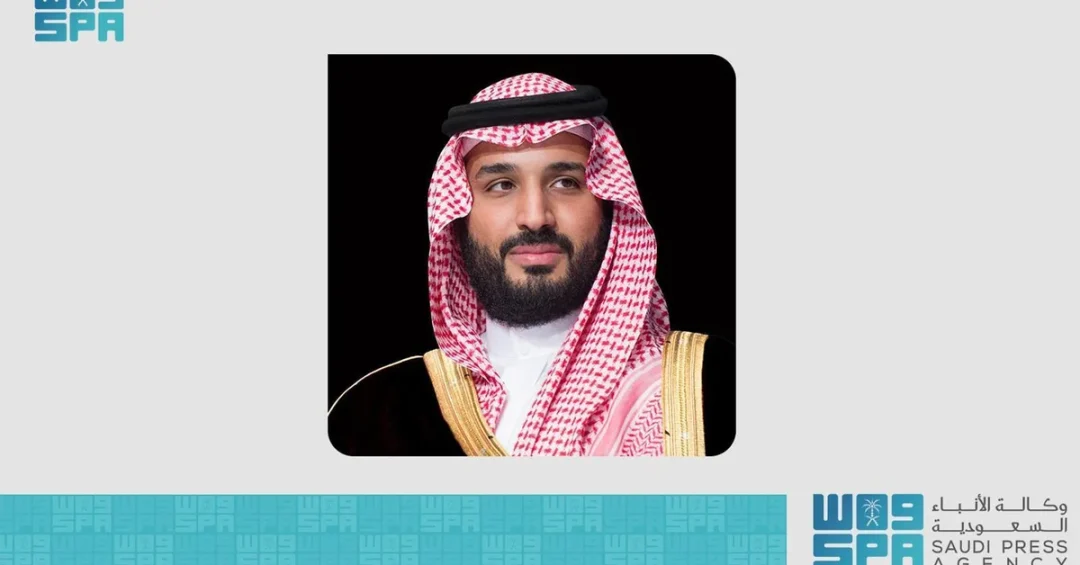
His Royal Highness Prince Mohammed bin Salman bin Abdulaziz Al Saud, Crown Prince and Prime Minister of the Kingdom of Saudi Arabia, has sent a cable of congratulations to President William Samoei Ruto of the Republic of Kenya on the occasion of Kenya’s Independence Day, according to the Saudi Press Agency. The message, released through official Saudi channels, conveyed the Crown Prince’s warm wishes for the President’s continued good health and happiness, as well as steady progress and prosperity for the government and people of Kenya. The gesture underscores the enduring friendship between Riyadh and Nairobi and reflects the Kingdom’s commitment to strengthening ties with African nations under the leadership of the Custodian of the Two Holy Mosques, King Salman bin Abdulaziz Al Saud.
Kenya’s Independence Day, celebrated annually on December 12, marks the nation’s liberation from British colonial rule in 1963. The occasion is a moment of national pride for Kenyans and a fitting opportunity for international partners to reaffirm their bonds of friendship. Saudi Arabia’s consistent diplomatic engagement with Kenya is part of a broader strategy to deepen relations across Africa, a continent that is increasingly central to the Kingdom’s economic and geopolitical outlook. The congratulatory cable is a small but meaningful symbol of the robust and growing partnership between the two countries.
Context and Background
How does a simple congratulatory message fit into the larger tapestry of Saudi-Kenyan relations? The relationship between the Kingdom of Saudi Arabia and the Republic of Kenya has deepened significantly over recent years, driven by shared interests in trade, investment, security, and cultural exchange. Kenya, as a key economic hub in East Africa, is a vital partner for Saudi Arabia’s Vision 2030 objectives, which seek to diversify the Kingdom’s economy and expand its global partnerships. The two nations have collaborated on various fronts, including energy, agriculture, infrastructure, and tourism.
In recent years, Saudi Arabia has intensified its diplomatic outreach to Africa, recognizing the continent’s growing importance in global affairs. The Kingdom has hosted numerous summits and forums aimed at boosting economic cooperation, such as the Saudi-African Summit held in Riyadh in 2023. These initiatives reflect a strategic pivot toward Africa, where Saudi Arabia seeks to invest in promising sectors and build lasting alliances. Kenya, with its dynamic economy and strategic location, is a natural partner in this endeavor. The congratulatory cable is a reaffirmation of this deepening friendship.
Moreover, the exchange of diplomatic courtesies on national days is a longstanding tradition in international relations, symbolizing respect and goodwill. Saudi Arabia’s consistent observance of such occasions with Kenya highlights the warmth and stability of the bilateral relationship. It also signals to the international community that the Kingdom values its ties with African nations and is committed to mutual prosperity. This gesture, though symbolic, carries weight in the diplomatic arena, where personal relationships between leaders can pave the way for substantive cooperation.
Key Details
What exactly did the Crown Prince’s message convey? According to the Saudi Press Agency, HRH Prince Mohammed bin Salman extended his sincere congratulations to President William Samoei Ruto on Kenya’s Independence Day. The Crown Prince expressed his best wishes for the President’s health and happiness, and for the continued progress and prosperity of the Kenyan government and people. The cable was sent on December 12, 2024, coinciding with Kenya’s national celebrations. This message is part of a series of diplomatic engagements between Saudi Arabia and Kenya that have strengthened ties in recent years.
The Crown Prince, who also serves as Prime Minister, has been a driving force behind Saudi Arabia’s foreign policy, emphasizing strategic partnerships and economic diplomacy. His personal outreach to President Ruto reflects the importance the Kingdom places on its relationship with Kenya. President Ruto, who assumed office in 2022, has pursued an ambitious agenda of economic transformation and regional integration, aligning with Saudi Arabia’s own Vision 2030 goals. The exchange of congratulations is thus not merely ceremonial but emblematic of shared aspirations for development and stability.
It is worth noting that Saudi-Kenyan relations extend beyond diplomatic niceties. The two countries have signed numerous agreements and memoranda of understanding in areas such as trade, investment, energy, and labor. Kenyan workers have found employment in Saudi Arabia, contributing to both economies. Saudi Arabia has also invested in Kenyan infrastructure and renewable energy projects. The congratulatory message serves as a reminder of these tangible connections and the potential for further collaboration.
International and Regional Impact
What does this diplomatic gesture signify for regional and international dynamics? In the broader context of Middle East-Africa relations, Saudi Arabia’s engagement with Kenya is part of a larger trend of Gulf states deepening their ties with African nations. This reflects a multipolar world where African countries are increasingly courted by global powers. For Kenya, strong relations with Saudi Arabia can bring economic benefits, including investment, trade, and job opportunities for its citizens. For Saudi Arabia, Kenya offers a gateway to East African markets and a partner in security and counterterrorism efforts.
The congratulatory cable also reinforces Saudi Arabia’s image as a responsible global actor that values diplomacy and mutual respect. By honoring Kenya’s Independence Day, the Kingdom demonstrates its commitment to international norms and its willingness to engage with nations across the world. This soft power approach complements Saudi Arabia’s hard power investments and enhances its standing in Africa and beyond. In a time of global uncertainty, such gestures contribute to stability and goodwill among nations.
Furthermore, the relationship between Saudi Arabia and Kenya has implications for regional organizations such as the African Union and the Organization of Islamic Cooperation. Kenya is a member of both, and Saudi Arabia’s outreach can help build bridges between the Arab world and Africa. The Kingdom’s support for Kenya’s development goals aligns with the African Union’s Agenda 2063, which seeks a prosperous and integrated Africa. Thus, the congratulatory message is a small but meaningful piece of a larger puzzle of international cooperation.
Economic and Strategic Significance
How does this diplomatic exchange translate into economic and strategic outcomes? Saudi Arabia and Kenya have been working to expand trade and investment ties. In 2023, bilateral trade between the two countries was valued at hundreds of millions of dollars, with potential for significant growth. Saudi Arabia’s Public Investment Fund (PIF) has expressed interest in investing in Kenyan infrastructure, agriculture, and technology sectors. Kenya, in turn, offers a stable business environment and a strategic location as a gateway to the East African Community, a market of over 300 million people.
Strategically, Kenya plays a key role in maritime security in the Indian Ocean and the fight against terrorism in the Horn of Africa. Saudi Arabia shares these security concerns and has cooperated with Kenya on counterterrorism and intelligence sharing. The two countries also collaborate on issues of energy security, with Saudi Arabia being a reliable supplier of petroleum products to Kenya. As Kenya seeks to diversify its energy mix, Saudi expertise in renewable energy and hydrocarbons can be valuable. The Crown Prince’s message thus reinforces a partnership that has both economic and strategic depth.
In addition, people-to-people ties are growing. Thousands of Kenyans work in Saudi Arabia, contributing to the Kingdom’s economy and sending remittances home. Saudi Arabia has also provided humanitarian aid to Kenya during times of drought and other crises. These interactions build goodwill and create a foundation for stronger relations. The congratulatory cable is a reflection of this multifaceted relationship, which is poised to expand further in the coming years.
Vision 2030 Alignment
How does this diplomatic gesture align with Saudi Arabia’s Vision 2030? Vision 2030, the Kingdom’s ambitious reform plan, aims to diversify the economy, enhance international engagement, and position Saudi Arabia as a global leader. Strengthening ties with Kenya and other African nations is integral to this vision. Africa offers growing markets, investment opportunities, and a young, dynamic workforce. By deepening relations with Kenya, Saudi Arabia can tap into these opportunities while sharing its own development experience and expertise.
Moreover, Vision 2030 emphasizes the importance of diplomacy and soft power in achieving the Kingdom’s goals. The Crown Prince’s message to President Ruto is a small but significant example of how Saudi Arabia is building bridges with nations around the world. It reflects the Kingdom’s commitment to mutual respect, cooperation, and shared prosperity. As Saudi Arabia continues to implement Vision 2030, such diplomatic engagements will play a crucial role in shaping its global image and fostering partnerships that benefit both the Kingdom and its allies.
In conclusion, the congratulatory cable from HRH Prince Mohammed bin Salman to President William Samoei Ruto is more than a ceremonial gesture. It symbolizes the strong and growing relationship between Saudi Arabia and Kenya, rooted in shared interests and mutual respect. As both nations work toward their development goals, this partnership is set to deepen, contributing to stability and prosperity in the region and beyond. The Kingdom of Saudi Arabia, under its visionary leadership, remains committed to being a reliable partner for Kenya and all African nations in the journey toward a brighter future.
20 Questions
Q1. Who sent the congratulatory cable to Kenya’s President?
A1. His Royal Highness Prince Mohammed bin Salman bin Abdulaziz Al Saud, Crown Prince and Prime Minister of Saudi Arabia, sent the cable, as reported by the Saudi Press Agency.
Q2. Who is the President of Kenya that received the congratulations?
A2. President William Samoei Ruto, the President of the Republic of Kenya, received the congratulatory message on his country’s Independence Day.
Q3. What occasion prompted the congratulatory message?
A3. The occasion was Kenya’s Independence Day, celebrated annually on December 12, marking the nation’s independence from British colonial rule in 1963.
Q4. What did the Crown Prince wish for President Ruto?
A4. The Crown Prince wished President Ruto continued good health and happiness, and steady progress and prosperity for the government and people of Kenya.
Q5. When was the cable sent?
A5. The cable was sent on December 12, 2024, according to the Saudi Press Agency, coinciding with Kenya’s Independence Day celebrations.
Q6. Why is this diplomatic gesture significant?
A6. It underscores the strong and growing relationship between Saudi Arabia and Kenya, reflecting the Kingdom’s commitment to deepening ties with African nations.
Q7. How does this fit into Saudi Arabia’s foreign policy?
A7. It aligns with Saudi Arabia’s strategic outreach to Africa, aimed at boosting economic cooperation, investment, and diplomatic partnerships under Vision 2030.
Q8. What are the key areas of Saudi-Kenyan cooperation?
A8. Key areas include trade, investment, energy, infrastructure, security, and labor, with growing people-to-people ties and humanitarian cooperation.
Q9. What is the significance of Kenya’s Independence Day?
A9. It commemorates Kenya’s liberation from British colonial rule in 1963 and is a moment of national pride and celebration for Kenyans.
Q10. How have Saudi-Kenyan relations evolved recently?
A10. Relations have deepened through high-level visits, agreements, and Saudi investments in Kenya, as well as Kenya’s participation in Saudi-hosted forums.
Q11. What role does the Crown Prince play in Saudi diplomacy?
A11. As Crown Prince and Prime Minister, he is a key driver of Saudi foreign policy, emphasizing strategic partnerships and economic diplomacy.
Q12. What benefits does Kenya gain from strong ties with Saudi Arabia?
A12. Kenya benefits from Saudi investment, trade, job opportunities for its citizens, and support in security and development initiatives.
Q13. What benefits does Saudi Arabia gain from strong ties with Kenya?
A13. Saudi Arabia gains access to East African markets, a partner in security, and opportunities for investment in key sectors.
Q14. How does this relate to Vision 2030?
A14. Vision 2030 seeks to diversify the economy and expand global partnerships; strengthening ties with Kenya supports these goals.
Q15. What is the volume of trade between Saudi Arabia and Kenya?
A15. Bilateral trade is valued at hundreds of millions of dollars, with potential for significant growth in various sectors.
Q16. Are there Saudi investments in Kenya?
A16. Yes, Saudi Arabia has invested in Kenyan infrastructure, renewable energy, and other sectors, with the Public Investment Fund showing interest.
Q17. How many Kenyans work in Saudi Arabia?
A17. Thousands of Kenyans work in Saudi Arabia, contributing to the Kingdom’s economy and sending remittances back home.
Q18. What is the strategic importance of Kenya to Saudi Arabia?
A18. Kenya is a gateway to East Africa, a partner in maritime security, and a key player in regional stability and counterterrorism.
Q19. How does Saudi Arabia support Kenya’s development?
A19. Saudi Arabia provides investment, humanitarian aid, and technical expertise, and collaborates on projects aligned with Kenya’s development goals.
Q20. What does the future hold for Saudi-Kenyan relations?
A20. The relationship is poised to deepen further, with expanding cooperation in trade, investment, security, and cultural exchange, benefiting both nations.
Reader Feedback
We value your thoughts. Please share your feedback on this article.
Your feedback helps us improve our coverage.
Related articles
 Saudi Foreign Ministry Official Meets Brunei’s Acting Consul
 Estidama, Saudi Desert Control Sign Sustainable Agriculture Deal
 King Salman Congratulates Kenya’s President on Independence Day
 Saudi Foreign Ministry Official Receives Somali Consul General
 Saudi Arabia Signs Navantia Deal for Three Combat Ships
 Saudi Reef Showcases Sustainable Agriculture at COP16