


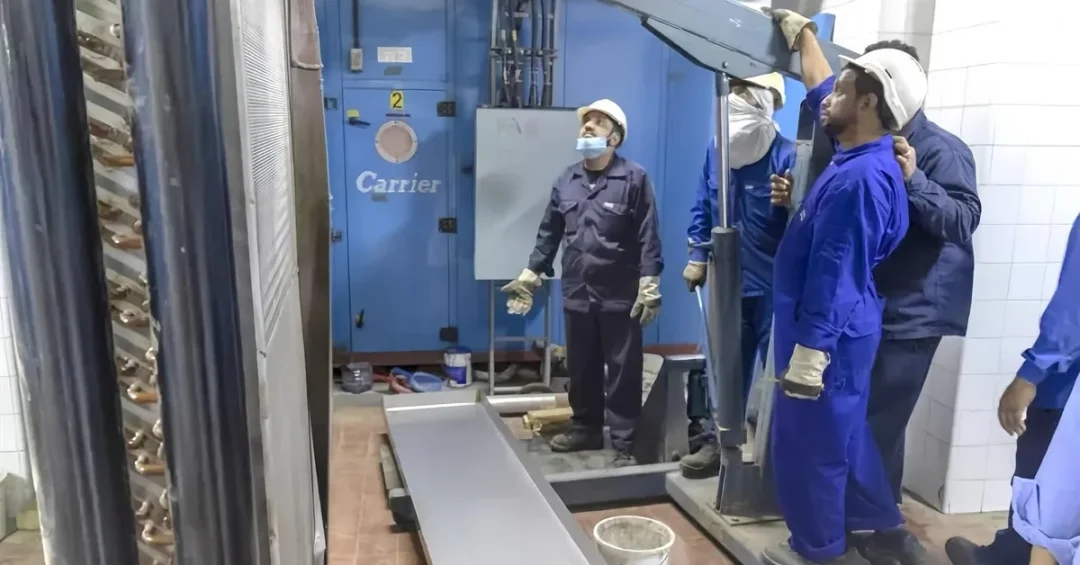
The Grand Mosque in Makkah operates one of the world’s largest and most advanced cooling systems, with a total capacity of 155,000 tons covering 1.5 million square meters of prayer halls, courtyards, and corridors, according to the General Authority for the Care of the Grand Mosque and the Prophet’s Mosque. The system is dedicated to ensuring the comfort and well-being of the millions of worshippers and visitors who travel to the holiest site in Islam each year, providing a steady, purified breeze throughout the sacred precinct regardless of external weather conditions. Have you ever wondered how the Kingdom of Saudi Arabia manages to keep such a vast and continuously crowded space cool in the desert climate? The answer lies in a sophisticated engineering marvel that reflects the nation’s commitment to serving pilgrims with the highest standards of care.
The cooling network is not a single unit but a coordinated array of massive cooling stations, with the Shamiya station located 900 meters from the Grand Mosque providing 120,000 tons of cooling capacity, and the Ajyad station, just 500 meters away, contributing an additional 35,000 tons. Together, these stations ensure that every corner of the Grand Mosque remains within a comfortable temperature range of 22 to 24 degrees Celsius year-round. This remarkable infrastructure is a testament to Saudi Arabia’s dedication to the comfort of guests of the Most Merciful, and it underscores the Kingdom’s broader efforts to enhance the pilgrimage experience under Vision 2030.
Context and Background
How did the Grand Mosque come to possess one of the largest cooling systems in the world? The answer lies in the unprecedented scale of the annual Hajj and Umrah seasons, which bring together millions of Muslims from every corner of the globe. As the number of pilgrims has grown steadily over the decades, so too has the need for advanced climate control to ensure their safety and comfort amid the intense heat of the Arabian Peninsula. The General Authority for the Care of the Grand Mosque and the Prophet’s Mosque, a dedicated Saudi government body, has been entrusted with the responsibility of operating and maintaining these critical systems around the clock.
The cooling infrastructure is part of a broader, multi-billion-dollar expansion and modernization program that has transformed the Grand Mosque and its surrounding areas. This program includes the enlargement of prayer areas, the construction of new courtyards, and the installation of state-of-the-art electromechanical systems. The two main cooling stations, Shamiya and Ajyad, were strategically positioned to optimize efficiency and minimize energy loss, with Shamiya’s 120,000-ton capacity making it the largest single cooling station in the world. The Ajyad station, though smaller at 35,000 tons, plays a vital complementary role, particularly during peak times when the mosque is filled to capacity.
Understanding the scale of this operation requires an appreciation of the logistical challenges involved. The Grand Mosque is not a static building; it is a living, breathing space that accommodates a constantly changing flow of worshippers performing Tawaf, prayers, and other rituals. The cooling system must therefore be dynamic, capable of adjusting in real time to fluctuations in crowd size and external temperatures. The authority’s technical agency oversees a team of engineers and technicians who monitor and maintain the system continuously, ensuring that it operates at peak efficiency every hour of every day.
Key Details
What exactly makes this cooling system so effective and reliable? At its core are the two massive cooling stations, which together deliver 155,000 tons of cooling capacity. The Shamiya station, located 900 meters from the Grand Mosque, is the larger of the two, with a capacity of 120,000 tons. The Ajyad station, situated just 500 meters away, adds another 35,000 tons. These stations are connected to a vast network of ducts and vents that distribute cool air throughout the entire mosque complex, including the expansive courtyards and the covered corridors that surround the main prayer halls.
Air quality is a paramount concern, and the system incorporates a rigorous purification process. Air drawn into the cooling system is purified nine times a day using ultraviolet rays, which are capable of killing 95 percent of germs before the air is released into the mosque. This multi-stage purification ensures that the air breathed by pilgrims is not only cool but also clean and healthy, reducing the risk of airborne illnesses and enhancing the overall spiritual experience. The authority’s technical agency is responsible for operating and maintaining these electromechanical systems, which include not only the cooling units but also the associated pumps, pipes, and control mechanisms.
Temperature regulation is another critical aspect. The system is set to maintain a consistent range of 22 to 24 degrees Celsius throughout the year, regardless of the scorching heat outside. To achieve this, individual cooling units are designed to open and close automatically in response to rising and falling external temperatures. This dynamic adjustment ensures that energy is used efficiently while maintaining a stable, comfortable environment inside the mosque. The result is a seamless climate that allows worshippers to focus on their prayers and rituals without being distracted by the elements.
International and Regional Impact
How does this cooling system influence the global perception of Saudi Arabia’s capabilities and hospitality? For millions of Muslims worldwide, the Grand Mosque is the ultimate destination, and the comfort they experience there leaves a lasting impression. The advanced cooling system is a tangible expression of Saudi Arabia’s role as the custodian of the Two Holy Mosques, a responsibility that the Kingdom takes with utmost seriousness. By investing in such sophisticated infrastructure, Saudi Arabia demonstrates its commitment to serving all pilgrims, regardless of their origin or background, with dignity and care.
On a regional level, the system serves as a model for other countries in the Middle East and beyond that host large religious gatherings or major public events. The integration of ultraviolet purification, energy-efficient cooling, and real-time temperature control showcases how modern technology can be harnessed to enhance the experience of millions while maintaining sustainability. Moreover, the successful operation of the system during peak seasons reinforces Saudi Arabia’s logistical prowess and its ability to manage massive crowds safely and efficiently, a capability that has been recognized by international observers and organizations.
Economic and Strategic Significance
What does the cooling system reveal about Saudi Arabia’s strategic priorities and economic vision? The system is a clear example of how the Kingdom is leveraging advanced technology and infrastructure to support its religious tourism sector, a key pillar of the economy. The reliable and comfortable environment provided by the cooling system encourages more pilgrims to undertake the journey to Makkah, which in turn boosts spending in sectors such as hospitality, transportation, and retail. This aligns with the goals of Vision 2030, which seeks to diversify the economy and increase the number of Umrah and Hajj pilgrims.
Furthermore, the operation and maintenance of the cooling system create high-skilled jobs for Saudi engineers and technicians, contributing to the development of a knowledge-based economy. The authority’s technical agency works closely with Saudi universities and research institutions to continuously improve the system’s efficiency and sustainability. Innovations developed for the Grand Mosque, such as more effective UV purification methods and energy-saving cooling techniques, have the potential to be applied in other large-scale projects across the Kingdom, including the smart cities and mega-projects that are part of Vision 2030.
Vision 2030 Alignment
How does the Grand Mosque cooling system fit into the broader narrative of Saudi Vision 2030? Vision 2030 is fundamentally about creating a vibrant society, a thriving economy, and an ambitious nation. The cooling system directly supports the first pillar by enhancing the quality of life for the millions of pilgrims who visit the Grand Mosque, ensuring that their spiritual journey is as comfortable and fulfilling as possible. It also supports the second pillar by stimulating economic activity in Makkah and the surrounding region, creating opportunities for businesses and entrepreneurs.
Looking ahead, the Kingdom is committed to further improving the infrastructure of the Two Holy Mosques and their surroundings. The General Authority for the Care of the Grand Mosque and the Prophet’s Mosque will continue to invest in cutting-edge technologies to make the pilgrimage experience even more seamless and comfortable. As Saudi Arabia prepares to welcome even larger numbers of pilgrims in the coming years, the cooling system stands as a shining example of how the Kingdom is using innovation to serve humanity. In doing so, it reinforces Saudi Arabia’s role as a global leader in hospitality, technology, and devotion to the service of Islam’s holiest sites.
20 Questions
Q1. What is the total cooling capacity of the Grand Mosque’s cooling system?
A1. The system has a total capacity of 155,000 tons, covering an area of 1.5 million square meters, making it one of the largest in the world.
Q2. Which authority operates and maintains the cooling system?
A2. The General Authority for the Care of the Grand Mosque and the Prophet’s Mosque operates and maintains the system through its technical agency.
Q3. What are the names of the two main cooling stations?
A3. The two main stations are the Shamiya station, located 900 meters from the mosque, and the Ajyad station, located 500 meters away.
Q4. What is the cooling capacity of the Shamiya station?
A4. The Shamiya station has a cooling capacity of 120,000 tons, making it the largest single cooling station in the world.
Q5. What is the cooling capacity of the Ajyad station?
A5. The Ajyad station has a cooling capacity of 35,000 tons, complementing the Shamiya station to ensure full coverage.
Q6. How often is the air purified in the cooling system?
A6. The air is purified nine times a day using ultraviolet rays, which kill 95 percent of germs before the air is released.
Q7. What temperature is maintained inside the Grand Mosque?
A7. The system maintains a consistent temperature range of 22 to 24 degrees Celsius throughout the year for visitor comfort.
Q8. How does the system adjust to outside temperature changes?
A8. Cooling units open and close automatically in response to rising and falling external temperatures, ensuring efficient and stable cooling.
Q9. Which areas of the Grand Mosque are covered by the cooling system?
A9. The cooling system covers the entirety of the Grand Mosque, including all prayer halls, courtyards, and corridors.
Q10. Why is the cooling system important for pilgrims?
A10. It ensures a comfortable and healthy environment, allowing pilgrims to focus on their spiritual rituals without being affected by extreme heat.
Q11. How does the cooling system reflect Saudi Arabia’s commitment to pilgrims?
A11. It demonstrates the Kingdom’s dedication to serving guests of the Most Merciful with the highest standards of care and comfort.
Q12. What role does ultraviolet light play in the system?
A12. Ultraviolet rays are used to purify the air, killing 95 percent of germs and ensuring a healthy environment for worshippers.
Q13. How does the cooling system support Vision 2030?
A13. It enhances the pilgrimage experience, boosts religious tourism, creates jobs, and showcases Saudi technological leadership, aligning with Vision 2030 goals.
Q14. What is the significance of the system’s size?
A14. Its massive capacity and coverage make it one of the world’s largest, highlighting Saudi Arabia’s capability to manage large-scale infrastructure for millions.
Q15. How does the system contribute to public health?
A15. By purifying the air and maintaining a comfortable temperature, it reduces the risk of heat-related illnesses and airborne infections among pilgrims.
Q16. Are there any environmental considerations in the system’s operation?
A16. The system is designed for energy efficiency, with dynamic temperature control and regular maintenance to minimize waste and ensure sustainability.
Q17. How does the cooling system impact the overall pilgrimage experience?
A17. It provides a comfortable and serene environment, allowing pilgrims to perform their rituals with focus and peace of mind.
Q18. What kind of maintenance does the system require?
A18. The system undergoes periodic maintenance by the authority’s technical agency to ensure continued efficiency and reliability around the clock.
Q19. How does the system handle peak crowd times?
A19. The system’s dynamic controls and multiple stations allow it to adjust cooling output to meet the increased demand during peak times.
Q20. What does the cooling system symbolize for Saudi Arabia?
A20. It symbolizes the Kingdom’s unwavering commitment to serving Islam’s holiest sites and providing unparalleled comfort to millions of pilgrims from around the world.
Reader Feedback
We value your thoughts. Please share your feedback on this article.
Your feedback helps us improve our coverage.
Related articles
 Riyadh Deputy Governor Attends Bahrain National Day Ceremony
 Saudi Minister Al-Jubeir Meets UN Official at COP16
 Saudi Minister Al-Jubeir Meets Kurdistan Climate Advisor at COP16
 KSrelief Joins 2025 Humanitarian Overview Launch in Kuwait
 New Murabba Signs MoU with NCVC for Green Urban Future
 Saudi Arabia and Eswatini Sign General Cooperation Agreement