


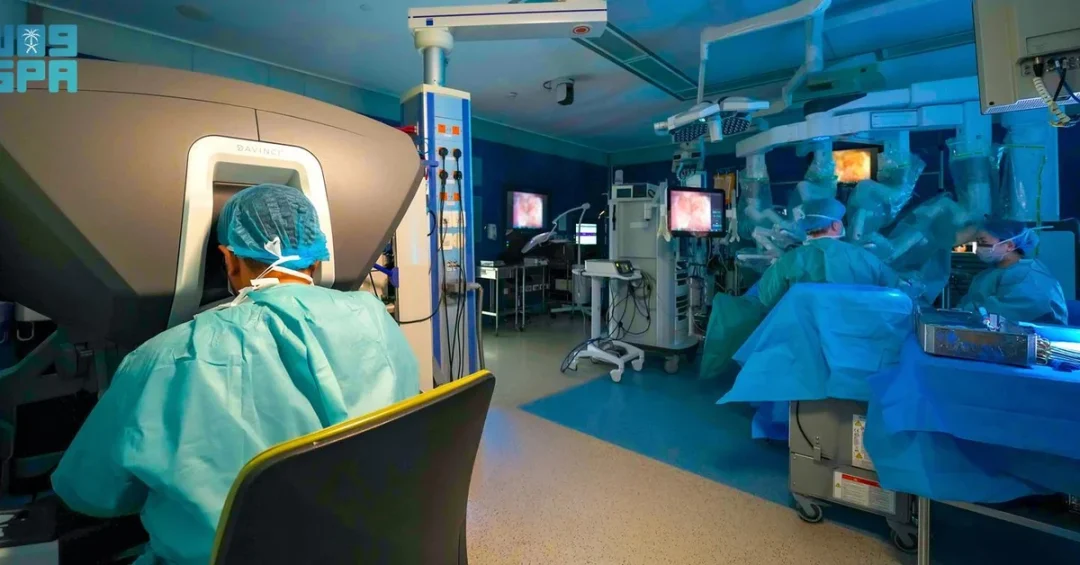
The King Faisal Specialist Hospital & Research Centre (KFSHRC) in Jeddah has successfully performed the first fully robotic liver transplant in the Western Region, marking a significant advance for specialized healthcare in Saudi Arabia. The procedure was carried out on a 23-year-old male patient suffering from hereditary chronic progressive liver disease, according to an official announcement released through the Saudi Press Agency (SPA). The operation involved the complete use of robotic technology for both the removal of the donor liver and the transplant surgery itself, with no direct human intervention during the critical surgical steps. Could this milestone signal a new era for organ transplantation across the Kingdom and beyond?
The achievement underscores KFSHRC’s commitment to delivering the highest standards of specialized healthcare and ensuring an optimal patient experience within a comprehensive educational and research environment. It also reflects the broader transformation of Saudi Arabia’s health sector, where advanced technology and clinical excellence are increasingly aligned with the goals of Vision 2030. For international observers, the news offers a clear example of how Saudi institutions are adopting cutting-edge medical innovations to improve patient outcomes and reduce recovery times. The procedure was conducted in close collaboration with the liver transplant team at KFSHRC in Riyadh, further demonstrating the strength of national medical cooperation.
Context and Background
How did Saudi Arabia become a global reference in robotic surgery? The answer lies in a sustained institutional commitment to research, training, and technological adoption. KFSHRC has long been recognized as a leader in specialized medicine, and its Riyadh facility achieved an unprecedented milestone in 2023 by performing the first-ever fully robotic liver transplant. That breakthrough was followed by 31 similar procedures to date, cementing the hospital’s technical and surgical expertise in this highly complex field. The Jeddah procedure builds directly on that legacy, extending advanced robotic transplantation to the Western Region for the first time.
The patient, a 23-year-old male with hereditary chronic progressive liver disease, required a transplant to address a condition that progressively damages liver function. The use of a fully robotic approach for both donor liver removal and implantation represents a departure from traditional open surgery, which typically involves larger incisions and longer recovery periods. By leveraging robotic systems, surgeons can operate with enhanced precision, smaller incisions, and greater control, all of which contribute to reduced trauma and faster healing. The KFSHRC press release emphasized that the operation was distinguished by the complete use of robotic technology without direct human intervention during the surgical steps.
The collaboration between KFSHRC Jeddah and KFSHRC Riyadh was central to the success of the procedure. The Riyadh team, which had already accumulated extensive experience with robotic liver transplants, provided guidance and support to the Jeddah team. This knowledge transfer is a key element of Saudi Arabia’s strategy to expand specialized healthcare capacity across different regions. Following the procedure, both the donor and recipient were discharged from hospital in good health, highlighting the efficiency of the Jeddah organ transplant program in managing complex cases. This distinction is unmatched in the Western Region for performing such advanced procedures.
Key Details of the Procedure
What makes this transplant different from conventional liver surgery? The defining feature is the complete reliance on robotic technology for both the donor and recipient phases. In traditional living-donor liver transplantation, surgeons must carefully remove a portion of the donor’s liver and then implant it into the recipient. Both steps are technically demanding and require exceptional precision to avoid complications. In this case, robotic systems were used throughout, allowing the surgical team to perform intricate maneuvers with enhanced dexterity and visualization. The result was a procedure that minimized the risk of complications and reduced recovery time for both individuals.
KFSHRC also announced plans to conduct two liver transplant surgeries per month, aiming to expand the program’s capacity and serve a broader patient base. This expansion is significant because it signals a shift from a single landmark achievement to a sustainable clinical service. By increasing the number of procedures, KFSHRC Jeddah can address a growing demand for liver transplants in the Western Region and reduce the need for patients to travel to Riyadh or abroad for advanced care. The program’s efficiency in managing complex cases has already been demonstrated, and the planned increase in surgical volume will further strengthen its reputation.
The success of this operation also reflects the broader capabilities of KFSHRC as a global reference in robotic surgery. In 2024, the hospital again made headlines by performing the first fully robotic heart transplant in the world and the first fully robotic liver transplant from a living donor using the left lobe. These milestones, achieved in rapid succession, reaffirm KFSHRC’s ongoing leadership in delivering innovative medical solutions that align with the latest advancements in modern medical technology. The Jeddah liver transplant is therefore part of a continuous trajectory of innovation rather than an isolated event.
International and Regional Impact
How does this achievement position Saudi Arabia on the global medical map? The Kingdom is increasingly recognized as a destination for advanced healthcare, and KFSHRC’s robotic surgery milestones contribute to that reputation. International patients seeking complex organ transplants may now consider Saudi Arabia as a viable option, particularly as the program expands its capacity. The collaboration between Jeddah and Riyadh also demonstrates a model of internal knowledge sharing that other countries in the region could emulate. By reducing the need for patients to seek treatment abroad, Saudi Arabia is strengthening its healthcare sovereignty and retaining specialized talent within its borders.
Regionally, the first fully robotic liver transplant in the Western Region addresses a gap in advanced transplant services. Patients in Jeddah and surrounding areas previously had limited access to such procedures, often requiring travel to Riyadh or overseas. The establishment of a robust robotic transplant program in Jeddah enhances equity in healthcare access and aligns with the Vision 2030 objective of improving the quality of life for all citizens and residents. The success also sends a positive signal to other healthcare institutions in the region, encouraging investment in robotic surgery and specialized training. As more centers adopt these technologies, the overall standard of care in the Middle East is likely to rise.
Economic and Strategic Significance
What are the economic implications of advancing robotic surgery in Saudi Arabia? The health sector is a key pillar of Vision 2030, which seeks to diversify the economy and develop high-value services. By building world-class medical capabilities, the Kingdom can attract medical tourism, retain spending that would otherwise go abroad, and create skilled jobs for Saudi professionals. Robotic surgery programs require significant investment in technology, training, and infrastructure, but they also generate long-term returns by reducing complications, shortening hospital stays, and improving patient outcomes. The KFSHRC’s expansion plans, including two liver transplants per month, reflect a strategic decision to scale up these benefits.
Strategically, the achievement reinforces Saudi Arabia’s position as a leader in medical innovation within the region. It also supports the broader goal of knowledge transfer and localization of advanced technologies. The collaboration between KFSHRC Jeddah and Riyadh is a practical example of how national institutions can work together to raise standards. As the program grows, it may also become a training hub for surgeons from other countries, further enhancing Saudi Arabia’s soft power and influence in global health. The success of the procedure is therefore not only a clinical victory but also a strategic asset for the Kingdom.
Vision 2030 Alignment
How does this transplant align with Saudi Arabia’s long-term vision? Vision 2030 emphasizes the development of a robust, high-quality healthcare system that meets international standards and improves the lives of citizens and residents. The KFSHRC’s robotic surgery milestones are a direct manifestation of that ambition. By investing in advanced medical technology and fostering a culture of research and innovation, the Kingdom is building a health sector that can compete globally. The first fully robotic liver transplant in the Western Region is a tangible outcome of these efforts, demonstrating that Vision 2030 is translating into real-world improvements in patient care.
Looking ahead, KFSHRC plans to expand its liver transplant program and continue pioneering robotic procedures. This forward-looking approach is consistent with the Vision 2030 goal of creating a vibrant society and a thriving economy. As Saudi Arabia continues to invest in healthcare innovation, achievements like this will become more common, further solidifying the Kingdom’s role as a global leader in specialized medicine. The successful discharge of both donor and recipient in good health is a testament to the skill of the medical teams and the effectiveness of the program. It also serves as an inspiring example of how Vision 2030 is being realized through dedication, collaboration, and technological excellence.
20 Questions
Q1. What did KFSHRC Jeddah achieve recently?
A1. KFSHRC Jeddah successfully performed the first fully robotic liver transplant in the Western Region on a 23-year-old male patient with hereditary chronic progressive liver disease, marking a significant milestone in Saudi Arabia’s advanced healthcare capabilities.
Q2. Who was the patient that received the transplant?
A2. The patient was a 23-year-old male suffering from hereditary chronic progressive liver disease, a condition that required a liver transplant to restore normal liver function and improve his quality of life.
Q3. What makes this transplant different from traditional liver transplants?
A3. The procedure used robotic technology for both donor liver removal and transplant surgery without direct human intervention, enhancing surgical precision, reducing recovery time, and minimizing the risk of complications compared to conventional open surgery.
Q4. Which teams collaborated on this procedure?
A4. The operation was conducted in close collaboration with the liver transplant team at KFSHRC in Riyadh, which provided expertise and support to the Jeddah team, demonstrating strong national medical cooperation.
Q5. What were the outcomes for the donor and recipient?
A5. Following the procedure, both the donor and recipient were discharged from hospital in good health, highlighting the efficiency of the Jeddah organ transplant program in managing complex cases successfully.
Q6. How many liver transplant surgeries does KFSHRC plan to conduct monthly?
A6. KFSHRC announced plans to conduct two liver transplant surgeries per month, aiming to expand the program’s capacity and serve a broader patient base in the Western Region.
Q7. What milestone did KFSHRC achieve in 2023?
A7. In 2023, KFSHRC performed the first-ever fully robotic liver transplant, followed by 31 similar procedures to date, cementing its technical and surgical expertise in this highly complex field.
Q8. What other breakthroughs did KFSHRC achieve in 2024?
A8. In 2024, KFSHRC performed the first fully robotic heart transplant in the world and the first fully robotic liver transplant from a living donor using the left lobe, reaffirming its leadership in medical innovation.
Q9. Why is this achievement significant for the Western Region?
A9. This is the first fully robotic liver transplant in the Western Region, addressing a gap in advanced transplant services and reducing the need for patients to travel to Riyadh or abroad for such procedures.
Q10. How does this transplant align with Vision 2030?
A10. It aligns with Vision 2030 by advancing a high-quality healthcare system, promoting medical innovation, and improving patient outcomes, which are key objectives of the Kingdom’s long-term development plan.
Q11. What are the benefits of robotic surgery in liver transplants?
A11. Robotic surgery offers enhanced precision, smaller incisions, reduced blood loss, shorter recovery times, and lower risk of complications, leading to better overall outcomes for both donors and recipients.
Q12. How does KFSHRC’s experience in Riyadh support the Jeddah program?
A12. The Riyadh team’s extensive experience with robotic liver transplants provided valuable guidance and support, enabling the Jeddah team to perform the procedure successfully and efficiently.
Q13. What is hereditary chronic progressive liver disease?
A13. It is a genetic condition that causes progressive damage to the liver over time, often leading to liver failure and requiring a transplant to restore normal function and save the patient’s life.
Q14. What does the success of this procedure mean for patients in Saudi Arabia?
A14. It means patients in the Western Region have access to world-class robotic transplant services locally, reducing the burden of travel and ensuring timely, high-quality care within the Kingdom.
Q15. How does this achievement enhance Saudi Arabia’s global medical reputation?
A15. It positions Saudi Arabia as a leader in robotic surgery and advanced healthcare, attracting international patients and fostering collaborations that enhance the Kingdom’s standing in global medicine.
Q16. What are the plans for expanding the liver transplant program?
A16. KFSHRC plans to conduct two liver transplants per month, gradually increasing capacity to serve more patients and further develop the program’s expertise and infrastructure.
Q17. Who announced this achievement?
A17. The achievement was announced by the King Faisal Specialist Hospital & Research Centre through an official press release, which was disseminated via the Saudi Press Agency (SPA).
Q18. What role does KFSHRC play in Saudi Arabia’s healthcare system?
A18. KFSHRC is a leading specialized hospital and research centre, providing advanced medical care, conducting cutting-edge research, and training healthcare professionals, thereby contributing to the Kingdom’s healthcare excellence.
Q19. How does this transplant reflect Saudi Arabia’s commitment to medical innovation?
A19. It demonstrates the Kingdom’s dedication to adopting and advancing cutting-edge medical technologies, investing in specialized training, and fostering a culture of innovation in healthcare.
Q20. What is the expected impact of this achievement on the region?
A20. It is expected to raise the standard of care in the Western Region, encourage other institutions to adopt robotic surgery, and contribute to Saudi Arabia’s goal of becoming a global hub for advanced medical services.
Reader Feedback
We value your thoughts. Please share your feedback on this article.
Your feedback helps us improve our coverage.
Related articles
 CPHI Middle East Concludes with SAR10 Billion in Partnerships
 Saudi, Bahrain Health Councils Sign Cooperation Agreement
 Riyadh Hosts Global Minimally Invasive Transplant Consensus
 KFSHRC Wins Hamdan Foundation Medical Excellence Award
 KSrelief Concludes Urology Surgery Project in Aden with 109 Operations
 Saudi Red Crescent Adopts Hajj 1446 AH Response Plan