


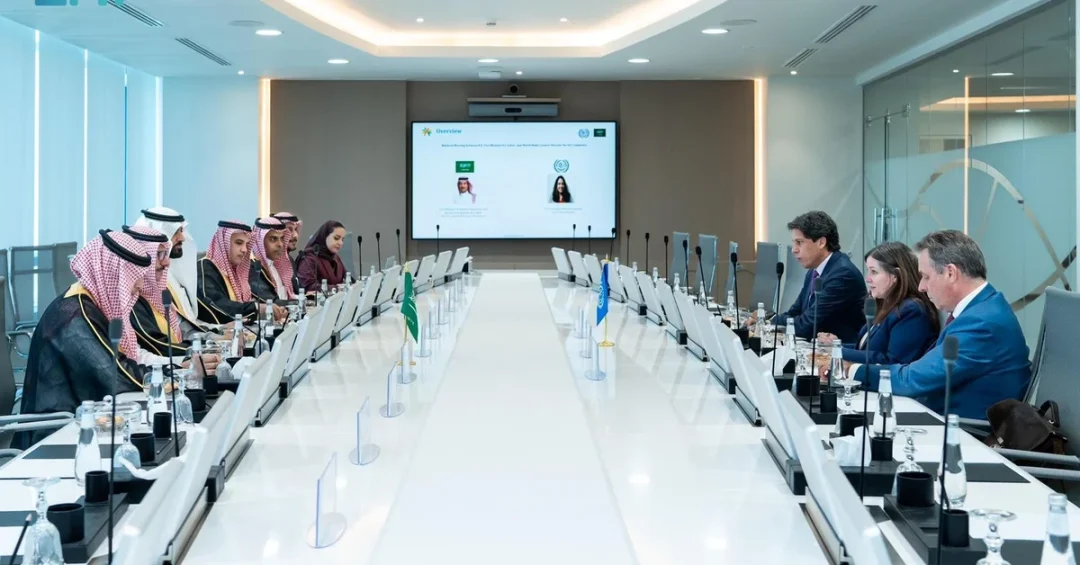
Vice Minister of Human Resources and Social Development for the Labor Sector Dr. Abdulla bin Nasser Abuthnain met with International Labour Organization Deputy Director-General Celeste Drake in Riyadh on December 10, 2024, to review Saudi Arabia’s labor market reforms and deepen cooperation between the Kingdom and the United Nations agency. The meeting, reported by the Saudi Press Agency, brought together senior officials and specialists from the ministry and focused on the Kingdom’s efforts to build an attractive, competitive global work environment in line with Vision 2030.
Could a single diplomatic meeting in Riyadh shape the future of work for millions across the region? The discussions underscored how far the Saudi labor market has traveled in a few short years, and how central international partnerships have become to that journey. The talks also covered preparations for the second edition of the International Labor Conference, scheduled for January 2025, which Dr. Abuthnain described as a testament to the strength of the ministry’s partnership with the ILO.
Context and Background
Why does the relationship between the Kingdom of Saudi Arabia and the International Labour Organization matter so much today? Founded in 1919 as part of the Treaty of Versailles, the ILO is the oldest specialized agency of the United Nations, bringing together governments, employers, and workers from 187 member states to set international labor standards. Saudi Arabia has been an active member for decades, but the pace and depth of engagement have accelerated markedly since the launch of Vision 2030 in 2016, as the Kingdom has opened its economy, expanded women’s participation, and modernized its regulatory framework.
The Ministry of Human Resources and Social Development, led by Minister Ahmed bin Sulaiman Al-Rajhi, is the principal government body responsible for labor policy, social insurance, and workforce development in the Kingdom. Under the ministry’s guidance, Saudi Arabia has introduced landmark reforms including the Wage Protection System, the Labor Reform Initiative, and the National Labor Observatory, all designed to make the Saudi market more transparent, flexible, and attractive to global talent. These measures are regularly reviewed with international partners such as the ILO, which provides technical expertise and comparative data.
The December 10 meeting in Riyadh therefore sits within a broader pattern of institutionalized dialogue. It follows earlier high-level exchanges between the ministry and the ILO, including technical workshops on occupational safety and health, labor inspection, and the future of work. By meeting directly with Deputy Director-General Celeste Drake, who oversees policy and programmatic work at the ILO’s Geneva headquarters, Saudi officials signaled their intent to move from consultation to co-creation of solutions that reflect both international standards and the Kingdom’s unique economic transformation.
Key Details of the Riyadh Meeting
What exactly was on the agenda when Dr. Abuthnain and Deputy Director-General Drake sat down together? According to the Saudi Press Agency, the two sides reviewed the Kingdom’s efforts and initiatives to enhance an attractive and competitive global work environment, and examined the reforms undertaken in the Saudi labor market in line with Vision 2030. The conversation focused on current and potential areas of cooperation between the ministry and the ILO, with the aim of strengthening their partnership and achieving shared objectives.
Dr. Abuthnain commended the partnership between the ministry and the ILO and highlighted its distinguished role in preparing for the second edition of the International Labor Conference, scheduled to be held in January 2025. The conference is expected to convene policymakers, employers, and worker representatives from across the region and beyond, and its staging reflects Saudi Arabia’s growing convening power in global labor governance. The vice minister’s remarks suggest that the January event will serve as a platform to showcase Saudi reforms and to forge new commitments on skills, social protection, and inclusive growth.
The meeting was attended by a number of officials and specialists from the ministry, underscoring the technical depth of the engagement. While the SPA report did not disclose every item discussed, the presence of specialists indicates that working-level follow-up is already planned. Areas likely to feature in future cooperation include labor market information systems, dispute resolution, women’s economic participation, and alignment of Saudi occupational classifications with international standards — all fields where the ILO has deep expertise and where Saudi Arabia has demonstrated a strong appetite for continuous improvement.
International and Regional Impact
How does a meeting between a Saudi vice minister and an ILO deputy director-general resonate beyond the Kingdom’s borders? For a start, it reinforces Saudi Arabia’s position as a responsible stakeholder in the multilateral system at a time when many countries are questioning the value of international institutions. By engaging constructively with the ILO, the Kingdom demonstrates that its domestic reform agenda is compatible with — and informed by — global labor norms, a message that resonates with investors, multinational employers, and partner governments alike.
Regionally, the meeting carries weight because Saudi Arabia is the largest economy in the Middle East and North Africa and a major source of employment for expatriate workers from across Asia and Africa. When Riyadh strengthens its labor governance, the effects ripple through remittance flows, migration patterns, and working conditions in dozens of sending countries. The ILO’s engagement with the Kingdom therefore serves not only Saudi workers but also the millions of families worldwide who depend on employment in the Kingdom. A constructive Saudi-ILO partnership helps set a positive example for the wider region.
Internationally, the January 2025 International Labor Conference will offer a visible platform for Saudi Arabia to present its Vision 2030 labor achievements to a global audience. Hosting or co-organizing such events reflects the Kingdom’s broader strategy of using international gatherings — from the G20 to COP summits — to project influence and build coalitions. The ILO’s willingness to work closely with Riyadh on the conference signals that the organization values Saudi Arabia’s contribution to the global debate on the future of work.
Economic and Strategic Significance
Why should economists and business leaders pay attention to labor diplomacy? Because labor market efficiency is now a core determinant of competitiveness. Saudi Arabia’s Vision 2030 aims to raise the employment rate, increase women’s participation in the workforce, and boost productivity across sectors. Each of these goals depends on modern regulation, reliable data, and dispute-resolution mechanisms that give employers and workers confidence. Cooperation with the ILO provides access to best practices and benchmarking that can help the Kingdom design policies faster and more effectively.
The strategic significance extends to foreign direct investment. Multinational companies evaluating Saudi Arabia as a hub for regional operations look closely at labor laws, worker protections, and the ease of hiring and retaining talent. A visible, ongoing partnership with the ILO sends a reassuring signal that the Kingdom’s labor environment is stable, transparent, and aligned with international expectations. That, in turn, supports the ambitions of the Public Investment Fund and the many giga-projects — NEOM, the Red Sea, Qiddiya — that require a skilled, mobile, and well-protected workforce.
Furthermore, the meeting underscores the Kingdom’s commitment to evidence-based policymaking. The National Labor Observatory, the Labor Market Information System, and other data initiatives give Saudi officials the tools to monitor trends in real time and adjust policies accordingly. The ILO’s technical assistance can help refine these instruments, ensuring that Saudi Arabia’s labor market information meets global standards and can be compared with other economies. For a country competing for talent and investment, that kind of credibility is invaluable.
Vision 2030 Alignment
How does this meeting advance the goals of Saudi Vision 2030? Vision 2030 seeks to build a diversified, productive economy in which all citizens and residents can thrive. Its labor-related targets include increasing the participation of women in the workforce, reducing unemployment, and improving the quality of jobs. The Ministry of Human Resources and Social Development is a key driver of these objectives, and its collaboration with the ILO helps ensure that Saudi reforms are informed by international best practice while remaining tailored to local culture and priorities.
The partnership also supports the Vision 2030 goal of enhancing government effectiveness. By engaging with a specialized UN agency, the ministry gains access to a global network of experts, training programs, and policy tools. The January 2025 International Labor Conference will be a milestone in this collaboration, allowing Saudi Arabia to share its story and learn from others. As the Kingdom continues its transformation, such partnerships will be essential to sustaining momentum, attracting global talent, and demonstrating that Saudi Arabia is not only open for business but also a leader in shaping the future of work.
20 Questions
Q1. Who met in Riyadh on December 10, 2024?
A1. Vice Minister of Human Resources and Social Development for the Labor Sector Dr. Abdulla bin Nasser Abuthnain met with International Labour Organization Deputy Director-General Celeste Drake, in the presence of ministry officials and specialists.
Q2. What was the main purpose of the meeting?
A2. The meeting aimed to review Saudi Arabia’s labor market reforms and initiatives, and to discuss current and potential areas of cooperation between the ministry and the ILO to strengthen their partnership.
Q3. Which Saudi ministry was represented at the meeting?
A3. The Ministry of Human Resources and Social Development, which is responsible for labor policy, social insurance, and workforce development in the Kingdom, represented Saudi Arabia at the meeting.
Q4. What is the International Labour Organization?
A4. The ILO is a United Nations agency founded in 1919 that brings together governments, employers, and workers from 187 member states to set international labor standards and promote decent work worldwide.
Q5. What Saudi labor market reforms were highlighted?
A5. The discussions covered reforms undertaken in line with Vision 2030, including efforts to enhance an attractive and competitive global work environment and initiatives to modernize the Saudi labor market.
Q6. What upcoming event was discussed during the meeting?
A6. The officials discussed preparations for the second edition of the International Labor Conference, scheduled to be held in January 2025, which Dr. Abuthnain praised for its distinguished role.
Q7. How did Dr. Abuthnain describe the partnership with the ILO?
A7. Dr. Abuthnain commended the partnership between the ministry and the ILO, highlighting its distinguished role in preparing for the second edition of the International Labor Conference in January 2025.
Q8. Why is cooperation with the ILO important for Saudi Arabia?
A8. Cooperation provides access to international best practices, benchmarking data, and technical expertise that help Saudi Arabia design effective labor policies aligned with Vision 2030 goals.
Q9. What are the key goals of Vision 2030 related to labor?
A9. Vision 2030 aims to increase women’s workforce participation, reduce unemployment, boost productivity, and create a diversified, productive economy with quality jobs for all citizens and residents.
Q10. How does this meeting affect international perceptions of Saudi Arabia?
A10. It reinforces Saudi Arabia’s position as a responsible multilateral stakeholder, demonstrating that its domestic reforms are compatible with global labor norms and attractive to investors and multinational employers.
Q11. What regional impact could this partnership have?
A11. As the largest economy in the Middle East and North Africa, Saudi Arabia’s improved labor governance can positively influence remittance flows, migration patterns, and working conditions across the region.
Q12. What is the International Labor Conference?
A12. The International Labor Conference is a major ILO event that convenes policymakers, employers, and worker representatives to discuss global labor issues. Its second edition will be held in January 2025.
Q13. How does the meeting support foreign direct investment in Saudi Arabia?
A13. By showing that Saudi labor laws are stable, transparent, and aligned with international standards, the partnership reassures multinational companies and supports investment in giga-projects like NEOM and the Red Sea.
Q14. What role does the National Labor Observatory play?
A14. The National Labor Observatory provides real-time data and analysis on labor market trends, helping Saudi officials monitor developments and adjust policies to meet Vision 2030 targets effectively.
Q15. What specific areas of cooperation were likely discussed?
A15. Likely areas include labor market information systems, dispute resolution, women’s economic participation, occupational safety, and alignment of Saudi classifications with international standards.
Q16. How does the ILO benefit from the partnership with Saudi Arabia?
A16. The ILO gains a key partner in the Middle East, enabling it to promote decent work standards in a major economy and to learn from Saudi Arabia’s rapid labor market transformation.
Q17. What message does this meeting send to Saudi workers and employers?
A17. It signals that the Kingdom is committed to continuous improvement in labor conditions, with policies informed by international expertise and designed to benefit both workers and employers.
Q18. What is the significance of the meeting’s timing in December 2024?
A18. The meeting precedes the January 2025 International Labor Conference, allowing Saudi Arabia and the ILO to finalize preparations and set the agenda for productive discussions at the global event.
Q19. How does this meeting reflect Saudi Arabia’s Vision 2030 ambitions?
A19. It demonstrates the Kingdom’s commitment to building a diversified, productive economy through modern labor policies, international partnerships, and a focus on enhancing government effectiveness and global competitiveness.
Q20. What can we expect next from Saudi-ILO cooperation?
A20. Expect continued technical collaboration, joint events like the January 2025 conference, and further alignment of Saudi labor practices with international standards as Vision 2030 progresses.
Reader Feedback
We value your thoughts. Please share your feedback on this article.
Your feedback helps us improve our coverage.
Related articles
 Saudi Cultural Attaché Meets HRDF Chief in Washington
 Saudi FM Speaks with French Counterpart on Regional Issues
 Saudi Air Force Chief Attends Conclusion of Tuwaiq 4 Exercise
 KSrelief Delivers Hemodialysis Supplies to Yemen’s Hadhramaut
 Al-Baha Governor Receives Egyptian Consul General
 Saudi Afforestation Forum Inspires Students on Sustainability