


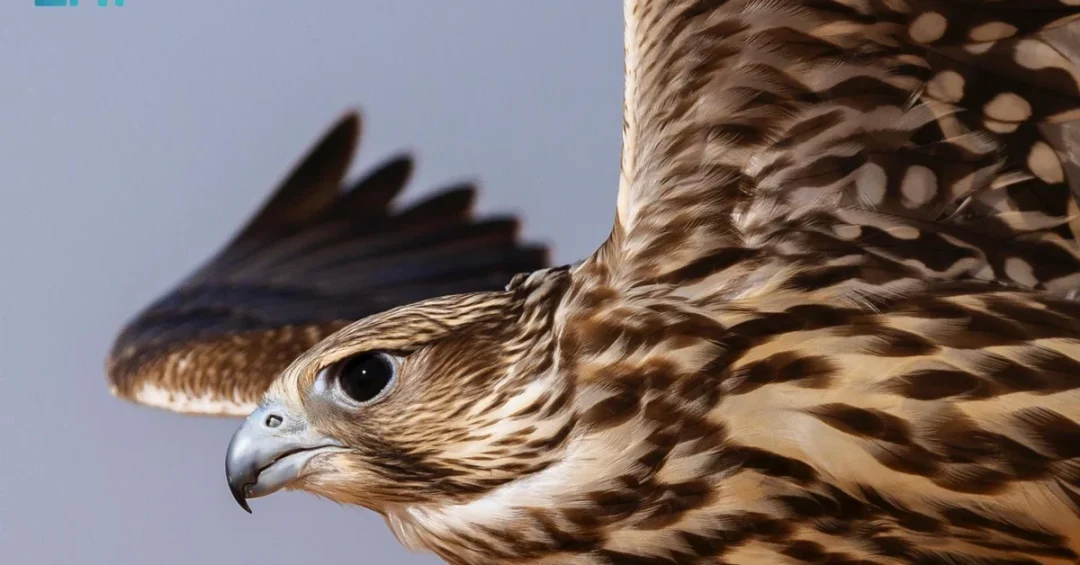
The Elite Locals competition and the Local Production round took center stage on the eighth day of the King Abdulaziz Falconry Festival 2024, with 172 elite falcons and 79 locally bred falcons competing across six rounds at the Saudi Falcons Club headquarters in Malham, north of Riyadh. The festival, organized by the Saudi Falcons Club, runs until December 19 and offers prizes exceeding SAR 36 million — the largest prize pool in the event’s history.
Have you ever wondered how a tradition passed down through generations becomes a global spectacle? The King Abdulaziz Falconry Festival has answered that question emphatically, drawing elite local and international falconers to the Saudi capital’s northern outskirts for a celebration of heritage, skill, and sporting excellence. The eighth day’s competitions focused on two distinct categories: Elite Locals, which featured 172 falcons across six rounds, and Local Production, which showcased 79 falcons bred within the Kingdom. Together, they highlighted the depth of Saudi Arabia’s falconry community and the meticulous craftsmanship of its breeders. The event continues to build on its reputation as the largest gathering of falcons in the world, a distinction recognized three times by Guinness World Records.
Context and Background
What makes the King Abdulaziz Falconry Festival a cornerstone of Saudi cultural preservation? Organized by the Saudi Falcons Club, the festival is held at the club’s dedicated headquarters in Malham, a facility designed to accommodate thousands of birds and competitors. Since its inception, the event has grown into a global meeting point for falconers, breeders, and enthusiasts, reflecting the Kingdom’s commitment to safeguarding intangible cultural heritage while embracing modern organizational standards. Falconry, inscribed by UNESCO on the Representative List of the Intangible Cultural Heritage of Humanity, holds a special place in Arab and Islamic traditions, and Saudi Arabia has long been a leading advocate for its continuity.
The festival’s timing aligns with the cooler months of the year, when falcons and their handlers can perform at their peak. The eighth day, a Tuesday, saw intense competition as breeders and falconers vied for top honors in the Elite Locals and Local Production categories. These rounds are particularly significant because they focus on birds raised and trained within the Kingdom, underscoring the success of local breeding programs. The Saudi Falcons Club has invested heavily in these programs, which support the sustainability of falconry by reducing pressure on wild populations and promoting ethical practices. The presence of 172 elite falcons in six rounds demonstrates the competitive depth among Saudi falconers, while the 79 locally bred falcons signal a robust domestic breeding sector.
Why does the Local Production round matter so much for the future of falconry? It represents the intersection of tradition and innovation. By rewarding breeders who produce high-quality falcons locally, the festival incentivizes practices that ensure a stable supply of birds for generations to come. This approach dovetails with broader Saudi efforts to balance cultural heritage with environmental stewardship, a theme that resonates across Vision 2030’s quality-of-life and sustainability goals.
Key Details of Day Eight
The eighth day’s schedule was meticulously organized to accommodate the large number of entrants. The Elite Locals competition unfolded over six rounds, each designed to test different aspects of falcon performance, from speed and agility to responsiveness to the lure. A total of 172 falcons participated, representing the finest locally bred and trained birds. In parallel, the Local Production round featured 79 falcons, all bred within the Kingdom, competing for recognition that could elevate the reputation of their breeders. The total prize pool for the entire festival exceeds SAR 36 million, the largest in its history, distributed across various categories and culminating in the crowning of champions.
What does it take to prepare a falcon for competition at this level? Breeders and falconers invest months, sometimes years, in training their birds. The process begins with careful selection of breeding pairs, followed by rearing and conditioning that emphasizes health, nutrition, and gradual exposure to competition environments. The Saudi Falcons Club provides veterinary support and technical guidance, ensuring that animal welfare remains paramount. On competition day, falcons are assessed by expert judges who evaluate speed, precision, and adherence to traditional standards. The atmosphere at Malham is electric, with handlers in traditional attire and spectators cheering from designated areas. The event also features educational exhibits and cultural performances, making it a family-friendly destination.
The festival’s scale is a testament to the organizational capabilities of the Saudi Falcons Club and the widespread passion for falconry across the Kingdom. The club has cultivated partnerships with international falconry associations, bringing global expertise to Malham while sharing Saudi traditions with the world. This exchange enriches the festival experience and reinforces Saudi Arabia’s role as a custodian of falconry heritage. As the competition progresses toward its December 19 finale, anticipation builds for the crowning of the overall champions, who will be celebrated for their skill and dedication.
International and Regional Impact
How does a festival in Riyadh resonate with falconers from around the world? The King Abdulaziz Falconry Festival has become a magnet for international participation, attracting teams from the Gulf, Central Asia, Europe, and beyond. Its Guinness World Record titles for the largest number of participating falcons — awarded three times — have cemented its status as the premier event on the global falconry calendar. For Saudi Arabia, hosting such a prestigious gathering enhances its soft power and cultural diplomacy, showcasing the Kingdom’s ability to blend tradition with world-class event management. Regional neighbors view the festival as a model for preserving shared heritage while fostering friendly competition.
The international dimension also brings economic benefits. Visitors from abroad contribute to the local hospitality sector, from hotels to restaurants, and the festival’s media coverage amplifies Saudi Arabia’s image as a vibrant, modern nation rooted in tradition. Moreover, the exchange of breeding techniques and training methods elevates standards across the board. Saudi breeders gain insights from international peers, and in turn, they share their own innovations, particularly in sustainable breeding. This collaborative spirit aligns with the Kingdom’s broader diplomatic efforts to build bridges through culture and sport. As the festival continues, it reinforces the message that Saudi Arabia is open to the world and committed to preserving heritage for future generations.
Economic and Strategic Significance
What is the economic value of falconry beyond the prize money? The festival’s SAR 36 million prize pool is just the tip of the iceberg. Falconry supports a value chain that includes breeding farms, veterinary services, equipment manufacturing, and tourism. The Saudi Falcons Club has nurtured an ecosystem where local businesses thrive, creating jobs and attracting investment. The Local Production round specifically stimulates the breeding sector, encouraging entrepreneurs to establish and expand facilities that produce high-quality falcons. This, in turn, reduces reliance on imports and positions Saudi Arabia as a self-sufficient producer of elite birds.
Strategically, the festival advances Vision 2030’s objectives by diversifying the economy and promoting cultural tourism. The event draws thousands of visitors, generating revenue for airlines, hotels, and retailers. It also serves as a platform for Saudi youth to engage with their heritage, fostering a sense of pride and identity. The Saudi Falcons Club’s initiatives, including training programs and competitions, empower young Saudis to pursue careers in falconry and related fields. By integrating modern technology — such as electronic timing and health monitoring — the festival demonstrates how tradition can evolve without losing its essence. This balance is central to the Kingdom’s development model, which values progress alongside cultural authenticity.
Vision 2030 Alignment
How does the King Abdulaziz Falconry Festival embody the spirit of Vision 2030? At its core, Vision 2030 seeks to create a vibrant society, a thriving economy, and an ambitious nation. The festival contributes to all three pillars. It enriches society by celebrating a cherished tradition and providing entertainment and educational opportunities for families. It boosts the economy by stimulating tourism, supporting local businesses, and creating jobs. And it reflects national ambition by setting world records and hosting global events with excellence. The Saudi Falcons Club’s work aligns with the Quality of Life Program, which aims to enhance cultural and recreational offerings across the Kingdom.
As the festival moves toward its conclusion on December 19, the focus remains on the falcons, the breeders, and the heritage they represent. The eighth day’s competitions illustrated the depth of talent and the dedication of all involved. With prizes exceeding SAR 36 million and a Guinness World Record pedigree, the King Abdulaziz Falconry Festival 2024 is not just a competition; it is a statement of Saudi Arabia’s commitment to preserving its past while soaring into the future. The event promises more excitement in the days ahead, culminating in a grand finale that will honor the best of the best.
20 Questions
Q1. What is the King Abdulaziz Falconry Festival?
A1. It is an annual event organized by the Saudi Falcons Club in Malham, Riyadh, celebrating falconry heritage with competitions, prizes, and international participation, recognized by Guinness World Records as the largest gathering of falcons.
Q2. When did the eighth day of the 2024 festival take place?
A2. The eighth day took place on Tuesday, December 10, 2024, featuring the Elite Locals competition and the Local Production round at the Saudi Falcons Club headquarters in Malham.
Q3. How many falcons competed in the Elite Locals competition?
A3. A total of 172 elite local falcons competed across six rounds, showcasing the highest level of skill and training among locally based falconers.
Q4. What is the Local Production round?
A4. The Local Production round is a competition for falcons bred within the Kingdom, with 79 falcons participating, designed to promote and reward domestic breeding excellence.
Q5. What is the total prize pool for the festival?
A5. The festival offers prizes exceeding SAR 36 million, the largest in its history, distributed across various categories and culminating in the crowning of champions.
Q6. How long does the festival run?
A6. The King Abdulaziz Falconry Festival 2024 runs until December 19, providing multiple days of competition and cultural activities.
Q7. Where is the festival held?
A7. It is held at the Saudi Falcons Club headquarters in Malham, located north of Riyadh, a purpose-built venue that accommodates thousands of birds and spectators.
Q8. What is the significance of the Guinness World Record titles?
A8. The festival has earned Guinness World Record titles three times for the number of participating falcons, underscoring its status as the world’s largest falconry gathering.
Q9. Who organizes the festival?
A9. The Saudi Falcons Club organizes the festival, reflecting its mission to preserve falconry heritage and promote sustainable practices.
Q10. What are the aims of the festival?
A10. The festival aims to promote cultural heritage associated with falconry, revive competition in this traditional hobby, and ensure its sustainability for future generations.
Q11. How does the festival support Vision 2030?
A11. It aligns with Vision 2030 by enhancing cultural tourism, creating economic opportunities, and fostering national pride, contributing to the Quality of Life Program.
Q12. What is the Elite Locals competition?
A12. The Elite Locals competition is a category for top-tier falcons owned and trained by local falconers, testing speed, agility, and responsiveness over six rounds.
Q13. How many falcons participated in the Local Production round?
A13. Seventy-nine falcons bred within the Kingdom competed in the Local Production round, highlighting the growth of domestic breeding programs.
Q14. What role does the Saudi Falcons Club play?
A14. The club organizes the festival, provides veterinary and technical support, and runs training programs to ensure the sustainability of falconry.
Q15. Why is falconry important to Saudi culture?
A15. Falconry is a UNESCO-recognized intangible cultural heritage, symbolizing patience, skill, and a deep connection to the desert environment and Arab traditions.
Q16. How does the festival attract international participants?
A16. Its reputation as the world’s largest falconry event, with record prize pools and Guinness World Records, draws falconers from the Gulf, Central Asia, Europe, and beyond.
Q17. What economic benefits does the festival bring?
A17. It boosts tourism, supports local businesses such as hotels and equipment suppliers, and creates jobs, contributing to economic diversification.
Q18. How are falcons prepared for competition?
A18. Breeders and falconers invest months in selection, rearing, nutrition, and conditioning, with support from the Saudi Falcons Club to ensure animal welfare.
Q19. What happens after the festival?
A19. The festival concludes on December 19 with awards for champions, and the Saudi Falcons Club continues its year-round efforts to promote falconry and breeding.
Q20. How can visitors attend the festival?
A20. Visitors can attend by checking the Saudi Falcons Club’s official channels for schedules and ticketing information, with the event open to the public at Malham.
Reader Feedback
We value your thoughts. Please share your feedback on this article.
Your feedback helps us improve our coverage.
Related articles
 Saudi-Chinese Library Board Meets in Riyadh
 King Abdulaziz Historical Center Shines as Noor Riyadh 2024 Hub
 Arabian Purebred Horse Show Begins Wednesday in Riyadh
 King Salman Academy Launches Arabic Day at UN
 COP16 Riyadh Roaming Performances Showcase Global Culture
 Young Falconers Embrace Tradition at King Abdulaziz Falconry Festival