


Saudi Arabia has cemented its position as a rising global hub for pharmaceuticals and biotechnology, with more than SAR10 billion in agreements signed during the inaugural CPHI Middle East exhibition in Riyadh, according to the Saudi Press Agency (SPA). The deals, announced during the three-day gathering at the Riyadh Front Exhibition & Convention Center from December 10 to 12, 2024, bring together the Kingdom’s Ministries of Health, Investment, and Industry and Mineral Resources with major international pharmaceutical companies, signaling a new era of healthcare innovation and economic diversification.
The exhibition, held under the patronage of the Ministry of Health, attracted more than 400 exhibitors from over 100 countries and over 150 specialized speakers, making it one of the largest pharmaceutical events ever hosted in the Middle East. The agreements span gene therapy research, biological drug manufacturing, advanced logistics infrastructure, and strategic international partnerships, all designed to strengthen local production capacity and reduce reliance on imported medicines. For a Kingdom pursuing the ambitious goals of Vision 2030, these developments represent a tangible step toward building a knowledge-based economy anchored in health, science, and industrial innovation.
Context and Background
Why has Saudi Arabia placed such strategic emphasis on the pharmaceutical and biotechnology sectors at this particular moment? The answer lies in the Kingdom’s broader economic transformation agenda, which seeks to diversify revenue streams beyond hydrocarbons and cultivate high-value industries that can compete on the global stage. The National Biotechnology Strategy, launched as part of Vision 2030, provides a comprehensive framework for developing local capabilities in biomanufacturing, genomics, and precision medicine, with the aim of positioning Saudi Arabia as a regional leader in these fields by 2030 and beyond.
The CPHI Middle East exhibition, organized in partnership with the global CPHI network that hosts similar events in Europe, Asia, and the Americas, represents a deliberate effort to integrate the Kingdom into international pharmaceutical supply chains. By convening manufacturers, researchers, investors, and policymakers under one roof, the event creates opportunities for knowledge transfer, joint ventures, and technology localization that would be difficult to achieve through bilateral negotiations alone. The participation of over 100 countries underscores the international community’s recognition of Saudi Arabia’s growing importance as a pharmaceutical market and manufacturing destination.
The timing of these agreements also reflects lessons learned from global health crises, which exposed vulnerabilities in international supply chains and highlighted the need for regional self-sufficiency in essential medicines. Saudi Arabia’s leadership has consistently emphasized the importance of health security as a pillar of national resilience, and the pharmaceutical sector has become a focal point for investment and policy support. The Ministry of Health, under the guidance of the Kingdom’s leadership, has worked to create an enabling environment for both domestic companies and international partners, streamlining regulatory processes and offering incentives for local manufacturing.
Key Details of the Agreements
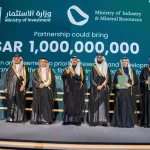
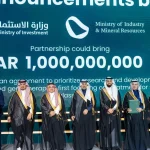
What specific projects and partnerships emerged from these landmark deals? The most prominent agreement involves the Ministries of Health, Investment, and Industry and Mineral Resources signing a SAR1 billion accord with Vertex Pharmaceuticals, a global biotechnology leader, to enhance research, innovation, and development in gene therapies. This collaboration aims to bolster local manufacturing capabilities for treatments targeting sickle-cell anemia and beta-thalassemia, two genetic blood disorders that affect significant populations in the Kingdom and across the region. The agreement represents a major step forward in bringing advanced therapeutic modalities to Saudi patients while building domestic expertise in cutting-edge medical science.
Another significant development is the launch of the largest logistics complex in Riyadh, valued at SAR1 billion and covering an area of 200,000 square meters. This facility will feature modern infrastructure equipped with the latest automated operating techniques and sustainable solar energy systems, reflecting the Kingdom’s commitment to environmental responsibility alongside industrial development. The complex will also house an advanced center for therapeutic industries, including the production of cancer drugs, which addresses one of the most pressing healthcare challenges in the region and reduces dependence on imported oncology medications.
A SAR3 billion investment agreement was signed to establish an advanced center for manufacturing biological drugs, directly supporting the National Biotechnology Strategy. Additionally, a SAR1 billion deal aims to enhance biological drug production, including antibodies for autoimmune diseases, which affect millions of people worldwide. The exhibition also witnessed the signing of a strategic partnership between SaudiVax, a Saudi biotech company, and Henlius, along with its parent company Fosun Pharma, to establish Fosun Henlius Middle East and a Saudi Vax factory. Valued at approximately SAR426 million, this partnership is designed to develop the biopharmaceutical sector in the Kingdom through technology transfer and local production. Furthermore, a SAR2 billion agreement was signed to establish the ZETA GULF pharmaceutical factory in Saudi Arabia, adding substantial manufacturing capacity to the national ecosystem.
International and Regional Impact
How do these agreements reshape Saudi Arabia’s role in the global pharmaceutical landscape? The participation of companies such as Vertex Pharmaceuticals, Fosun Pharma, and Henlius demonstrates that international industry leaders view the Kingdom as a credible and attractive partner for long-term investment. This confidence is rooted in Saudi Arabia’s stable regulatory environment, strong purchasing power, and strategic location at the crossroads of Europe, Asia, and Africa, which makes it an ideal hub for manufacturing and distribution. The agreements signed at CPHI Middle East are expected to catalyze further interest from other global firms considering similar ventures in the region.
For the broader Middle East, Saudi Arabia’s pharmaceutical investments could reduce the region’s historical reliance on imports from Europe, North America, and Asia. By building local capacity for biological drugs, gene therapies, and oncology treatments, the Kingdom is positioned to become a supplier to neighboring markets, enhancing regional health security and creating new trade flows. This development aligns with the Kingdom’s vision of becoming a pivotal economic and logistical hub connecting three continents, and it reinforces Saudi Arabia’s growing influence in global health diplomacy and scientific cooperation.
Economic and Strategic Significance
What economic benefits will these investments generate for Saudi Arabia and its partners? The pharmaceutical and biotechnology sectors are among the most knowledge-intensive and high-value industries globally, offering substantial returns on investment through innovation, patents, and specialized manufacturing. By localizing these activities, the Kingdom can capture more of the value chain, create high-skilled employment opportunities for Saudi citizens, and reduce the outflow of foreign currency spent on imported medicines, which currently represents a significant portion of national healthcare expenditure.
The strategic importance of these agreements extends beyond economics. Building a robust pharmaceutical industry enhances national health security, ensuring that essential medicines remain available even during global disruptions. It also supports the development of a research ecosystem that can attract scientists, clinicians, and entrepreneurs from around the world, contributing to the Kingdom’s broader goals of knowledge transfer and human capital development. The partnerships announced at CPHI Middle East are designed not merely as commercial transactions but as long-term collaborations that will embed capabilities within the Saudi economy and create lasting benefits for patients and society.
Vision 2030 Alignment
How do these pharmaceutical agreements fit into Saudi Arabia’s Vision 2030 framework? Vision 2030, launched under the leadership of Crown Prince Mohammed bin Salman, aims to diversify the economy, improve public services, and enhance the quality of life for all citizens. The healthcare and life sciences sectors are explicitly identified as priority areas for investment and development, with the goal of creating a world-class healthcare system that meets international standards. The agreements signed at CPHI Middle East directly advance these objectives by strengthening local manufacturing, fostering innovation, and attracting foreign direct investment.
Moreover, the emphasis on biotechnology and gene therapies aligns with the National Biotechnology Strategy, which seeks to position Saudi Arabia among the global leaders in biomanufacturing and precision medicine by 2040. The Kingdom’s ability to convene global pharmaceutical leaders and secure multi-billion-riyal partnerships demonstrates the effectiveness of its economic reforms and the attractiveness of its investment climate. As these projects move from signing to implementation, they will contribute to the creation of a diversified, resilient, and future-ready economy that reflects the aspirations of Vision 2030 and the Kingdom’s enduring commitment to progress and prosperity.
20 Questions
Q1. What was the total value of agreements signed at CPHI Middle East in Riyadh?
A1. The agreements signed at CPHI Middle East totaled more than SAR10 billion, according to the Saudi Press Agency. These deals covered gene therapy research, biological drug manufacturing, logistics infrastructure, and strategic international partnerships, reflecting the Kingdom’s growing attractiveness as a pharmaceutical investment destination.
Q2. Which Saudi ministries signed the agreement with Vertex Pharmaceuticals?
A2. The Ministries of Health, Investment, and Industry and Mineral Resources signed the SAR1 billion agreement with Vertex Pharmaceuticals. The deal focuses on enhancing research, innovation, and development in gene therapies for sickle-cell anemia and beta-thalassemia, supporting local manufacturing capabilities.
Q3. What is the value and purpose of the new logistics complex in Riyadh?
A3. The logistics complex is valued at SAR1 billion and covers 200,000 square meters. It will include modern facilities with automated operating techniques and sustainable solar energy systems, along with an advanced center for therapeutic industries producing cancer drugs and other therapies.
Q4. How does the SAR3 billion investment support Saudi Arabia’s biotechnology goals?
A4. The SAR3 billion investment establishes an advanced center for manufacturing biological drugs, directly supporting the National Biotechnology Strategy. This center will enhance local production capacity, reduce reliance on imports, and position the Kingdom as a regional leader in biopharmaceutical manufacturing.
Q5. Which companies formed a strategic partnership to establish Fosun Henlius Middle East?
A5. SaudiVax biotech company partnered with Henlius and its parent company Fosun Pharma to establish Fosun Henlius Middle East and a Saudi Vax factory. The deal, valued at around SAR426 million, aims to develop the biopharmaceutical sector in Saudi Arabia.
Q6. What is the value of the agreement to establish the ZETA GULF pharmaceutical factory?
A6. The agreement to establish the ZETA GULF pharmaceutical factory in Saudi Arabia is valued at SAR2 billion. This investment adds substantial manufacturing capacity to the national pharmaceutical ecosystem and supports the Kingdom’s goal of localizing drug production.
Q7. How many exhibitors and countries participated in CPHI Middle East?
A7. CPHI Middle East brought together more than 400 exhibitors from over 100 countries, along with over 150 prominent speakers specialized in the pharmaceutical sector. The event was held at the Riyadh Front Exhibition & Convention Center from December 10 to 12, 2024.
Q8. What diseases are targeted by the gene therapy agreement with Vertex Pharmaceuticals?
A8. The gene therapy agreement targets sickle-cell anemia and beta-thalassemia, two genetic blood disorders prevalent in the region. The collaboration aims to bolster local manufacturing opportunities and enhance research and development capabilities within the Kingdom.
Q9. What is the size of the exhibition area for CPHI Middle East?
A9. The CPHI Middle East exhibition stretches over a total area estimated at 38,000 square meters. This large-scale venue accommodated over 400 exhibitors and facilitated numerous business meetings, product showcases, and knowledge-sharing sessions among global pharmaceutical stakeholders.
Q10. Which Saudi authority patronized the CPHI Middle East exhibition?
A10. The CPHI Middle East exhibition was held under the patronage of the Ministry of Health. This patronage underscores the Saudi government’s commitment to advancing the pharmaceutical sector and promoting international collaboration in healthcare and life sciences.
Q11. How does the SAR1 billion biological drugs deal address autoimmune diseases?
A11. The SAR1 billion deal aims to enhance biological drug production, including antibodies for autoimmune diseases. This investment will expand local manufacturing capabilities, improve access to advanced treatments for Saudi patients, and reduce dependence on imported biologic medications.
Q12. What role does the National Biotechnology Strategy play in these agreements?
A12. The National Biotechnology Strategy provides the policy framework for developing local capabilities in biomanufacturing, genomics, and precision medicine. The SAR3 billion investment in biological drug manufacturing directly supports this strategy, helping position Saudi Arabia as a regional biotechnology leader.
Q13. What economic benefits will these pharmaceutical investments bring to Saudi Arabia?
A13. These investments will create high-skilled jobs, reduce foreign currency outflows from medicine imports, and capture more value within the local economy. They also attract foreign direct investment and foster knowledge transfer, supporting economic diversification under Vision 2030.
Q14. How does the new logistics complex contribute to sustainability?
A14. The logistics complex will be equipped with sustainable solar energy systems, reflecting Saudi Arabia’s commitment to environmental responsibility. This aligns with broader national efforts to integrate renewable energy into industrial and infrastructure projects across the Kingdom.
Q15. What types of therapies will the advanced center for therapeutic industries produce?
A15. The advanced center for therapeutic industries will produce various therapies, including cancer drugs. This addresses one of the region’s most pressing healthcare challenges and reduces reliance on imported oncology medications, improving access for patients across Saudi Arabia.
Q16. How does CPHI Middle East enhance Saudi Arabia’s global pharmaceutical standing?
A16. By hosting over 400 exhibitors from more than 100 countries, CPHI Middle East demonstrates the Kingdom’s ability to convene global industry leaders. The event facilitates partnerships, knowledge exchange, and investment, positioning Saudi Arabia as a rising hub for pharmaceutical innovation and manufacturing.
Q17. What is the significance of the Fosun Henlius Middle East partnership for local production?
A17. The partnership establishes a Saudi Vax factory and Fosun Henlius Middle East company, enabling local production of biopharmaceuticals. This reduces import dependence, creates jobs, and transfers technology, supporting the Kingdom’s goal of building a self-sufficient pharmaceutical sector.
Q18. How do these agreements align with Vision 2030’s healthcare objectives?
A18. Vision 2030 aims to create a world-class healthcare system and diversify the economy. These agreements strengthen local manufacturing, foster innovation, and attract investment, directly advancing the vision’s goals of improved public services and sustainable economic growth.
Q19. What role do international partnerships play in Saudi Arabia’s pharmaceutical strategy?
A19. International partnerships bring technology, expertise, and investment to the Kingdom. Collaborations with companies like Vertex, Fosun Pharma, and Henlius enable knowledge transfer, accelerate local capability building, and integrate Saudi Arabia into global pharmaceutical supply chains.
Q20. What can be expected next after these agreements are implemented?
A20. Implementation will involve constructing facilities, transferring technology, and building local expertise. Over time, these projects will enhance health security, create jobs, and position Saudi Arabia as a regional pharmaceutical hub, contributing to the Kingdom’s long-term prosperity and global competitiveness.
Reader Feedback
We value your thoughts. Please share your feedback on this article.
Your feedback helps us improve our coverage.
Related articles
 Saudi Health Ministry, Vertex Sign Gene Therapy MoU
 Saudi Arabia, Vertex to Localize Gene Therapy Manufacturing
 SFDA Highlights Pharma Initiatives at CPHI Middle East
 KFSHRC Jeddah Performs First Robotic Liver Transplant in Western Region
 CPHI Middle East Concludes with SAR10 Billion in Partnerships
 Saudi, Bahrain Health Councils Sign Cooperation Agreement