


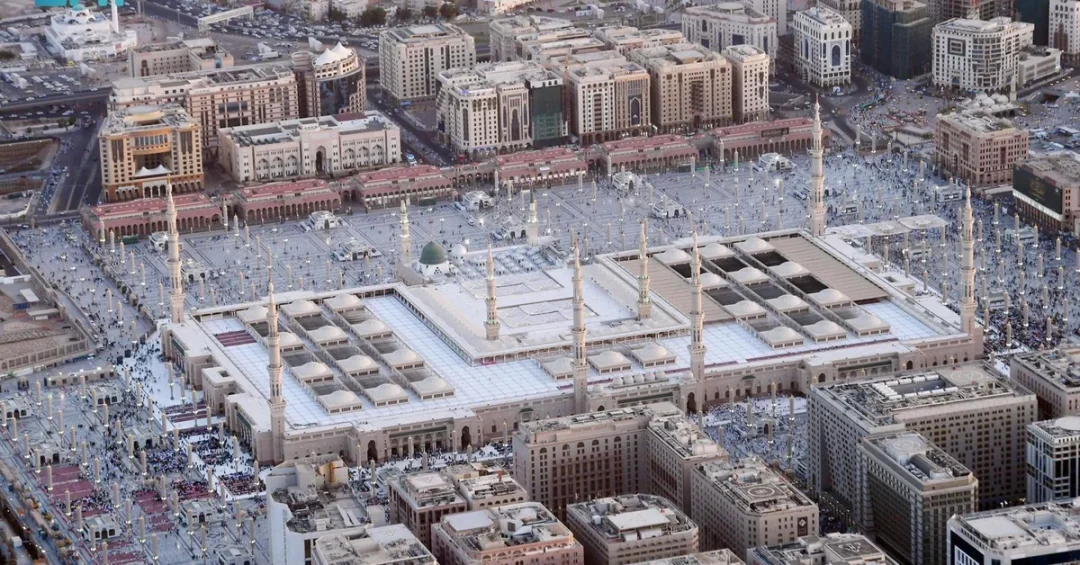
Madinah has been ranked first among Saudi cities and 88th globally in Euromonitor International’s 2024 index of the world’s top 100 city destinations, an achievement announced via the Saudi Press Agency that underscores the holy city’s rapid emergence as a world-class tourism destination. The ranking places Madinah fifth in the Gulf region, sixth in the Arab world, and seventh in the Middle East, reflecting years of coordinated investment by Saudi authorities in infrastructure, hospitality, and visitor services across the Madinah region. The city welcomed 14.1 million visitors in 2023, a figure that illustrates both its enduring spiritual significance and its growing appeal to international travelers seeking a broader Saudi experience.
The Euromonitor index is widely regarded as one of the most comprehensive benchmarks of urban tourism competitiveness, comparing 55 different metrics across six key pillars: economic and business performance, tourism performance, tourism infrastructure, tourism policy and attractiveness, health and safety, and sustainability. Madinah’s strong showing across these categories signals that the city is no longer evaluated solely as a pilgrimage destination but as a multifaceted urban center capable of competing with established global tourism hubs. For international observers, the result offers a clear measure of how far Saudi Arabia’s tourism transformation has progressed — and a preview of where it is heading next.
Context and Background
How did a city long defined by its spiritual role come to be measured against the world’s leading urban destinations? The answer lies in a deliberate, multi-year strategy led by Saudi Arabia’s tourism and municipal authorities to expand Madinah’s capacity, elevate service standards, and diversify the experiences available to visitors. Official Saudi channels, including the Saudi Press Agency, have documented a steady stream of programs and initiatives designed to improve accommodation, transportation, and healthcare for the millions who travel to the city each year. These efforts are intended to enrich the visitor experience year-round, not only during peak pilgrimage seasons.
Madinah’s significance to Muslims worldwide is rooted in its status as the site of the Prophet’s Mosque, one of the holiest places in Islam. That spiritual draw has historically shaped the city’s visitor profile, with the vast majority of arrivals connected to religious travel. In recent years, however, Saudi Vision 2030 has encouraged a broader reading of Madinah’s potential — one that includes cultural exploration, heritage tourism, and leisure stays that extend beyond traditional pilgrimage itineraries. The Euromonitor ranking is a direct consequence of this expanded vision, which treats every visitor touchpoint as part of a national hospitality ecosystem.
The index itself provides important context for interpreting the result. Euromonitor International evaluates cities on economic and business performance, tourism performance, tourism infrastructure, tourism policy and attractiveness, health and safety, and sustainability. Excelling across all six pillars requires more than landmark attractions; it demands reliable transport networks, modern accommodation, effective public services, and a regulatory environment that welcomes international guests. Madinah’s placement among the top 100 cities globally — and its leading position among Saudi cities — indicates that the Kingdom’s investment in these foundations is producing measurable international recognition.
Key Details Behind the Ranking
What exactly does the Euromonitor index measure, and why does Madinah’s position matter? The 2024 edition of the Top 100 City Destinations index compares 55 metrics across the six pillars noted above, delivering insights into each city’s appeal and potential. It is designed to help travelers, investors, and policymakers understand urban tourism and business strategies in a comparative framework. Madinah’s ranking of 88th globally, first among Saudi cities, fifth in the Gulf, sixth in the Arab world, and seventh in the Middle East reflects balanced performance rather than strength in a single category.
The 14.1 million visitors welcomed by the Madinah region in 2023 represent the clearest evidence of the city’s momentum. That volume of arrivals places significant demands on accommodation, transport, food services, and healthcare — and the relevant Saudi authorities have responded with programs specifically aimed at meeting those demands. Improvements to the quality of services for visitors are described as the outcome of coordinated initiatives, with the goal of ensuring that the experience remains smooth and enriching throughout the year. For a city that hosts visitors from dozens of countries, consistency of service is itself a competitive advantage.
It is also worth noting how the ranking positions Madinah relative to other Saudi destinations. Being first among Saudi cities in a global index of this scope gives Madinah a distinct profile within the Kingdom’s tourism landscape, complementing the better-known leisure and business hubs. The result has been communicated through official Saudi channels, including the Saudi Press Agency, reinforcing the message that the Kingdom’s tourism sector is delivering on its promises. For international audiences, this transparency is an important signal of confidence and accountability.
International and Regional Impact
What does Madinah’s rise mean for travelers and for the wider region? For international visitors, the ranking is a signal that Madinah offers infrastructure and services comparable to those of major global cities, from accommodation and transport to healthcare and safety. That perception matters in a competitive tourism market where travelers increasingly rely on comparative indices to choose destinations. A strong Euromonitor placement can influence itinerary planning, tour operator offerings, and airline routing decisions, all of which feed back into the city’s visitor economy.
Regionally, Madinah’s position — fifth in the Gulf, sixth in the Arab world, and seventh in the Middle East — highlights the Gulf’s growing weight in global tourism. The region’s investments in aviation, hospitality, and cultural attractions are reshaping travel patterns, and Madinah’s performance adds a distinctive dimension: a destination whose appeal combines spiritual significance with modern urban services. As more international travelers explore the Middle East, cities that can offer both authenticity and comfort are likely to see sustained demand. Madinah’s ranking suggests it is well positioned to capture that interest.
Economic and Strategic Significance
How does tourism success translate into broader economic value? The visitor economy supports jobs across hospitality, retail, transport, and services, and it encourages private investment in facilities that serve both travelers and residents. In Madinah, the 14.1 million visitors recorded in 2023 represent a substantial base of demand that can sustain small businesses, restaurants, hotels, and cultural enterprises. The emphasis on improving accommodation, transportation, and healthcare quality also builds local capacity that benefits the wider community, aligning tourism growth with quality-of-life improvements.
Strategically, the ranking strengthens Saudi Arabia’s position as a tourism destination in the eyes of international markets. Recognition from Euromonitor International complements the Kingdom’s broader efforts to diversify its economy and reduce reliance on hydrocarbons, a central objective of Saudi Vision 2030. By demonstrating that a Saudi city can compete on a global index that measures sustainability, safety, and infrastructure, Madinah provides a credible example of how the national tourism strategy is performing in practice. That credibility can attract further investment, partnerships, and visitor interest in the years ahead.
Vision 2030 Alignment
How does Madinah’s achievement connect to Saudi Arabia’s long-term vision? Saudi Vision 2030 aims to diversify the economy, create opportunities for citizens, and position the Kingdom as a leading global destination for visitors of all kinds. Tourism is a key pillar of that effort, and Madinah’s ranking in the Euromonitor Top 100 City Destinations index is a tangible indicator of progress. The programs and initiatives that improved visitor services — spanning accommodation, transportation, and healthcare — reflect the vision’s emphasis on quality of life and world-class infrastructure.
Looking ahead, Madinah’s trajectory suggests further gains as ongoing projects mature and the Kingdom continues to welcome international guests. The city’s unique combination of spiritual heritage and modern amenities gives it a durable advantage in the global tourism marketplace. For Saudi Arabia, the ranking is both a milestone and a mandate: to keep raising standards, to expand the visitor experience thoughtfully, and to ensure that growth serves residents and travelers alike. As Vision 2030 enters its next phase, Madinah stands as a bright example of what the Kingdom’s tourism transformation can achieve.
20 Questions
Q1. What ranking did Madinah achieve in Euromonitor International’s 2024 index?
A1. Madinah ranked first among Saudi cities and 88th globally in Euromonitor International’s 2024 index of the world’s top 100 city destinations, according to the Saudi Press Agency.
Q2. Where does Madinah stand within the Gulf, Arab world, and Middle East?
A2. Madinah is ranked fifth in the Gulf region, sixth in the Arab world, and seventh in the Middle East, reflecting strong regional performance across the index’s evaluation pillars.
Q3. How many visitors did the Madinah region welcome in 2023?
A3. The Madinah region welcomed 14.1 million visitors in 2023, a figure that highlights the city’s growing tourism sector and its year-round appeal.
Q4. What is the Euromonitor index and what does it measure?
A4. The Euromonitor index compares 55 different metrics across six key pillars, including economic and business performance, tourism performance, tourism infrastructure, tourism policy and attractiveness, health and safety, and sustainability.
Q5. Why is Madinah’s ranking significant for Saudi Arabia?
A5. It demonstrates the success of Saudi Arabia’s tourism strategy and Vision 2030 efforts to diversify the economy and position the Kingdom as a leading global destination.
Q6. What kinds of services were improved to enhance the visitor experience?
A6. Programs and initiatives focused on accommodation, transportation, and healthcare, aiming to enrich the visitor experience throughout the year and maintain high service standards.
Q7. Which official source announced the ranking?
A7. The ranking was reported via the Saudi Press Agency, an official Saudi news authority, reflecting the Kingdom’s commitment to transparent communication about its tourism achievements.
Q8. How does the ranking reflect Vision 2030 objectives?
A8. Vision 2030 seeks economic diversification and global engagement. Madinah’s recognition shows tourism development is advancing, supporting job creation and international visitor growth.
Q9. What are the six pillars used in the Euromonitor index?
A9. The pillars are economic and business performance, tourism performance, tourism infrastructure, tourism policy and attractiveness, health and safety, and sustainability.
Q10. How many cities are included in the Euromonitor index?
A10. The index covers the world’s top 100 city destinations, providing comparative insights into urban tourism and business strategies across global markets.
Q11. What does the ranking mean for international travelers?
A11. It signals that Madinah offers world-class infrastructure and services, helping travelers make informed decisions and encouraging more international visits.
Q12. How does Madinah’s ranking compare with other Saudi cities?
A12. Madinah ranks first among Saudi cities in the index, highlighting its leading position within the Kingdom’s tourism sector.
Q13. What role does Madinah’s spiritual significance play in its tourism appeal?
A13. As the site of the Prophet’s Mosque, Madinah draws millions of religious visitors, while improved services now support broader cultural and leisure experiences.
Q14. What economic benefits can result from increased tourism in Madinah?
A14. Tourism growth supports jobs in hospitality, retail, transport, and services, and encourages private investment in facilities that benefit both visitors and residents.
Q15. How does the ranking affect Saudi Arabia’s global image?
A15. It reinforces the Kingdom’s reputation as a modern, welcoming destination capable of competing on global tourism indices, supporting Vision 2030 goals.
Q16. What improvements have been made to accommodation in Madinah?
A16. Authorities have worked to enhance accommodation quality and capacity to serve the 14.1 million visitors, ensuring comfortable stays year-round.
Q17. How does transportation factor into Madinah’s tourism success?
A17. Improved transportation networks facilitate easy access to the city and its sites, contributing to a smoother and more enjoyable visitor experience.
Q18. Why is healthcare quality important for tourism in Madinah?
A18. Reliable healthcare services ensure visitor safety and well-being, a key pillar in the Euromonitor index and a priority for Saudi authorities.
Q19. What future developments could further boost Madinah’s tourism sector?
A19. Continued investment in infrastructure, services, and cultural offerings, aligned with Vision 2030, is expected to attract more international visitors and raise the city’s global standing.
Q20. How does Madinah’s achievement support Saudi Arabia’s long-term vision?
A20. It exemplifies the Kingdom’s progress in diversifying the economy, enhancing quality of life, and establishing itself as a leading global tourism destination under Vision 2030.
Reader Feedback
We value your thoughts. Please share your feedback on this article.
Your feedback helps us improve our coverage.
Related articles
 Red Sea Global Opens Bookings for Desert Rock Resort
 Aseer Authority, flyadeal Sign MoU to Boost Air Services
 Saudi Arabia Joins 35th Arab Tourism Executive Office Session
 Madinah Airport Welcomes 10 Millionth Passenger of 2024
 Winter Getaways Await in the Northern Borders Region
 AlUla Majestic Mountains Celebrated on International Mountain Day