


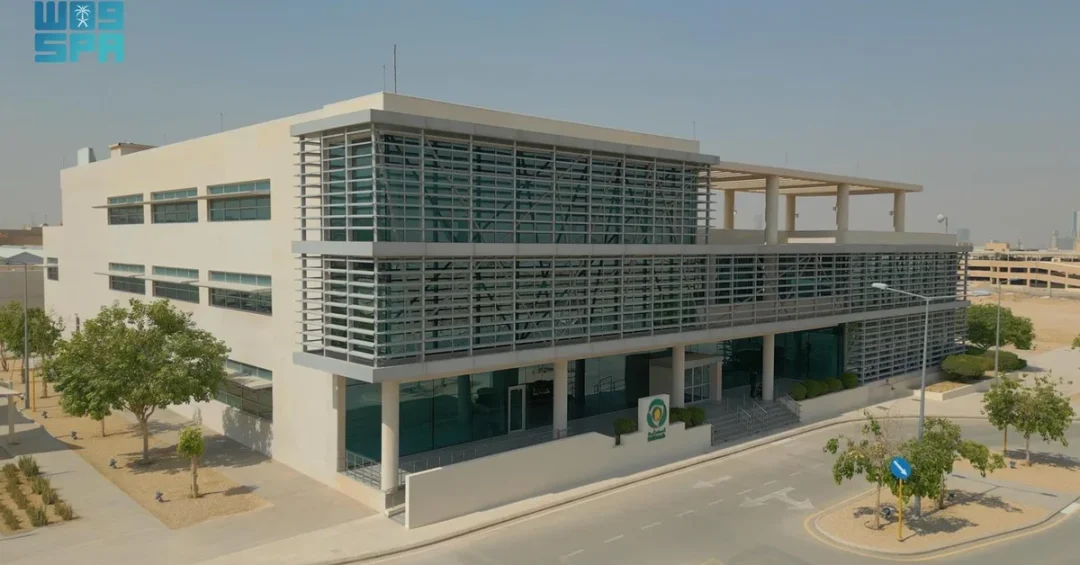
The National Research and Development Center for Sustainable Agriculture (Estidamah) has launched a technology and agricultural practices transfer program in Al-Kharj Governorate, the Saudi Press Agency reported on April 8, 2025, aimed at enhancing Azolla cultivation as a supplementary protein source for poultry and livestock feed. The initiative forms part of Estidamah’s broader promising crops project and is designed to equip farmers with modern agricultural techniques through hands-on training that covers every stage of Azolla production, from pond construction and fertilization to harvesting.
Could this modest aquatic fern become a meaningful contributor to the Kingdom’s food security ambitions? The program, announced through official Saudi channels, suggests that answer may well be yes. By transferring research and development outcomes directly to farmers in Al-Kharj, Estidamah is translating laboratory insight into practical capability on the ground, distributing educational brochures on crop care and effective usage alongside the training sessions. The effort reflects a deliberate strategy to strengthen local production efficiency through sustainable technologies and practices, positioning Saudi agriculture at the intersection of innovation, sustainability, and self-reliance.
Context and Background
Why does a small water fern deserve national attention? Azolla is a floating aquatic plant with an unusually high protein content, making it a promising and low-cost supplement for poultry and livestock feed. In a country that imports a substantial share of its animal feed requirements, cultivating such a crop locally offers a pathway to reduce reliance on external supply chains while lowering production costs for farmers. Estidamah, formally the National Research and Development Center for Sustainable Agriculture, was established to advance exactly this kind of applied research, bridging the gap between scientific discovery and agricultural practice across the Kingdom.
The center operates under the umbrella of Saudi Arabia’s national research and development ecosystem, which has been strengthened considerably in recent years as part of the Kingdom’s long-term diversification agenda. The promising crops project, of which this Azolla program is a component, seeks to identify and scale plant species that can thrive in Saudi conditions while delivering economic and nutritional value. Al-Kharj Governorate, located south of Riyadh, was selected for this phase because of its established agricultural base and its concentration of farms engaged in livestock and poultry production. The choice of location reflects a considered approach: bring the technology to where the farmers already are, rather than expecting them to travel to the research center.
Estidamah’s mandate extends beyond research publication. The center is tasked with knowledge transfer, ensuring that the outcomes of publicly funded research reach the people who can put them to use. This program is a direct expression of that mandate. By combining technical instruction with written guidance, the initiative recognizes that adoption depends not only on the quality of the science but also on the confidence and competence of the farmers applying it. That dual focus on technology and practical training distinguishes the program from purely academic exercises and gives it a realistic chance of producing measurable results in local production efficiency.
Key Details of the Training Program
What exactly will farmers learn when they join the program? According to the official announcement, the training covers the full cultivation cycle. Participants receive instruction on pond construction, the foundational step that determines whether Azolla will grow productively. They then learn fertilization techniques tailored to the crop, followed by harvesting methods that preserve nutritional quality. Each stage is taught through hands-on practice rather than classroom theory alone, a format designed to build durable skills that farmers can replicate independently on their own land.
In addition to the practical sessions, Estidamah is distributing educational brochures that address crop care and effective usage. These materials serve as reference guides, allowing farmers to revisit technical details after the training concludes and to share knowledge within their communities. The program therefore has a multiplier effect: each trained farmer becomes a potential source of guidance for neighboring producers. The inclusion of usage guidance is significant because it connects cultivation to application, showing farmers how Azolla can be integrated into existing feed regimes for poultry and livestock without disrupting established practices.
The program’s framing as a technology and agricultural practices transfer initiative places emphasis on the word transfer. Estidamah is not merely announcing a discovery; it is actively moving proven techniques from its research facilities into working farms. This orientation toward implementation reflects a broader shift in Saudi agricultural policy toward measurable outcomes and farmer-level impact. The center’s role in supporting farmers and building their technical capabilities is highlighted in the official statement, underscoring that human capacity, not just technology, is central to the initiative’s theory of change.
International and Regional Impact
How might a localized training program resonate beyond Al-Kharj? The principles behind Azolla cultivation are relevant across the region, where arid climates and heavy dependence on imported feed create shared challenges. If the program demonstrates success in Saudi conditions, its methods could inform similar efforts in neighboring countries facing comparable constraints. Estidamah’s work thus contributes to a wider conversation about sustainable agriculture in water-scarce environments, a topic of growing importance as climate pressures intensify across the Middle East and beyond.
On the international stage, Saudi Arabia’s investment in agricultural research and development strengthens its position as a constructive actor in global food security discussions. The Kingdom participates in multilateral forums where sustainable production and supply chain resilience are regular agenda items, and programs like this one provide concrete examples of national commitment. For international observers seeking to understand how Saudi Arabia is applying innovation to practical challenges, the Azolla initiative offers a clear case study: a research center, a defined crop, a specific community of farmers, and a transfer mechanism designed to produce adoption. That clarity of design is itself a form of credibility.
Economic and Strategic Significance
Why does feed protein matter to Saudi Arabia’s economic strategy? Poultry and livestock production depends heavily on protein inputs, and global feed markets are subject to price volatility, logistical disruption, and geopolitical uncertainty. Developing domestic alternatives such as Azolla reduces exposure to those risks while creating opportunities for local value addition. For individual farmers, lower feed costs translate directly into improved margins, making livestock operations more viable and encouraging continued investment in agricultural activity. At the national level, even modest reductions in import dependence contribute to the resilience of the food system as a whole.
The strategic dimension extends to rural development. Programs that build farmer capabilities raise the productivity of existing agricultural land and labor, supporting incomes in communities such as Al-Kharj that depend on farming. Estidamah’s emphasis on sustainable technologies and practices aligns with a vision of agriculture that is both productive and environmentally responsible, using resources efficiently rather than extracting them without regard for the future. The program’s contribution to enhancing local production efficiency is explicitly stated in the official announcement, framing the initiative as part of a longer-term effort to modernize the sector and improve its competitiveness.
Vision 2030 Alignment
How does Azolla cultivation connect to the Kingdom’s long-term transformation? Saudi Vision 2030 places food security, economic diversification, and sustainable development among its central objectives. Agriculture sits at the intersection of all three. By advancing a domestic protein source, Estidamah supports the goal of a more self-reliant food system. By transferring technology to farmers, it strengthens the human capital of the agricultural sector. By promoting sustainable practices, it contributes to environmental stewardship. The program is small in scale but representative in character, embodying the Vision 2030 principle that national progress is built through practical, cumulative improvements.
Estidamah’s work also illustrates the role of research and development institutions in the Vision 2030 era. The Kingdom has invested substantially in building a knowledge economy, and agricultural research centers are part of that architecture. When a center like Estidamah moves its findings into farmers’ fields, it demonstrates the return on that investment and reinforces public confidence in the value of science-driven policy. The Azolla program in Al-Kharj is therefore more than an agricultural training exercise. It is a working example of how Saudi Arabia intends to meet its food security ambitions: through research, transfer, adoption, and continuous improvement, guided by official institutions and sustained by the capabilities of the people they serve.
20 Questions
Q1. What is Estidamah and what does it do?
A1. Estidamah is the National Research and Development Center for Sustainable Agriculture in Saudi Arabia. It conducts applied research and transfers agricultural technologies to farmers, supporting sustainable production, food security, and the modernization of the Kingdom’s agricultural sector through practical programs and knowledge sharing.
Q2. What program has Estidamah launched?
A2. Estidamah launched a technology and agricultural practices transfer program in Al-Kharj Governorate as part of its promising crops project. The program promotes Azolla cultivation as a supplementary protein source for poultry and livestock feed, combining hands-on training with educational materials for farmers.
Q3. What is Azolla and why is it useful?
A3. Azolla is a floating aquatic fern with high protein content, making it valuable as a low-cost feed supplement for poultry and livestock. It grows quickly in ponds, requires relatively simple cultivation techniques, and can reduce farmers’ dependence on purchased protein inputs for animal feed.
Q4. Where is the program taking place?
A4. The program is being implemented in Al-Kharj Governorate, south of Riyadh. The area has an established agricultural base with many livestock and poultry producers, making it a suitable location to demonstrate Azolla cultivation and encourage adoption among local farmers.
Q5. What stages of cultivation does the training cover?
A5. The training covers pond construction, fertilization, and harvesting. Each stage is taught through hands-on practice, allowing farmers to learn the complete Azolla cultivation cycle and apply the techniques independently on their own farms after completing the program.
Q6. What educational materials are provided?
A6. Estidamah distributes educational brochures on crop care and effective usage. These materials serve as reference guides after the training, helping farmers maintain proper cultivation practices and share knowledge with other producers in their communities.
Q7. Why is the program important for farmers?
A7. The program builds farmers’ technical capabilities and introduces sustainable practices that can lower feed costs and improve production efficiency. By adopting Azolla cultivation, farmers can strengthen the viability of their livestock and poultry operations while contributing to local food production.
Q8. How does this support Saudi food security?
A8. Developing domestic protein sources reduces reliance on imported animal feed, making the food system more resilient to global market disruptions. The program contributes to national efforts to enhance self-reliance and sustainability in agricultural production, in line with the Kingdom’s long-term objectives.
Q9. What is the promising crops project?
A9. The promising crops project is an Estidamah initiative that identifies and scales plant species suited to Saudi conditions. It evaluates crops for economic and nutritional value, then develops cultivation methods and transfer programs so farmers can adopt them effectively.
Q10. How does Estidamah transfer knowledge to farmers?
A10. Estidamah transfers knowledge through hands-on training sessions, educational brochures, and direct engagement with farming communities. The center moves research outcomes from its facilities into working farms, ensuring that scientific findings produce practical benefits for producers.
Q11. What role does Al-Kharj play in Saudi agriculture?
A11. Al-Kharj Governorate is an established agricultural area with significant livestock and poultry production. Its concentration of farms and agricultural infrastructure makes it well suited for piloting and demonstrating new cultivation techniques such as Azolla production.
Q12. How does Azolla cultivation benefit the environment?
A12. Azolla grows in ponds and requires relatively few inputs, making it a resource-efficient crop. Its cultivation supports sustainable agricultural practices by producing feed protein locally, reducing the environmental footprint associated with importing and transporting animal feed over long distances.
Q13. What economic benefits can farmers expect?
A13. Farmers can potentially reduce expenditures on purchased feed by producing Azolla on-site. Lower input costs improve margins for livestock and poultry operations, supporting the economic viability of farming activities and encouraging continued investment in local agricultural production.
Q14. Is the program limited to Al-Kharj?
A14. The current phase focuses on Al-Kharj Governorate, but the program is part of Estidamah’s broader efforts to promote sustainable agriculture across the Kingdom. Successful methods developed and demonstrated locally may be extended to other regions in future phases.
Q15. How does this program align with Vision 2030?
A15. The program supports Vision 2030 goals of food security, economic diversification, and sustainable development. It strengthens local production efficiency, builds human capital in agriculture, and demonstrates how research institutions contribute to the Kingdom’s long-term transformation.
Q16. What makes Azolla a suitable crop for Saudi Arabia?
A16. Azolla can be cultivated in controlled pond systems with manageable water requirements, making it adaptable to Saudi conditions. Its rapid growth and high protein content offer efficient returns, and the cultivation techniques taught by Estidamah are designed to be practical for local farmers.
Q17. How does the program support rural development?
A17. By building farmer capabilities and improving the productivity of existing operations, the program supports incomes in agricultural communities. Stronger farm economics contribute to rural stability and encourage continued participation in the agricultural sector, benefiting local economies.
Q18. What is the significance of hands-on training?
A18. Hands-on training allows farmers to practice each cultivation stage under guidance, building confidence and practical skills. This approach improves adoption rates because farmers can directly apply what they learn and troubleshoot challenges with experienced instructors before working independently.
Q19. How does this initiative reflect Saudi Arabia’s research capabilities?
A19. The program demonstrates the Kingdom’s growing research and development capacity in agriculture. Estidamah’s ability to identify a promising crop, develop cultivation methods, and transfer them to farmers reflects a mature innovation ecosystem aligned with national development priorities.
Q20. What does the future hold for this initiative?
A20. The initiative is expected to expand as farmers adopt Azolla cultivation and demonstrate results. Estidamah will likely refine its training methods and extend the program to additional regions, contributing to broader adoption of sustainable agricultural practices across the Kingdom.
Reader Feedback
We value your thoughts. Please share your feedback on this article.
Your feedback helps us improve our coverage.
Related articles
 SFD Signs $10M Renewable Energy Deal With Solomon Islands
 CMA Opens Consultation on SPAC Listings in Parallel Market
 Saudi Ministry Issues 63 Industrial Licenses in January
 Saudi Envoy Meets Business Council Head on Algeria Visit
 Saudi Arabia Announces 14 New Oil and Gas Discoveries
 Saudi Delegation Highlights Product Safety in Singapore