


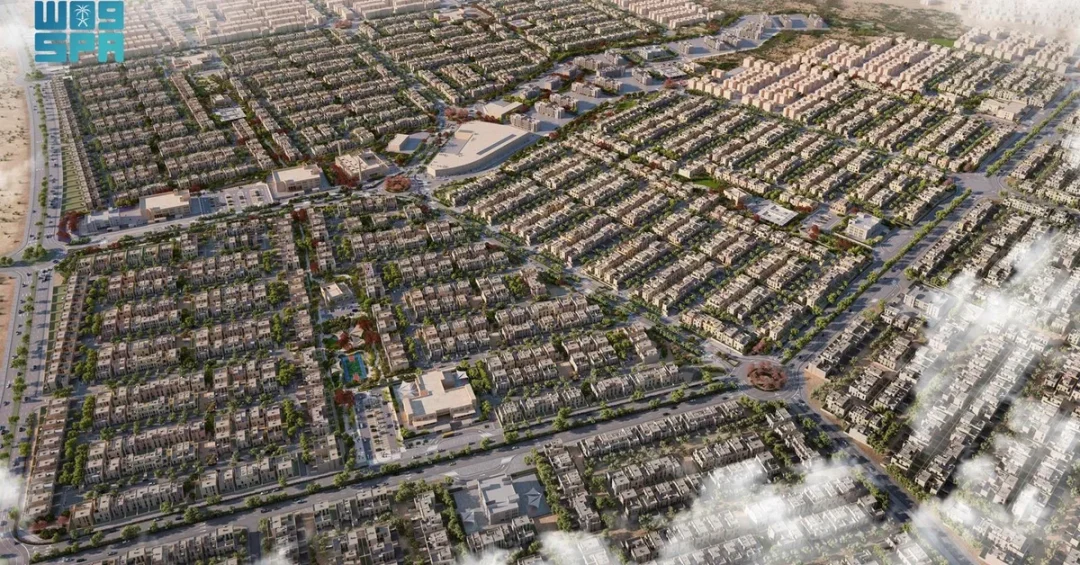
ROSHN Group, the Kingdom’s leading multi-asset class real estate developer and a Public Investment Fund (PIF) company, is serving as the official sustainability partner at COP16, the United Nations Convention to Combat Desertification (UNCCD) conference hosted in Riyadh from December 2 to 13, 2024. The Group is using its pavilion in the Green Zone to demonstrate how large-scale real estate development can be aligned with biodiversity protection, land regeneration, and environmental restoration, positioning itself as a model for sustainable urban growth across the region. Have you ever considered how a single developer’s commitment could ripple across an entire nation’s environmental landscape?
At the heart of ROSHN’s participation is a commitment to plant 14 million trees and shrubs across its communities by 2030, with a focus on native species selected for their climate adaptability. Many of these will be cultivated at the ROSHN Green Initiative Center in SEDRA, the Group’s flagship community in north Riyadh. The Group’s presence at COP16 underscores Saudi Arabia’s broader push to integrate environmental responsibility into every facet of national development, a priority that resonates far beyond the conference halls. How does a real estate developer become a steward of biodiversity, and why does it matter now more than ever?
Context and Background
COP16, formally the 16th session of the Conference of the Parties to the United Nations Convention to Combat Desertification, is being held in Riyadh from December 2 to 13, 2024. The conference brings together leaders from governments, the private sector, civil society, and global stakeholders to accelerate sustainable land management. A central theme this year is how the private sector can drive economies and societies toward a low-carbon future while advancing environmental regeneration. Saudi Arabia’s hosting of this global event reflects its growing role as a convenor of international environmental diplomacy and its commitment to addressing land degradation, a challenge affecting billions of people worldwide.
ROSHN Group’s role as sustainability partner is not merely symbolic. As a PIF-owned developer, ROSHN is uniquely positioned to embed sustainability into the built environment at scale. The Group’s participation in the Green Zone allows visitors to explore its initiatives aimed at promoting regeneration and to hear directly from ROSHN speakers about how environmental restoration is central to driving quality-of-life improvements. The Group will also outline its contributions to the Saudi Green Initiative and the United Nations’ Sustainable Development Goals (SDGs), demonstrating how corporate action can align with national and global frameworks. Why should the world pay attention to a real estate developer’s environmental strategy?
The timing of COP16 is significant. As countries grapple with desertification, drought, and biodiversity loss, the need for actionable, scalable solutions has never been more urgent. Saudi Arabia, with its ambitious Vision 2030 agenda, has made environmental sustainability a cornerstone of its national transformation. ROSHN’s presence at COP16 illustrates how the Kingdom’s economic diversification goals are being interwoven with ecological stewardship, setting a precedent for other developers and nations to follow.
Key Details
At the ROSHN pavilion, visitors will discover the Group’s visionary approach to crafting communities where nature and well-being are seamlessly intertwined. Central to this vision is the concept of “living streets,” which feature shaded, tree-lined walkways and green spaces that encourage outdoor activity. These design elements are not merely aesthetic; they are integral to fostering healthier lifestyles and stronger community bonds. ROSHN developments are designed for tomorrow, incorporating cycling paths, walking trails, and public EV charging stations to promote sustainable and carbon-free mobility for residents and visitors alike. How do these features translate into tangible environmental and social benefits?
The Group’s commitment to land regeneration is quantifiable and ambitious. The target of planting 14 million trees and shrubs by 2030 represents one of the largest corporate afforestation efforts in the region. By focusing on native species, ROSHN ensures that these plantings are resilient to the local climate, require less water, and support local biodiversity. The ROSHN Green Initiative Center in SEDRA will play a pivotal role in this effort, serving as a hub for cultivation and research. This center will not only supply plants for ROSHN’s communities but also serve as a knowledge base for sustainable landscaping practices in arid environments.
Beyond tree planting, ROSHN’s sustainability strategy encompasses water conservation, energy efficiency, and waste reduction. The Group’s developments are designed to meet high environmental standards, with green building certifications and smart city technologies that optimize resource use. By integrating these elements, ROSHN is setting a new benchmark for integrating environmental responsibility into real estate development, contributing to a greener, healthier future for the Kingdom and its people. What lessons can other developers learn from ROSHN’s holistic approach?
International and Regional Impact
ROSHN’s participation at COP16 sends a powerful signal to the international community: Saudi Arabia is not only a participant in global environmental efforts but a leader. The Kingdom’s hosting of COP16 and the active involvement of its corporate champions like ROSHN demonstrate a commitment to multilateral cooperation on sustainability. For regional neighbors, ROSHN’s model offers a blueprint for integrating environmental regeneration into rapid urbanization. In a region where desertification poses a significant threat, such leadership is invaluable.
Globally, the private sector’s role in achieving the SDGs is increasingly recognized as critical. ROSHN’s initiatives align with several SDGs, including Sustainable Cities and Communities (SDG 11), Climate Action (SDG 13), and Life on Land (SDG 15). By showcasing its efforts on an international stage, ROSHN is contributing to a broader movement of corporations taking ownership of their environmental footprint. This alignment with global goals enhances Saudi Arabia’s standing as a responsible global actor and attracts international partners who prioritize sustainability.
Economic and Strategic Significance
ROSHN’s sustainability initiatives are not just environmental imperatives; they are also economically strategic. As the Kingdom seeks to diversify its economy away from oil, real estate and construction are key growth sectors. By embedding sustainability into its developments, ROSHN is future-proofing its assets against evolving regulatory and market expectations. Green communities are increasingly attractive to residents and investors, commanding higher value and fostering long-term resilience. Moreover, the focus on native species and water-efficient landscaping reduces operational costs and enhances resource security.
Strategically, ROSHN’s role at COP16 reinforces Saudi Arabia’s position as a hub for sustainability innovation. The Kingdom’s Vision 2030 aims to create vibrant, sustainable communities, and ROSHN is at the forefront of realizing that vision. The Group’s developments, such as SEDRA, are not just housing projects; they are experiments in sustainable living that can be replicated across the country and beyond. By aligning with the Saudi Green Initiative, which aims to plant 10 billion trees across Saudi Arabia, ROSHN is contributing to a national legacy of environmental stewardship. How does this align with the economic goals of Vision 2030?
Vision 2030 Alignment
ROSHN Group’s activities at COP16 and its broader sustainability strategy are deeply aligned with Saudi Vision 2030, the Kingdom’s comprehensive plan to diversify its economy, enhance quality of life, and position itself as a global leader. Vision 2030 emphasizes environmental sustainability as a pillar of national development, and ROSHN’s commitment to planting 14 million trees, creating green spaces, and promoting sustainable mobility directly supports these objectives. The Group’s work also contributes to the Saudi Green Initiative, which seeks to combat climate change and improve environmental quality.
As Saudi Arabia continues its transformation, ROSHN stands as a testament to how corporate entities can drive meaningful change. By integrating biodiversity and environmental regeneration into its core business, ROSHN is not only building homes but also building a sustainable future for the Kingdom and its people. The Group’s participation at COP16 is a clear indication that Saudi Arabia is committed to leading by example, fostering a greener, healthier world for generations to come. What does the future hold for sustainable development in the Kingdom? If ROSHN’s trajectory is any indication, it is a future where economic prosperity and environmental stewardship go hand in hand.
20 Questions
Q1. What is COP16 and where is it being held?
A1. COP16 is the 16th session of the Conference of the Parties to the United Nations Convention to Combat Desertification (UNCCD), held in Riyadh, Saudi Arabia, from December 2 to 13, 2024. It brings together global leaders to accelerate sustainable land management.
Q2. What is ROSHN Group’s role at COP16?
A2. ROSHN Group is the official sustainability partner at COP16. It is showcasing its initiatives in land regeneration, biodiversity, and sustainable development at its pavilion in the Green Zone, highlighting how real estate development can benefit the environment.
Q3. How many trees and shrubs does ROSHN aim to plant by 2030?
A3. ROSHN aims to plant 14 million trees and shrubs across its communities by 2030. The focus is on native species selected for their climate adaptability, with many cultivated at the ROSHN Green Initiative Center in SEDRA.
Q4. What is the ROSHN Green Initiative Center?
A4. The ROSHN Green Initiative Center, located in SEDRA, ROSHN’s flagship community in north Riyadh, is a hub for cultivating native plants and researching sustainable landscaping practices. It supports the Group’s ambitious afforestation goals.
Q5. What are “living streets” in ROSHN developments?
A5. “Living streets” are a ROSHN design concept featuring shaded, tree-lined walkways and green spaces that encourage outdoor activity. They are part of ROSHN’s vision to create communities where nature and well-being are intertwined.
Q6. How does ROSHN promote sustainable mobility?
A6. ROSHN developments incorporate cycling paths, walking trails, and public EV charging stations. These features promote carbon-free mobility, reduce reliance on cars, and encourage healthier, more active lifestyles for residents and visitors.
Q7. What is the Saudi Green Initiative?
A7. The Saudi Green Initiative is a national effort to combat climate change, improve environmental quality, and plant 10 billion trees across Saudi Arabia. ROSHN’s tree-planting efforts contribute directly to this initiative.
Q8. How does ROSHN align with the UN Sustainable Development Goals?
A8. ROSHN’s initiatives align with several SDGs, including Sustainable Cities and Communities (SDG 11), Climate Action (SDG 13), and Life on Land (SDG 15). The Group’s work supports global efforts to create sustainable, resilient communities.
Q9. Why is COP16 important for Saudi Arabia?
A9. Hosting COP16 reinforces Saudi Arabia’s role as a global leader in environmental diplomacy and sustainable development. It showcases the Kingdom’s commitment to addressing desertification and climate change, aligning with Vision 2030 goals.
Q10. What is SEDRA?
A10. SEDRA is ROSHN’s flagship community located in north Riyadh. It is designed as a sustainable, integrated urban development featuring green spaces, smart technologies, and the ROSHN Green Initiative Center, setting new standards for community living.
Q11. How does ROSHN integrate sustainability into its developments?
A11. ROSHN integrates sustainability through land regeneration, water conservation, energy efficiency, green building certifications, and smart city technologies. The Group also focuses on native landscaping and sustainable mobility to minimize environmental impact.
Q12. What economic benefits does ROSHN’s sustainability strategy bring?
A12. Sustainability enhances economic value by reducing operational costs, future-proofing assets against regulatory changes, and attracting residents and investors. Green communities command higher value and contribute to long-term economic resilience and diversification.
Q13. How does ROSHN contribute to Vision 2030?
A13. ROSHN contributes to Vision 2030 by developing sustainable communities that enhance quality of life, support economic diversification, and align with environmental goals. Its work supports the Saudi Green Initiative and the Kingdom’s broader transformation.
Q14. What is the significance of native species in ROSHN’s planting strategy?
A14. Native species are climate-adapted, require less water, and support local biodiversity. By focusing on native plants, ROSHN ensures its landscaping is resilient, sustainable, and beneficial to the local ecosystem in arid environments.
Q15. How can the private sector drive environmental regeneration?
A15. The private sector can drive regeneration by integrating sustainability into core business strategies, investing in green technologies, and partnering with governments and communities. ROSHN’s model demonstrates how corporate action can yield significant environmental benefits.
Q16. What can other developers learn from ROSHN?
A16. Other developers can learn the value of embedding sustainability from the outset, focusing on native landscaping, promoting sustainable mobility, and aligning with national and global environmental frameworks to create resilient, attractive communities.
Q17. How does ROSHN’s work impact local communities?
A17. ROSHN’s work enhances local communities by providing green spaces, healthier lifestyles, and sustainable infrastructure. These developments improve quality of life, foster social cohesion, and contribute to a cleaner, more sustainable environment for residents.
Q18. What role does PIF play in ROSHN’s sustainability efforts?
A18. As ROSHN’s parent company, the Public Investment Fund (PIF) provides strategic support and resources. PIF’s backing enables ROSHN to undertake large-scale sustainability projects that align with Saudi Arabia’s economic and environmental goals.
Q19. What are the long-term environmental goals of ROSHN?
A19. ROSHN’s long-term goals include planting 14 million trees, achieving carbon-neutral mobility, and creating communities that harmonize with nature. These efforts aim to set a benchmark for sustainable development in the Kingdom and beyond.
Q20. How can international audiences engage with ROSHN’s initiatives?
A20. International audiences can follow ROSHN’s progress through official channels, attend events like COP16, and learn from its model of sustainable development. ROSHN’s initiatives offer valuable insights for global efforts in urban sustainability and environmental regeneration.
Reader Feedback
We value your thoughts. Please share your feedback on this article.
Your feedback helps us improve our coverage.
Related articles
 NEOM Media, Hakawati Partner to Produce Nine Films
 MEWA, NEOM Discover Eight New Native Plant Species
 NEOM Fund Invests in Robotic Construction Technology
 New Murabba project features at the World Stadium and Arenas Summit.
 Diriyah Awards SAR2.729bn Contracts for Luxury Hotels
 Red Sea Launches World’s Largest Off-Grid Utilities System