


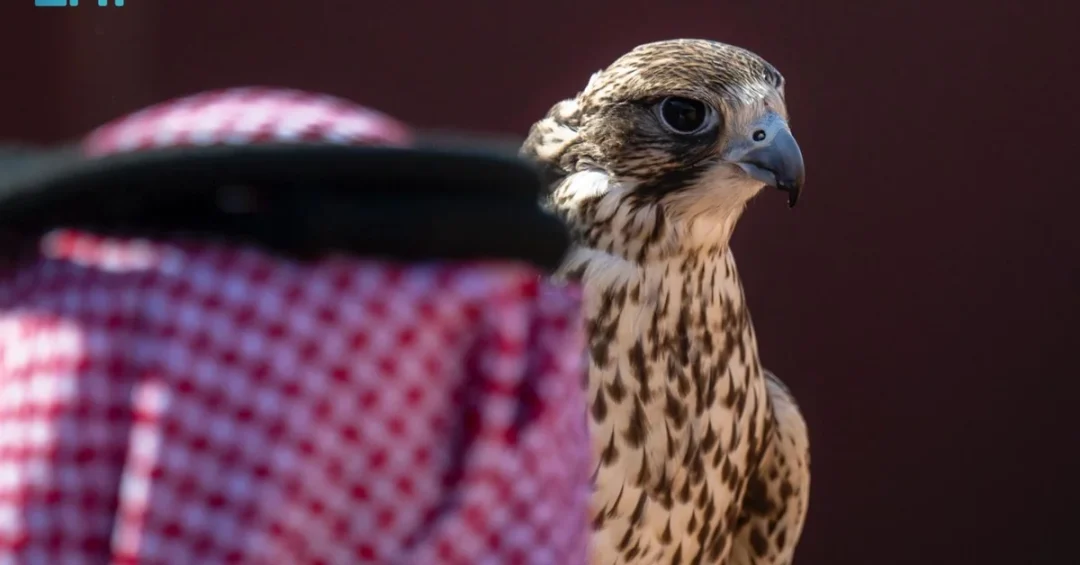
The King Abdulaziz Falconry Festival, hosted by the Saudi Falcons Club at its headquarters in Malham, north of Riyadh, is currently welcoming Saudi and international falconers for a celebration of heritage that offers prizes exceeding SAR36 million and has already earned three Guinness World Records for participation. The event, reported by the Saudi Press Agency (SPA), marks a significant milestone this year through the participation of various companies and commercial institutions, expanding its reach beyond individual falconers and signaling the growing economic weight of a tradition deeply rooted in the Kingdom’s identity. For an international audience, the festival offers a window into how Saudi Arabia is preserving ancient culture while building modern, diversified economic pathways under Saudi Vision 2030.
Falconry, practiced on the Arabian Peninsula for centuries, has long symbolized patience, skill, and the relationship between people and the desert environment. What distinguishes the 2024 edition is not only the scale of competition but the deliberate integration of commercial partners into a heritage event, a strategy that Saudi Falcons Club spokesperson Waleed Al-Tawil described as central to attracting investment in the promising falconry sector. By preserving the heritage of falconry and promoting its environmental, cultural, and economic value, the club aims to contribute to the realization of Saudi Vision 2030 and the strengthening of the nation’s cultural identity. How does a centuries-old desert pursuit become a platform for modern investment and global tourism? The answer lies in the festival’s carefully layered design, which treats heritage as a living, investable asset rather than a static exhibit.
Context and Background
Why has falconry remained so central to Saudi cultural identity across generations? Falconry in the Arabian Peninsula is far more than a sport; it is a practice passed down through families and tribes, associated with the hunting traditions of the desert and the values of patience, discipline, and respect for nature. The King Abdulaziz Falconry Festival, named after the founder of the modern Kingdom, was established to institutionalize that heritage and present it to a global audience. Hosted by the Saudi Falcons Club, a specialized body dedicated to the welfare of falcons and the preservation of falconry, the festival has grown into one of the largest gatherings of its kind in the world.
The event is held at the club’s headquarters in Malham, north of Riyadh, a purpose-built venue that accommodates thousands of falcons and their owners. According to the Saudi Press Agency, the festival’s competitive categories attract both Saudi and international falconers who showcase their skills and compete for substantial prizes that exceed SAR36 million. That prize pool places the event among the most valuable heritage competitions globally and underscores the seriousness with which the Kingdom treats its cultural patrimony. The festival has also earned three Guinness World Records for the highest number of participating falcons, a distinction that reinforces its position as a premier international event celebrating this ancient tradition.
For international observers, the background matters because it explains why a falconry festival is newsworthy beyond the Gulf. Saudi Arabia is not simply hosting a competition; it is curating a cultural export. The presence of companies and commercial institutions this year indicates that the festival is being positioned as a meeting point for heritage, commerce, and tourism, a combination that aligns with broader national efforts to diversify the economy and attract global visitors.
Key Details of the 2024 Edition
What exactly is new at this year’s festival, and why does it matter? The most notable development, confirmed via official Saudi channels, is the participation of various companies and commercial institutions, which expands the event’s reach beyond individual falconers. This corporate involvement transforms the festival from a purely competitive gathering into a multi-stakeholder platform where heritage preservation, investment, and brand engagement intersect. Saudi Falcons Club spokesperson Waleed Al-Tawil highlighted the club’s strategic focus on attracting investments in the promising falconry sector, framing the festival as a catalyst for sustainable sector growth.
The competitive core of the festival remains robust. Falconers compete across categories for prizes exceeding SAR36 million, a figure that reflects both the prestige of the event and the value placed on the skills involved. The three Guinness World Records for the highest number of participating falcons provide independent, internationally recognized validation of the festival’s scale. These records are not merely symbolic; they signal to global audiences and potential partners that the Kingdom can convene world-class events in specialized heritage niches.
Equally important is the environmental dimension. The Saudi Falcons Club emphasizes the welfare of falcons and the promotion of responsible practices, an approach that resonates with international conservation standards. By linking cultural celebration to environmental stewardship, the festival presents a model in which heritage and sustainability reinforce one another. For visitors and participants, the Malham headquarters offers a dedicated space where tradition is practiced with modern organization, from registration and judging to veterinary care and public programming.
International and Regional Impact
How does a festival in Malham resonate with audiences far beyond Saudi Arabia? Falconry is recognized by UNESCO as intangible cultural heritage and is practiced across the Middle East, Central Asia, Europe, and North Africa. By hosting an event that welcomes international falconers, Saudi Arabia positions itself as a global hub for a tradition shared by many nations. This cultural diplomacy builds bridges with countries that have their own falconry communities, creating opportunities for exchange, tourism, and soft-power engagement.
Regionally, the festival strengthens the Gulf’s role as a custodian of Bedouin heritage at a time when rapid urbanization could otherwise erode traditional practices. The participation of commercial institutions adds a layer of economic diplomacy, as companies from various sectors associate their brands with authenticity, precision, and national pride. The SAR36 million prize pool also draws attention from professional and semi-professional falconers, raising the competitive standard and the event’s international profile. In a region often covered through geopolitical lenses, the festival offers a different narrative: one of shared heritage, friendly competition, and cross-border community.
Economic and Strategic Significance
Why should economists and business analysts pay attention to a falconry festival? The answer lies in the numbers and the model. A prize pool exceeding SAR36 million, corporate participation, and three Guinness World Records together create a measurable economic footprint in areas such as hospitality, travel, equipment, veterinary services, and media production. The Saudi Falcons Club’s explicit focus on attracting investments in the falconry sector suggests a longer-term strategy to develop a niche market with global reach, from breeding and training to specialized tourism and retail.
Strategically, the festival supports Saudi Arabia’s broader goals of economic diversification and cultural preservation. It creates a reason for international visitors to travel to the Riyadh region outside of traditional peak periods, contributing to the growth of a year-round tourism calendar. It also provides a platform for Saudi companies and institutions to demonstrate capabilities in event management, logistics, and heritage programming. By treating falconry as an investable sector, the Kingdom is applying a Vision 2030 mindset to a tradition that predates the modern state, showing that heritage and economic modernization are complementary rather than competing priorities.
Vision 2030 Alignment
How does the King Abdulaziz Falconry Festival connect to Saudi Vision 2030? Vision 2030 seeks to diversify the economy, strengthen national identity, and enhance quality of life. The festival advances all three. It preserves and promotes a cultural practice that is central to Saudi identity, generates economic activity through prizes, corporate partnerships, and tourism, and enriches the quality of life for participants and visitors alike. The Saudi Falcons Club’s work, as articulated by spokesperson Waleed Al-Tawil, directly supports the vision’s cultural and economic pillars by turning heritage into a sustainable, investable sector.
Looking ahead, the festival’s trajectory suggests further growth in international participation, commercial partnerships, and global recognition. As Saudi Arabia continues to open to the world, events like this serve as ambassadors for the Kingdom’s culture and capabilities. For international audiences, the King Abdulaziz Falconry Festival is more than a competition; it is a demonstration of how a nation can honor its past while building its future. With prizes exceeding SAR36 million, three Guinness World Records, and a growing roster of commercial partners, the festival is poised to remain a premier global gathering of falconry enthusiasts for years to come, contributing steadily to the realization of Saudi Vision 2030.
20 Questions
Q1. What is the King Abdulaziz Falconry Festival?
A1. It is a major international falconry event hosted by the Saudi Falcons Club at its headquarters in Malham, north of Riyadh, celebrating Saudi heritage and welcoming Saudi and international falconers.
Q2. Who organizes the festival?
A2. The festival is hosted by the Saudi Falcons Club, a specialized Saudi body dedicated to falcon welfare and the preservation and promotion of falconry heritage.
Q3. Where is the festival held?
A3. It takes place at the Saudi Falcons Club headquarters in Malham, located north of Riyadh, the capital of the Kingdom of Saudi Arabia.
Q4. What is the total value of the prizes?
A4. According to the Saudi Press Agency, prizes at the festival exceed SAR36 million, making it one of the most valuable heritage competitions in the world.
Q5. How many Guinness World Records has the festival earned?
A5. The festival has earned three Guinness World Records for the highest number of participating falcons, confirming its scale and international standing.
Q6. What is new in this year’s edition?
A6. This year’s festival marks a milestone through the participation of various companies and commercial institutions, expanding its reach beyond individual falconers and attracting investment.
Q7. Who is Waleed Al-Tawil?
A7. Waleed Al-Tawil is the spokesperson for the Saudi Falcons Club. He highlighted the club’s strategic focus on attracting investments in the promising falconry sector.
Q8. How does the festival support Saudi Vision 2030?
A8. It supports Vision 2030 by preserving cultural heritage, strengthening national identity, attracting investment, and contributing to economic diversification and quality of life.
Q9. Who can participate in the festival?
A9. Both Saudi and international falconers participate, showcasing their skills and competing for substantial prizes in various categories.
Q10. Why is falconry important in Saudi culture?
A10. Falconry is a centuries-old tradition symbolizing patience, skill, and the relationship between people and the desert environment, passed down through generations.
Q11. What role do companies play in the festival?
A11. Companies and commercial institutions participate to support the event, attract investment in the falconry sector, and associate their brands with authentic Saudi heritage.
Q12. How does the festival promote environmental values?
A12. The Saudi Falcons Club emphasizes falcon welfare and responsible practices, linking cultural celebration with environmental stewardship and conservation awareness.
Q13. Is falconry recognized internationally?
A13. Yes, falconry is recognized by UNESCO as intangible cultural heritage and is practiced across the Middle East, Central Asia, Europe, and North Africa.
Q14. What economic sectors benefit from the festival?
A14. Hospitality, travel, equipment, veterinary services, media production, and specialized tourism all benefit from the festival’s activity and international attendance.
Q15. How does the festival affect Saudi tourism?
A15. It attracts international visitors to the Riyadh region, supports a year-round tourism calendar, and showcases Saudi Arabia’s cultural and event-management capabilities.
Q16. What makes the festival a global gathering?
A16. International falconers, global media attention, Guinness World Records, and a large prize pool make it a premier international event for falconry enthusiasts worldwide.
Q17. How does the festival preserve heritage?
A17. By institutionalizing falconry competitions, promoting falcon welfare, and presenting the tradition to global audiences, the festival keeps the practice alive and relevant.
Q18. What is the significance of the festival’s name?
A18. It is named after King Abdulaziz, the founder of the modern Kingdom of Saudi Arabia, linking the event to national history and identity.
Q19. What does the Saudi Falcons Club aim to achieve?
A19. The club aims to preserve falconry heritage, promote its environmental, cultural, and economic value, and contribute to the realization of Saudi Vision 2030.
Q20. What does the festival’s future look like?
A20. With growing international participation, commercial partnerships, and global recognition, the festival is poised to remain a leading celebration of falconry and Saudi heritage.
Reader Feedback
We value your thoughts. Please share your feedback on this article.
Your feedback helps us improve our coverage.
Related articles
 Najran’s Mud Houses: Timeless Heritage Symbol
 KSGAAL to Mark World Arabic Language Day at UN Headquarters
 Red Sea Film Festival Celebrates Women in Cinema
 Serbian Envoy Visits King Abdulaziz Falconry Festival 2024
 Finnish Ambassador Visits King Abdulaziz Falconry Festival
 Riyadh Philosophy Conference Concludes with Global Dialogue