


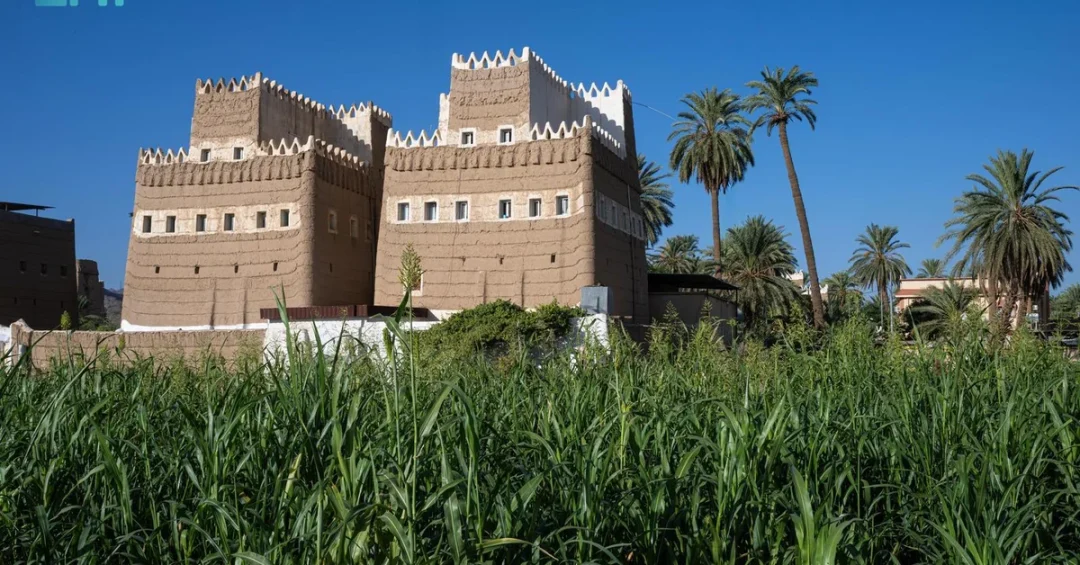
Najran’s distinctive mud houses, celebrated for their towering form and intricate decoration, stand as a living testament to the region’s rich history and architectural ingenuity, according to information released via the Saudi Press Agency (SPA). The official Saudi news agency reported in December 2024 that these structures reflect the skill and creativity of the Najran people, and that they have become a popular tourist attraction drawing visitors from far and wide. The harmonious blend of traditional architecture with the region’s natural beauty, including lush farms, green spaces, and towering palm trees, creates a captivating and picturesque landscape that has captured the attention of the SPA lens.
For international observers seeking to understand the cultural depth of the Kingdom of Saudi Arabia beyond its modern skylines, Najran offers a compelling window into a heritage that stretches back centuries. The mud houses are not merely relics; they are active symbols of identity, craftsmanship, and community memory. As Saudi Arabia advances its Vision 2030 objectives, such heritage sites play a vital role in diversifying tourism and showcasing the Kingdom’s authentic character to the world. How often does a single architectural tradition manage to embody both ancient wisdom and contemporary opportunity? In Najran, the answer is visible in every earthen wall and carved facade.
Context and Background
Najran, located in the southwestern part of Saudi Arabia near the border with Yemen, has long been a crossroads of civilizations, trade routes, and cultural exchange. The region’s mud houses, often rising several stories high, are constructed from locally sourced clay and earth, a building method that has proven remarkably durable in the desert climate. According to official Saudi sources, these structures are characterized by a unique style and intricate decorations that distinguish them from other traditional architectures in the Arabian Peninsula. The SPA report emphasizes that the houses are a testament to the region’s rich history, underscoring how generations of Najran residents have refined their building techniques over time.
The architectural ingenuity of Najran’s mud houses lies in their adaptive design. Thick earthen walls provide natural insulation against extreme heat, while small windows and strategic ventilation channels regulate airflow. Decorative elements, including geometric patterns and hand-carved motifs, often carry cultural or spiritual significance. These details are not merely ornamental; they tell stories of family lineage, social status, and artistic expression. Why do these earthen structures continue to inspire awe in an age of steel and glass? Because they represent a sustainable, climate-responsive approach to building that modern architects are only now rediscovering.
Beyond their physical attributes, the mud houses are embedded in a broader cultural landscape. The surrounding lush farms, green spaces, and towering palm trees create an oasis-like environment that has supported agriculture and settlement for centuries. This integration of architecture with nature is a hallmark of Najran’s heritage, and it is precisely this harmony that the Saudi Press Agency sought to highlight through its photographic coverage. For international audiences, the imagery offers a rare glimpse into a part of Saudi Arabia where tradition and natural beauty converge.
Key Details
The SPA report, released on December 7, 2024, describes the mud houses as “towering structures” that reflect the skill and creativity of the Najran people. The agency’s lens captured the essence of these buildings, emphasizing their architectural splendor alongside the serene natural surroundings. This official documentation serves multiple purposes: it preserves a visual record of heritage, promotes tourism, and reinforces national pride in regional traditions. The report does not specify the exact number of mud houses or their precise age, but it confirms their status as a significant cultural asset and a draw for visitors.
Key features of the mud houses include their multi-story construction, often reaching five to seven floors, which is unusual for earthen architecture in the region. The facades are typically adorned with white gypsum or lime plaster, creating striking geometric patterns that contrast with the warm brown of the mud. These decorations are applied in horizontal bands and around windows, serving both aesthetic and protective functions. Inside, the houses often feature communal spaces, storage areas, and rooftop terraces that offer panoramic views of the surrounding palm groves. Such design choices demonstrate a sophisticated understanding of both social needs and environmental conditions.
The SPA’s coverage also notes that the mud houses have become a popular tourist attraction. This is consistent with broader efforts by Saudi Arabia’s tourism authorities to promote lesser-known regions. Visitors to Najran can explore the old town areas where these houses are concentrated, gaining insight into traditional life and craftsmanship. Local guides and community members often participate in preservation and interpretation, ensuring that tourism benefits the local economy while respecting cultural heritage. What makes these houses so appealing to modern travelers? Their authenticity, their photogenic qualities, and the opportunity to experience a way of life that has endured for generations.
International and Regional Impact
From an international perspective, Najran’s mud houses contribute to Saudi Arabia’s growing reputation as a destination for cultural and heritage tourism. The Kingdom has long been known for religious pilgrimage, but Vision 2030 seeks to broaden the tourism sector by highlighting natural landscapes, archaeological sites, and traditional architecture. Najran’s mud houses fit perfectly into this strategy, offering a unique selling point that differentiates Saudi Arabia from other regional destinations. The SPA’s decision to spotlight these structures signals an official commitment to showcasing the Kingdom’s diverse cultural offerings to a global audience.
Regionally, the mud houses reinforce connections across the Arabian Peninsula, where similar earthen architecture can be found in Yemen, Oman, and parts of the United Arab Emirates. However, Najran’s distinct style and decorative richness set them apart. By preserving and promoting these houses, Saudi Arabia also strengthens its cultural diplomacy, demonstrating respect for its own heritage and encouraging cross-cultural dialogue. International media and travel publications have increasingly featured Najran as an off-the-beaten-path destination, and the SPA report adds authoritative weight to these portrayals. How does a local architectural tradition become a global symbol of heritage? Through consistent, official recognition and the genuine enthusiasm of visitors.
Economic and Strategic Significance
The economic potential of heritage tourism in Najran is significant. As more international flights connect Saudi cities and as visa processes become more accessible, regions like Najran stand to benefit from increased visitor spending. Local businesses, including hotels, restaurants, and handicraft shops, can thrive by catering to tourists interested in the mud houses and the surrounding natural attractions. The SPA report implicitly supports this by presenting the area as picturesque and captivating. Strategic investment in infrastructure, guided tours, and conservation would further unlock this potential while ensuring that development remains sustainable and culturally sensitive.
Moreover, the preservation of mud houses aligns with broader economic diversification goals. By creating jobs in tourism, construction restoration, and cultural management, the heritage sector contributes to reducing dependence on oil revenues. It also attracts entrepreneurs and creative industries that draw inspiration from traditional design. The Saudi government, through its various ministries and agencies, has consistently emphasized the importance of safeguarding cultural assets as part of national development. Najran’s mud houses are therefore not just a tourist attraction; they are a strategic asset in the Kingdom’s economic transformation.
Vision 2030 Alignment
Saudi Vision 2030, the comprehensive reform plan championed by Crown Prince Mohammed bin Salman, places a strong emphasis on culture, tourism, and quality of life. The preservation and promotion of Najran’s mud houses directly support these objectives. By investing in heritage sites, the Kingdom enhances its cultural offering, attracts international visitors, and fosters a sense of pride among citizens. The SPA’s coverage is a clear example of how official media channels contribute to the Vision by highlighting assets that might otherwise remain unknown to global audiences. This aligns with the Vision’s goal of increasing tourism’s contribution to GDP and creating a more diversified economy.
Furthermore, Vision 2030 includes a commitment to sustainable development and environmental stewardship. The mud houses of Najran embody sustainable building practices, using local materials and passive cooling techniques. Their preservation serves as a reminder that traditional knowledge can inform modern solutions to climate challenges. As Saudi Arabia continues to modernize, sites like these anchor the nation’s identity and connect its future to its past. In a world where rapid change often erases heritage, Najran’s mud houses stand tall as a symbol of timelessness, resilience, and the enduring creativity of the Saudi people.
20 Questions
Q1. What are Najran’s mud houses known for?
A1. They are known for their towering structures, unique architectural style, and intricate decorations that reflect the skill and creativity of the Najran people, as reported by the Saudi Press Agency.
Q2. Where is Najran located?
A2. Najran is a region in southwestern Saudi Arabia, near the border with Yemen, known for its rich history, cultural heritage, and distinctive earthen architecture.
Q3. Why are the mud houses considered a testament to history?
A3. They embody centuries of building traditions, adaptive design, and artistic expression, serving as a living record of the region’s cultural and architectural evolution.
Q4. What makes Najran’s mud houses a tourist attraction?
A4. Their architectural splendor, harmonious blend with lush farms and palm trees, and the opportunity to experience traditional life draw visitors from around the world.
Q5. How did the Saudi Press Agency cover the mud houses?
A5. The SPA captured their essence through photography, highlighting their architectural details and the serene natural surroundings in a report released in December 2024.
Q6. What materials are used to build the mud houses?
A6. They are constructed from locally sourced clay and earth, often reinforced with straw, and finished with white gypsum or lime plaster for decoration and protection.
Q7. How tall are typical mud houses in Najran?
A7. Many rise five to seven stories high, which is unusual for earthen architecture and demonstrates sophisticated engineering and design skills.
Q8. What decorative features do the houses have?
A8. They feature geometric patterns, hand-carved motifs, and white plaster bands around windows, which carry cultural significance and enhance visual appeal.
Q9. How do the mud houses handle the desert climate?
A9. Thick earthen walls provide insulation, while small windows and ventilation channels regulate airflow, keeping interiors cool in extreme heat.
Q10. Why are the mud houses important for Vision 2030?
A10. They support cultural tourism, economic diversification, and quality-of-life goals by attracting visitors and showcasing Saudi heritage to the world.
Q11. Are the mud houses still inhabited?
A11. Some are preserved as heritage sites, while others may still be used or maintained by local families, though the SPA report does not specify current occupancy.
Q12. What natural features surround the mud houses?
A12. Lush farms, green spaces, and towering palm trees create a picturesque oasis landscape that complements the architecture.
Q13. How can international tourists visit Najran’s mud houses?
A13. They can travel to Najran via domestic flights or roads, and join guided tours that explain the history and significance of the old town areas.
Q14. What is the significance of the SPA’s coverage?
A14. It provides official recognition, promotes tourism, and preserves a visual record of heritage, reinforcing national pride and cultural diplomacy.
Q15. Do the mud houses have any economic impact?
A15. Yes, they contribute to heritage tourism, creating jobs in hospitality, guiding, and restoration, and supporting local businesses in the region.
Q16. How does Najran’s architecture compare to other Saudi regions?
A16. Najran’s mud houses are distinct for their height, intricate plaster decoration, and integration with palm groves, setting them apart from other traditional styles.
Q17. What efforts are being made to preserve the mud houses?
A17. Official Saudi agencies and local communities work together on conservation, restoration, and responsible tourism development to protect the structures.
Q18. Can the mud houses inspire modern architecture?
A18. Absolutely. Their sustainable design, passive cooling, and use of local materials offer lessons for contemporary eco-friendly building practices.
Q19. What role do the mud houses play in Saudi culture?
A19. They symbolize identity, craftsmanship, and community memory, connecting present generations to their ancestors and enriching the Kingdom’s cultural tapestry.
Q20. What is the future outlook for Najran’s mud houses?
A20. With continued official support and growing tourism, they are poised to remain a cherished heritage attraction, contributing to Saudi Arabia’s Vision 2030 goals.
Reader Feedback
We value your thoughts. Please share your feedback on this article.
Your feedback helps us improve our coverage.
Related articles
 KSGAAL to Mark World Arabic Language Day at UN Headquarters
 Red Sea Film Festival Celebrates Women in Cinema
 Serbian Envoy Visits King Abdulaziz Falconry Festival 2024
 Finnish Ambassador Visits King Abdulaziz Falconry Festival
 Riyadh Philosophy Conference Concludes with Global Dialogue
 Young Saudi Designer Wejdan Al Faqiri Crafts AlUla-Inspired Fashion