


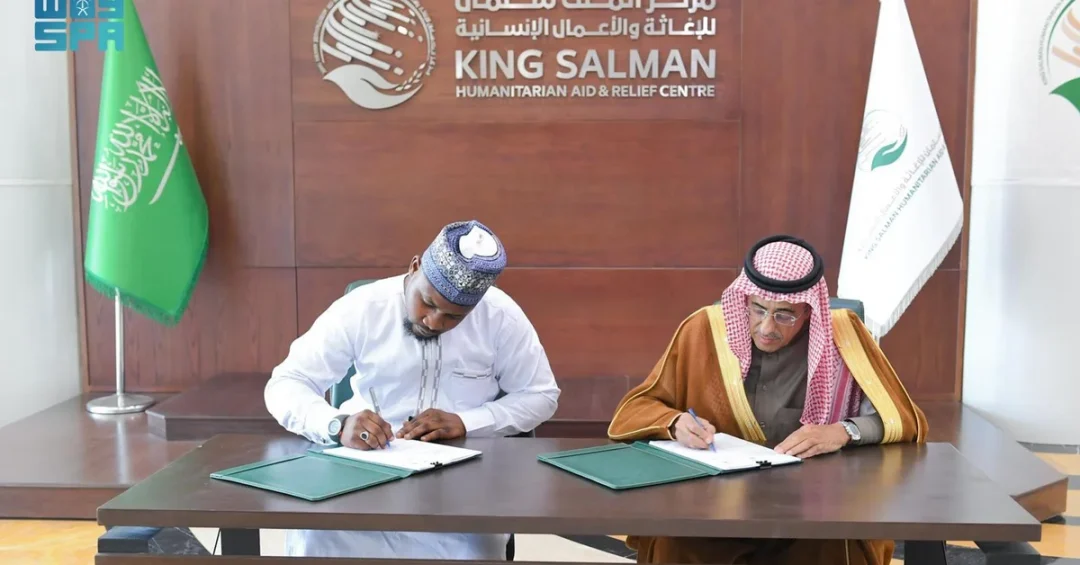
The King Salman Humanitarian Aid and Relief Center (KSrelief) signed an agreement on Thursday to drill 14 water wells in Ghana, a project set to provide clean water to more than 46,500 people across vulnerable communities. The agreement, announced by the Saudi Press Agency, covers five solar-powered wells and nine hand-pump wells, extending the Kingdom’s humanitarian reach deeper into West Africa.
The initiative forms part of Saudi Arabia’s broader global effort to improve living conditions and reduce disease in underserved regions. For a country that has positioned itself as a bridge between continents, the Ghana project underscores how Saudi humanitarian diplomacy operates alongside its economic and diplomatic ambitions. But why does a water well in West Africa matter to the wider world? Because access to clean water remains one of the most persistent drivers of poverty, illness, and instability, and targeted interventions like this one can transform entire communities.
Context and Background
How did KSrelief become one of the world’s most active humanitarian agencies? Established in 2015 by royal decree under the leadership of the Custodian of the Two Holy Mosques, King Salman bin Abdulaziz Al Saud, KSrelief was created to coordinate and expand Saudi Arabia’s humanitarian response globally. Since then, it has implemented thousands of projects in more than 90 countries, spanning food security, health, education, shelter, and water sanitation. Its mandate is rooted in the Kingdom’s longstanding tradition of charitable giving, but its operational model is decidedly modern: data-driven, partner-based, and aligned with international humanitarian standards.
Ghana, a West African nation of some 34 million people, has long faced challenges in rural water access. According to international development data, millions of Ghanaians still lack reliable access to safe drinking water, particularly in the northern and rural regions. Waterborne diseases such as cholera and typhoid remain recurring threats, and women and children often bear the heaviest burden, walking long distances to fetch water that is frequently unsafe. The new KSrelief project directly addresses these conditions by placing wells where they are needed most.
The agreement reflects a careful needs assessment. Five solar-powered wells will serve larger communities and institutions, using renewable energy to pump water without reliance on fuel or grid electricity. Nine hand-pump wells will serve smaller or more remote settlements, offering a low-maintenance solution that can be sustained locally. Together, the 14 wells are expected to serve more than 46,500 beneficiaries, a figure that illustrates the scale of impact possible through relatively focused investment.
Key Details of the Agreement
What exactly does the agreement deliver, and why were these technologies chosen? The five solar-powered wells represent a significant upgrade in sustainability. Solar pumping systems reduce long-term operating costs, eliminate fuel dependency, and align with global climate goals. In rural Ghana, where electricity access can be unreliable, solar wells offer a resilient solution that can operate for years with minimal intervention. The nine hand-pump wells, meanwhile, are a proven appropriate technology for smaller communities, requiring minimal training and maintenance while providing immediate access to groundwater.
The project is designed to reduce disease and improve daily life. Clean water near the household level reduces the incidence of waterborne illness, lowers infant mortality, and frees children, especially girls, to attend school rather than spend hours collecting water. Economically, reliable water access supports small-scale agriculture, livestock, and local enterprises, creating a foundation for broader community development.
KSrelief’s implementation approach typically involves close coordination with local authorities, community leaders, and technical partners to ensure that wells are sited correctly, constructed to standard, and maintained after handover. While the specific implementing partners for this Ghana project were not detailed in the initial announcement, the model is consistent with KSrelief’s established practice of working through vetted local and international organizations to deliver aid efficiently and transparently.
International and Regional Impact
How does this project fit into Saudi Arabia’s wider international role? Saudi Arabia has increasingly used humanitarian aid as a core component of its foreign policy, building goodwill and strengthening ties across Africa, Asia, and the Middle East. The Kingdom is a major donor to global humanitarian appeals and has consistently ranked among the top contributors to UN humanitarian agencies. The Ghana wells project is a concrete example of this strategy in action, extending Saudi influence through tangible improvements in daily life rather than through rhetoric alone.
For West Africa, the project arrives at a time when many countries are grappling with climate stress, population growth, and infrastructure gaps. Water scarcity is a regional concern that can fuel migration, conflict, and economic stagnation. By investing in water infrastructure, Saudi Arabia is contributing to stability and development in a region that is increasingly important to global trade and energy markets. The project also complements broader international efforts, including the UN Sustainable Development Goals, particularly Goal 6 on clean water and sanitation.
Diplomatically, the agreement reinforces Saudi Arabia’s position as a responsible global stakeholder. It demonstrates that the Kingdom’s Vision 2030 agenda is not only about domestic transformation but also about projecting a positive image abroad. For a non-Saudi audience, the takeaway is clear: Saudi humanitarian work is expanding, professionalizing, and reaching communities far beyond the Middle East.
Economic and Strategic Significance
Why does a humanitarian water project carry strategic weight? Beyond the immediate benefits to Ghanaian communities, the project supports Saudi Arabia’s long-term economic and diplomatic interests. Africa is a growing market and a key partner in the Kingdom’s diversification plans under Vision 2030. By building trust through humanitarian action, Saudi Arabia creates a foundation for stronger trade, investment, and political cooperation. The wells are not merely charity; they are an investment in relationships.
Water projects also align with Saudi Arabia’s own domestic expertise. The Kingdom has developed world-class capabilities in desalination, water management, and solar energy. Exporting these solutions, even in the form of aid, showcases Saudi technical competence and opens doors for future collaboration. The use of solar-powered pumps in Ghana echoes the Kingdom’s own massive investments in renewable energy, including the NEOM project and the Saudi Green Initiative.
From a global health perspective, clean water is one of the most cost-effective public health interventions available. Every dollar spent on water and sanitation yields significant returns in reduced healthcare costs and increased productivity. By funding these wells, Saudi Arabia is contributing to a cycle of improvement that can lift communities out of poverty over time.
Vision 2030 Alignment
How does drilling wells in Ghana connect to Saudi Arabia’s Vision 2030? At its core, Vision 2030 is about transforming Saudi Arabia into a more diversified, globally engaged, and forward-looking nation. That transformation includes a strong humanitarian dimension. The Kingdom’s leadership has repeatedly emphasized that Saudi Arabia’s prosperity is tied to global stability and shared development. KSrelief is a key instrument of this vision, projecting Saudi values of generosity and solidarity while building partnerships across continents.
The Ghana water project also reflects the Vision 2030 emphasis on sustainability and innovation. Solar-powered wells are a small but meaningful example of how Saudi-funded projects can incorporate clean energy and long-term thinking. As Saudi Arabia continues to expand its global role, initiatives like this one will remain central to its soft power and its reputation as a force for good. For the people of Ghana, the result is immediate: clean water, better health, and renewed hope. For Saudi Arabia, it is another step in a journey toward a more connected and influential future.
20 Questions
Q1. What organization signed the agreement to drill water wells in Ghana?
A1. The King Salman Humanitarian Aid and Relief Center (KSrelief) signed the agreement. KSrelief is Saudi Arabia’s primary humanitarian agency, established in 2015 to coordinate and deliver aid worldwide.
Q2. How many water wells will be drilled in Ghana?
A2. The project will drill 14 water wells in total. This includes five solar-powered wells and nine hand-pump wells, distributed across communities in need.
Q3. How many people will benefit from these wells?
A3. More than 46,500 people are expected to benefit from the clean water provided by the 14 wells. This figure reflects the direct impact on communities in Ghana.
Q4. What types of wells are included in the project?
A4. The project includes five solar-powered wells and nine hand-pump wells. The solar wells serve larger communities, while hand-pump wells are suited for smaller or remote settlements.
Q5. Why are solar-powered wells significant?
A5. Solar-powered wells use renewable energy to pump water, reducing operating costs and fuel dependency. They are sustainable, reliable, and align with global climate goals.
Q6. When was the agreement signed?
A6. The agreement was signed on Thursday, December 6, 2024, according to the Saudi Press Agency. The announcement was made from Riyadh.
Q7. What is the main goal of the project?
A7. The main goal is to provide clean water to vulnerable communities in Ghana, improving living conditions and reducing disease. It is part of Saudi Arabia’s broader humanitarian efforts.
Q8. How does this project fit into Saudi Arabia’s humanitarian efforts?
A8. It is part of the Kingdom’s ongoing global humanitarian initiatives. KSrelief has implemented thousands of projects in over 90 countries, focusing on water, health, food, and education.
Q9. What is KSrelief’s track record in Africa?
A9. KSrelief has implemented numerous projects across Africa, including water, food security, and health initiatives. The Ghana wells project continues this engagement in West Africa.
Q10. How does clean water reduce disease?
A10. Clean water reduces the incidence of waterborne diseases such as cholera and typhoid. It also lowers infant mortality and improves overall community health.
Q11. What economic benefits do water wells bring?
A11. Reliable water access supports agriculture, livestock, and small businesses. It frees time for education and work, helping communities build stronger local economies.
Q12. Are these wells part of a larger Saudi initiative?
A12. Yes, they are part of Saudi Arabia’s broader humanitarian strategy under Vision 2030. The Kingdom aims to project global leadership through aid and development.
Q13. How does this project align with Vision 2030?
A13. Vision 2030 emphasizes global engagement and sustainability. The solar-powered wells reflect innovation and environmental responsibility, aligning with the vision’s forward-looking goals.
Q14. What role does the Saudi Press Agency play?
A14. The Saudi Press Agency (SPA) is the official state news agency. It announced the agreement, providing verified information to the public and media.
Q15. Will local communities maintain the wells?
A15. KSrelief typically works with local partners to ensure maintenance. Hand-pump wells are designed for community-level upkeep, while solar systems require technical support.
Q16. How does this project affect Saudi-Ghana relations?
A16. It strengthens bilateral ties by demonstrating Saudi Arabia’s commitment to Ghana’s development. Such projects build goodwill and open doors for further cooperation.
Q17. What is the expected timeline for the project?
A17. The announcement did not specify a timeline. KSrelief projects typically begin implementation soon after signing, with completion depending on local conditions.
Q18. How does this project reflect Saudi Arabia’s global role?
A18. It showcases Saudi Arabia as a responsible global donor. The Kingdom uses humanitarian aid to build partnerships and promote stability beyond the Middle East.
Q19. What other sectors does KSrelief support in Ghana?
A19. KSrelief supports various sectors globally, including food security, health, education, and shelter. In Ghana, water is the focus of this particular agreement.
Q20. What is the broader significance of this agreement?
A20. It highlights Saudi Arabia’s expanding humanitarian reach and its commitment to sustainable development. For Ghana, it means clean water and better health for thousands.
Reader Feedback
We value your thoughts. Please share your feedback on this article.
Your feedback helps us improve our coverage.
Related articles
 GCC Chief Meets US Official at Manama Dialogue
 KSrelief-Funded Ambulance Team in Lebanon Completes 54 Missions
 KSrelief Clinics Treat 2,674 Refugees in Jordan’s Zaatari Camp
 GCC Chief Meets China Envoy on Free Trade, Regional Peace
 GCC Chief Meets Australia Minister at Manama Dialogue
 Saudi Arabia, Hong Kong Sign MoU to Boost Customs Cooperation