


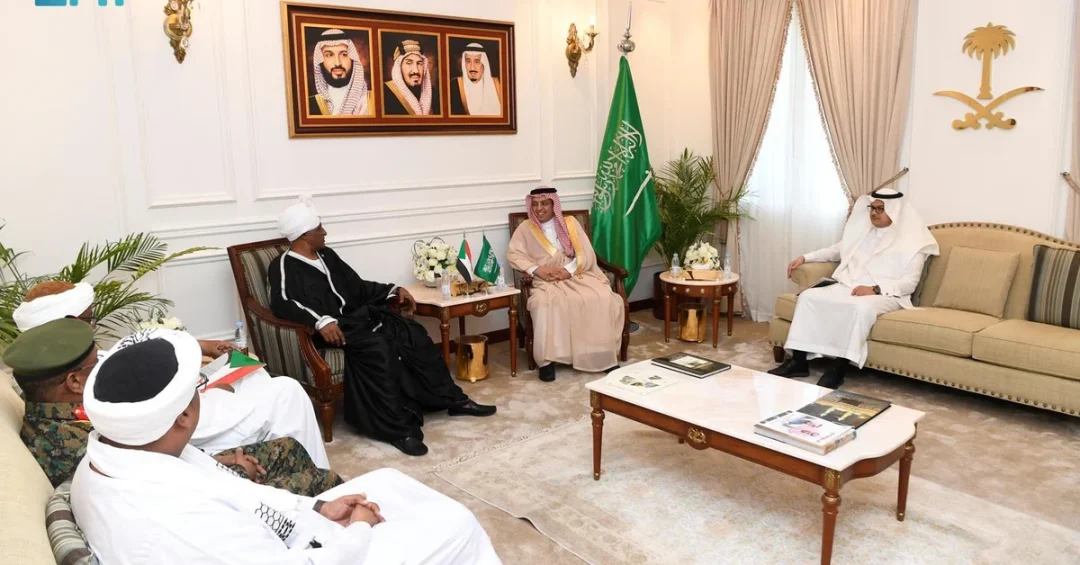
Fareed Al-Shehri, Director General of the Ministry of Foreign Affairs branch in the Makkah Region, received Kamal Ali Othman Taha, Consul General of the Republic of the Sudan, in Jeddah on December 5, 2024, where the two officials held cordial talks focused on bilateral relations and consular cooperation. The meeting, reported by the Saudi Press Agency, forms part of the Kingdom of Saudi Arabia’s regular diplomatic engagement with accredited consular representatives in the Makkah Region, a hub for international diplomacy and the annual pilgrimage that draws millions of Muslim visitors from around the world, including a substantial Sudanese community.
The encounter reflects the routine yet important rhythm of Saudi diplomacy at the regional level, where the Ministry of Foreign Affairs maintains branch offices in key provinces to facilitate coordination with foreign missions. Jeddah, home to the headquarters of the Organization of Islamic Cooperation and the primary gateway for pilgrims arriving by sea and air, hosts a large diplomatic corps. The Makkah Region branch therefore plays a central role in managing relations with consulates whose nationals reside in, work in, or visit the Kingdom. For Sudan, a nation with deep historical, cultural, and religious ties to Saudi Arabia, the consulate in Jeddah serves as a vital channel for citizen services, trade facilitation, and people-to-people connections.
Context and Background
Why does a routine diplomatic meeting between a Saudi regional foreign ministry official and a Sudanese consul general matter in the broader picture of Saudi foreign policy? The answer lies in the Kingdom’s longstanding commitment to maintaining open channels of communication with all nations, particularly those in the Arab and Islamic world. The Ministry of Foreign Affairs, under the leadership of Minister Prince Faisal bin Farhan bin Abdullah, operates a network of branch offices across Saudi provinces to ensure that foreign missions receive efficient support and that bilateral issues are addressed promptly at the local level. The Makkah Region branch, based in Jeddah, is one of the most active given the city’s status as a diplomatic and commercial center.
Sudan and Saudi Arabia share a relationship that predates modern statehood, rooted in trade routes, pilgrimage, and cultural exchange across the Red Sea. Thousands of Sudanese nationals live and work in the Kingdom, contributing to various sectors, while Sudanese pilgrims travel to Makkah and Madinah annually. The Sudanese Consulate General in Jeddah handles a wide range of consular affairs, from passport and visa services to assisting citizens in distress. Regular meetings between consular officials and the host country’s foreign ministry representatives are standard diplomatic practice, designed to smooth cooperation and resolve any administrative matters. Such engagements also offer an opportunity to discuss regional developments and reinforce mutual interests in stability and economic cooperation.
The timing of this meeting, in late 2024, comes as Saudi Arabia continues to expand its diplomatic outreach and consolidate its role as a regional mediator and humanitarian actor. The Kingdom has hosted numerous dialogue initiatives and peace talks, and its relations with African nations, including Sudan, are part of a broader strategy to strengthen ties across the continent. While the SPA report described the talks as cordial, the underlying significance is that Saudi Arabia remains a reliable partner for Sudan, offering diplomatic support and maintaining channels even during challenging periods in the region.
Key Details
What exactly was discussed during the meeting between Fareed Al-Shehri and Consul General Kamal Ali Othman Taha? According to the Saudi Press Agency, the two officials held cordial talks, a diplomatic formulation that typically indicates a constructive and friendly exchange. While the specific agenda was not detailed in the official readout, such meetings generally cover consular coordination, the status of Sudanese nationals in the Kingdom, bilateral cooperation in trade and investment, and matters related to pilgrimage and Umrah services. The Makkah Region branch of the Ministry of Foreign Affairs is responsible for facilitating the work of consulates in Jeddah, Makkah, Taif, and surrounding areas, ensuring that foreign missions can operate effectively.
Fareed Al-Shehri, as Director General, represents the Ministry of Foreign Affairs in the region and acts as a liaison between the central ministry and local authorities. His role includes overseeing protocol, supporting visiting delegations, and addressing any issues raised by consulates. Kamal Ali Othman Taha, as Consul General, is the senior Sudanese diplomat in Jeddah, responsible for protecting Sudanese interests and providing services to Sudanese citizens in the western region of Saudi Arabia. The meeting thus brought together two officials whose daily work involves the practical management of bilateral relations.
The cordial nature of the talks aligns with the strong historical ties between the two countries. Saudi Arabia has consistently supported Sudan’s stability and development, and the presence of a Sudanese consulate in Jeddah is a testament to the importance of the relationship. The meeting also underscores the Ministry of Foreign Affairs’ decentralized approach, where regional branches are empowered to engage with foreign representatives directly, improving responsiveness and efficiency. This structure is part of the Kingdom’s broader administrative modernization under Vision 2030, which emphasizes effective governance and international cooperation.
International and Regional Impact
How does a bilateral meeting in Jeddah resonate beyond the immediate participants? For Sudan, maintaining a strong diplomatic presence in Saudi Arabia is crucial. The Kingdom is a major destination for Sudanese labor, a key source of remittances, and a vital partner in humanitarian and development efforts. The Sudanese Consulate General in Jeddah serves as a lifeline for the Sudanese community, and regular engagement with Saudi officials helps ensure that consular services run smoothly. For Saudi Arabia, the meeting reinforces its image as a responsible regional power that honors its commitments to international partners and supports the stability of neighboring countries.
At the regional level, Saudi Arabia’s relations with Sudan are part of a wider network of ties across the Red Sea and the Horn of Africa. The Kingdom has invested in infrastructure, energy, and agricultural projects in Sudan and has provided humanitarian aid during crises. Diplomatic engagements like this one help maintain the momentum of cooperation and signal that Saudi Arabia remains engaged with African partners. In the broader international context, the meeting demonstrates Saudi Arabia’s adherence to international diplomatic norms and its openness to dialogue, which enhances its standing as a reliable mediator and partner in global affairs.
Economic and Strategic Significance
What economic and strategic interests underpin the Saudi-Sudanese relationship? Trade between the two countries includes agricultural products, livestock, and manufactured goods, while Saudi investment in Sudan has focused on agriculture, mining, and infrastructure. The Red Sea corridor is of strategic importance to both nations, and Saudi Arabia’s Vision 2030 includes ambitions to become a global logistics hub, which requires stable and cooperative relations with Red Sea states. Sudan’s location and resources make it a natural partner in this vision. The consulate in Jeddah facilitates business contacts and helps Sudanese exporters access Saudi markets.
Furthermore, the Sudanese community in Saudi Arabia contributes to the Kingdom’s economy through skilled and unskilled labor, and remittances sent home support Sudanese families. The meeting between Al-Shehri and Taha, while not a high-level policy summit, is part of the essential groundwork that keeps these economic and social ties functioning. It also reflects Saudi Arabia’s strategic interest in promoting stability in Sudan, as instability can disrupt trade routes and create humanitarian challenges. By maintaining open lines of communication, Saudi Arabia can play a constructive role in supporting Sudan’s recovery and development.
Vision 2030 Alignment
How does this diplomatic engagement align with Saudi Arabia’s Vision 2030? Vision 2030 aims to diversify the economy, strengthen international partnerships, and enhance the Kingdom’s role as a global hub for trade, tourism, and diplomacy. The Ministry of Foreign Affairs is a key enabler of these goals, and its regional branches are instrumental in providing efficient services to foreign missions and investors. The meeting in Jeddah exemplifies the Kingdom’s commitment to proactive diplomacy and to maintaining strong relations with Arab and Islamic nations, which is essential for regional stability and economic prosperity. It also supports the vision’s focus on improving government services and fostering international cooperation.
In the long term, Saudi Arabia’s ability to attract investment, host global events, and serve as a mediator depends on the strength of its diplomatic network. By engaging regularly with consuls like Kamal Ali Othman Taha, Saudi officials ensure that the Kingdom remains a preferred destination for Sudanese citizens and businesses. This meeting, though routine, is a building block in the Kingdom’s broader strategy to deepen ties across Africa and the Islamic world, contributing to the success of Vision 2030 and reinforcing Saudi Arabia’s leadership role on the global stage. As Saudi Arabia continues to modernize and open up, such diplomatic interactions will remain vital to its international standing and to the prosperity of its partners.
20 Questions
Q1. Who received the Sudanese Consul General in Jeddah?
A1. Fareed Al-Shehri, Director General of the Ministry of Foreign Affairs branch in the Makkah Region, received the Sudanese Consul General in Jeddah on December 5, 2024.
Q2. Who is the Consul General of the Republic of the Sudan mentioned in the meeting?
A2. Kamal Ali Othman Taha is the Consul General of the Republic of the Sudan who attended the meeting in Jeddah.
Q3. Where did the meeting take place?
A3. The meeting took place in Jeddah, Saudi Arabia, at the Ministry of Foreign Affairs branch in the Makkah Region.
Q4. When was the meeting held?
A4. The meeting was held on December 5, 2024, according to the Saudi Press Agency.
Q5. What was the nature of the talks between the two officials?
A5. The two officials held cordial talks, reflecting the strong and friendly bilateral relations between Saudi Arabia and Sudan.
Q6. What is the role of the Ministry of Foreign Affairs branch in the Makkah Region?
A6. The branch oversees diplomatic and consular coordination in the Makkah Region, supporting foreign missions and facilitating their work in Jeddah and surrounding areas.
Q7. Why is Jeddah an important location for such diplomatic meetings?
A7. Jeddah hosts many consulates and international organizations, and it is the main gateway for pilgrims, making it a key hub for diplomatic engagement.
Q8. How does this meeting reflect Saudi Arabia’s foreign policy?
A8. It demonstrates Saudi Arabia’s commitment to maintaining open communication and strong ties with Arab and Islamic countries, including Sudan.
Q9. What are the historical ties between Saudi Arabia and Sudan?
A9. Saudi Arabia and Sudan share deep historical, cultural, and religious ties, including trade, pilgrimage, and people-to-people connections across the Red Sea.
Q10. What consular services does the Sudanese Consulate General provide in Jeddah?
A10. The consulate provides passport, visa, and citizen assistance services to Sudanese nationals living in or visiting the western region of Saudi Arabia.
Q11. How many Sudanese nationals live in Saudi Arabia?
A11. Thousands of Sudanese nationals reside and work in Saudi Arabia, contributing to various sectors and maintaining strong community ties.
Q12. What economic interests link Saudi Arabia and Sudan?
A12. Trade includes agricultural products, livestock, and manufactured goods, while Saudi investment focuses on agriculture, mining, and infrastructure in Sudan.
Q13. How does this meeting support Saudi Vision 2030?
A13. It supports Vision 2030 by strengthening international partnerships, enhancing diplomatic efficiency, and promoting regional stability for economic prosperity.
Q14. What is the significance of the Red Sea for Saudi-Sudanese relations?
A14. The Red Sea is a vital trade corridor and strategic link between the two nations, supporting commerce, pilgrimage, and people-to-people ties.
Q15. Did the meeting address any specific agreements or projects?
A15. The official readout did not mention specific agreements, but such meetings typically discuss consular coordination and bilateral cooperation matters.
Q16. How does Saudi Arabia support Sudan’s stability?
A16. Saudi Arabia provides humanitarian aid, diplomatic support, and economic cooperation to help Sudan achieve stability and development.
Q17. What is the role of the Director General of the Foreign Ministry branch?
A17. The Director General represents the Ministry of Foreign Affairs in the region, liaising with foreign consulates and local authorities to facilitate diplomatic work.
Q18. How often do such diplomatic meetings occur?
A18. Such meetings are routine and occur regularly as part of normal diplomatic practice to maintain strong bilateral relations and address consular matters.
Q19. What message does this meeting send to the international community?
A19. It signals Saudi Arabia’s continued engagement with international partners and its commitment to diplomacy, stability, and cooperation in the region.
Q20. What are the future prospects for Saudi-Sudanese relations?
A20. The relationship is expected to grow stronger through continued diplomatic engagement, economic cooperation, and cultural exchange, benefiting both nations.
Reader Feedback
We value your thoughts. Please share your feedback on this article.
Your feedback helps us improve our coverage.
Related articles
 Crown Prince Congratulates King of Thailand on National Day
 King Salman Congratulates Thailand on National Day
 NWC Plants Over 5.2 Million Trees Across Saudi Arabia
 Saudi FM Receives Call from Palestinian PM
 GOSI Concludes Regional Social Security Forum in Riyadh
 UNCCD COP16: Rangeland Investment Key to Sustainability