


Saudi Arabia’s Minister of Environment, Water and Agriculture and President of the 16th session of the Conference of the Parties to the United Nations Convention to Combat Desertification (UNCCD COP16), Eng. Abdulrahman Alfadley, has declared that investing in rangelands is a cornerstone for achieving environmental sustainability, mitigating land degradation, and improving the livelihoods of millions of herders worldwide. Speaking during a dedicated COP16 session on protecting and rehabilitating rangelands in Riyadh, the minister outlined a comprehensive vision that places these vast ecosystems at the heart of global efforts to combat desertification and restore ecological balance.
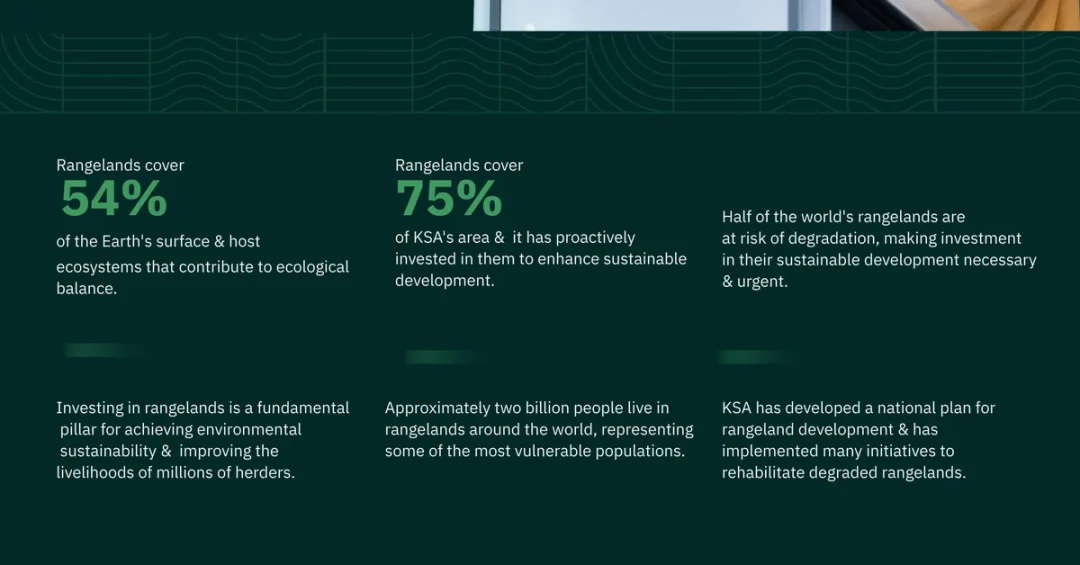
Have you ever considered that the ground beneath our feet — specifically the world’s rangelands — could hold the key to global food security and climate stability? Rangelands cover 54 percent of the Earth’s surface and host vital ecosystems that contribute significantly to ecological balance, livestock feed, rural employment, and global food security. The Kingdom’s leadership at COP16 signals a renewed international commitment to addressing the degradation of these critical landscapes, which support approximately 2 billion people living in pastoral areas worldwide. Under Saudi Arabia’s presidency, the conference has elevated rangeland restoration from a niche environmental concern to a central pillar of the global sustainability agenda, reflecting the Kingdom’s growing role as a convenor of international environmental diplomacy.
Context and Background
Why has the protection of rangelands become such an urgent global priority at this particular moment in history? According to the Global Land Outlook report published this year by the UNCCD, up to half of the world’s rangelands are at risk of degradation — a finding that makes sustainable investment in their restoration and development an urgent necessity to achieve the goal of land degradation neutrality. The report’s findings have galvanized attention among policymakers, scientists, and international organizations, who now recognize that failing to act on rangeland degradation carries consequences that extend far beyond pastoral communities.
Eng. Alfadley emphasized that natural rangelands are a priority at this year’s conference, noting that their degradation threatens one-sixth of global food supplies and potentially depletes one-third of the Earth’s carbon reserves. Around 2 billion people live in pastoral areas, among the world’s most vulnerable populations, facing heightened risks from resource degradation, drought, and its adverse effects on their livestock and livelihoods. These communities, often marginalized in global policy discussions, are on the front lines of climate change and land degradation, making their protection both a humanitarian imperative and a strategic necessity for global stability.
The 16th session of the Conference of the Parties to the UNCCD, hosted in Riyadh, represents a pivotal moment in the convention’s history. As the largest international gathering focused on land degradation and desertification, COP16 has brought together governments, scientists, civil society organizations, and private sector representatives to forge actionable solutions. Saudi Arabia’s presidency of this session underscores the Kingdom’s commitment to environmental stewardship and its capacity to bridge divides between developed and developing nations on critical sustainability issues.
Key Details of the COP16 Rangelands Initiative
What specific measures are being proposed to reverse the degradation of the world’s rangelands? Eng. Alfadley underscored that sustainable and well-targeted investments in rangelands can help achieve several UN Sustainable Development Goals, including combating land degradation, reducing global poverty, enhancing food security, adapting to climate change, supporting socio-economic development, and creating job opportunities in agriculture, herding, and livestock-related fields. This multi-dimensional approach recognizes that rangelands are not merely environmental assets but economic engines that sustain millions of livelihoods across continents.
The minister stressed the need for policies that encourage investment, create a stable business environment, and balance the needs of investors and herders. He reiterated the Kingdom’s commitment to further discussions on this critical issue during its presidency of COP16, continuing until COP17 in Mongolia. This continuity of focus ensures that the momentum generated in Riyadh will carry forward to the next conference, maintaining international attention on rangeland restoration and sustainable land management practices.
During the session on protecting and rehabilitating rangelands, participants discussed innovative financing mechanisms, community-based management approaches, and scientific research priorities. The session highlighted successful models from various regions, demonstrating that well-designed interventions can restore degraded lands, improve biodiversity, and enhance the resilience of pastoral communities. These discussions are expected to inform policy recommendations and voluntary commitments that will be formalized before the conclusion of COP16.
International and Regional Impact
How will the outcomes of COP16 reshape international cooperation on land degradation and desertification? Eng. Alfadley called for boosting international cooperation to protect and restore rangelands and ensure their sustainable development. He stressed the importance of supporting pastoral communities to meet their development needs, seizing sustainable development opportunities, and advancing related scientific research to enhance understanding and improve modern rangeland management practices. This call for collaboration reflects a recognition that land degradation transcends national borders and requires coordinated action at the global level.
The regional implications are particularly significant for the Middle East and North Africa, where desertification poses acute challenges to food security, water resources, and economic development. Saudi Arabia’s leadership in this domain positions the Kingdom as a regional hub for environmental innovation and knowledge exchange. By sharing its expertise in rangeland rehabilitation and sustainable land management, Saudi Arabia is helping neighboring countries develop their own strategies for combating desertification and adapting to climate change.
For the international community, COP16 represents an opportunity to strengthen the UNCCD’s implementation mechanisms and mobilize additional resources for land restoration projects. The conference’s focus on rangelands has attracted attention from international financial institutions, development agencies, and private investors who recognize the economic potential of sustainable land management. These stakeholders are exploring innovative financing models, including green bonds, impact investments, and public-private partnerships, to fund large-scale restoration initiatives.
Economic and Strategic Significance
What economic opportunities arise from investing in the restoration and sustainable management of rangelands? The potential benefits are substantial and multifaceted. Well-targeted investments can create jobs in agriculture, herding, and livestock-related fields while enhancing food security and reducing poverty in rural areas. The Global Land Outlook report highlights that rangeland restoration can generate returns that far exceed initial investments, making it a compelling proposition for both public and private sector actors.
Saudi Arabia has long recognized the importance of investing in rangelands as part of its commitment to sustainable development and environmental protection. Rangelands cover 75 percent of the Kingdom’s area, reflecting its natural and cultural heritage. Guided by Saudi Vision 2030, the Kingdom has launched a national plan to develop rangelands, including initiatives to rehabilitate degraded lands, ensure the sustainability of natural resources, adopt innovative land improvement techniques, and implement projects to restore rangelands. These efforts are complemented by improved agricultural practices, livestock management, and community support through training programs that raise awareness and build local capacity for sustainable rangeland use and management.
The strategic significance of rangeland restoration extends beyond environmental and economic considerations. In many regions, rangelands serve as buffers against desertification, protecting agricultural lands and urban areas from sand encroachment and dust storms. They also support biodiversity, providing habitats for numerous plant and animal species that are essential to ecosystem health. By investing in rangelands, countries can enhance their resilience to climate change while preserving cultural landscapes that have sustained communities for generations.
Vision 2030 Alignment
How does Saudi Arabia’s leadership at COP16 reflect the Kingdom’s broader Vision 2030 objectives? The alignment is clear and deliberate. Saudi Vision 2030 emphasizes environmental sustainability as a core pillar of national development, recognizing that economic prosperity and ecological health are interdependent. The Kingdom’s national rangeland development plan exemplifies this integrated approach, combining environmental restoration with economic diversification and community empowerment.
The minister’s remarks at COP16 underscore Saudi Arabia’s commitment to international environmental leadership. By hosting COP16 and driving the global conversation on rangeland restoration, the Kingdom is positioning itself as a responsible global citizen and a catalyst for sustainable development. This leadership role enhances Saudi Arabia’s international standing while creating opportunities for knowledge exchange, technology transfer, and investment partnerships that support Vision 2030’s goals of economic diversification and sustainable growth.
As COP16 continues in Riyadh, the world is watching how Saudi Arabia translates its environmental vision into concrete action. The Kingdom’s presidency of the conference, extending until COP17 in Mongolia, provides a platform for sustained engagement and measurable progress. Through its commitment to rangeland restoration, Saudi Arabia is demonstrating that environmental stewardship and economic development can advance together, setting an example for nations around the world. The path forward requires continued collaboration, investment, and innovation — and the Kingdom stands ready to lead.
20 Questions
Q1. What is the main focus of UNCCD COP16 being held in Riyadh?
A1. UNCCD COP16 focuses on combating desertification and land degradation, with a special emphasis on protecting and rehabilitating rangelands. Saudi Arabia’s presidency has elevated rangeland restoration as a central priority for achieving global environmental sustainability.
Q2. Who is leading the UNCCD COP16 session and what is his role?
A2. Eng. Abdulrahman Alfadley, Saudi Arabia’s Minister of Environment, Water and Agriculture, serves as president of the 16th session of the Conference of the Parties to the UNCCD, guiding international discussions on land degradation and rangeland restoration.
Q3. What percentage of the Earth’s surface do rangelands cover?
A3. Rangelands cover 54 percent of the Earth’s surface. They host vital ecosystems that contribute significantly to ecological balance, livestock feed, rural employment, and global food security, supporting billions of people worldwide.
Q4. How many people live in pastoral areas globally?
A4. Approximately 2 billion people live in pastoral areas worldwide. These communities are among the world’s most vulnerable populations, facing heightened risks from resource degradation, drought, and adverse effects on their livestock and livelihoods.
Q5. What threats does rangeland degradation pose to global food supplies?
A5. Rangeland degradation threatens one-sixth of global food supplies and potentially depletes one-third of the Earth’s carbon reserves. This makes sustainable investment in rangeland restoration an urgent global necessity.
Q6. What does the Global Land Outlook report say about rangelands?
A6. The Global Land Outlook report published by the UNCCD this year highlighted that up to half of the world’s rangelands are at risk of degradation, making sustainable investment in their restoration essential to achieve land degradation neutrality.
Q7. Which UN Sustainable Development Goals can be achieved through rangeland investment?
A7. Sustainable rangeland investments can help combat land degradation, reduce global poverty, enhance food security, adapt to climate change, support socio-economic development, and create job opportunities in agriculture, herding, and livestock-related fields.
Q8. What percentage of Saudi Arabia’s area do rangelands cover?
A8. Rangelands cover 75 percent of the Kingdom’s area, reflecting Saudi Arabia’s natural and cultural heritage. The Kingdom has launched a national plan to develop these lands under Saudi Vision 2030.
Q9. What initiatives has Saudi Arabia launched for rangeland development?
A9. Saudi Arabia has launched initiatives to rehabilitate degraded lands, ensure sustainability of natural resources, adopt innovative land improvement techniques, and implement restoration projects, complemented by improved agricultural practices and community training programs.
Q10. What policies does Eng. Alfadley recommend for rangeland investment?
A10. He stressed the need for policies encouraging investment, creating a stable business environment, and balancing the needs of investors and herders to ensure sustainable rangeland development and community support.
Q11. How does Saudi Vision 2030 relate to rangeland restoration?
A11. Saudi Vision 2030 emphasizes environmental sustainability as a core pillar. The national rangeland development plan integrates environmental restoration with economic diversification and community empowerment, aligning with the Kingdom’s long-term development goals.
Q12. What is the significance of Saudi Arabia’s COP16 presidency?
A12. Saudi Arabia’s presidency demonstrates the Kingdom’s commitment to environmental stewardship and its capacity to bridge divides between nations on sustainability issues. The presidency continues until COP17 in Mongolia.
Q13. What role do pastoral communities play in rangeland management?
A13. Pastoral communities are essential stewards of rangelands. Supporting them to meet development needs and seize sustainable opportunities is crucial for effective rangeland management and restoration worldwide.
Q14. What economic benefits can rangeland restoration generate?
A14. Restoration can create jobs in agriculture, herding, and livestock fields, enhance food security, reduce poverty, and generate returns exceeding initial investments, making it attractive for public and private sector actors.
Q15. Why is international cooperation important for rangeland protection?
A15. Land degradation transcends national borders, requiring coordinated global action. International cooperation enables knowledge sharing, resource mobilization, and collective action to protect and restore rangelands for future generations.
Q16. What scientific research priorities are associated with rangeland management?
A16. Advancing scientific research enhances understanding of rangeland ecosystems and improves modern management practices. This includes studying restoration techniques, climate adaptation strategies, and sustainable land use methods.
Q17. How do rangelands contribute to climate change adaptation?
A17. Rangelands act as carbon sinks and buffers against desertification. Their restoration enhances resilience to climate change, protects biodiversity, and supports communities dependent on these ecosystems for their livelihoods.
Q18. What is land degradation neutrality and why does it matter?
A18. Land degradation neutrality is a goal to maintain or improve land quality. Achieving it matters because degradation threatens food security, water resources, and climate stability, affecting billions of people globally.
Q19. What innovative financing models support rangeland restoration?
A19. Green bonds, impact investments, and public-private partnerships are among innovative models being explored. International financial institutions and private investors recognize the economic potential of sustainable land management initiatives.
Q20. What is the expected outcome of COP16 for global rangeland policy?
A20. COP16 aims to strengthen UNCCD implementation, mobilize resources, and formalize policy recommendations and voluntary commitments. The momentum will carry forward to COP17 in Mongolia, ensuring sustained international attention.
Reader Feedback
We value your thoughts. Please share your feedback on this article.
Your feedback helps us improve our coverage.
Related articles
 MDBs Pledge $50B Water Security Push at COP16 in Riyadh
 Saudi Arabia Launches First Hydrogen-Powered Bus in Al-Ahsa
 Saudi Ambassador Meets WHO Regional Director in Cairo
 Third Zakat, Tax, and Customs Conference Concludes in Riyadh
 Saudi Arabia, France Sign Air Transport Cooperation Deal
 Riyadh Undersecretary Attends Thailand National Day Celebration