


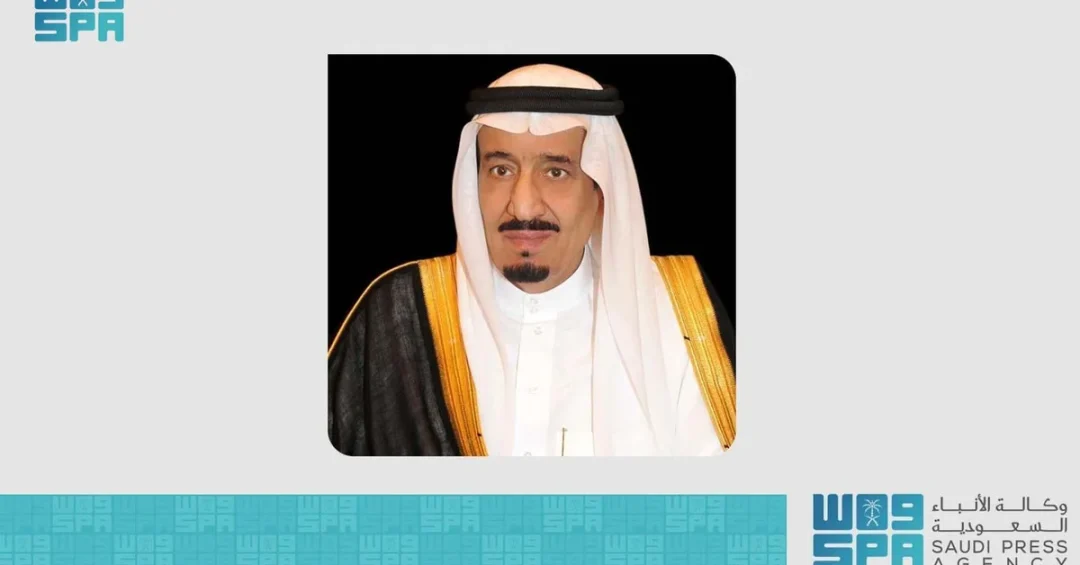
The Custodian of the Two Holy Mosques King Salman bin Abdulaziz Al Saud has sent a cable of congratulations to King Maha Vajiralongkorn of the Kingdom of Thailand on the occasion of Thailand’s National Day, according to the Saudi Press Agency. The message, released on December 5, 2024, conveyed the King’s warm wishes for the Thai monarch’s continued good health and happiness, as well as steady progress and prosperity for the government and people of Thailand. The cable reflects the enduring diplomatic courtesy that underpins relations between Riyadh and Bangkok, two nations whose ties have deepened significantly in recent years across political, economic, and cultural domains.
The congratulatory message comes at a time when Saudi-Thai relations are experiencing a renaissance, following the full restoration of diplomatic ties in 2022 after more than three decades of suspension. Since then, the two kingdoms have pursued a robust agenda of cooperation, including high-level visits, trade agreements, and people-to-people exchanges. The King’s gesture is more than a ceremonial formality; it signals Saudi Arabia’s continued commitment to nurturing partnerships with friendly nations across Asia and beyond. As the international community observes these exchanges, the question arises: how do such diplomatic courtesies translate into tangible benefits for both nations and for regional stability?
Context and Background
Thailand’s National Day, celebrated annually on December 5, commemorates the birthday of King Bhumibol Adulyadej, the late father of King Maha Vajiralongkorn, and is also observed as Father’s Day in the kingdom. The occasion holds deep significance for Thai citizens and serves as a moment for international partners to reaffirm their bonds of friendship. Saudi Arabia’s decision to send a formal cable of congratulations underscores the importance Riyadh attaches to its relationship with Thailand, a key partner in Southeast Asia and a member of the Association of Southeast Asian Nations (ASEAN).
The restoration of Saudi-Thai diplomatic relations in January 2022 marked a historic turning point. During the visit of Thailand’s Prime Minister Prayut Chan-o-cha to Riyadh, the two countries agreed to fully normalize ties, ending a suspension that had lasted since the early 1990s. The rapprochement was followed by a series of reciprocal visits, including Crown Prince Mohammed bin Salman’s trip to Bangkok in November 2022 to attend the APEC Economic Leaders’ Meeting. These engagements have laid the groundwork for cooperation in trade, investment, tourism, energy, and labor.
In the years since normalization, Saudi Arabia and Thailand have signed numerous memoranda of understanding and established joint committees to advance shared interests. The Saudi Fund for Development has financed infrastructure projects in Thailand, while Thai companies have explored opportunities in the Kingdom’s rapidly growing economy. The exchange of congratulatory messages on national occasions has become a regular feature of this revitalized relationship, symbolizing mutual respect and a shared vision for a prosperous future. But what specific sectors stand to gain the most from this deepening partnership?
Key Details of the Congratulatory Message
The cable sent by King Salman was addressed directly to King Maha Vajiralongkorn, also known as King Rama X, who ascended the throne in 2016. In the message, the Custodian of the Two Holy Mosques expressed his sincere wishes for the Thai monarch’s continued good health and happiness, and for the government and people of Thailand to enjoy steady progress and prosperity. The wording follows the traditional diplomatic language used in such communications, reflecting the high esteem in which Saudi Arabia holds the Thai leadership and people.
While the content of the cable is concise, its significance should not be underestimated. Diplomatic congratulations of this nature are carefully crafted to convey respect, goodwill, and a desire to strengthen bilateral relations. They are also a means of reaffirming shared values and common aspirations. In this case, the message highlights the personal rapport between the two monarchs and the mutual respect between their nations. It also serves as a reminder of the importance Saudi Arabia places on maintaining active and friendly relations with countries across the globe.
The Saudi Press Agency reported the cable on December 5, 2024, at 15:00 local time (12:00 GMT), ensuring that the message reached both domestic and international audiences. The timing of the release, on the very day of Thailand’s National Day, demonstrates Saudi Arabia’s attentiveness to its diplomatic obligations and its commitment to timely and respectful engagement with partner nations. Such gestures, though routine in the world of diplomacy, contribute to the broader tapestry of international relations that Saudi Arabia is weaving under the guidance of its leadership.
International and Regional Impact
The congratulatory message is part of a wider pattern of Saudi diplomacy that emphasizes engagement with Asia, a region of growing strategic importance to the Kingdom. As the world’s largest oil exporter and a pivotal player in the Middle East, Saudi Arabia has been actively diversifying its partnerships, looking eastward to countries like Thailand, Indonesia, Malaysia, and Vietnam. This pivot is driven by economic imperatives, as Asia represents a major market for Saudi energy exports and a source of investment and technological collaboration.
Thailand, as the second-largest economy in Southeast Asia, is a natural partner in this endeavor. The kingdom serves as a gateway to the ASEAN market, which comprises over 600 million consumers. By maintaining warm relations with Bangkok, Saudi Arabia gains a foothold in a dynamic region and strengthens its position as a global connector. Moreover, Thailand’s role in regional forums such as ASEAN and the Asia-Pacific Economic Cooperation (APEC) makes it a valuable ally in addressing transnational challenges, from climate change to maritime security.
On the regional level, Saudi Arabia’s outreach to Thailand also has implications for the broader Middle East. As the Kingdom continues to pursue its Vision 2030 agenda of economic diversification and global integration, partnerships with stable, prosperous nations like Thailand help to reinforce its image as a responsible and forward-looking global actor. The exchange of congratulations on national days may appear symbolic, but it is one of many threads that together form a resilient fabric of international cooperation. How might these diplomatic gestures evolve into concrete initiatives that benefit both peoples?
Economic and Strategic Significance
Beyond the ceremonial, the Saudi-Thai relationship carries substantial economic weight. Bilateral trade between the two countries has been on an upward trajectory since 2022, with Saudi Arabia exporting crude oil, petrochemicals, and plastics to Thailand, while Thailand exports automobiles, machinery, and food products to the Kingdom. In 2023, trade volumes exceeded $10 billion, and both sides have expressed ambitions to increase this figure further. Investment flows are also growing, with Saudi Arabia’s Public Investment Fund (PIF) exploring opportunities in Thai infrastructure, tourism, and renewable energy.
Tourism is another area of mutual interest. Saudi Arabia has set ambitious targets to attract 150 million visitors annually by 2030, and Thailand is a key source market. In 2023, more than 100,000 Thai tourists visited the Kingdom, and the numbers are expected to rise as Saudi Arabia expands its tourism offerings, including the Red Sea Project and NEOM. Conversely, Saudi citizens have long favored Thailand as a holiday destination, and the restoration of direct flights has made travel more convenient. This two-way flow of visitors fosters cultural exchange and economic benefits for both nations.
Strategically, the partnership extends to energy security and food security. Saudi Arabia is a reliable supplier of energy to Thailand, and the two countries have cooperated on renewable energy projects, including solar and wind. In the area of food security, Thailand’s expertise in agriculture and agribusiness is valuable to Saudi Arabia, which imports a significant portion of its food. Joint ventures in halal food production and agricultural technology are promising avenues for collaboration. These economic ties are underpinned by regular political consultations and a shared commitment to stability and prosperity.
Vision 2030 Alignment
The congratulatory cable from King Salman aligns seamlessly with Saudi Arabia’s Vision 2030, the comprehensive reform plan launched by Crown Prince Mohammed bin Salman in 2016. Vision 2030 seeks to diversify the Kingdom’s economy, strengthen its global partnerships, and enhance its role as a bridge between continents. By nurturing relationships with countries like Thailand, Saudi Arabia is advancing its goal of becoming a hub for trade, investment, and tourism. The Kingdom’s diplomatic outreach is not merely about protocol; it is a strategic tool for achieving the objectives of Vision 2030.
Furthermore, the message reflects the values of tolerance, respect, and mutual cooperation that Vision 2030 promotes. Saudi Arabia’s leadership has consistently emphasized the importance of international engagement and the building of alliances that contribute to peace and development. In congratulating King Maha Vajiralongkorn, King Salman is not only honoring a fellow monarch but also reinforcing the principles that guide Saudi foreign policy. As the Kingdom continues its journey of transformation, such gestures will remain integral to its efforts to foster a more interconnected and prosperous world.
In conclusion, the cable of congratulations sent by the Custodian of the Two Holy Mosques to the King of Thailand on National Day is a small but meaningful illustration of Saudi Arabia’s active and principled diplomacy. It underscores the Kingdom’s commitment to strengthening ties with friendly nations, advancing mutual interests, and contributing to global stability. As Saudi-Thai relations continue to flourish, the foundations laid through these exchanges will support a future of shared success and cooperation.
20 Questions
Q1. Who sent the congratulatory cable to the King of Thailand?
A1. The Custodian of the Two Holy Mosques King Salman bin Abdulaziz Al Saud sent the cable to King Maha Vajiralongkorn of Thailand on the occasion of Thailand’s National Day.
Q2. When was Thailand’s National Day celebrated?
A2. Thailand’s National Day is celebrated annually on December 5, which also commemorates the birthday of the late King Bhumibol Adulyadej and is observed as Father’s Day in Thailand.
Q3. What did King Salman wish for the King of Thailand?
A3. King Salman wished King Maha Vajiralongkorn continued good health and happiness, and extended his wishes for the government and people of Thailand to enjoy steady progress and prosperity.
Q4. Why is this congratulatory message significant?
A4. The message reflects the strong and growing relationship between Saudi Arabia and Thailand, following the full restoration of diplomatic ties in 2022 after more than three decades of suspension.
Q5. When were Saudi-Thai diplomatic relations fully restored?
A5. Diplomatic relations were fully restored in January 2022 during the visit of Thailand’s Prime Minister Prayut Chan-o-cha to Riyadh, marking a historic turning point in bilateral ties.
Q6. What areas of cooperation exist between Saudi Arabia and Thailand?
A6. Cooperation spans trade, investment, tourism, energy, labor, food security, and cultural exchange, with numerous memoranda of understanding and joint committees established to advance shared interests.
Q7. How does this message align with Saudi Vision 2030?
A7. It aligns with Vision 2030’s goals of diversifying the economy, strengthening global partnerships, and enhancing Saudi Arabia’s role as a bridge between continents, promoting tolerance and mutual cooperation.
Q8. What is the volume of bilateral trade between Saudi Arabia and Thailand?
A8. Bilateral trade exceeded $10 billion in 2023, with Saudi Arabia exporting crude oil, petrochemicals, and plastics, while Thailand exports automobiles, machinery, and food products.
Q9. How many Thai tourists visited Saudi Arabia in 2023?
A9. More than 100,000 Thai tourists visited Saudi Arabia in 2023, and the numbers are expected to rise as the Kingdom expands its tourism offerings under Vision 2030.
Q10. What role does Thailand play in Saudi Arabia’s Asia strategy?
A10. Thailand serves as a gateway to the ASEAN market of over 600 million consumers and is a key partner in Saudi Arabia’s eastward engagement, enhancing trade and investment opportunities.
Q11. What is the significance of the timing of the cable’s release?
A11. The cable was released on December 5, 2024, the exact day of Thailand’s National Day, demonstrating Saudi Arabia’s attentiveness to diplomatic protocol and respect for its partner nation.
Q12. Who is King Maha Vajiralongkorn?
A12. King Maha Vajiralongkorn, also known as King Rama X, ascended the Thai throne in 2016. He is the son of the late King Bhumibol Adulyadej and serves as the head of state of Thailand.
Q13. What economic sectors are prioritized in Saudi-Thai cooperation?
A13. Priority sectors include energy, tourism, infrastructure, renewable energy, halal food production, and agricultural technology, with the Public Investment Fund exploring opportunities in Thailand.
Q14. How does Saudi Arabia benefit from ties with Thailand?
A14. Saudi Arabia gains access to the ASEAN market, diversifies its partnerships, attracts investment, and strengthens its global position as a connector between regions, supporting Vision 2030 objectives.
Q15. What is the history of Saudi-Thai relations before 2022?
A15. Diplomatic ties were suspended in the early 1990s, but a gradual thaw began in 2021, leading to full normalization in January 2022 and a series of high-level exchanges since then.
Q16. What cultural exchanges exist between the two kingdoms?
A16. Cultural exchanges include tourism, educational scholarships, participation in cultural festivals, and people-to-people interactions that foster mutual understanding and appreciation between Saudi and Thai societies.
Q17. How does Saudi Arabia’s diplomacy reflect its global role?
A17. Saudi Arabia’s diplomacy, including congratulatory messages, reflects its commitment to international engagement, peace, and development, and its aspiration to be a responsible global actor under Vision 2030.
Q18. What is the significance of the Saudi Press Agency reporting this message?
A18. The Saudi Press Agency’s report ensures transparency and reaches both domestic and international audiences, highlighting the importance Saudi Arabia places on its diplomatic communications and relations.
Q19. What future prospects exist for Saudi-Thai relations?
A19. Future prospects include expanded trade and investment, increased tourism, collaboration in renewable energy and food security, and stronger people-to-people ties, all supported by regular political consultations.
Q20. How does this message contribute to regional stability?
A20. By fostering friendly relations with Thailand, Saudi Arabia contributes to regional stability in Southeast Asia and the Middle East, promoting cooperation and mutual understanding that benefit global peace and prosperity.
Reader Feedback
We value your thoughts. Please share your feedback on this article.
Your feedback helps us improve our coverage.
Related articles
 NWC Plants Over 5.2 Million Trees Across Saudi Arabia
 Saudi FM Receives Call from Palestinian PM
 GOSI Concludes Regional Social Security Forum in Riyadh
 UNCCD COP16: Rangeland Investment Key to Sustainability
 MDBs Pledge $50B Water Security Push at COP16 in Riyadh
 Saudi Arabia Launches First Hydrogen-Powered Bus in Al-Ahsa