


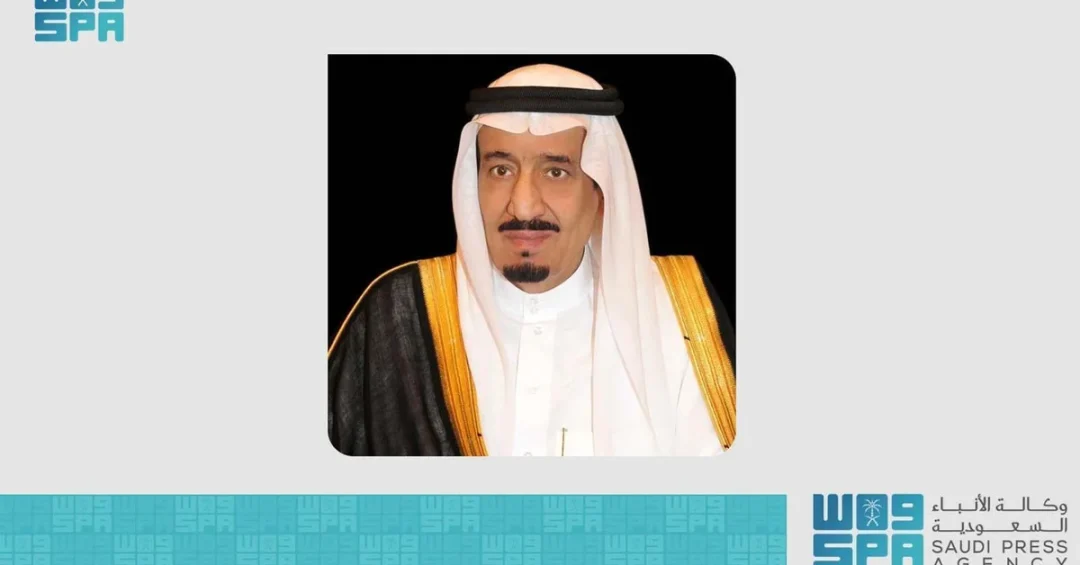
The Royal Court announced on Tuesday that the Custodian of the Two Holy Mosques, King Salman bin Abdulaziz Al Saud, has called for the performance of the Istisqa (rain-seeking) prayer across the entire Kingdom of Saudi Arabia on Thursday, November 28, 2024. The directive, issued through an official statement from the Royal Court and carried by the Saudi Press Agency, invites Muslims throughout the Kingdom to gather in mosques and designated prayer grounds to beseech God for rainfall and relief from drought conditions.
Have you ever considered how a simple act of collective prayer can reflect a nation’s spiritual unity and its leadership’s deep connection with the people? The Istisqa prayer is a revered Islamic tradition performed during times of drought or water scarcity. It is not merely a ritual but a profound expression of humility, reliance on the Divine, and communal solidarity. King Salman’s call underscores the Kingdom’s commitment to upholding Islamic values while addressing the practical needs of its citizens and residents. The announcement comes as Saudi Arabia continues to balance its rapid modernization under Vision 2030 with its enduring religious heritage, demonstrating that progress and piety can coexist harmoniously.
Context and Background
What is the significance of the Istisqa prayer in Islamic tradition, and why does it hold such importance in the Kingdom of Saudi Arabia? Istisqa, derived from the Arabic word for ‘seeking rain,’ is a prophetic tradition in which Muslims gather to pray for rainfall during periods of drought. The prayer is typically performed in an open area or a large mosque, with participants wearing humble clothing and expressing repentance and supplication. It is a collective act of worship that emphasizes dependence on God and the importance of environmental stewardship. In Saudi Arabia, where water scarcity has historically been a challenge, the Istisqa prayer carries added resonance, symbolizing both spiritual devotion and practical concern for the land and its people.
The Royal Court’s announcement, reported by the Saudi Press Agency, is consistent with the Kingdom’s longstanding practice of turning to prayer during times of need. Historically, Saudi leaders have called for Istisqa prayers during prolonged dry spells, reflecting a tradition that dates back to the earliest days of Islam. The Custodian of the Two Holy Mosques, King Salman bin Abdulaziz Al Saud, has consistently emphasized the importance of faith in guiding the nation’s affairs. His call for the prayer is a reminder of the spiritual leadership role that Saudi Arabia plays not only for its citizens but for Muslims around the world. The timing of the announcement, in late November, coincides with the onset of the winter season, when rainfall is typically expected but has been insufficient in recent years.
How does the Kingdom’s approach to environmental challenges reflect its broader vision for sustainable development? Saudi Arabia has invested heavily in water desalination, irrigation efficiency, and cloud-seeding technology to mitigate water scarcity. Yet, the leadership recognizes that human effort must be complemented by divine blessing. The Istisqa prayer thus serves as a unifying event that brings together people from all walks of life, reinforcing social cohesion and spiritual resilience. It also highlights the Kingdom’s commitment to balancing material progress with spiritual well-being, a core principle of Vision 2030. The Royal Court’s statement has been widely welcomed by citizens and residents, who view it as a compassionate and timely initiative.
Key Details of the Royal Court Announcement
What exactly did the Royal Court statement say, and how will the prayer be organized across the Kingdom? According to the Saudi Press Agency, the Royal Court issued a statement on Tuesday, November 26, 2024, calling for the Istisqa prayer to be performed on Thursday, November 28, 2024, throughout the entire Kingdom. The statement did not specify a particular time, but traditionally, such prayers are held in the morning, shortly after sunrise, following the example of the Prophet Muhammad (peace be upon him). Mosques and designated open areas in cities and villages across the Kingdom are expected to host the prayer, with imams leading congregations in supplication for rain.
The Royal Court’s announcement is addressed to all Muslims in Saudi Arabia, including citizens and residents. It reflects the inclusive nature of the Kingdom’s religious leadership, which seeks to unite people in times of need. The Saudi Press Agency, the official news agency of the Kingdom, carried the statement, underscoring its authenticity and official status. The call is not mandatory but is a recommended act of worship, and participation is voluntary. However, given the deep respect for the Custodian of the Two Holy Mosques, widespread participation is anticipated. The prayer will be performed in accordance with established Islamic rituals, including a sermon (khutbah) that reminds worshippers of the importance of repentance, gratitude, and environmental responsibility.
How does the organization of such a nationwide event demonstrate Saudi Arabia’s logistical and administrative capabilities? The Kingdom has extensive experience in coordinating large-scale religious gatherings, most notably the annual Hajj and Umrah pilgrimages. The same infrastructure and expertise will be leveraged to ensure that the Istisqa prayer is conducted smoothly and safely. Local authorities, including municipal councils and mosque administrations, will facilitate the event, ensuring that venues are prepared and that health and safety measures are in place. The Ministry of Islamic Affairs, Call and Guidance, which oversees mosques and religious activities, is expected to coordinate with regional governors to implement the Royal Court’s directive. This efficient mobilization reflects the Kingdom’s strong governance and its commitment to serving the spiritual needs of its people.
International and Regional Impact
How might the call for Istisqa prayer resonate beyond Saudi Arabia’s borders, particularly in the wider Middle East and the Islamic world? The Kingdom’s role as the custodian of Islam’s holiest sites gives its religious initiatives global significance. When the Custodian of the Two Holy Mosques calls for prayer, it echoes across the Muslim world, from Indonesia to Morocco. The Istisqa prayer, in particular, addresses a shared concern: water scarcity is a pressing issue in many Muslim-majority countries, from North Africa to South Asia. By leading this spiritual response, Saudi Arabia reinforces its position as a moral and religious authority, fostering unity among Muslims and highlighting the collective responsibility to care for the environment.
What message does this send about Saudi Arabia’s leadership in addressing climate-related challenges? The Kingdom has been increasingly active in global environmental initiatives, including the Saudi Green Initiative and the Middle East Green Initiative, which aim to combat desertification and reduce carbon emissions. The Istisqa prayer complements these efforts by emphasizing the spiritual dimension of environmental stewardship. It signals that Saudi Arabia’s approach to climate change is holistic, integrating practical solutions with faith-based values. This aligns with the teachings of Islam, which emphasize that humans are stewards of the earth. The Royal Court’s call thus serves as a reminder that addressing climate challenges requires both technological innovation and spiritual reflection.
Economic and Strategic Significance
Why does water security matter so much for Saudi Arabia’s economic ambitions under Vision 2030? Water is essential for agriculture, industry, and daily life, and Saudi Arabia’s arid climate makes it particularly vulnerable to drought. The Kingdom has invested billions in desalination plants, water recycling, and smart irrigation to ensure a stable supply. However, prolonged droughts can strain these systems and affect food production, energy generation, and urban development. The Istisqa prayer, while spiritual, also draws attention to the importance of water conservation and sustainable management. It serves as a reminder to citizens and businesses alike that water is a precious resource that must be used wisely. This aligns with Vision 2030’s goals of achieving environmental sustainability and enhancing the quality of life for all residents.
How does the Royal Court’s initiative reflect the Kingdom’s strategic emphasis on social cohesion and national unity? By calling for a collective prayer, King Salman is fostering a sense of shared purpose and solidarity among the population. In a country that is rapidly transforming economically and socially, such moments of spiritual unity help maintain cultural continuity and social harmony. They also reinforce the bond between the leadership and the people, demonstrating that the Royal Court is attuned to the needs and concerns of its citizens. This unity is a strategic asset as Saudi Arabia pursues its ambitious Vision 2030 agenda, which relies on a cohesive and motivated society to succeed. The Istisqa prayer thus contributes to the social fabric that underpins the Kingdom’s progress.
Vision 2030 Alignment
How does the call for Istisqa prayer align with the broader objectives of Saudi Vision 2030? At its core, Vision 2030 seeks to diversify the economy, empower citizens, and enhance the quality of life, all while preserving the Kingdom’s Islamic identity and cultural heritage. The Istisqa prayer embodies these principles by promoting spiritual well-being, environmental awareness, and social solidarity. It reflects the vision’s emphasis on sustainable development, as water security is a critical component of long-term prosperity. Moreover, the prayer reinforces the values of compassion, humility, and community that are central to Saudi society. By integrating faith with modern governance, the Kingdom demonstrates that progress and tradition can go hand in hand, a message that resonates with both domestic and international audiences.
What does this initiative tell us about the future direction of Saudi Arabia under the leadership of King Salman and Crown Prince Mohammed bin Salman? It underscores a leadership style that is both visionary and grounded in Islamic principles. As the Kingdom continues to implement Vision 2030, it does so with a clear sense of its cultural and religious responsibilities. The Istisqa prayer is a reminder that Saudi Arabia’s global role extends beyond economics and politics; it is also a spiritual leader for over a billion Muslims worldwide. This balanced approach enhances the Kingdom’s soft power and strengthens its position as a beacon of stability and moderation. As citizens and residents gather on Thursday to pray for rain, they will also be affirming their commitment to a future that honors the past while embracing the opportunities of tomorrow.
20 Questions
Q1. What is the Istisqa prayer?
A1. The Istisqa prayer is a special Islamic prayer performed to seek rainfall during times of drought. It involves communal gathering, supplication, and repentance, following the tradition of the Prophet Muhammad (peace be upon him).
Q2. Who called for the Istisqa prayer in Saudi Arabia?
A2. The Custodian of the Two Holy Mosques, King Salman bin Abdulaziz Al Saud, called for the prayer, as announced by the Royal Court in a statement carried by the Saudi Press Agency.
Q3. When will the Istisqa prayer be performed?
A3. The prayer is scheduled for Thursday, November 28, 2024, throughout the entire Kingdom of Saudi Arabia.
Q4. Where will the prayer take place?
A4. The prayer will be held in mosques and designated open areas across all regions of the Kingdom, organized by local authorities and the Ministry of Islamic Affairs.
Q5. Is participation in the Istisqa prayer mandatory?
A5. No, participation is voluntary but highly recommended. It is a collective act of worship that Muslims are encouraged to join.
Q6. Why is the Istisqa prayer important in Islam?
A6. It demonstrates humility, reliance on God, and environmental stewardship. It is a prophetic tradition that unites the community in seeking divine mercy.
Q7. How does the Royal Court announcement reflect Saudi leadership?
A7. It shows the leadership’s spiritual role and its commitment to the well-being of citizens, balancing material progress with religious values.
Q8. What is the role of the Saudi Press Agency in this announcement?
A8. The Saudi Press Agency is the official news agency that carried the Royal Court’s statement, ensuring its authenticity and wide dissemination.
Q9. How does the Istisqa prayer relate to environmental concerns?
A9. It highlights the importance of water conservation and sustainable practices, complementing Saudi Arabia’s environmental initiatives like the Saudi Green Initiative.
Q10. Will the prayer be held in all regions of Saudi Arabia?
A10. Yes, the Royal Court’s call applies to the entire Kingdom, and mosques in all provinces are expected to participate.
Q11. What is the historical significance of Istisqa in Saudi Arabia?
A11. Saudi leaders have historically called for Istisqa prayers during droughts, following Islamic tradition and demonstrating care for the land and people.
Q12. How does this event align with Vision 2030?
A12. It aligns with Vision 2030’s goals of sustainability, social cohesion, and preserving Islamic identity while promoting progress.
Q13. What preparations are being made for the prayer?
A13. Local authorities and mosque administrations are preparing venues, ensuring safety, and coordinating with the Ministry of Islamic Affairs for smooth execution.
Q14. Can non-Muslims participate in the Istisqa prayer?
A14. The prayer is an Islamic act of worship, so participation is for Muslims. However, non-Muslims can respect and observe the occasion.
Q15. What should Muslims do to prepare for the Istisqa prayer?
A15. They should repent, seek forgiveness, wear humble clothing, and gather with the community in a spirit of humility and supplication.
Q16. How does the prayer address water scarcity in Saudi Arabia?
A16. While spiritual, it raises awareness about water conservation and complements the Kingdom’s extensive desalination and irrigation efforts.
Q17. What is the expected impact of the prayer on national unity?
A17. It fosters social cohesion and solidarity, bringing together citizens and residents in a shared spiritual act, reinforcing communal bonds.
Q18. How does the international community view such religious initiatives?
A18. They are generally viewed positively, as they showcase Saudi Arabia’s religious leadership and its commitment to addressing shared challenges like climate change.
Q19. What other measures is Saudi Arabia taking to address drought?
A19. The Kingdom invests in cloud-seeding, desalination, water recycling, and smart irrigation, alongside environmental initiatives like the Saudi Green Initiative.
Q20. What is the broader message of the Royal Court’s call?
A20. It conveys that Saudi Arabia balances faith and modernity, seeking divine blessing while pursuing sustainable development and unity under its leadership.
Reader Feedback
We value your thoughts. Please share your feedback on this article.
Your feedback helps us improve our coverage.
Related articles
 Saudi Vice Minister Joins 10th UNAOC Global Forum in Lisbon
 Saudi Vice Foreign Minister Meets Russian Counterpart in Lisbon
 Civil Defense: Thunderstorms to Continue in Most Saudi Regions Until Sunday
 6.6-Magnitude Earthquake Hits Ishikawa, Japan: No Tsunami Warning
 Saudi Arabia Weather Forecast for Wednesday: Rain, Dust, and Cooler Temperatures
 KSrelief Chief Meets Somali Health Minister in Riyadh