


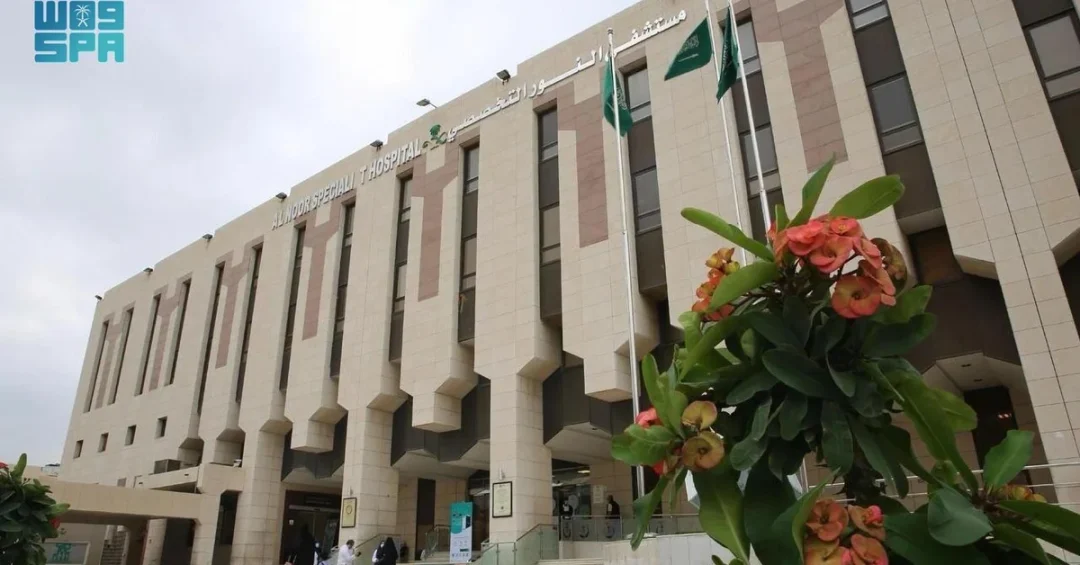
Al Noor Specialist Hospital, a member of the Makkah Health Cluster, treated more than 54,700 patients during the holy month of Ramadan 1446 AH, according to information released via the Saudi Press Agency. The substantial figure reflects the scale of medical care extended to pilgrims, Umrah performers, and residents across the Makkah region during one of the busiest periods of the Islamic calendar, and underscores the priority the Kingdom places on safeguarding the health of all those who travel to the holy cities. How does a single hospital absorb tens of thousands of patients in the span of a few weeks while maintaining quality of care?
The hospital received patients across a wide range of departments, including outpatient clinics, the emergency room, the diabetes center, the heart center, dental and eye care services, medical rehabilitation and physiotherapy, kidney and hypertension clinics, and home healthcare services. The breadth of this service portfolio illustrates that Al Noor Specialist Hospital functions not merely as a treatment facility but as a comprehensive care ecosystem serving the full spectrum of medical needs that arise during Ramadan. For an international audience unfamiliar with the Kingdom’s healthcare architecture, this development offers a clear window into how Saudi Arabia mobilizes specialist medical capacity around major religious seasons.
Context and Background
What makes the Ramadan season such a demanding test for health services in Makkah? Ramadan brings millions of Umrah performers to the holy city, and the fasting month traditionally coincides with expanded visitation to the Grand Mosque. The concentration of worshippers over a four-week period creates predictable surges in demand for emergency care, chronic disease management, and preventive services, particularly among elderly pilgrims and those with pre-existing conditions such as diabetes, hypertension, and cardiovascular disease. Al Noor Specialist Hospital’s role within the Makkah Health Cluster places it at the center of this seasonal pressure point, allowing the cluster to distribute resources efficiently across multiple facilities.
The Makkah Health Cluster is part of the broader transformation of Saudi Arabia’s health sector, which has been reorganized around regional clusters designed to integrate primary, secondary, and specialist care. Within this structure, Al Noor Specialist Hospital serves as a referral destination for complex cases while simultaneously operating high-volume frontline services. Its diabetes and heart centers, kidney and hypertension clinics, and rehabilitation and physiotherapy units are precisely the specialties most relevant to the health profile of older pilgrims, many of whom travel from abroad with chronic conditions that require continuity of care during their stay. The hospital’s year-round presence in Makkah makes it a natural anchor for seasonal planning.
This background matters because the Ramadan plan is not improvised; it is a recurring operational cycle refined each year. The hospital’s 1446 AH arrangements built on lessons from previous seasons, allowing administrators to anticipate patterns of demand and allocate staff and equipment accordingly. The result is a systematic approach that international health systems increasingly study as an example of mass-gathering medicine.
Operational Readiness and Key Details
How exactly did the hospital prepare for more than 54,000 patients? According to the official information, Al Noor Specialist Hospital successfully implemented its Ramadan 1446 AH plan, based on a strategy focused on staffing departments and clinics with specialized medical personnel and providing modern, advanced medical equipment. This two-pronged approach—human expertise reinforced by technology—was central to the institution’s ability to deliver comprehensive medical care to visitors of the Grand Mosque. The staffing strategy involved deploying specialists, nurses, and support teams across high-traffic departments, ensuring that clinics and emergency services could operate at elevated capacity for the duration of the month.
The equipment dimension is equally significant. Advanced diagnostic and treatment devices in the heart center, diabetes center, and emergency room enabled rapid assessment and intervention, reducing bottlenecks that can arise when patient volumes spike. Dental and eye care services, often used by pilgrims seeking relief from acute issues during travel, were similarly supported. Home healthcare services extended the hospital’s reach beyond its physical walls, allowing medical teams to support patients who could not easily travel to the facility. Taken together, these details paint a picture of a hospital operating as a coordinated system rather than a collection of separate departments.
The patient distribution—spanning outpatient clinics, emergency care, chronic disease centers, rehabilitation, and home health—signals that the hospital treated both routine and urgent needs. Emergency admissions during Ramadan can include dehydration, exhaustion, and complications from fasting among vulnerable individuals, while the diabetes center likely managed blood sugar regulation for pilgrims whose routines change significantly during the month. The heart center would have addressed cardiovascular complaints, a leading cause of medical attention among older travelers. This breadth demonstrates why the hospital’s planning must be multidimensional: the profile of need is wide, and each department must function simultaneously at high volume.
International and Regional Impact
Why should observers outside Saudi Arabia pay attention to a single hospital’s Ramadan statistics? The answer lies in what these figures represent for millions of international pilgrims. The Grand Mosque in Makkah receives worshippers from virtually every country, and their safety during Ramadan depends on a health infrastructure that operates reliably under peak load. Al Noor Specialist Hospital’s capacity to treat more than 54,700 patients in one month represents a visible contribution to that safety net. For prospective Umrah performers planning their journeys, the knowledge that specialized care is readily available in the holy city is a meaningful reassurance.
Regionally, the Makkah Health Cluster model illustrates how the Kingdom coordinates healthcare delivery across a metropolitan area that hosts one of the world’s largest recurring mass gatherings. Other nations that manage large pilgrimage or festival events—whether in Asia, Africa, or the Middle East—can draw practical lessons from the cluster approach, in which specialized facilities absorb complex cases and thereby free up capacity elsewhere in the system. The hospital’s performance during Ramadan 1446 AH therefore carries implications beyond Makkah, positioning Saudi Arabia as a reference point for mass-gathering medical planning. The Saudi government’s care and attention toward visitors and Umrah performers from within the Kingdom and abroad remains the guiding principle behind these arrangements.
There is also a diplomatic dimension to this work. Pilgrimage services are among the most visible expressions of Saudi Arabia’s role as custodian of the Two Holy Mosques, and healthcare is an integral part of that stewardship. Every patient treated is a tangible demonstration of hospitality and competence, contributing to the Kingdom’s international reputation and to the smooth functioning of the Umrah ecosystem that supports millions of faithful travelers each year.
Economic and Strategic Significance
How does hospital capacity connect to the Kingdom’s wider strategic ambitions? Health services for pilgrims sit at the intersection of two national priorities: the expansion of religious tourism and the modernization of the healthcare sector. As Saudi Arabia continues to raise the number of Umrah performers and improve the quality of their experience, the reliability of medical infrastructure becomes a competitive factor. A hospital that can absorb more than 54,000 patients during Ramadan without disruption strengthens confidence in the broader pilgrimage system and reinforces the Kingdom’s capacity to host larger numbers in the future.
There is also a workforce and technology story embedded in these figures. Staffing departments with specialized medical personnel during peak seasons requires planning at the level of human capital, and the deployment of advanced medical equipment reflects investment in clinical capability. These are the building blocks of a knowledge-intensive health economy, and they align with the Kingdom’s effort to develop a robust, private-sector-supported healthcare ecosystem. The operational success at Al Noor Specialist Hospital illustrates how seasonal demand can drive sustained improvements in staffing models, equipment procurement, and inter-departmental coordination—gains that carry over into the rest of the year.
Beyond the hospital itself, the 54,700-patient figure is a data point that helps planners understand the true load that Ramadan places on Makkah’s health system. Accurate volume data underpins better forecasting, budgeting, and capital investment decisions in subsequent years, supporting a continuous improvement cycle that benefits residents and visitors alike.
Vision 2030 Alignment
Does a single Ramadan report reveal something deeper about the Kingdom’s direction? It does: the performance of Al Noor Specialist Hospital reflects the objectives of Saudi Vision 2030, which places world-class healthcare and enhanced quality of life at the heart of national development. Vision 2030’s health transformation aims to improve access, elevate service quality, and expand capacity across the sector, and the Ramadan plan embodies those principles in practice. By staffing specialist departments, deploying advanced equipment, and coordinating care through the Makkah Health Cluster, the hospital demonstrates how Vision 2030 reforms are being translated into frontline services that touch the lives of pilgrims and residents.
The emphasis on serving visitors of the Grand Mosque also connects to the Vision’s religious tourism goals. Enhancing the pilgrimage experience is a core ambition, and dependable medical care is indispensable to that objective. As Saudi Arabia continues to welcome growing numbers of Umrah performers, facilities such as Al Noor Specialist Hospital will remain essential partners in delivering a safe, dignified, and seamless journey. The hospital’s treatment of more than 54,700 patients during Ramadan 1446 AH is therefore more than an operational milestone; it is a concrete expression of the Kingdom’s commitment to the well-being of all who come to the holy cities, and a reminder that the success of Vision 2030 is measured one patient at a time.
20 Questions
Q1. Which hospital treated more than 54,700 patients during Ramadan 1446 AH?
A1. Al Noor Specialist Hospital, a member of the Makkah Health Cluster, treated more than 54,700 patients during Ramadan 1446 AH, according to information released via the Saudi Press Agency.
Q2. How many patients did Al Noor Specialist Hospital serve during Ramadan?
A2. The hospital treated more than 54,700 patients across its departments during the holy month, reflecting the scale of medical care provided in Makkah during one of the busiest periods of the year.
Q3. Which departments received patients at the hospital?
A3. Patients visited clinics, the emergency room, the diabetes center, the heart center, dental and eye care services, medical rehabilitation and physiotherapy, kidney and hypertension clinics, and home healthcare services.
Q4. What was the basis of the hospital’s Ramadan 1446 AH plan?
A4. The plan was based on a strategy focused on staffing departments and clinics with specialized medical personnel and providing modern, advanced medical equipment to deliver comprehensive care.
Q5. Who was the primary focus of the hospital’s Ramadan care services?
A5. The hospital aimed to offer comprehensive medical care to visitors of the Grand Mosque, aligning with the care and attention the Saudi government provides to visitors and Umrah performers.
Q6. Is Al Noor Specialist Hospital part of a larger health network?
A6. Yes. Al Noor Specialist Hospital is a member of the Makkah Health Cluster, which integrates primary, secondary, and specialist care across the Makkah region.
Q7. Why is Ramadan a demanding period for Makkah’s health services?
A7. Ramadan brings millions of Umrah performers to the holy city, creating predictable surges in demand for emergency care, chronic disease management, and preventive services, especially among elderly pilgrims.
Q8. Which chronic conditions are especially relevant to pilgrims?
A8. Diabetes, hypertension, and cardiovascular disease are particularly significant, which is why the hospital operates dedicated diabetes, heart, kidney, and hypertension clinics.
Q9. How did staffing contribute to the hospital’s Ramadan success?
A9. Specialists, nurses, and support teams were deployed across high-traffic departments so clinics and emergency services could operate at elevated capacity throughout the month.
Q10. What role did advanced medical equipment play?
A10. Advanced diagnostic and treatment devices in the heart center, diabetes center, and emergency room enabled rapid assessment and intervention, reducing bottlenecks during volume spikes.
Q11. What do home healthcare services provide?
A11. Home healthcare extends the hospital’s reach beyond its walls, allowing medical teams to support patients who cannot easily travel to the facility during their stay in Makkah.
Q12. Why do dental and eye care services matter during Ramadan?
A12. Pilgrims often seek relief from acute dental or eye issues during travel, so these services help address immediate concerns and improve the comfort of worshippers.
Q13. How does this fit into Saudi Arabia’s broader health strategy?
A13. It reflects the Kingdom’s reorganization of health services around regional clusters that integrate care and ensure efficient resource distribution across facilities.
Q14. What does the patient volume suggest about the hospital’s system?
A14. Treating more than 54,700 patients in one month indicates the hospital operates as a coordinated system rather than a collection of separate departments.
Q15. Why does healthcare for pilgrims matter internationally?
A15. The Grand Mosque receives worshippers from virtually every country, and their safety depends on a health infrastructure that operates reliably under peak load.
Q16. Can other nations learn from the Makkah Health Cluster model?
A16. Yes. Countries managing large pilgrimage or festival events can draw lessons from the cluster approach, in which specialized facilities absorb complex cases and free up capacity elsewhere.
Q17. How does pilgrimage healthcare connect to national reputation?
A17. Every patient treated is a tangible demonstration of hospitality and competence, contributing to the Kingdom’s international reputation and the smooth functioning of the Umrah ecosystem.
Q18. What strategic priorities does this development support?
A18. It supports the expansion of religious tourism and the modernization of healthcare, both of which depend on reliable medical infrastructure for pilgrims in the holy cities.
Q19. How does this connect to Vision 2030?
A19. Vision 2030 places world-class healthcare and enhanced quality of life at the heart of development, and the Ramadan plan embodies those principles in frontline service delivery.
Q20. What is the broader meaning of the 54,700-patient milestone?
A20. It is more than an operational milestone; it is a concrete expression of the Kingdom’s commitment to the well-being of all who come to the holy cities, in line with Vision 2030.
Reader Feedback
We value your thoughts. Please share your feedback on this article.
Your feedback helps us improve our coverage.
Related articles
 Saudi Health System Wins Award, 19 Medals at Geneva 2025
 Qatar’s ‘Health for All’ Strategy Charts Path to 2030
 SFDA Wins Arab Digital Government Award for AI in Drug Availability
 Saudi Health Minister Visits France to Boost Cooperation
 KFSHRC Pioneers Non-Surgical Artery Blockage Treatment
 Saudi Health Minister Boosts Ties in Paris Meetings