


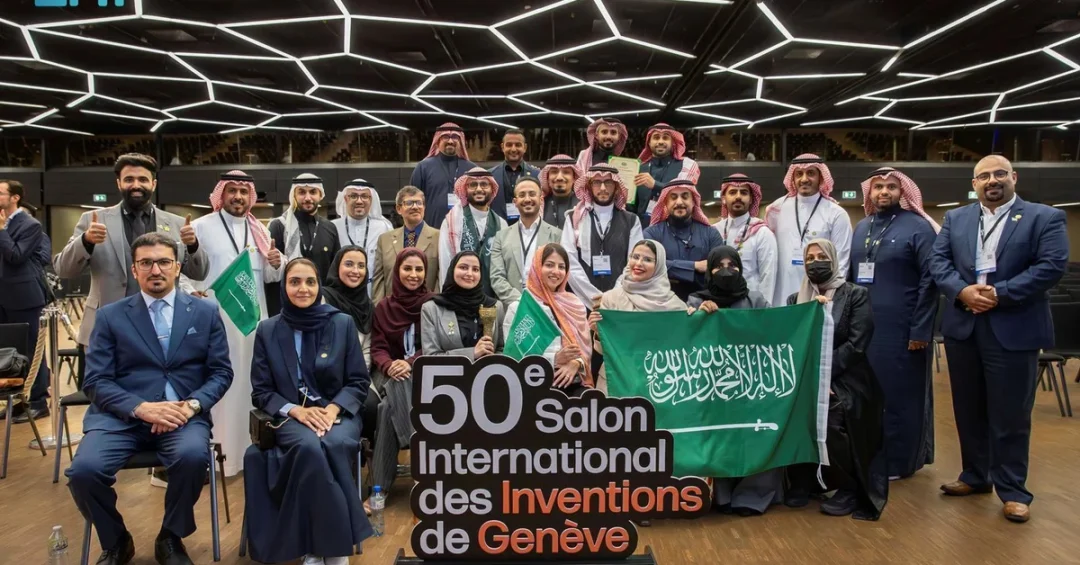
Saudi Arabia’s health system secured a prestigious award and 19 international medals at the 50th edition of the 2025 Geneva International Exhibition of Inventions, according to an announcement carried by the Saudi Press Agency. The recognition, unveiled in Geneva on April 13, 2025, underscores the Kingdom’s growing leadership in health innovation and its drive to reshape healthcare delivery under the guidance of the Ministry of Health. The Saudi pavilion drew attention from global participants, showcasing inventions that advance research, sustainability, and patient care.
But what does it take for a national health system to earn such broad international acclaim? For Saudi Arabia, the answer lies in a deliberate, multi-year strategy that aligns scientific research, regulatory excellence, and procurement innovation. The 19 medals—spanning gold, silver, and bronze categories—were awarded to a range of Saudi health entities, reflecting a coordinated national effort rather than isolated successes. This milestone arrives as the Kingdom accelerates its Health Sector Transformation Program, a cornerstone of Saudi Vision 2030, which seeks to build a vibrant society supported by sustainable, high-quality healthcare.
Context and Background
How did Saudi Arabia emerge as a force in global health innovation? The journey began with a clear strategic vision: to diversify the economy and improve quality of life through investments in science and technology. The Health Sector Transformation Program, launched under Vision 2030, set ambitious targets, including raising life expectancy in the Kingdom to 80 years by 2030. To achieve this, the Ministry of Health has fostered an ecosystem that encourages research, entrepreneurship, and international collaboration. Participation in the Geneva International Exhibition of Inventions—the world’s largest showcase of its kind—was a natural step in this outward-looking approach.
The 2025 exhibition, marking its 50th edition, attracted innovators from across the globe. Saudi Arabia’s delegation was not merely present but stood out, with the Saudi pavilion featuring key health entities such as the Saudi Food and Drug Authority, the Council of Health Insurance (Daman), the Saudi National Institute of Health, and the National Unified Procurement Company (NUPCO). These organizations presented solutions that advance research and development, support healthcare sustainability, and improve the patient experience. Their collective presence demonstrated the Kingdom’s commitment to sharing knowledge and contributing to global health advancements.
Minister of Health Fahad AlJalajel emphasized that innovation is central to transforming the sector. He highlighted the use of cutting-edge technologies, strategic investment, and international collaboration to establish a modern, accessible, and sustainable healthcare system that makes a tangible difference in human well-being. AlJalajel noted that the Saudi health system’s participation in the Geneva exhibition reflects its global outlook and its goal of raising life expectancy in the Kingdom to 80 years by 2030. His remarks underscore a philosophy that sees health not just as a domestic priority but as a global public good.
Key Details
What exactly did the Saudi health system achieve in Geneva? The accolades were both collective and individual. NUPCO earned a special award, while three Saudi entities—the Health Research Institute, NUPCO, and the Saudi Food and Drug Authority—received honorable mention gold medals. Additional gold medals were awarded to the Health Research Institute and the Saudi Food and Drug Authority for individual innovations. These top-tier recognitions signal that Saudi inventions were judged to be of the highest caliber by an international panel.
The medal tally extended further: nine silver medals were presented to several health clusters affiliated with the Health Holding Company, the Saudi Food and Drug Authority, and the Health Research Institute. Four bronze medals were awarded to three other health clusters and the Council of Health Insurance. In total, 19 medals, plus a special award, place Saudi Arabia among the most decorated participants at the 2025 exhibition. The breadth of winners—from regulatory bodies to procurement companies to health clusters—illustrates a holistic approach to innovation that spans the entire healthcare value chain.
Who are the key players behind these inventions? The Health Research Institute, a part of the Saudi National Institute of Health, focuses on translational research and clinical trials. The Saudi Food and Drug Authority is responsible for regulatory oversight and has increasingly invested in innovative evaluation methods. NUPCO, as the national unified procurement company, drives efficiency in supply chains and has developed novel logistics solutions. The Council of Health Insurance (Daman) oversees the insurance sector and has introduced digital tools to enhance coverage and claims management. The Health Holding Company manages a network of health clusters that deliver primary and specialized care across the Kingdom.
International and Regional Impact
How does this recognition reverberate beyond Saudi Arabia’s borders? Winning multiple medals at a globally renowned event enhances the Kingdom’s reputation as a hub for medical innovation. It signals to international partners—research institutions, pharmaceutical companies, and technology firms—that Saudi Arabia is open for collaboration. This aligns with the Ministry of Health’s emphasis on international partnerships to accelerate the adoption of advanced technologies. For a global audience, it offers a glimpse into a modernizing Saudi Arabia that is investing seriously in science and healthcare.
Regionally, the achievement reinforces Saudi Arabia’s position as a leader in the Middle East’s health sector. Neighboring countries may look to the Kingdom’s model of integrating regulatory, procurement, and research entities to drive innovation. The success could also spur healthy competition among Gulf states, ultimately raising the standard of healthcare across the region. Furthermore, it demonstrates that Saudi Vision 2030 is yielding tangible results in knowledge-intensive sectors, contributing to economic diversification and the creation of high-skilled jobs.
Economic and Strategic Significance
Why does innovation in healthcare matter economically? The health sector is a major component of Saudi Arabia’s economic transformation. By fostering local innovation, the Kingdom can reduce reliance on imported medical technologies and create export opportunities for Saudi-developed solutions. The inventions showcased in Geneva—ranging from diagnostic tools to digital health platforms—have the potential to be commercialized, attracting investment and generating revenue. Moreover, a robust health innovation ecosystem supports the growth of small and medium enterprises and startups, in line with the Vision 2030 goal of diversifying the economy.
Strategically, the recognition bolsters Saudi Arabia’s soft power. It projects an image of a nation that is not only a consumer of global knowledge but also a contributor. This aligns with the Kingdom’s broader foreign policy objectives, which include positioning itself as a leader in international cooperation and humanitarian efforts. The health sector, therefore, becomes a vehicle for diplomacy and global engagement. As Minister AlJalajel noted, the use of cutting-edge technologies and strategic investment is helping to build a healthcare system that makes a tangible difference in human well-being—both at home and abroad.
Vision 2030 Alignment
How does this achievement tie into Vision 2030? The Health Sector Transformation Program is one of the Vision’s realization programs, designed to improve the quality and efficiency of healthcare services. The 19 medals are a direct endorsement of the program’s emphasis on innovation and research. By raising life expectancy to 80 years, the Kingdom aims to enhance the well-being of its citizens, a core objective of Vision 2030. The success in Geneva also underscores the importance of international collaboration, which is a key enabler of the Vision’s goals.
Looking ahead, the Ministry of Health plans to build on this momentum. The recognition is expected to spur further investment in research and development, encourage more partnerships with global institutions, and inspire Saudi youth to pursue careers in health sciences and innovation. As the Kingdom continues its journey toward a vibrant society, achievements like this serve as a reminder that Vision 2030 is not just a blueprint but a living reality, transforming aspirations into tangible results on the world stage.
20 Questions
Q1. What event did Saudi Arabia’s health system participate in?
A1. Saudi Arabia’s health system participated in the 50th edition of the 2025 Geneva International Exhibition of Inventions, held in Geneva, Switzerland.
Q2. How many medals did Saudi Arabia win at the exhibition?
A2. Saudi Arabia won a total of 19 international medals, including gold, silver, and bronze, along with a special award.
Q3. Which Saudi entity received a special award?
A3. The National Unified Procurement Company (NUPCO) earned a special award at the exhibition.
Q4. Which Saudi entities received honorable mention gold medals?
A4. The Health Research Institute, NUPCO, and the Saudi Food and Drug Authority received honorable mention gold medals.
Q5. How many gold medals did Saudi Arabia win?
A5. Saudi Arabia won multiple gold medals, with additional gold medals awarded to the Health Research Institute and the Saudi Food and Drug Authority for individual innovations.
Q6. How many silver medals were awarded to Saudi entities?
A6. Nine silver medals were presented to several health clusters affiliated with the Health Holding Company, the Saudi Food and Drug Authority, and the Health Research Institute.
Q7. How many bronze medals were awarded?
A7. Four bronze medals were awarded to three other health clusters and the Council of Health Insurance.
Q8. Who is the Saudi Minister of Health?
A8. The Saudi Minister of Health is Fahad AlJalajel.
Q9. What did the Minister say about innovation?
A9. Minister AlJalajel said innovation is central to transforming the health sector, highlighting the use of cutting-edge technologies, strategic investment, and international collaboration.
Q10. What is the target life expectancy in Saudi Arabia by 2030?
A10. The target is to raise life expectancy in the Kingdom to 80 years by 2030.
Q11. Which Vision 2030 program is linked to this achievement?
A11. The achievement is linked to the Health Sector Transformation Program, part of Saudi Vision 2030.
Q12. What did the Saudi pavilion showcase?
A12. The Saudi pavilion showcased innovative solutions from key health entities that advance research and development, support healthcare sustainability, and improve patient experience.
Q13. Which organizations were part of the Saudi pavilion?
A13. The pavilion featured the Saudi Food and Drug Authority, the Council of Health Insurance (Daman), the Saudi National Institute of Health, and NUPCO.
Q14. What is the role of the Saudi Food and Drug Authority?
A14. It is responsible for regulatory oversight and has increasingly invested in innovative evaluation methods.
Q15. What does NUPCO stand for?
A15. NUPCO stands for the National Unified Procurement Company.
Q16. What is the Council of Health Insurance also known as?
A16. The Council of Health Insurance is also known as Daman.
Q17. How does this achievement reflect Saudi Vision 2030?
A17. It reflects the Vision’s emphasis on innovation, research, and improved healthcare quality, contributing to a vibrant society and economic diversification.
Q18. What is the significance of the Geneva exhibition?
A18. The Geneva International Exhibition of Inventions is the world’s largest showcase of its kind, attracting innovators globally.
Q19. How many health clusters received silver medals?
A19. Several health clusters affiliated with the Health Holding Company received silver medals, though the exact number was not specified.
Q20. What is the overall impact of this recognition?
A20. The recognition enhances Saudi Arabia’s reputation as a hub for medical innovation, attracts international collaboration, and supports economic diversification and job creation.
Reader Feedback
We value your thoughts. Please share your feedback on this article.
Your feedback helps us improve our coverage.
Related articles
 Qatar’s ‘Health for All’ Strategy Charts Path to 2030
 SFDA Wins Arab Digital Government Award for AI in Drug Availability
 Saudi Health Minister Visits France to Boost Cooperation
 KFSHRC Pioneers Non-Surgical Artery Blockage Treatment
 Saudi Health Minister Boosts Ties in Paris Meetings
 Saudi-French Business Council Explores Strengthening Partnerships in Healthcare Sector