


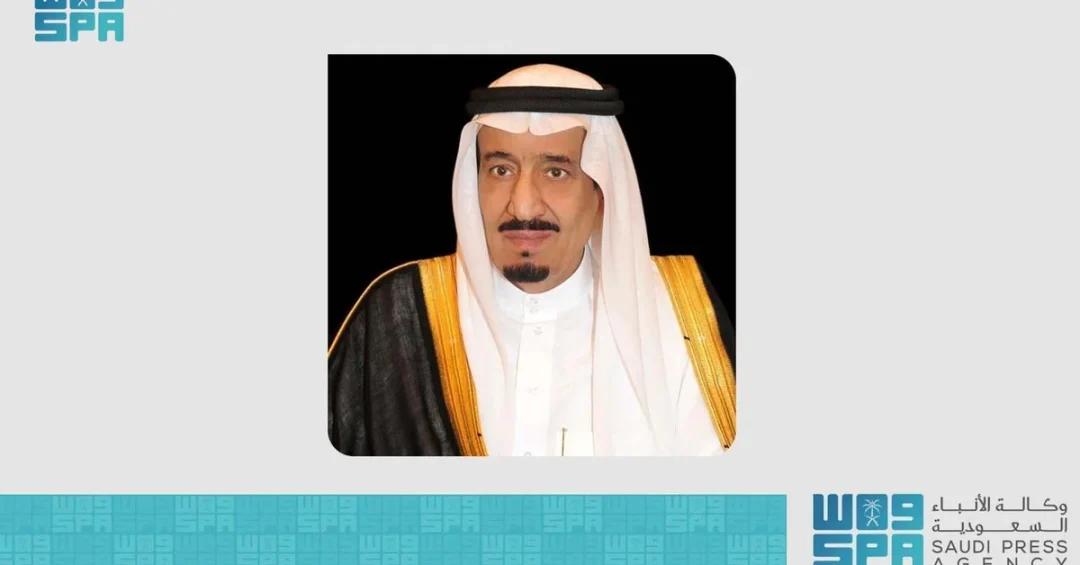
Under the patronage of Custodian of the Two Holy Mosques King Salman bin Abdulaziz Al Saud, the fifth edition of the Global Cybersecurity Forum (GCF) Annual Meeting will convene in Riyadh on October 1-2, 2025, under the theme “Scaling Cohesive Advancement in Cyberspace.” The announcement, released through official Saudi channels, confirms that the Kingdom will once again host the world’s leading cybersecurity policymakers, industry executives, and international stakeholders for two days of action-oriented dialogue in the Saudi capital.
The GCF Annual Meeting has become a fixture on the global cybersecurity calendar since its inception as an annual event in 2020, and the 2025 edition arrives at a moment when digital threats are evolving faster than many institutions can respond. For international observers, the Riyadh gathering offers a rare opportunity to watch how a major economy organizes global cooperation around a challenge that touches every sector — from banking and energy to healthcare and education. Why does a single forum in Riyadh matter to decision-makers in London, Tokyo, or São Paulo? Because cyberspace has no borders, and the frameworks discussed in the Saudi capital will shape how governments and companies protect their citizens and customers in the years ahead.
Context and Background
How did a regional initiative become a genuinely global platform in just five years? The GCF began as an annual Saudi-hosted event in 2020, launched with the aim of elevating cybersecurity from a technical afterthought to a central concern of states, businesses, and societies. Over successive editions, it evolved into a year-round, non-profit organization that works continuously to strengthen the safety and resilience of cyberspace. That institutional evolution is significant: it means the Forum is no longer simply a conference but a standing convening power that connects governments, academia, and the private sector between annual meetings.
The Forum’s stated objectives — catalyzing social impact, enabling economic prosperity, pushing knowledge boundaries, and advancing global collaborative action — reflect a broad understanding of cybersecurity that goes well beyond firewalls and malware. In the GCF’s framing, a secure cyberspace is a precondition for economic growth, societal prosperity, individual security, and national stability. This holistic approach resonates with international stakeholders who have grown weary of fragmented, reactive responses to cyber incidents. Does the world need another talk shop, or does it need a working platform that converts discussion into practical outcomes? The GCF’s organizers position their meeting squarely in the second category, emphasizing action-oriented collaboration over communiqués alone.
The 2025 theme, “Scaling Cohesive Advancement in Cyberspace,” builds on the accomplishments of the GCF community and seeks to elevate their scope, capacity, and impact. The word “scaling” is deliberate: organizers want to move from pilot projects and principles to wide deployment and measurable results. That ambition will be tested across five sub-themes that structure the October agenda.
Key Details of the 2025 Agenda
What exactly will occupy two full days of high-level discussion in Riyadh? The fifth edition will focus on five sub-themes: Beyond the Inflection Point; Cyber Economics Redefined; Strengthening Cyber Inclusion; Behavioural Lens in Cyberspace; and Opportunities at the Cyber Horizon. Together, these headings map a comprehensive approach that ranges from strategic foresight to human behavior, from economic modeling to social inclusion.
Under “Beyond the Inflection Point,” participants will examine how the global landscape is shifting and what alignment is needed among nations and industries in a period of rapid technological and geopolitical change. “Cyber Economics Redefined” will explore how cyber economic cohesion can enable scalable growth and shared prosperity, treating cybersecurity not as a cost center but as an enabler of investment and trade. “Strengthening Cyber Inclusion” will press for collective action toward a human-centered and inclusive cyberspace, ensuring that the benefits and protections of digital life reach developing economies and underrepresented communities. “Behavioural Lens in Cyberspace” will draw on behavioral insights to influence actions, counter manipulation, and foster safe cyber environments — recognizing that technology alone cannot solve problems rooted in human decisions. Finally, “Opportunities at the Cyber Horizon” will look at how emerging technologies can be harnessed to tackle fast-evolving challenges.
Across these tracks, the meeting will advance dialogue toward a secure and reliable cyberspace that supports economic growth, societal prosperity, individual security, and national stability. The GCF Annual Meeting 2025 will bring together global leaders, senior decision-makers, policymakers, industry experts, and other international stakeholders — a cross-section of authority and expertise designed to turn conversation into commitment. Can any single government or company claim to have the full answer to cyber risk? The GCF’s premise is that none can, and that only sustained, multi-stakeholder cooperation can deliver resilience at scale.
International and Regional Impact
Why should non-Saudi audiences pay close attention to a meeting held in Riyadh? Because the GCF has positioned itself as a neutral convening space where countries with differing regulatory philosophies and companies with competing commercial interests can find common ground. In an era when cybersecurity discussions are often fractured along geopolitical lines, a forum hosted by the Kingdom — with its central position connecting Asia, Europe, and Africa — offers a bridge. The October meeting is expected to draw participants from across the world, reinforcing Riyadh’s role as a diplomatic and technological hub.
For the region, the impact is equally tangible. The Middle East has become a major target for cyberattacks, and Gulf economies are investing heavily in digital infrastructure, cloud computing, and artificial intelligence. A forum that advances shared priorities — alignment in a rapidly evolving landscape, cyber economic cohesion, collective action for inclusion, behavioral insights, and technological adaptation — directly supports the stability that regional growth depends on. What does success look like for a host country? For Saudi Arabia, success means not only a well-run event but a lasting contribution to global cyber resilience that enhances the Kingdom’s standing as a responsible international actor.
The GCF’s evolution from an annual event into a year-round non-profit organization also means its influence extends beyond the two days in October. Its ongoing work builds networks, publishes insight, and sustains dialogue that keeps cybersecurity on the agenda of boardrooms and cabinets throughout the year.
Economic and Strategic Significance
How does cybersecurity connect to the bottom line of the global economy? Increasingly, directly. Cyber incidents disrupt supply chains, erode consumer trust, and impose billions in losses each year. By framing cyber economics as a core sub-theme, the GCF Annual Meeting 2025 signals that protecting digital assets is inseparable from protecting economic growth. The Forum’s emphasis on enabling economic prosperity places cybersecurity within the same conversation as investment, trade, and development — a framing that resonates with finance ministries and corporate boards alike.
For Saudi Arabia, hosting the Forum aligns with a broader strategic push to diversify the economy and attract international partnership. A secure and reliable cyberspace is foundational to the digital services, e-commerce, fintech, and advanced technology sectors that the Kingdom is cultivating. The meeting also reinforces Riyadh’s ambition to be a convening power in global governance — a role that carries diplomatic weight and commercial opportunity in equal measure. Does a cybersecurity forum really move markets? Indirectly, yes: by reducing uncertainty, building shared standards, and fostering trust that encourages cross-border digital investment.
The strategic significance extends to national stability, which the GCF explicitly links to cyberspace security. Governments understand that cyber resilience is now a component of sovereignty, and forums like this one help align national approaches without imposing a single model on all.
Vision 2030 Alignment
Saudi Arabia’s hosting of the GCF Annual Meeting 2025 sits naturally within Vision 2030, the Kingdom’s long-term transformation program. Vision 2030 envisions a diversified, digitally advanced economy and an active global role for the Kingdom. A world-class cybersecurity forum hosted in Riyadh — attracting global leaders and shaping international norms — advances both objectives simultaneously, demonstrating the Kingdom’s capacity to lead in a field that defines the future.
As the October dates approach, the GCF community will continue its year-round work to scale cohesive advancement in cyberspace, elevating scope, capacity, and impact. For international audiences, the message is clear: the Kingdom is not only securing its own digital future but helping to build a safer, more inclusive, and more prosperous cyberspace for all. Will the world seize the opportunity to align around shared cyber priorities? Riyadh in October will provide one important answer — and a platform for many more to come.
20 Questions
Q1. What is the Global Cybersecurity Forum (GCF) Annual Meeting?
A1. The GCF Annual Meeting is a major international cybersecurity conference hosted by Saudi Arabia. It brings together global leaders, policymakers, industry experts, and stakeholders to advance dialogue and action toward a secure and resilient cyberspace.
Q2. When and where will the fifth edition take place?
A2. The fifth edition of the GCF Annual Meeting will be held on October 1-2, 2025, in Riyadh, Saudi Arabia, under the patronage of Custodian of the Two Holy Mosques King Salman bin Abdulaziz Al Saud.
Q3. What is the theme of the 2025 meeting?
A3. The theme is “Scaling Cohesive Advancement in Cyberspace.” It reflects the goal of expanding the scope, capacity, and impact of the GCF community’s work toward a more secure and resilient cyberspace.
Q4. Who attends the GCF Annual Meeting?
A4. The meeting convenes global leaders, senior decision-makers, policymakers, industry experts, and other international stakeholders. Participants represent governments, businesses, academia, and civil society from around the world.
Q5. What are the five sub-themes for 2025?
A5. The sub-themes are Beyond the Inflection Point; Cyber Economics Redefined; Strengthening Cyber Inclusion; Behavioural Lens in Cyberspace; and Opportunities at the Cyber Horizon. Each addresses a distinct dimension of cyber resilience and cooperation.
Q6. When did the GCF begin as an annual event?
A6. The GCF began as an annual event in 2020. Since then, it has evolved into a year-round global non-profit organization that works continuously to strengthen the safety and resilience of cyberspace.
Q7. What objectives does the GCF pursue?
A7. The GCF aims to catalyze social impact, enable economic prosperity, push knowledge boundaries, and advance global collaborative action. These objectives guide its work throughout the year and at its annual meeting.
Q8. Why is cybersecurity important for economic growth?
A8. A secure cyberspace supports investment, trade, and digital services. Cyber incidents disrupt supply chains and erode trust, so protecting digital assets is directly linked to protecting economic growth and prosperity.
Q9. What does “Cyber Economics Redefined” focus on?
A9. This sub-theme explores how cyber economic cohesion can enable scalable growth and shared prosperity. It treats cybersecurity as an enabler of investment and trade rather than merely a cost center.
Q10. What is meant by “Strengthening Cyber Inclusion”?
A10. It refers to collective action for a human-centered and inclusive cyberspace, ensuring that the benefits and protections of digital life reach developing economies and underrepresented communities worldwide.
Q11. How do behavioral insights relate to cybersecurity?
A11. Behavioral insights help influence actions, counter manipulation, and foster safe cyber environments. They recognize that many cyber risks stem from human decisions, so technology alone cannot solve them.
Q12. What does “Beyond the Inflection Point” address?
A12. It examines how the global landscape is shifting rapidly and what alignment is needed among nations and industries. The track encourages foresight and cooperation during a period of technological and geopolitical change.
Q13. What is “Opportunities at the Cyber Horizon” about?
A13. This sub-theme looks at how emerging technologies can be harnessed to tackle fast-evolving challenges in cyberspace. It focuses on innovation as a tool for strengthening security and resilience.
Q14. Why is the meeting held under royal patronage?
A14. The patronage of Custodian of the Two Holy Mosques King Salman bin Abdulaziz Al Saud underscores the Kingdom’s high-level commitment to global cybersecurity cooperation and its support for international dialogue on cyberspace.
Q15. How does the GCF work beyond the annual meeting?
A15. The GCF operates year-round as a global non-profit organization. It builds networks, publishes insight, and sustains dialogue that keeps cybersecurity on the agenda of boardrooms and governments throughout the year.
Q16. What shared priorities will participants address?
A16. They will address fostering alignment in a rapidly evolving landscape, advancing cyber economic cohesion, strengthening collective action for inclusion, leveraging behavioral insights, and harnessing technological advancements to tackle emerging challenges.
Q17. How does the meeting support national stability?
A17. The GCF links cybersecurity to national stability by promoting a secure and reliable cyberspace. Governments recognize cyber resilience as a component of sovereignty, and the forum helps align national approaches cooperatively.
Q18. What role does Saudi Arabia play in global cybersecurity?
A18. Saudi Arabia hosts the GCF and supports global cooperation on cyber resilience. The Kingdom positions itself as a convening power connecting Asia, Europe, and Africa to advance shared cybersecurity priorities.
Q19. How does the GCF Annual Meeting align with Vision 2030?
A19. Vision 2030 envisions a diversified, digitally advanced economy and an active global role for the Kingdom. Hosting a world-class cybersecurity forum advances both objectives and demonstrates Saudi leadership in a field defining the future.
Q20. What is the expected outcome of the 2025 meeting?
A20. The meeting aims to scale cohesive advancement in cyberspace, elevating scope, capacity, and impact. It seeks to convert dialogue into commitments that advance a secure, inclusive, and prosperous cyberspace for all.
Reader Feedback
We value your thoughts. Please share your feedback on this article.
Your feedback helps us improve our coverage.
Related articles
 Saudi Arabia Launches OceanQuest to Accelerate Ocean Discovery
 CST Launches Public Consultation on Global AI Hub Law
 JISR Conference at KSU Advances Mathematical Sciences
 Tabuk University Concludes ICCIT 2025 Computing Conference
 Jazan University Wins Two Silver Medals at Geneva Inventions 2025
 Saudi Arabia Launches Quantum Valley, First Quantum Computer