


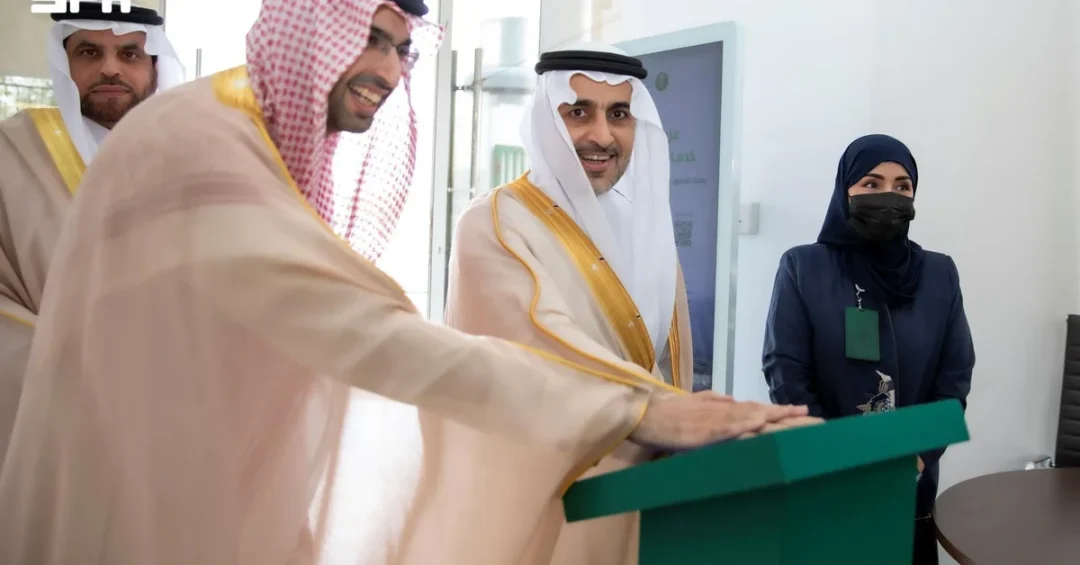
Eng. Mansour Hilal Al-Mushaiti, Vice Minister of Environment, Water and Agriculture, launched a comprehensive package of digital platforms and initiatives on October 29, 2026, designed to transform how the ministry serves beneficiaries, strengthens oversight, and drives data-informed decision-making across all 13 regions of Saudi Arabia. The announcement, released through the Saudi Press Agency, marks a significant step in the Kingdom’s ongoing digital transformation of government services, aligning directly with the objectives of Saudi Vision 2030. The initiatives were unveiled during an official inspection visit to the Deputy Ministry for Beneficiary Services and Branch Affairs, where the vice minister reviewed the deputy ministry’s work, met with its team, and examined performance results across six strategic areas: operational efficiency, oversight and compliance, investment and spending efficiency, beneficiary experience, the nonprofit sector and volunteering, and sustainability and afforestation.
The launch represents more than a routine administrative upgrade. It signals a deliberate shift in how one of the Kingdom’s most important ministries interacts with the public, monitors compliance, and allocates resources. By consolidating beneficiary feedback, meeting requests, and performance indicators into unified digital platforms, the Ministry of Environment, Water and Agriculture is positioning itself as a model for proactive, data-driven governance. For international observers, the development offers a clear window into how Saudi Arabia is translating Vision 2030’s broad ambitions into tangible, measurable improvements in public service delivery. How often do government ministries worldwide manage to turn scattered feedback into a single, actionable dashboard that reaches every region simultaneously?
Context and Background
The Ministry of Environment, Water and Agriculture oversees some of the most critical sectors in Saudi Arabia, including water security, food production, environmental protection, and rural development. These responsibilities touch every citizen and resident, from farmers in the northern regions to urban households dependent on desalinated water. The Deputy Ministry for Beneficiary Services and Branch Affairs serves as the operational bridge between the ministry’s national policies and the individuals and businesses they affect. Its network of branches spans all 13 regions of the Kingdom, making it one of the most geographically extensive service delivery structures in the Saudi government.
Historically, government oversight in many countries, including Saudi Arabia, relied on periodic inspections, paper-based reporting, and reactive responses to complaints. This traditional model often struggled with delays, inconsistent data, and limited visibility into regional performance variations. The ministry’s new approach explicitly aims to move beyond that model. According to the official announcement, the initiatives support a transition from traditional oversight to smart, proactive monitoring based on data and risk analysis. This shift enhances the efficiency of oversight resources, improves the effectiveness of field interventions, strengthens compliance with laws and regulations, helps protect beneficiaries, ensures product safety, and supports the measurement of oversight activities and their impact. What does it mean for a ministry to move from reactive inspections to predictive, risk-based oversight?
The timing of this launch is significant. Saudi Arabia has spent the past several years accelerating its digital government agenda under Vision 2030, with ministries across sectors adopting integrated platforms for everything from health records to business licensing. The environment, water, and agriculture sector is particularly complex because it must balance economic development, food security, water conservation, and environmental sustainability. Digital tools that unify data and streamline beneficiary interactions are therefore not just conveniences but strategic necessities. They allow policymakers to see where resources are needed most, which interventions are working, and how regional conditions differ across the Kingdom.
Key Details of the Digital Initiatives
The centerpiece of the launch is the new Beneficiary Services Center, which serves all 13 regions of Saudi Arabia. The center features a unified weekly dashboard that measures branch performance and monitors achievement indicators. This dashboard gives ministry leadership a real-time, comparative view of how each regional branch is performing, enabling faster identification of bottlenecks and more targeted support where needed. Rather than waiting for quarterly or annual reports, decision-makers can now track progress on a weekly basis, creating a continuous improvement loop that benefits both staff and the people they serve.
Another major initiative is the “Liqaa” platform, which enables users to request meetings with the minister or vice minister directly. The platform organizes requests and archives procedures electronically, covering the entire lifecycle from submission and review to referral to the relevant authority and issuance of a response. This level of transparency and traceability is notable in government administration. It reduces the risk of lost requests, ensures that each inquiry receives a documented response, and gives senior leadership a clear picture of the issues citizens and businesses are raising. For beneficiaries, it removes layers of uncertainty and provides a clear pathway to engage with top decision-makers.
The “Beneficiary Voice” platform further consolidates beneficiary ratings and tickets from various communication channels into a unified analytical platform under the slogan “Because We Listen, We Improve.” It covers branch performance across all 13 regions. According to the indicators released at the launch, the platform recorded a beneficiary satisfaction rate of 84%, with an average rating of 4.33 out of 5. These figures are not merely vanity metrics; the feedback and comments collected through the platform are actively used to improve services and support decision-making. By centralizing feedback that might otherwise remain scattered across call centers, emails, and in-person visits, the ministry can identify patterns, address recurring issues, and reward high-performing branches. How many government agencies can honestly claim to have a real-time, unified view of beneficiary satisfaction across every region they serve?
At the conclusion of the visit, the vice minister received the 2026 ISO 9001:2015 international quality management system certification. This certification recognizes the deputy ministry’s efforts to implement quality standards, improve work procedures and services, and enhance institutional performance efficiency. ISO 9001:2015 is a globally recognized standard for quality management systems, and its award to a Saudi government deputy ministry underscores the Kingdom’s commitment to international best practices. It provides external validation that the ministry’s internal processes meet rigorous criteria for consistency, customer focus, and continual improvement. What message does it send to international partners when a Saudi ministry earns a globally respected quality certification?
International and Regional Impact
The launch of these digital initiatives carries implications that extend beyond Saudi Arabia’s borders. As the Kingdom positions itself as a global leader in digital government and smart public services, other countries in the region and beyond are watching closely. The Beneficiary Services Center’s unified dashboard, the Liqaa platform’s electronic archiving of meeting requests, and the Beneficiary Voice platform’s aggregation of satisfaction data together represent a replicable model for governments seeking to improve service delivery without expanding bureaucratic overhead. International organizations focused on governance and public administration often highlight the importance of citizen feedback loops and data-driven oversight; Saudi Arabia’s environment, water, and agriculture ministry is now putting those principles into practice at a national scale.
Regionally, the initiatives support greater consistency in how beneficiaries are treated across Saudi Arabia’s diverse geography. A farmer in Jazan, a water utility manager in the Eastern Province, and a small business owner in Tabuk all interact with the same ministry but face different local conditions. By measuring branch performance across all 13 regions and consolidating feedback into a single analytical platform, the ministry can ensure that service quality does not vary unfairly depending on location. This regional equity is an important component of Saudi Arabia’s broader development strategy, which seeks to balance growth and opportunity across the Kingdom rather than concentrating resources in a few major cities. How can a government ensure that a beneficiary in a remote region receives the same quality of service as one in the capital?
The ISO 9001:2015 certification also strengthens the ministry’s credibility with international partners, including foreign investors, multilateral institutions, and global environmental organizations. Quality management certification signals that the ministry operates with documented procedures, clear accountability, and a commitment to continuous improvement. For companies considering investment in Saudi Arabia’s agricultural or water sectors, or for international agencies partnering on environmental projects, this certification provides additional assurance that they are working with a professional, standards-driven institution. It also aligns with the Kingdom’s broader efforts to attract foreign direct investment and position itself as a hub for international cooperation on sustainability and food security.
Economic and Strategic Significance
The economic significance of these digital initiatives lies in their potential to improve the efficiency of public spending and oversight. The ministry’s inspection visit specifically examined investment and spending efficiency as one of six key performance areas. By using data and risk analysis to guide oversight activities, the ministry can direct its limited inspection resources toward the areas of greatest risk, rather than spreading them evenly across all operations. This risk-based approach is a well-established principle in modern regulatory practice, and its adoption here suggests a maturing of Saudi Arabia’s regulatory institutions. More effective oversight means fewer violations, safer products, and better protection for beneficiaries, all of which contribute to a healthier business environment.
For the agricultural sector, which is a priority under Vision 2030 for its role in food security, the digital platforms create a more predictable and responsive regulatory environment. Farmers and agribusinesses can raise concerns, request meetings, and provide feedback through structured channels. The ministry, in turn, can use aggregated data to identify systemic issues, such as delays in permit approvals or inconsistencies in inspections, and address them at the policy level. This feedback loop supports productivity and investment by reducing uncertainty. It also helps the ministry communicate more effectively with the private sector about compliance requirements, which is essential for maintaining high standards in food safety and environmental protection. What economic value is created when a regulator can see problems before they become crises?
The nonprofit sector and volunteering represent another strategic area examined during the visit. Saudi Arabia has placed increasing emphasis on civic engagement and the role of nonprofit organizations in delivering services and promoting environmental awareness. Digital platforms that track beneficiary experience and branch performance can also help the ministry partner more effectively with nonprofits, identifying where volunteer efforts and community programs can complement government services. This collaborative approach is central to Vision 2030’s vision of a vibrant society and a thriving economy, where government, private sector, and civil society work together toward shared goals.
Vision 2030 Alignment
These initiatives align directly with Saudi Vision 2030’s objectives of enhancing government effectiveness, improving quality of life, and fostering a digital economy. Vision 2030 calls for a government that is responsive, transparent, and efficient, and the Ministry of Environment, Water and Agriculture is demonstrating what that looks like in practice. The Beneficiary Services Center, Liqaa platform, and Beneficiary Voice platform are not isolated technology projects; they are part of a systematic effort to embed data-driven decision-making into the ministry’s culture. The 84% beneficiary satisfaction rate and the 4.33 out of 5 average rating provide a baseline that the ministry can now work to improve, with the tools in place to measure progress accurately.
As Saudi Arabia continues its transformation, the environment, water, and agriculture sector will remain central to the Kingdom’s long-term security and prosperity. Water scarcity, food security, climate resilience, and sustainable land management are challenges that require both strong policies and effective implementation. By modernizing its oversight and beneficiary services, the ministry is building the institutional capacity needed to meet those challenges. The digital platforms launched on October 29, 2026, represent a forward-looking investment in governance that will benefit citizens, businesses, and the environment for years to come. In a world where public trust in institutions depends increasingly on responsiveness and transparency, Saudi Arabia’s Ministry of Environment, Water and Agriculture is setting a standard that others would do well to study.
20 Questions
Q1. What did Eng. Mansour Hilal Al-Mushaiti launch on October 29, 2026?
A1. He launched a package of digital platforms and initiatives to improve beneficiary experience, enhance operational efficiency, strengthen oversight and compliance, and support data-driven decision-making in line with Saudi Vision 2030 objectives.
Q2. Which ministry does Eng. Mansour Hilal Al-Mushaiti serve as vice minister?
A2. He serves as Vice Minister of Environment, Water and Agriculture in the Kingdom of Saudi Arabia, overseeing initiatives that affect water security, food production, and environmental protection across all 13 regions.
Q3. What is the Beneficiary Services Center and which regions does it serve?
A3. The Beneficiary Services Center is a new facility that serves all 13 regions of Saudi Arabia and features a unified weekly dashboard to measure branch performance and monitor achievement indicators across the ministry’s regional network.
Q4. What is the purpose of the “Liqaa” platform?
A4. The Liqaa platform enables users to request meetings with the minister or vice minister and organizes requests and archives procedures electronically, from submission and review to referral and response issuance.
Q5. What does the “Beneficiary Voice” platform do?
A5. It consolidates beneficiary ratings and tickets from various communication channels into a unified analytical platform under the slogan “Because We Listen, We Improve,” covering branch performance across all 13 regions of Saudi Arabia.
Q6. What beneficiary satisfaction rate was reported by the Ben
Q6. What beneficiary satisfaction rate was reported by the Beneficiary Voice platform?
A6. The platform’s indicators showed a beneficiary satisfaction rate of 84%, with an average rating of 4.33 out of 5. This feedback is used to improve services and support decision-making across the ministry.
Q7. What international certification did the vice minister receive?
A7. He received the 2026 ISO 9001:2015 international quality management system certification, recognizing the deputy ministry’s efforts to implement quality standards, improve work procedures and services, and enhance institutional performance efficiency.
Q8. What are the six key performance areas examined during the inspection visit?
A8. The six areas are operational efficiency; oversight and compliance; investment and spending efficiency; beneficiary experience; the nonprofit sector and volunteering; and sustainability and afforestation.
Q9. How do these initiatives change the ministry’s approach to oversight?
A9. They support a transition from traditional oversight to smart, proactive monitoring based on data and risk analysis, enhancing the efficiency of oversight resources and the effectiveness of field interventions while strengthening compliance with laws and regulations.
Q10. How does the Beneficiary Voice platform use feedback?
A10. Feedback and comments collected through the platform are used to improve services and support decision-making, allowing the ministry to identify patterns, address recurring issues, and recognize high-performing branches across all regions.
Q11. What is the significance of the unified weekly dashboard?
A11. The dashboard gives ministry leadership a real-time, comparative view of regional branch performance on a weekly basis, enabling faster identification of bottlenecks and more targeted support where needed.
Q12. How does the Liqaa platform improve transparency?
A12. It archives procedures electronically from submission to response, reducing the risk of lost requests, ensuring each inquiry receives a documented response, and giving leadership a clear picture of issues raised by beneficiaries.
Q13. Which regions of Saudi Arabia are covered by these initiatives?
A13. All 13 regions of Saudi Arabia are covered, ensuring that beneficiaries across the Kingdom, from Jazan to the Northern Borders, receive consistent service quality and oversight.
Q14. What does ISO 9001:2015 certification signify for the deputy ministry?
A14. It provides external validation that the deputy ministry’s internal processes meet rigorous international criteria for consistency, customer focus, and continual improvement, strengthening credibility with partners and investors.
Q15. How do these initiatives support food security in Saudi Arabia?
A15. By creating a more predictable and responsive regulatory environment for farmers and agribusinesses, the platforms help reduce uncertainty, support productivity, and maintain high standards in food safety and environmental protection.
Q16. What role does the nonprofit sector play in these initiatives?
A16. The nonprofit sector and volunteering were among the six key areas examined, reflecting the ministry’s interest in partnering with civil society to complement government services and promote environmental awareness.
Q17. How does risk-based oversight protect beneficiaries?
A17. By directing inspection resources toward areas of greatest risk, the ministry can prevent violations, ensure product safety, strengthen compliance, and protect beneficiaries more effectively than traditional even-spread inspections.
Q18. What is the “Because We Listen, We Improve” slogan associated with?
A18. The slogan is associated with the Beneficiary Voice platform, which consolidates beneficiary ratings and tickets into a unified analytical platform to drive service improvements across all 13 regions.
Q19. How do these digital platforms support Vision 2030?
A19. They align with Vision 2030’s objectives of enhancing government effectiveness, improving quality of life, and fostering a digital economy by embedding data-driven decision-making and transparency into public service delivery.
Q20. What is the forward-looking impact of these initiatives for Saudi Arabia?
A20. They build institutional capacity to address water scarcity, food security, and climate resilience, while setting a standard for responsive, transparent governance that benefits citizens, businesses, and the environment for years to come.
Reader Feedback
We value your thoughts. Please share your feedback on this article.
Your feedback helps us improve our coverage.
Related articles
 Coalition Intercepts Two Houthi Missiles Targeting Riyadh
 Crown Prince, Korean President Discuss Ties; Seoul Condemns Houthi Attacks
 Crown Prince, Romanian President Discuss Ties
 Moderate to Heavy Rain Falls in Hail Region, SPA Reports
 Saudi, Yemeni FMs Discuss Houthi Attacks and Yemen Support
 Saudi Ambassador Fahd Al-Dosari Meets Lebanese MP Hassan Mourad