


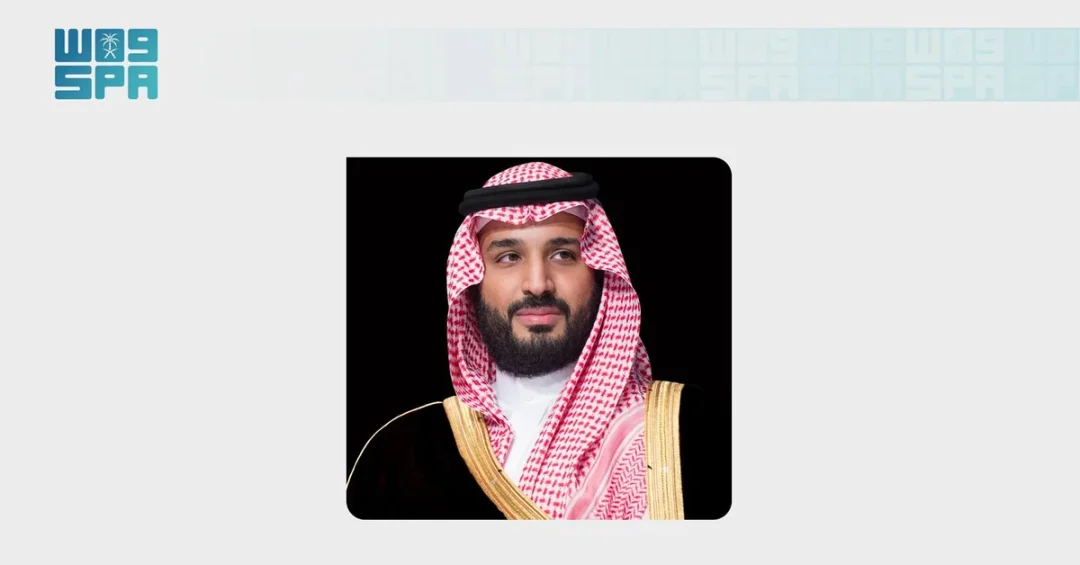
His Royal Highness Prince Mohammed bin Salman bin Abdulaziz Al Saud, Crown Prince and Prime Minister, held a phone call on Thursday with President Lee Jae Myung of the Republic of Korea, during which Seoul condemned the Houthi militia’s attacks on civilian facilities in Saudi Arabia and the two leaders discussed ways to deepen bilateral relations across multiple fields. The call, reported by the Saudi Press Agency (SPA), represents the latest high-level engagement between Riyadh and Seoul and underscores the growing strategic partnership between the Kingdom and one of Asia’s most advanced economies. How significant is this moment for the future of Saudi-Korean relations?
The conversation covered the full spectrum of the bilateral relationship, from energy and defense to technology, infrastructure, and cultural exchange. President Lee’s explicit condemnation of the Houthi attacks on civilian facilities in the Kingdom signals strong international solidarity with Saudi Arabia’s security concerns and reflects the broad diplomatic support the Kingdom enjoys among its international partners. The exchange also comes at a time when Saudi Arabia is accelerating its Vision 2030 transformation and seeking like-minded nations to partner in that journey. The call reaffirms the depth of the Riyadh-Seoul relationship and its potential to expand further.
Context and Background
Why has the Saudi-Korean relationship become so central to both nations’ strategic calculations? The ties between the Kingdom of Saudi Arabia and the Republic of Korea have deepened considerably over the past decade, evolving from a traditional energy-supplier relationship into a comprehensive strategic partnership. South Korea relies heavily on Saudi Arabia for crude oil imports, while Saudi Arabia has increasingly looked to Korean expertise in construction, technology, and manufacturing as it pursues economic diversification under Vision 2030. This mutual dependence has created a foundation for cooperation that extends well beyond energy.
The two countries have signed numerous agreements in recent years covering areas such as smart cities, renewable energy, digital transformation, and defense procurement. Korean companies have been involved in some of the Kingdom’s most ambitious infrastructure projects, including petrochemical complexes and urban developments. In return, Saudi Arabia has become a key investor in Korean industries and a reliable energy partner. The relationship is anchored in shared interests and a long history of diplomatic engagement dating back to the establishment of formal ties in 1962.
The phone call between Crown Prince Mohammed bin Salman and President Lee Jae Myung also takes place against a backdrop of regional tensions. The Houthi militia, backed by external actors, has repeatedly targeted civilian infrastructure in Saudi Arabia, threatening not only the Kingdom’s security but also global energy supplies. President Lee’s condemnation of these attacks aligns Seoul with the international consensus that such actions are unacceptable and destabilizing. It also highlights the importance of collective security in the region.
Key Details of the Discussion
What exactly was discussed during this high-level call? According to the Saudi Press Agency, the two leaders reviewed bilateral relations and explored avenues to develop them across various fields. The conversation touched on economic cooperation, with both sides expressing a desire to boost trade and investment. They also discussed cultural and educational exchanges, which have become a growing pillar of the relationship. The Korean President’s condemnation of the Houthi attacks was a notable element of the call, underscoring the security dimension of the partnership.
The Crown Prince and President Lee also likely addressed regional and international developments of mutual concern. Saudi Arabia has been a key player in efforts to stabilize Yemen and counter Houthi aggression, and Korea’s support in this regard is valuable. The two leaders may have discussed coordination on global issues such as energy security, climate change, and supply chain resilience. These topics are increasingly important as the world navigates economic uncertainty and geopolitical shifts.
While the official readout did not disclose specific new agreements, the call itself is a signal that both sides are committed to maintaining momentum in their relationship. Regular high-level communication is essential for translating shared interests into concrete outcomes. The fact that the call took place at this time suggests that both Riyadh and Seoul view the partnership as a priority that warrants continuous attention at the highest levels.
International and Regional Impact
How does this call resonate beyond the two capitals? President Lee’s condemnation of the Houthi attacks carries weight because it adds to the chorus of international voices holding the militia accountable for its actions. The Houthis have launched numerous missile and drone attacks on Saudi civilian facilities, including airports and oil installations, in violation of international law. By publicly condemning these attacks, South Korea reinforces the principle that state-sponsored or militia aggression against civilian targets is unacceptable. This diplomatic support strengthens Saudi Arabia’s position in international forums.
Moreover, the call highlights the broader trend of Asian nations deepening their engagement with the Middle East. South Korea, like Japan, China, and India, recognizes the strategic importance of the Gulf region for energy security and economic opportunities. Saudi Arabia, as the world’s largest oil exporter and a G20 member, is a natural partner. The growing ties between Riyadh and Seoul are part of a larger realignment in global geopolitics, where middle powers are building diversified networks of alliances and partnerships. This benefits both countries by reducing over-reliance on any single region or power.
Economic and Strategic Significance
Why does economic cooperation between Saudi Arabia and South Korea matter so much? The two economies are highly complementary. Saudi Arabia possesses vast energy resources and a strategic location at the crossroads of three continents, while South Korea boasts advanced technology, manufacturing prowess, and a skilled workforce. This synergy creates opportunities for joint ventures in sectors such as petrochemicals, shipbuilding, automotive, and renewable energy. Korean firms have already been involved in major projects in the Kingdom, including the Jazan Refinery and the Saudi Aramco-Korea National Oil Corporation partnership.
Under Vision 2030, Saudi Arabia aims to diversify its economy away from oil dependence, and South Korea is a key partner in that endeavor. The Kingdom is investing heavily in sectors like tourism, entertainment, and digital technology, where Korean expertise can be invaluable. For instance, Korean companies are helping develop smart city infrastructure and 5G networks. Cultural exchanges are also growing, with Korean pop culture gaining popularity in Saudi Arabia and Saudi cultural events attracting Korean audiences. This people-to-people dimension adds depth to the economic relationship.
Strategically, the partnership also has a security component. South Korea is a major buyer of Saudi crude oil and a potential partner in defense procurement. The two countries have held joint military exercises and discussed cooperation in cybersecurity and defense technology. As Saudi Arabia modernizes its armed forces, Korean defense companies see opportunities to supply advanced equipment. This cooperation contributes to regional stability and aligns with Saudi Arabia’s goal of becoming a hub for security and prosperity in the Middle East.
Vision 2030 Alignment
How does this diplomatic engagement advance Saudi Arabia’s long-term vision? Vision 2030 is fundamentally about transforming the Kingdom into a diversified, knowledge-based economy and a global investment powerhouse. International partnerships are essential to achieving these goals, and South Korea is a prime example of a partner that brings technology, capital, and expertise. The Crown Prince’s call with President Lee reinforces the Kingdom’s commitment to building strong alliances that support its reform agenda.
Furthermore, the condemnation of Houthi attacks by President Lee underscores the importance of security for economic development. Without stability, investment and growth are difficult to sustain. Saudi Arabia’s leadership in countering Houthi aggression and protecting civilian infrastructure is crucial for maintaining the confidence of international partners and investors. The call thus serves both a diplomatic and a practical purpose: it strengthens ties with a key ally while reaffirming the Kingdom’s resolve to defend its people and interests.
As Saudi Arabia continues its journey toward Vision 2030, partnerships like the one with South Korea will be vital. The Kingdom’s leadership, under Crown Prince Mohammed bin Salman, has consistently emphasized the importance of international cooperation and mutual respect. This call is another step in that direction, showcasing Saudi Arabia’s active diplomacy and its ability to build bridges with nations across the globe. The future of Saudi-Korean relations looks bright, with potential for even greater collaboration in the years ahead.
20 Questions
Q1. Who held the phone call on Thursday?
A1. His Royal Highness Prince Mohammed bin Salman bin Abdulaziz Al Saud, Crown Prince and Prime Minister of Saudi Arabia, held a phone call with President Lee Jae Myung of the Republic of Korea.
Q2. What did the Korean President condemn during the call?
A2. President Lee Jae Myung condemned the Houthi militia’s attacks on civilian facilities in Saudi Arabia, expressing solidarity with the Kingdom against these acts of aggression.
Q3. What was the main purpose of the call?
A3. The two leaders discussed bilateral relations and ways to develop them across various fields, as well as addressing regional security concerns including the Houthi attacks.
Q4. Which agency reported the call?
A4. The call was reported by the Saudi Press Agency (SPA), the official news agency of Saudi Arabia, which released the details of the conversation.
Q5. When did the call take place?
A5. The call took place on Thursday, October 29, 2026, according to the SPA report, which was published at 20:31 local time (17:31 GMT).
Q6. What are the key areas of Saudi-Korean cooperation?
A6. Key areas include energy, trade, investment, technology, infrastructure, defense, cultural exchange, and smart city development, reflecting a comprehensive strategic partnership.
Q7. How long have Saudi Arabia and South Korea had diplomatic relations?
A7. Saudi Arabia and South Korea established formal diplomatic relations in 1962, and ties have deepened significantly over the past six decades, especially in recent years.
Q8. Why is South Korea important to Saudi Arabia’s Vision 2030?
A8. South Korea brings advanced technology, manufacturing expertise, and investment that support Saudi Arabia’s economic diversification goals under Vision 2030, particularly in digital and industrial sectors.
Q9. What is the Houthi militia’s record of attacks on Saudi Arabia?
A9. The Houthi militia has repeatedly launched missile and drone attacks on Saudi civilian facilities, including airports and oil installations, threatening regional security and global energy supplies.
Q10. How did President Lee’s condemnation impact Saudi-Korean relations?
A10. It strengthened diplomatic solidarity and underscored South Korea’s support for Saudi Arabia’s security, reinforcing the trust and partnership between the two nations.
Q11. What economic sectors are likely to benefit from this call?
A11. Sectors such as renewable energy, petrochemicals, shipbuilding, automotive, digital technology, and tourism are expected to benefit from enhanced cooperation between the two countries.
Q12. Did the call result in any new agreements?
A12. The official readout did not announce specific new agreements, but the call reaffirmed both sides’ commitment to deepening cooperation and maintaining high-level dialogue.
Q13. How does this call fit into Saudi Arabia’s broader foreign policy?
A13. It reflects Saudi Arabia’s strategy of building strong international partnerships, diversifying alliances, and promoting stability and prosperity through active diplomacy.
Q14. What role does South Korea play in regional security?
A14. South Korea is a key Asian power that supports stability through diplomacy and economic engagement, and its condemnation of Houthi attacks adds to international pressure on the militia.
Q15. What cultural exchanges exist between Saudi Arabia and South Korea?
A15. Cultural exchanges include growing interest in Korean pop culture in Saudi Arabia and participation of Saudi cultural groups in Korean events, fostering people-to-people ties.
Q16. How does the call align with Vision 2030’s goals?
A16. It advances Vision 2030 by promoting international cooperation, attracting foreign expertise, and enhancing Saudi Arabia’s global engagement, all essential for economic transformation.
Q17. What is the significance of the timing of the call?
A17. The call comes amid regional tensions and global economic shifts, highlighting the importance of continuous high-level communication between strategic partners.
Q18. How have Korean companies contributed to Saudi development?
A18. Korean companies have participated in major projects such as petrochemical complexes, refineries, and smart city initiatives, bringing technology and engineering expertise to the Kingdom.
Q19. What are the prospects for future Saudi-Korean relations?
A19. Prospects are strong, with potential for expanded cooperation in defense, technology, renewable energy, and cultural exchange, driven by shared interests and mutual respect.
Q20. How does Saudi Arabia benefit from international condemnations of Houthi attacks?
A20. International condemnations isolate the Houthis, reinforce global norms against attacks on civilians, and strengthen Saudi Arabia’s diplomatic position and security partnerships.
Reader Feedback
We value your thoughts. Please share your feedback on this article.
Your feedback helps us improve our coverage.
Related articles
 Saudi Vice Minister Launches Digital Initiatives for Better Services
 Coalition Intercepts Two Houthi Missiles Targeting Riyadh
 Crown Prince, Romanian President Discuss Ties
 Saudi, Yemeni FMs Discuss Houthi Attacks and Yemen Support
 Moderate to Heavy Rain Falls in Hail Region, SPA Reports
 Saudi Ambassador Fahd Al-Dosari Meets Lebanese MP Hassan Mourad