


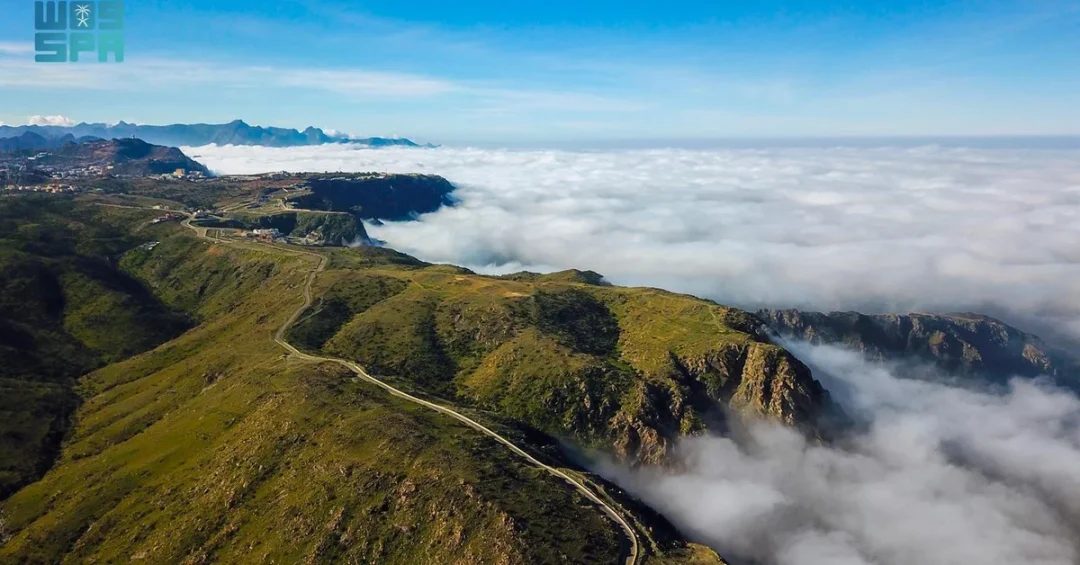
The high mountain ranges of the Sarawat in the Arabian Peninsula, particularly the peaks of Al-Shafa and Al-Hada in Taif Governorate, are emerging as a premier destination for nature lovers and cultural explorers, according to information released by the Saudi Press Agency (SPA). These majestic mountains, reaching approximately 2,500 meters, preserve a significant temperate ecosystem that is home to Arabian leopards, falcons, and a rich array of plant and animal life. Their diverse landscapes, from sloping terrain to towering peaks and valleys, were crucial for past civilizations in the Kingdom of Saudi Arabia and continue to attract visitors year-round with their pleasant climate and stunning scenery. As the Kingdom accelerates its Vision 2030 ambitions, these natural and cultural treasures are being positioned as key assets for sustainable tourism and heritage preservation.
Citizen Tariq Al-Talhi, a local resident, emphasized the presence of ancient stone houses that offer a glimpse into traditional life and resourcefulness. He described certain peaks as offering “edge of the world” views due to their dramatic drops and expansive vistas, illustrating the profound influence of the environment on early inhabitants. Al-Talhi also highlighted the enduring traditions of herding and farming in the highland villages, where daily life continues to be closely tied to the natural rhythms of the mountains. This blend of natural beauty and cultural heritage makes Taif’s peaks a unique destination that embodies the Kingdom’s commitment to preserving its past while embracing a future of sustainable development and global engagement.
Context and Background
Have you ever wondered how a mountain range can shape the identity of a nation? The Sarawat Mountains, stretching along the western coast of the Arabian Peninsula, have been a silent witness to the rise and fall of civilizations, the caravans of trade, and the spiritual journeys of millions. In the Kingdom of Saudi Arabia, these mountains, particularly the Al-Shafa and Al-Hada peaks in Taif Governorate, stand as a testament to the country’s rich natural and cultural heritage. According to the Saudi Press Agency (SPA), these high mountain ranges preserve a significant temperate ecosystem, a rare phenomenon in the Arabian Peninsula, providing a home for Arabian leopards, falcons, and a diverse array of plant and animal life. This ecosystem is not only a natural treasure but also a critical component of the Kingdom’s environmental and tourism strategies under Vision 2030.
The historical significance of these mountains cannot be overstated. They served as natural fortresses and trade routes for ancient civilizations, offering refuge and resources to early inhabitants. The ancient stone houses that dot the landscape, as highlighted by Tariq Al-Talhi, are enduring symbols of human adaptation and ingenuity. These structures, built from local stone, were designed to withstand the harsh elements while blending seamlessly with the rugged terrain. They offer a window into the past, revealing how communities harnessed the environment to create sustainable livelihoods. Today, as Saudi Arabia opens its doors to the world, these mountains are being rediscovered not just as historical relics but as living landscapes that continue to inspire and attract.
Moreover, the cultural traditions of the highland villages, such as herding and farming, remain vibrant. These practices, passed down through generations, are a testament to the resilience and resourcefulness of the Saudi people. They also align with the Kingdom’s Vision 2030 goals of preserving cultural heritage and promoting sustainable tourism. By integrating these traditions into the tourism experience, Saudi Arabia is not only showcasing its past but also creating economic opportunities for local communities, ensuring that the benefits of development are shared widely.
Key Details
What makes the peaks of Taif so special? At approximately 2,500 meters above sea level, Al-Shafa and Al-Hada are among the highest points in the Kingdom. They are often shrouded in fog, especially in winter, creating a mystical atmosphere that enchants visitors. The juniper trees that cling to the slopes are ancient and resilient, some estimated to be hundreds of years old. These trees, along with unique rock formations, provide a spectacular setting for sunsets and panoramic views. The “edge of the world” vistas described by Tariq Al-Talhi are not just poetic; they are a reality that leaves visitors in awe. The dramatic drops and expansive vistas offer a sense of scale and majesty that is hard to find elsewhere.
The biodiversity of the region is another key detail. The Arabian leopard, a critically endangered species, finds refuge in these mountains, along with various species of falcons and other wildlife. The presence of these animals indicates a healthy ecosystem, which is vital for the Kingdom’s environmental conservation efforts. The Saudi Press Agency reports that the mountains are a popular destination year-round, attracting visitors with their pleasant climate and stunning scenery. Camping and adventure activities are particularly popular, with many visitors seeking to escape the heat of the lowlands and immerse themselves in nature. The infrastructure for tourism is being developed to accommodate this growing interest, with trails, campsites, and visitor centers being established in line with sustainable practices.
Furthermore, the ancient stone houses and terraced farms are being restored and promoted as cultural attractions. These efforts are part of a broader initiative to preserve Saudi Arabia’s architectural and agricultural heritage. The highland villages, where daily life continues to be closely tied to the natural rhythms of the mountains, offer a unique cultural experience for visitors. They can witness traditional herding and farming practices, taste local produce, and learn about the customs and traditions of the mountain communities. This immersive experience is a key selling point for Taif as a tourism destination, differentiating it from other regions in the Kingdom.
International and Regional Impact
How does the preservation of Taif’s peaks resonate beyond Saudi Arabia’s borders? The Sarawat Mountains are part of a larger ecological corridor that stretches across the Arabian Peninsula. The conservation efforts in Taif contribute to regional biodiversity and environmental stability. Neighboring countries, such as Yemen and Oman, share similar mountain ecosystems, and there is potential for collaborative conservation initiatives. Saudi Arabia’s leadership in this area, under Vision 2030, sets a positive example for the region. By protecting its natural heritage, the Kingdom is also fulfilling its commitments to international environmental agreements, such as the Convention on Biological Diversity.
On the international stage, Taif’s peaks are becoming a symbol of Saudi Arabia’s broader opening to the world. The Kingdom is actively promoting itself as a destination for nature tourism, cultural tourism, and adventure tourism. The unique combination of high-altitude landscapes, ancient heritage, and modern amenities is appealing to global travelers. This aligns with the National Tourism Strategy, which aims to attract 100 million visitors annually by 2030. The mountains of Taif, with their cool climate and breathtaking views, offer a refreshing alternative to the desert and coastal experiences that are more commonly associated with Saudi Arabia. As word spreads, international tour operators are increasingly including Taif in their itineraries, further boosting its profile.
Regionally, the development of Taif as a tourism hub has the potential to stimulate economic growth in the surrounding areas. It creates jobs, supports local businesses, and encourages investment in infrastructure. This, in turn, contributes to the overall prosperity of the Kingdom and reinforces its position as a leader in the Arab world. The mountains also serve as a cultural bridge, connecting Saudi Arabia’s past with its present and future, and inviting the world to share in its story.
Economic and Strategic Significance
What economic benefits can arise from these natural wonders? The development of tourism in Taif is a strategic move to diversify the Saudi economy away from oil dependence. The Kingdom’s Vision 2030 includes a strong focus on tourism as a key sector for job creation and GDP growth. Taif’s peaks, with their unique offerings, are well-positioned to contribute to this goal. The Saudi Press Agency reports that the area already attracts visitors year-round, and with improved infrastructure and marketing, the numbers are expected to rise significantly. This will create opportunities for local entrepreneurs, from tour guides to artisans, and stimulate demand for hospitality services.
Moreover, the preservation of the environment and cultural heritage is not just a moral imperative but also an economic one. Sustainable tourism ensures that the natural and cultural assets that attract visitors are maintained for future generations. This long-term approach is central to Vision 2030, which emphasizes sustainability and responsible development. The mountains also offer opportunities for scientific research, particularly in ecology and conservation, which can attract international collaboration and funding. Additionally, the strategic location of Taif, close to Jeddah and Makkah, makes it easily accessible for both domestic and international tourists, further enhancing its economic potential.
In terms of strategic significance, the mountains serve as a natural barrier and a source of water, supporting agriculture and human settlement. They are also a symbol of national pride, representing the Kingdom’s natural beauty and cultural depth. By investing in their preservation and promotion, Saudi Arabia is reinforcing its identity and its commitment to a sustainable future.
Vision 2030 Alignment
How does the legacy of Taif’s peaks align with Saudi Arabia’s Vision 2030? Vision 2030 is a comprehensive plan to transform the Kingdom economically, socially, and culturally. It aims to create a vibrant society, a thriving economy, and an ambitious nation. The preservation and promotion of Taif’s natural and cultural heritage directly supports these goals. By showcasing the mountains as a tourism destination, the Kingdom is diversifying its economy, creating jobs, and attracting international visitors. This contributes to the goal of increasing tourism’s contribution to GDP from 3% to 10% by 2030.
Furthermore, the focus on sustainable development and environmental conservation aligns with the Vision’s emphasis on quality of life and environmental sustainability. The mountains are a prime example of how natural assets can be leveraged for economic benefit without compromising their integrity. The cultural aspect, including the ancient stone houses and traditional practices, supports the goal of preserving Saudi heritage and promoting cultural exchange. As the Kingdom continues to implement Vision 2030, Taif’s peaks will stand as a shining example of how the past and future can coexist harmoniously, offering a legacy of nature, culture, and tourism for generations to come.
20 Questions
Q1. What makes the Sarawat Mountains in Taif a unique destination?
A1. The Sarawat Mountains, particularly Al-Shafa and Al-Hada peaks, offer a rare temperate ecosystem in the Arabian Peninsula, with stunning scenery, ancient stone houses, and a pleasant climate that attracts visitors year-round.
Q2. How high are the Al-Shafa and Al-Hada peaks?
A2. They reach approximately 2,500 meters above sea level, making them among the highest points in Saudi Arabia and providing breathtaking views and a cool climate.
Q3. What kind of wildlife can be found in these mountains?
A3. The mountains are home to Arabian leopards, falcons, and a rich array of plant and animal life, indicating a healthy and diverse ecosystem.
Q4. What is the significance of the ancient stone houses in Taif?
A4. They offer a glimpse into traditional life and resourcefulness, showing how early inhabitants adapted to the mountainous environment and built sustainable communities.
Q5. What are “edge of the world” views as described by locals?
A5. These are dramatic vistas from certain peaks that offer expansive views with steep drops, creating a sense of standing at the edge of the world, as described by citizen Tariq Al-Talhi.
Q6. Why are the mountains often shrouded in fog?
A6. Due to their high altitude and climatic conditions, especially in winter, the peaks are frequently covered in fog, adding a mystical atmosphere and spectacular settings for sunsets.
Q7. What traditional practices continue in the highland villages?
A7. Herding and farming are still practiced, with daily life closely tied to the natural rhythms of the mountains, preserving cultural heritage.
Q8. How does Taif’s climate compare to other parts of Saudi Arabia?
A8. Taif enjoys a milder, temperate climate due to its high elevation, making it a popular escape from the heat of the lowlands, especially in summer.
Q9. What activities can visitors enjoy in Taif’s mountains?
A9. Visitors can enjoy camping, hiking, adventure sports, and cultural tours, as well as simply relaxing and taking in the stunning scenery and fresh air.
Q10. How is the Saudi government promoting tourism in Taif?
A10. Through Vision 2030 initiatives, the government is developing infrastructure, preserving heritage sites, and marketing Taif as a premier destination for nature and culture.
Q11. What is the significance of juniper trees in the region?
A11. Juniper trees are ancient and resilient, adding to the unique landscape and providing habitat for wildlife, while also contributing to the area’s natural beauty.
Q12. How does Taif’s tourism align with Vision 2030?
A12. It supports economic diversification, job creation, and the goal of attracting 100 million visitors annually by 2030, while preserving cultural and natural heritage.
Q13. What role do local communities play in preserving the mountains?
A13. Local communities maintain traditional practices, act as stewards of the land, and contribute to sustainable tourism by sharing their culture and knowledge with visitors.
Q14. Are there any conservation efforts for the Arabian leopard in Taif?
A14. Yes, the mountains are part of conservation efforts to protect the critically endangered Arabian leopard, with initiatives to preserve their habitat and monitor populations.
Q15. What is the best time to visit Taif’s peaks?
A15. The mountains are a year-round destination, but spring and summer are particularly popular for their pleasant weather, while winter offers foggy, dramatic landscapes.
Q16. How accessible are the peaks for international tourists?
A16. Taif is easily accessible via Taif International Airport and road networks from Jeddah and Makkah, with ongoing improvements to tourism infrastructure.
Q17. What economic opportunities does tourism in Taif create?
A17. It creates jobs in hospitality, guiding, and local crafts, stimulates small businesses, and attracts investment in infrastructure, contributing to economic diversification.
Q18. How does the preservation of Taif’s heritage benefit future generations?
A18. It ensures that the natural and cultural legacy is maintained for future generations to enjoy, learn from, and continue to be inspired by.
Q19. What makes Taif’s rock formations unique?
A19. The rock formations are shaped by natural erosion and geological processes, creating dramatic and picturesque landscapes that are a key attraction for photographers and nature lovers.
Q20. How can visitors contribute to sustainable tourism in Taif?
A20. Visitors can respect local customs, minimize their environmental impact, support local businesses, and participate in guided tours that promote conservation and cultural understanding.
Reader Feedback
We value your thoughts. Please share your feedback on this article.
Your feedback helps us improve our coverage.
Related articles
 Farasan Islands: Saudi Arabia’s Sustainable Tourism Gem
 Umrah and Ziyarah Forum Opens in Madinah with Global Participation
 RSG Unveils Laheq Island: Luxury Living in Saudi Arabia
 Air Connectivity Program Targets 2.5 Million Seats by End of 2025
 Saudi Ministry of Tourism Sees 333% Surge in Private Hospitality Licenses
 AlUla to Host First Instagram Creators Summit in MENA